
You probably think you are a good guy who provides, protects, and stays loyal. That is precisely why you never see the end coming until the papers land on your desk. Most relationships do not die from explosions; they die from the silent, corrosive habits you justify as normal male behavior. This is not a lecture on how to be sensitive; it is a diagnostic check on the blind spots destroying your happiness. Read this list honestly, because your ego is the only thing standing between you and a lonely future.
1. Believing the paycheck is enough

You bring home the money, so you assume your job is done. While financial stability is vital, it is merely the entry fee to the relationship, not the relationship itself. If you think your paycheck buys you a pass on emotional connection, you are treating your marriage like a transaction. You cannot buy desire, and you certainly cannot automate intimacy. A business partner provides capital; a life partner provides presence.
2. Treating her feelings like a broken engine

Men are wired to solve problems, but your partner is not a car that needs a mechanic. When she shares a frustration, you immediately jump to fixing the issue instead of just listening to her experience. This makes her feel unheard and managed rather than understood. Validation is often the only solution required. Stop trying to be the hero who saves the day and start being the partner who listens.
3. The silent scorecard and covert contracts
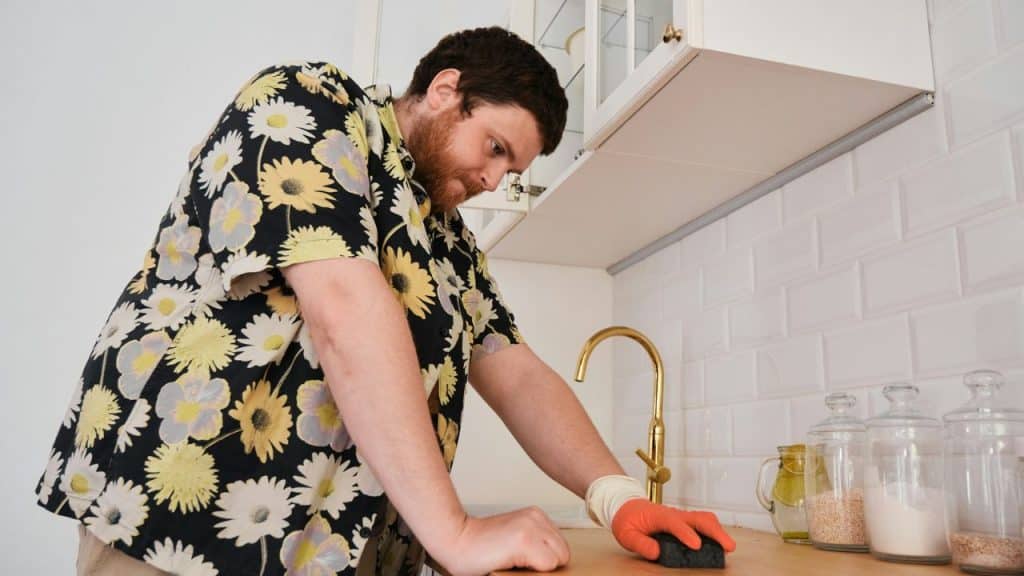
You do the dishes and secretly expect praise or sex, then you get angry when it does not happen. This is a covert contract that no one signed but you. You are effectively setting traps for your partner to fail just so you can feel victimized. Nobody can meet expectations you never articulate. Stop keeping a silent score and start communicating your needs like a grown man.
4. Checking out after the sale is made

You courted her with energy and intent, but once you got the commitment, you went on autopilot. This complacency is the death of passion because you stopped dating her and started just living with her. Think of it like the gym; you cannot get in shape once and then stop working out. Atrophy is silent but deadly. If you stop earning her attention, someone else eventually will.
5. Weaponizing logic against emotion

“You are being irrational” is not the winning argument you think it is. When you dismiss her feelings because they do not fit your logical framework, you are essentially telling her that her reality does not matter. Feelings are data points, and ignoring data is bad management. You might win the debate with logic, but you will lose the relationship in the process.
6. Defensiveness as a default setting

Your immediate reaction to criticism is to explain why you are right or to attack her back. This knee-jerk defensiveness blocks any chance of resolving the actual issue. It turns a conversation into a courtroom battle where your only goal is to prove your innocence. If you cannot hear feedback without falling apart, you are not displaying strength. You are displaying fragility.
7. Letting your ego drive the car

Many men view an apology as a sign of submission or weakness. In reality, the inability to say “I messed up” is the hallmark of an insecure man. You hold onto your pride so tightly that you squeeze the oxygen out of the relationship. Strong men own their mistakes. Weak men hide them behind excuses and blame.
8. Stonewalling when things get tough

When conflict arises, you shut down, go silent, or physically leave the room to protect your peace. To you, this feels like de-escalation, but to her, it feels like emotional abandonment. You are signaling that your comfort is more important than the survival of the relationship. Silence is not neutral; it is aggressive. You have to stay in the pocket and work through the discomfort.
9. Giving your best energy to strangers

You pour your focus, charm, and patience into your career and bring your exhausted leftovers home. You treat your colleagues with more respect and attention than the person you promised to share your life with. No one wants your scraps. If you are a high performer at work but a zombie at home, you are failing at the most important job you have.
10. Ignoring the micro-bids for connection

Relationships do not end because of one big fight; they die in the thousands of small moments you miss. When she looks up from her phone to share a thought or points out something small, she is bidding for your attention. Ignoring these moments tells her she is invisible to you. Pay attention to the small stuff. That is the currency of trust.
11. Assuming she can read your mind

You think she knows you love her because you fixed the roof or paid the mortgage. However, love must be translated into a language the receiver understands to be effective. Assuming your intent is obvious relieves you of the responsibility to articulate it. If you do not say it, she does not know it. Make your appreciation vocal and specific.
12. Settling for roommate status

You have let the relationship become purely logistical, focused on schedules, bills, and kids. You have stopped bringing masculine energy and desire into the dynamic, killing the polarity between you. You are not just a logistics manager; you are supposed to be a lover. Romance requires effort and friction. Do not let the spark die because you are too lazy to fan the flame.
13. Curating a museum of past hurts

You bring up arguments from three years ago to win a fight happening today. This toxicity ensures that no conflict is ever truly resolved because you keep reloading your ammunition. If you forgive it, you must bury it. Keeping a record of wrongs is a guarantee that you will never move forward together.
14. Refusing to ask for directions

You see therapy or marriage counseling as a last resort for broken people rather than a tool for optimization. Smart men hire consultants when they lack business expertise, yet you refuse to do the same for your marriage. Stubbornness is not a strategy. Refusing to upgrade your emotional software because of stigma is just plain stupid.
15. Losing your own identity

You made the relationship your whole world, or you expected her to fit entirely into yours. A great relationship requires two strong, distinct individuals to function. If you lose your hobbies, friends, and drive, you become less attractive to the person who fell in love with you. Codependency is not intimacy. Maintain your own orbit so you have something to bring back to the partnership.








Ask Me Anything