
Most men walk down the aisle thinking they know exactly what they’re signing up for. Fast-forward a few years, and the reality looks nothing like the highlight reel in their heads. Late nights at work, bills on the table, shifting intimacy, and family politics can feel like a whole new world. Even men with great marriages admit they were blindsided by how much had changed after the honeymoon glow faded. This list lays out the real reasons guys say marriage turned out differently, so you can see what actually happens behind closed doors instead of the glossy wedding version.
Intimacy Does Not Naturally Stay the Same

Sex and affection feel automatic early on, but long-term marriage demands more attention. Busy schedules, stress, and parenting can lower desire or create distance. Many men admit they assumed intimacy would stay constant without effort. Making time for connection, small gestures, and honest communication helps keep closeness alive.
Stress and Life Events Test the Marriage
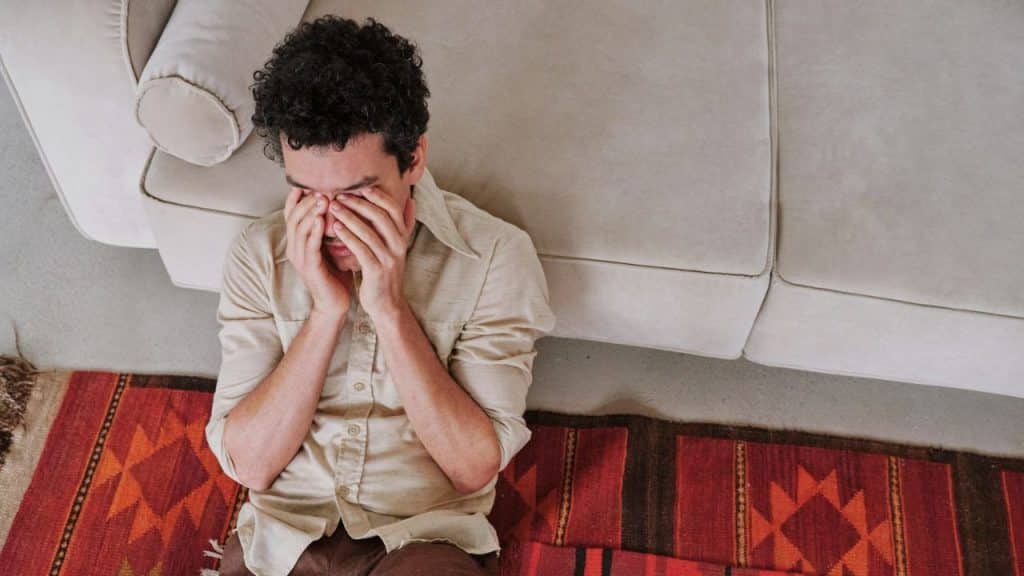
Job loss, illness, relocation, or family crises can strain even solid marriages. Under pressure, weaknesses show, but so do strengths. Men often say these moments reveal whether the partnership is truly resilient. Facing challenges as a team builds trust for the future.
Shared Finances Bring Unexpected Stress

Combining incomes sounds straightforward until you mix different spending habits, debt, or savings priorities. Men often discover that financial decisions become emotional discussions, not just numbers on a spreadsheet. If one partner feels less secure about money, tension rises quickly. Regular, honest conversations about budgets and goals reduce surprise conflicts.
Expectations Around Household Roles Differ
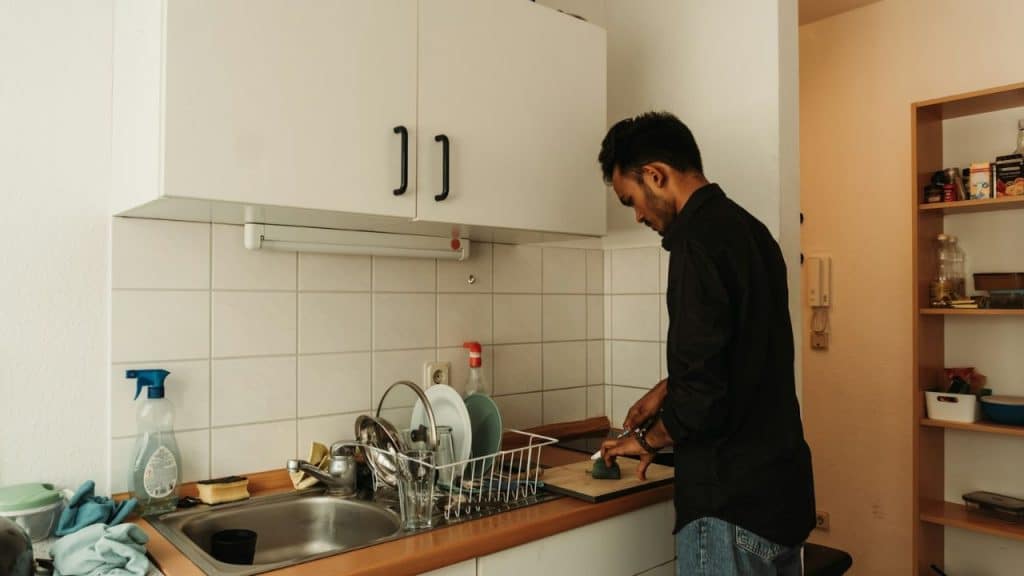
Chores and mental load create surprise friction for many couples. Even if you thought responsibilities were clear, day-to-day tasks can feel uneven. Men often discover unspoken assumptions about who handles what. Talking about division of labor early and revisiting it often keeps resentment low.
Parenting Changes The Entire Equation

Children shift every priority, routine, and budget. Sleep deprivation, new responsibilities, and divided attention leave little energy for each other. Many men are surprised by how much parenting changes their sense of partnership. Staying united, even during exhausting seasons, builds long-term stability.
Daily Life Becomes Routine Faster Than Expected

The excitement of dating feels different once you share the same space every day. Simple habits like cooking dinner or running errands together can start to feel like a loop if you do not plan variety. Without deliberate effort, evenings blend into a predictable pattern that can make both partners restless. Recognizing this early helps you build new experiences together instead of falling into autopilot.
Career Pressures Spill Into The Relationship

Work deadlines, travel, and ambition can drain your patience and energy at home. Even if you think you leave stress at the office, your mood and focus often shift once you walk through the door. Men in demanding careers can find it harder to switch gears with their spouse. Setting boundaries and decompressing before family time creates more balance.
In-Laws And Extended Family Dynamics Matter More

Family expectations, traditions, and boundaries become far more real after marriage. Holidays, childcare help, or financial advice from relatives can turn into tension if not handled openly. Many men underestimate how much the extended family influences decisions and time. Clear agreements with your spouse about limits and priorities can protect your relationship.
Your Alone Time Shrinks

Hobbies, workouts, or quiet nights can start disappearing unless you actively protect them. Marriage often means shared schedules and compromises, leaving little room for solo recharge time. Men who thrive on independence may feel restless or frustrated. Planning personal time without guilt strengthens both you and the marriage.
Expectations About Lifestyle Shift With Age
What felt exciting in your thirties might feel draining in your forties. Travel, nightlife, or even how you spend weekends can change without warning. Men often discover that their spouse’s pace of life no longer matches theirs. Regularly revisiting how you both want to live helps avoid resentment.
Shared Goals Are Not Always Aligned

You may assume you both want the same future, but careers, money plans, and retirement dreams can differ. Over time, these differences feel bigger if never discussed. Men often feel blindsided when their spouse’s vision changes. Talking about long-term plans regularly keeps expectations clear.
Friendships Can Fade Or Shift

Marriage changes how you spend your free time, and your social life reflects that. Old friendships may cool off, while new ones form around couples or parenting groups. Men sometimes feel lonely when their old support network drifts. Staying intentional about friendships keeps you grounded outside the marriage.
Career Transitions Can Reshape Roles At Home

Promotions, layoffs, or entrepreneurship can shift who earns what and how time is spent. Men are often surprised by the ripple effect these changes have on power dynamics and daily life. Open talks about expectations keep resentment from building. Sharing the load during big transitions keeps respect intact.
Health And Fitness Habits Affect Both Partners

One partner’s eating or exercise choices can pull the other in the same direction. Over time, small habits add up and influence energy, mood, and intimacy. Men sometimes notice their health slipping along with their spouse’s or vice versa. Setting shared health goals can strengthen both your bond and your bodies.
Romantic Gestures Matter More Than You Think

Grand gestures fade, but small, consistent signs of care carry the relationship. Men sometimes assume their spouse knows they are loved without reminders. Over the years, that silence can feel like distance. Thoughtful notes, planned dates, or simple compliments keep warmth alive.
Your Identity Outside Marriage Still Matters

Some men pour everything into the marriage and lose touch with their own goals or interests. Over time, that creates frustration or a sense of emptiness. Keeping hobbies, friendships, and personal ambitions gives you more to bring back to the relationship. A strong individual life supports a stronger marriage.
Growth Is Not Always In Sync

You and your spouse will change, sometimes in different directions. One may crave new challenges while the other wants stability. Men are often surprised by how this drift feels after years together. Regularly sharing your evolving goals can help you stay connected even when paths differ.
Love Looks Different After Years Together

The rush of early romance transforms into deeper companionship and shared history. Some men feel disappointed at first, thinking the spark is gone. In reality, the form of love has changed, not disappeared. Embracing the quieter but steadier bond helps you appreciate the marriage you have.
You Are Still Responsible For Your Own Happiness

Expecting your spouse to fulfill every emotional need creates frustration for both partners. Men who understand they remain accountable for their own growth and well-being build healthier marriages. Supporting each other is important, but it does not replace self-work. A balanced mindset keeps the relationship from carrying impossible weight.








Ask Me Anything