By the time you hit 50, you’ve seen enough to stop romanticizing how relationships are supposed to work. You’ve lived through the compromises, the arguments, the rebuilds, and the moments where things slowly went sideways. For many men, stepping back from relationships isn’t a dramatic decision or a bitter one. It’s a practical choice shaped by experience, energy levels, and a clearer sense of what actually makes life better. This isn’t about hating love or giving up on connection. It’s about understanding why opting out sometimes feels like the smartest move.
They’re emotionally tired, not emotionally closed

After decades of showing up, explaining feelings, smoothing conflicts, and carrying emotional responsibility, fatigue sets in. Not the kind that goes away with rest, but the kind that builds quietly over years. Many men realize they don’t lack the ability to care—they’re just worn down from constantly managing emotional weight. Stepping away feels less like shutting down and more like finally exhaling. It’s not numbness. It’s recovery.
Divorce changed how they see risk

Once you’ve been through divorce, especially a messy one, relationships stop feeling abstract. Legal fees, asset splits, and long-term financial shifts leave a mark. Love doesn’t just feel emotional anymore—it feels contractual. For some men, the risk no longer matches the reward. That calculation isn’t cynical; it’s informed.
Peace now ranks higher than passion

At 50, chaos loses its appeal. A quiet home, predictable routines, and low emotional friction start to feel like real wins. Passion is great, but peace lasts longer and costs less. Many men notice that being alone is calmer than being in constant emotional negotiation. And calm has its own kind of satisfaction.
They’re tired of explaining themselves

After years of defending routines, priorities, or emotional styles, the patience wears thin. You get tired of justifying why you like things a certain way or why you need space. Being alone removes the need to constantly clarify or compromise your identity. That freedom feels practical, not selfish.
They’ve seen how fast relationships can turn
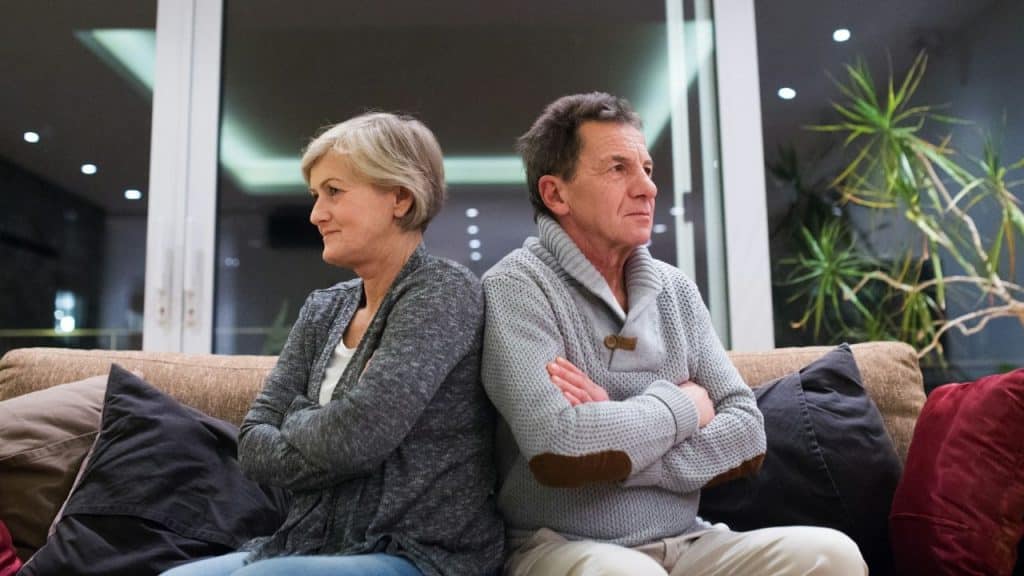
Experience teaches that love doesn’t always end gently. Men who’ve watched affection shift into resentment know how quickly dynamics change. Trust becomes cautious, not because of paranoia, but because they’ve seen the ending credits before. Once you’ve lived that shift, enthusiasm naturally cools.
Modern dating feels exhausting

Apps, endless conversations, unclear expectations—it all starts to feel like work. Dating can feel less like connection and more like performance. Many men decide they don’t want another part-time job that requires emotional interviews and constant availability. Opting out feels efficient.
Effort no longer feels like a guarantee

When you’re younger, you believe effort fixes things. Over time, you learn that effort doesn’t always prevent failure. You can do everything right and still lose the relationship. That realization changes how much you’re willing to invest again. Pulling back becomes logical, not lazy.
They don’t want to rebuild again

Rebuilding after a long relationship takes more than time—it takes identity work. New routines, new spaces, new emotional habits. Doing that once is hard enough. Doing it again at 50 feels unnecessary when stability is finally within reach.
The emotional return doesn’t add up anymore

Relationships take energy. Conversation, compromise, support, adjustment. Many men quietly assess what they’re giving versus what they’re getting. When the balance tips too far, opting out feels like a smart reallocation of resources. It’s not transactional—it’s realistic.
Solitude stopped feeling lonely

Time alone can be uncomfortable at first. Then something shifts. Men discover they enjoy their own pace, thoughts, and freedom. Solitude becomes a preference, not a fallback. Once that happens, the urge to partner up weakens.
They’re tired of being framed as the problem

Over time, some men feel constantly cast as emotionally lacking or insufficient. Always needing improvement, always needing to change. Eventually, that narrative gets old. Stepping away removes the pressure to prove emotional adequacy.
They no longer need to be chosen

Validation hits differently after 50. Being wanted is nice, but it’s no longer essential. Men who feel settled in themselves stop chasing approval. Relationships lose urgency when self-acceptance fills the gap.
They don’t want to renegotiate who they are

Every relationship reshapes routines, priorities, and social circles. At this stage, many men are comfortable with their systems. The idea of renegotiating life terms feels intrusive rather than exciting. Staying solo keeps life stable.
Watching others struggle leaves an impression
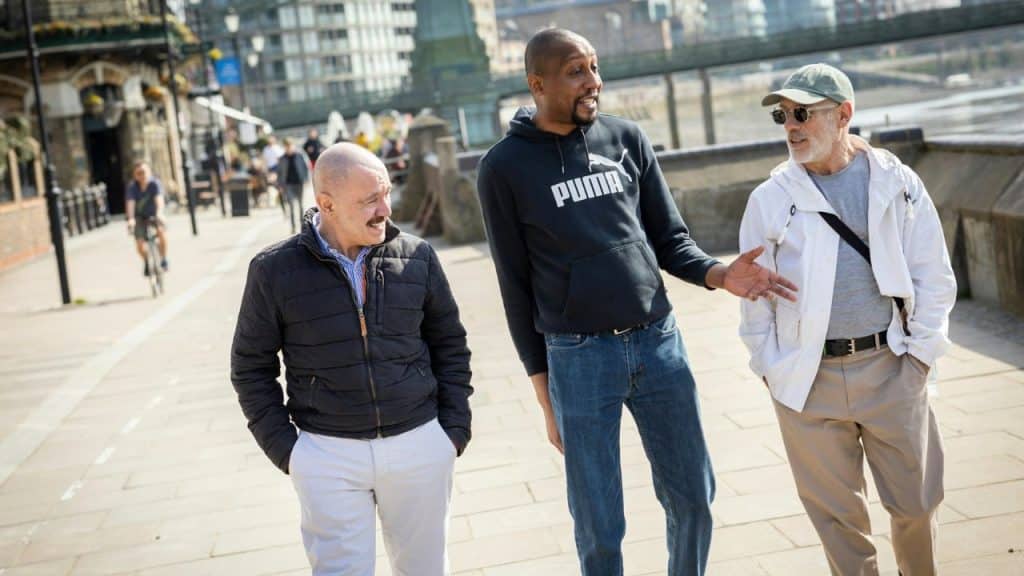
Seeing friends stuck in unhappy marriages or painful breakups reinforces caution. You don’t need to touch the stove to know it’s hot. Observing others’ experiences often confirms personal choices.
Emotional safety matters more now

Drama tolerance drops with age. Men prioritize predictability, respect, and low emotional volatility. When relationships don’t offer that baseline, opting out feels protective. Safety becomes more important than excitement.
They’re not anti-relationship, just selective

Many men aren’t closed off completely. They’re just unwilling to force something that doesn’t fit. If a relationship doesn’t clearly improve life, it doesn’t make the cut. That selectiveness is intentional.
They’ve accepted a different version of fulfillment

Fulfillment doesn’t have to look like couplehood. Friendships, hobbies, work, and personal goals can fill the space just fine. Men who reach this point aren’t missing something—they’ve redefined what enough looks like.








Ask Me Anything