
Marriage today feels more fragile than ever, and the reasons behind it go far beyond what most people assume. While love and commitment still matter, the reality of how couples navigate modern life has changed in ways that make staying together harder than in past generations.
Cultural shifts, new expectations, and the way technology shapes relationships have all played a role. Some of these reasons might feel obvious, while others reveal how much the world has transformed in just a few decades.
1. Rising Cost Of Living

Money problems have always been tough on marriages, but in today’s economy, the stress is relentless. Couples face sky-high rent, ballooning childcare costs, and a grocery bill that keeps climbing. When every paycheck feels stretched, arguments about spending come up faster and cut deeper.
Even couples who love each other can feel pushed to the edge when financial pressure never lets up. Long hours and side hustles add strain, leaving less time to nurture the relationship.
2. Fading Social Pressure To Stay Married

In earlier generations, couples often stayed together out of social expectation. Today, that pressure is nearly gone. People no longer feel trapped in a marriage that’s unhappy or unfulfilling.
With divorce no longer carrying the stigma it once did, many couples feel freer to walk away instead of staying in relationships that no longer work.
3. Unrealistic Expectations About Love

Movies and social media fuel the idea that relationships should be exciting all the time. When real life doesn’t match the fantasy, disappointment sets in fast. Couples start to believe something is wrong when the spark naturally settles into a routine.
This gap between expectation and reality leads to frustration. Many spouses start questioning whether they married the right person, instead of working through the normal ups and downs.
4. Technology Exposing Temptation

The rise of dating apps and social media has made it easy to find attention outside of marriage. A casual message can escalate into something serious before either partner fully realizes it.
This constant access to potential new partners has changed how people view commitment. Even a strong marriage can feel under threat when temptation is always a click away.
5. Career Ambitions Taking Over

Couples today often prioritize career growth, which can leave the relationship on the back burner. Long hours, business travel, and the pressure to succeed pull focus away from the marriage.
Over time, some partners feel like strangers living under the same roof. When work dominates most of life, the sense of partnership begins to slip.
6. Lack Of Communication Skills

Many people never learn how to communicate effectively about problems. Instead of talking things out, they retreat or react defensively, letting tension build.
Misunderstandings pile up, and what started as minor issues turn into major rifts. Without good communication, even small disagreements can feel impossible to resolve.
7. Different Attitudes Toward Parenting
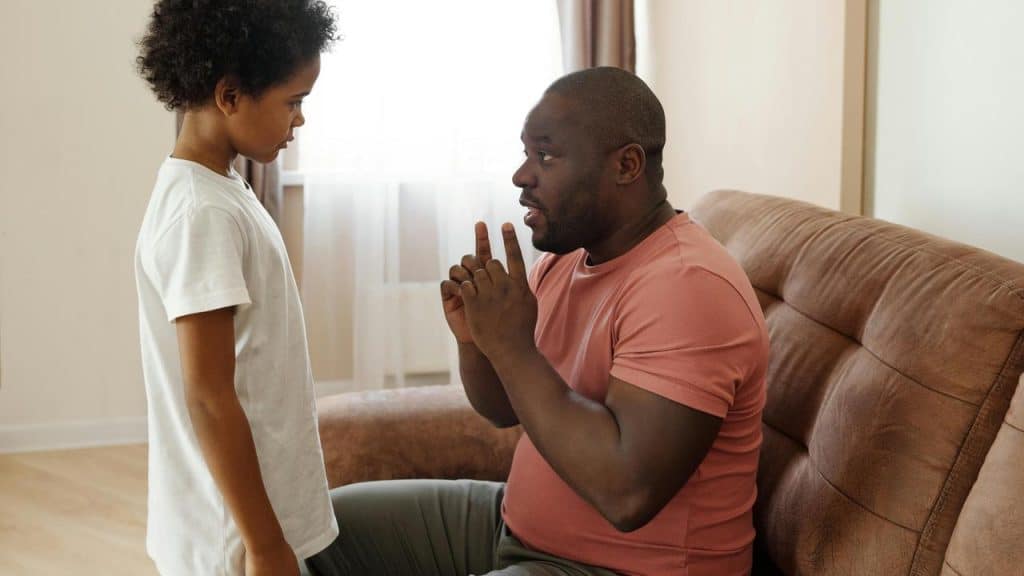
Raising kids has always been a challenge, but today’s parenting debates about discipline, education, and screen time add new layers of conflict. When parents disagree on these big issues, the strain can feel endless.
Children can become the center of every disagreement, pulling attention and energy away from the marriage itself. Couples who can’t find common ground on parenting often see their relationship fray over time.
8. The Rise Of Individual Fulfillment

People today focus more on personal growth than ever before. While self-improvement is positive, it can sometimes make couples feel like they’re growing in opposite directions.
When one partner feels held back or unsupported, the marriage can start to feel like an obstacle rather than a partnership. That sense of being on separate paths can quietly break down intimacy.
9. Waning Intimacy Over Time

Life’s responsibilities often push intimacy to the side. Stress, work fatigue, and health concerns can leave partners feeling distant even if they care about each other deeply.
When intimacy fades for too long, it can breed frustration and disconnect. Couples who avoid addressing it often find the emotional gap widening until it’s hard to bridge.
10. Influence Of Friends And Social Media

People share more about their relationships online than ever before. Seeing curated images of “perfect” couples can make a spouse feel like their own relationship is falling short.
Friends also play a bigger role in encouraging divorce than in past generations. A close friend’s breakup can prompt someone to reevaluate their own marriage.
11. Changing Gender Roles

Traditional gender roles have shifted dramatically, and many couples still struggle to adapt. When expectations about careers, household duties, or parenting aren’t aligned, resentment builds.
Couples who can’t negotiate these changes often find themselves in constant conflict. The pressure to modernize while honoring old traditions can feel overwhelming.
12. Mental Health Struggles

Depression, anxiety, and burnout are far more openly discussed today, but they still strain marriages. When one or both partners struggle with their mental health, the relationship often absorbs that stress.
If couples don’t get support or treatment, emotional distance grows. Many marriages end not because the love disappears but because the challenges feel too heavy to manage alone.
13. Substance Abuse And Addiction

Addiction, whether to alcohol, drugs, or gambling, remains one of the most destructive forces in marriages. It erodes trust, creates financial stress, and often leads to a breakdown in communication.
Many couples try to hold on through the chaos, but if the underlying issue isn’t addressed, the relationship rarely survives in the long run.
14. Infidelity Becoming More Common

Cheating has become easier to hide in the digital age, and many couples face it at some point. The betrayal often creates damage that can’t be repaired.
While some marriages recover through therapy and commitment, for many, infidelity becomes the final breaking point that leads to divorce.
15. Cultural And Religious Differences

In a more diverse society, couples from different cultural or religious backgrounds marry more often. While that can be enriching, it can also spark conflict over values and traditions.
Disagreements about holidays, raising children, or family expectations can become flashpoints. Without shared understanding, these differences can drive a wedge between partners.
16. Longer Lifespans Changing Commitment

People live longer than ever before, which means marriages often span decades beyond what previous generations experienced. Staying with one partner for half a century brings challenges few couples anticipate.
Some couples grow apart after raising kids or retiring. What felt like a lifelong bond in youth can start to feel strained when decades stretch ahead.
17. Unrealized Expectations Of Marriage
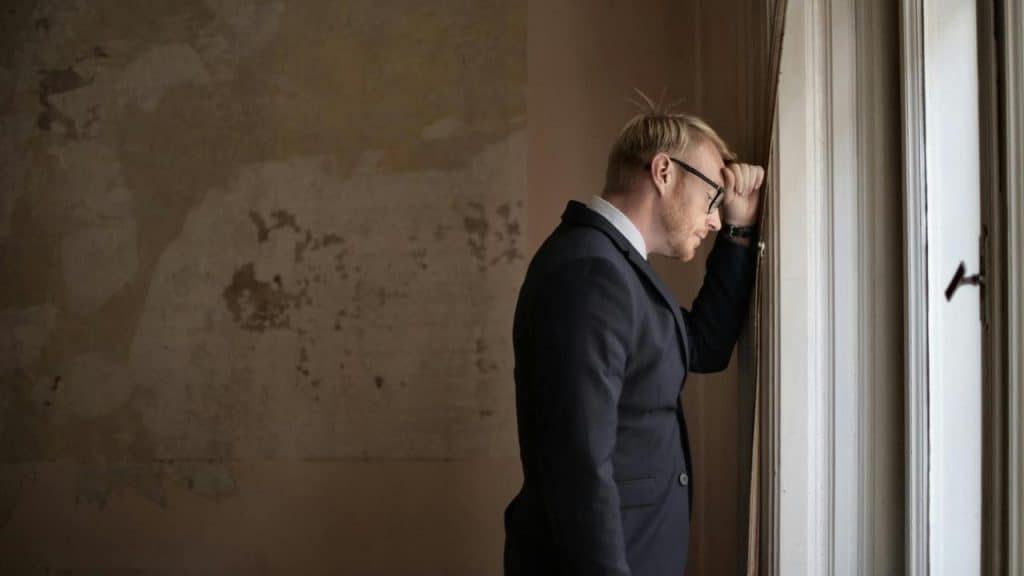
Many enter marriage hoping it will fix their insecurities, fill emotional gaps, or guarantee lifelong happiness. When those expectations aren’t met, disillusionment sets in.
Instead of seeing marriage as a partnership that evolves over time, some people view unmet expectations as proof that the relationship has failed. That disappointment often fuels the decision to end things.








Ask Me Anything