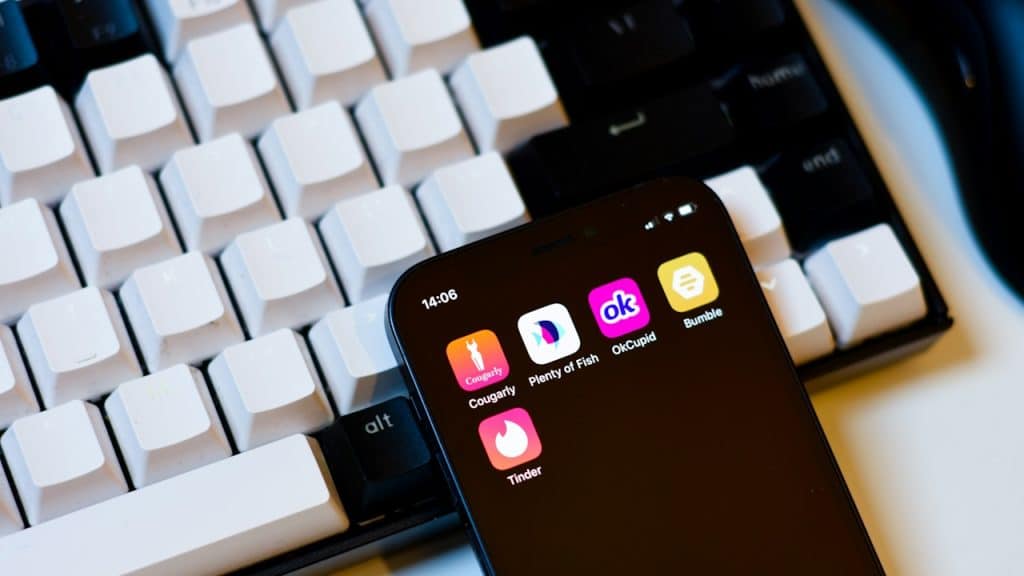
With the dawn of the digital dating era, the way people viewed dating has changed dramatically. People would meet up, get nervous, dress their best, and come prepared when things were simple. Now dating apps have brought convenience to the hunt for someone special. They bring matches right across your screen. Many of these dating apps may paint a rosy picture of the way they work, but the reality is on the contrary for a lot of singles out there. They end up scrolling until they burn out without finding a perfect match. Only a few profiles get all the attention while the rest keep striving for matches, and they rarely succeed. And those who even do find someone often end up in shallow and meaningless relationships. Here are 15 Shocking Truths About Why Dating Apps Are Terrible for Finding Love.
Endless Choices Means Decision Paralysis
While it may appear simple to choose a profile and try matching, the truth is the more options you see, the more tempted you feel to try out a better or best option before you finally settle on one. This endless chase leads to endless scrolling without you reaching any decision. You end up wasting time with no end result.
Superficial Judgments Rule the Game
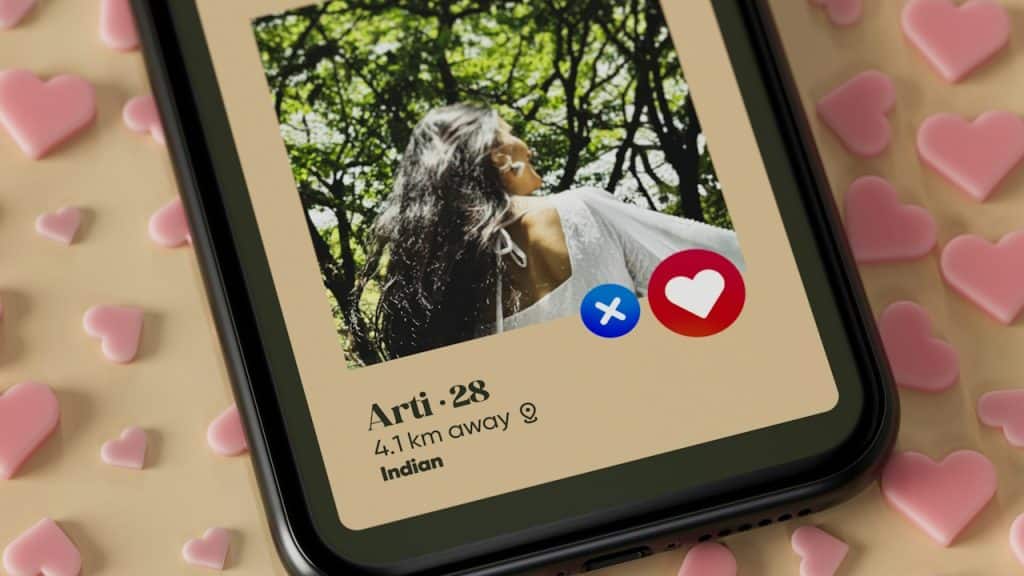
Most apps have rendered human connections and the dating process very shallow or superficial. People judge each other based on specs, profile pictures, or ratings. Instead of connecting over shared values, strong character, and transparency, people value appearances.
The Swipe-Left Mentality
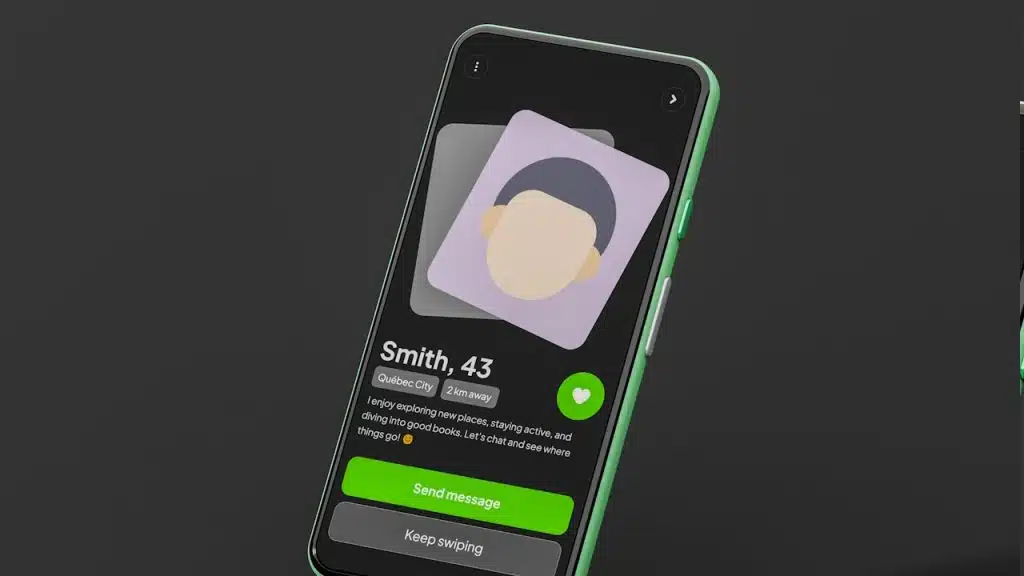
Swipe-and-scroll culture has reduced many profiles to mere options. Many people fail to get any attention or get rejected or overlooked easily because they don’t have an attractive profile. This has made rejection so easy and casual, with people not realising the negative emotional impact it leaves on the person they are treating as an option, only to dump them for a better one once they find it. The digital dating era has taken emotions and empathy away from connections.
Ghosting and Fading Are the New Norm
Communication barriers or deliberate disconnects are a norm now. Many people end up getting ghosted mid-conversation by a match they thought was just the right person for them. It gets hard to move on without closure, as you are left uncertain and self-doubting about what act of yours caused them to vanish like this. This leads to shattering your self-confidence and sense of self-worth. Every new connection hyper-alerts your brain, and you start perceiving people or connections as a risk or threat to your emotional world.
Apps Can Feel Addictive, By Design
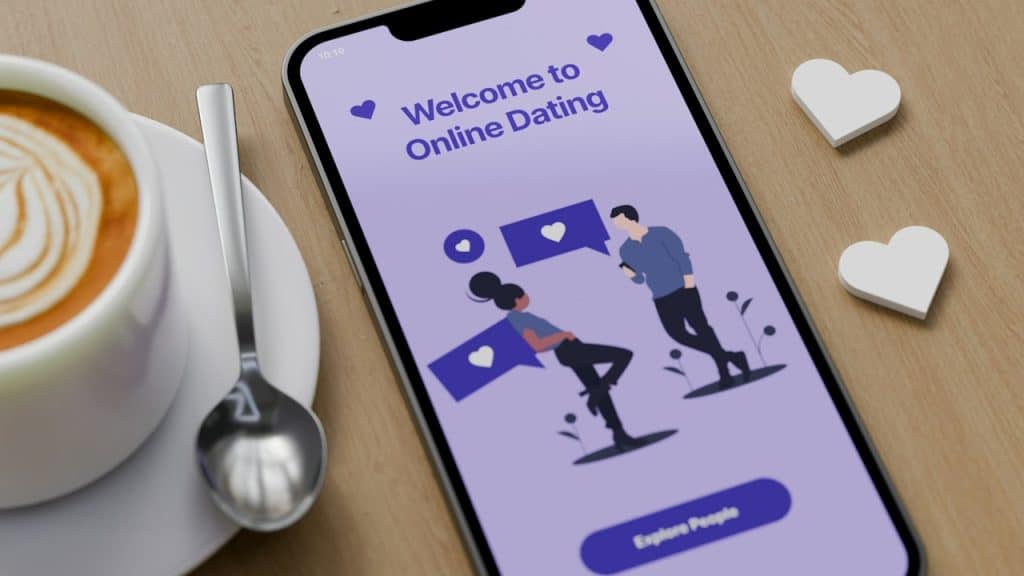
Dating apps thrive on engagement, so they play all the tactics to keep the traffic coming. They ensure the apps are interesting enough to give you a dopamine boost every time you use them. You want to feel that excitement again. To the creators, finding true love or emotional intimacy was never the goal. It’s a business that grows on helplessness and dependency.
Algorithms Optimize Engagement, Not Love
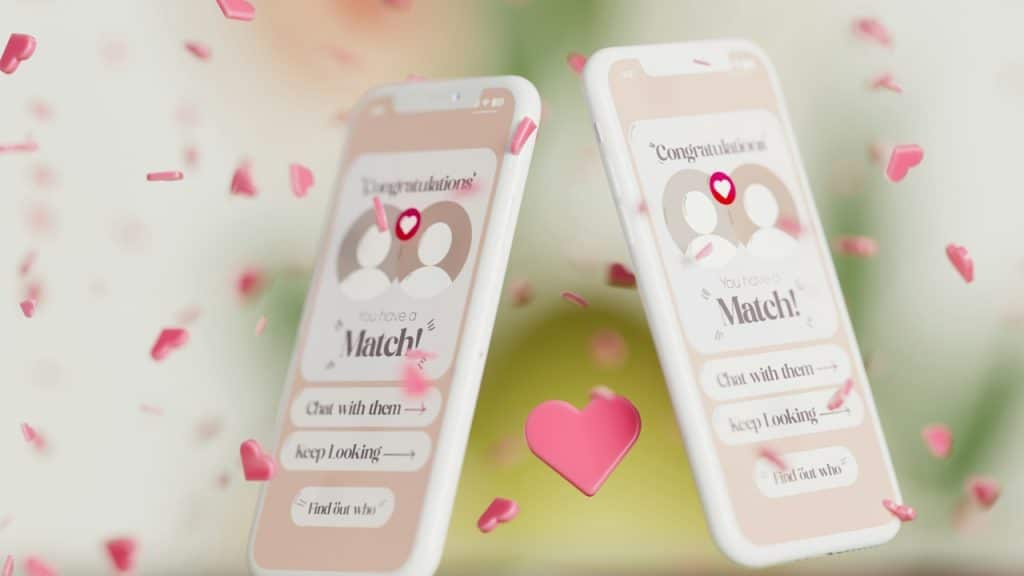
Another trick these apps play with the mind is the list of recommendations they give you. This system is not designed to find your perfect match; rather, it’s designed to keep you engaged and scrolling, which benefits them.
Emotional Burnout Is Real
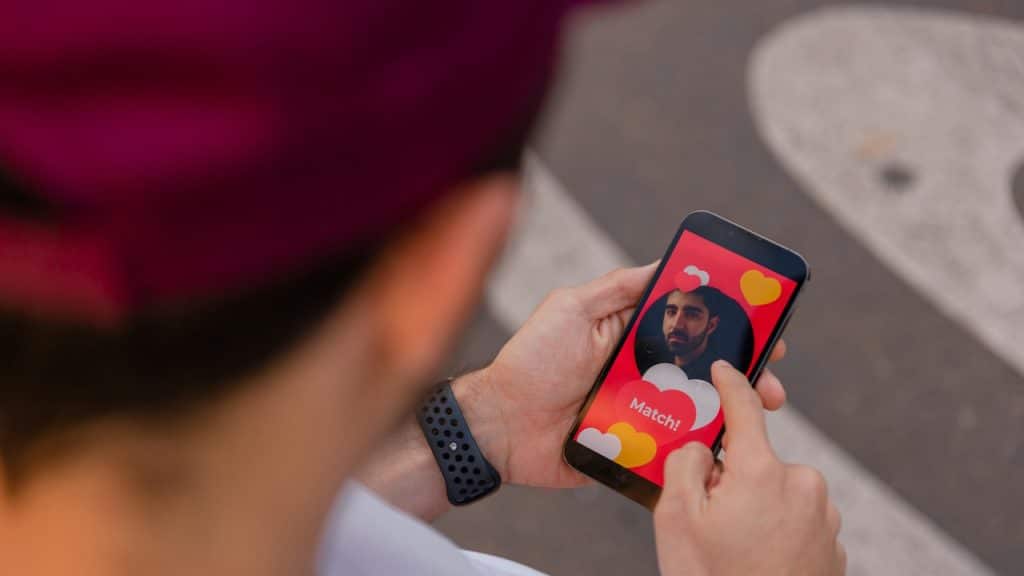
Many people may not understand the magnitude of emotional damage this dating culture has brought to millions of users. Some get no attention at all, some keep scrolling for a perfect match, some get ghosted midway, some get rejected without any reason, and some get emotionally drained from the same old conversations without reaching any conclusion.
Safety Concerns Can Undermine Trust
Although these apps promise transparency, there is no real check and balance. A lot of people form fake profiles, add fake pictures, or enter fake details about themselves just to attract more matches. This makes scamming a common occurrence on these platforms and erodes people’s trust in their reliability.
Monetization Often Trumps Matchmaking
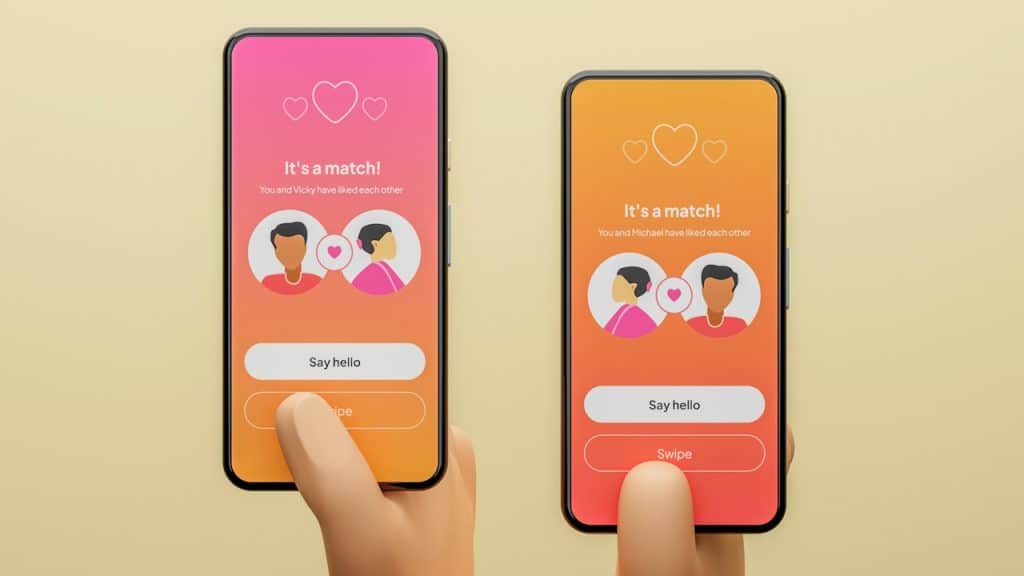
Many users get trapped by “premium features” that seemingly promise better prospects at finding a great match. But the end result is the same, and they end up paying more for the same grueling hunt for a perfect date. Spending doesn’t guarantee authenticity.
Communication Lacks Depth
Online communication, with planned and well-thought-out responses, can never substitute the spontaneity and chemistry of in-person conversations. This leads to a dilemma: you can text all you want but never feel the emotional depth that live conversations offer. Online shallow communication gives little chance for genuine connections to grow.
The Illusion of Connection
People embellish their profiles and feel great when they receive more views or likes, but many users later realize they weren’t finding better matches. Instead, the pleasure of likes and views elevated their mood. This created a false sense of connection, where validation replaced real bonding.
Declining User Satisfaction Worldwide
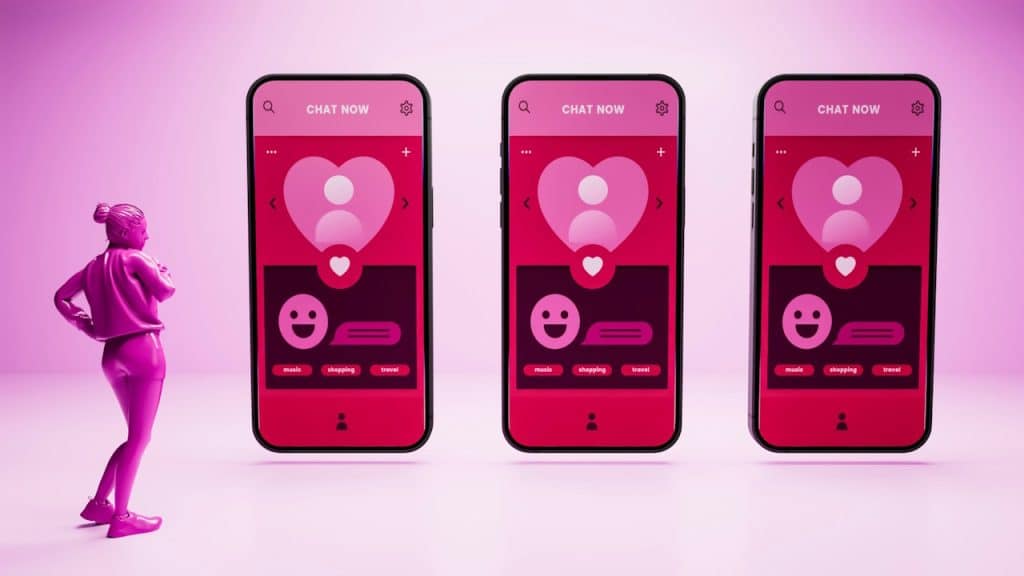
Recent surveys and trends around dating have revealed the truth about these apps. A high percentage of disgruntled users are abandoning them altogether, citing failure in helping people find real connections.
Younger Generations Are Ditching Apps
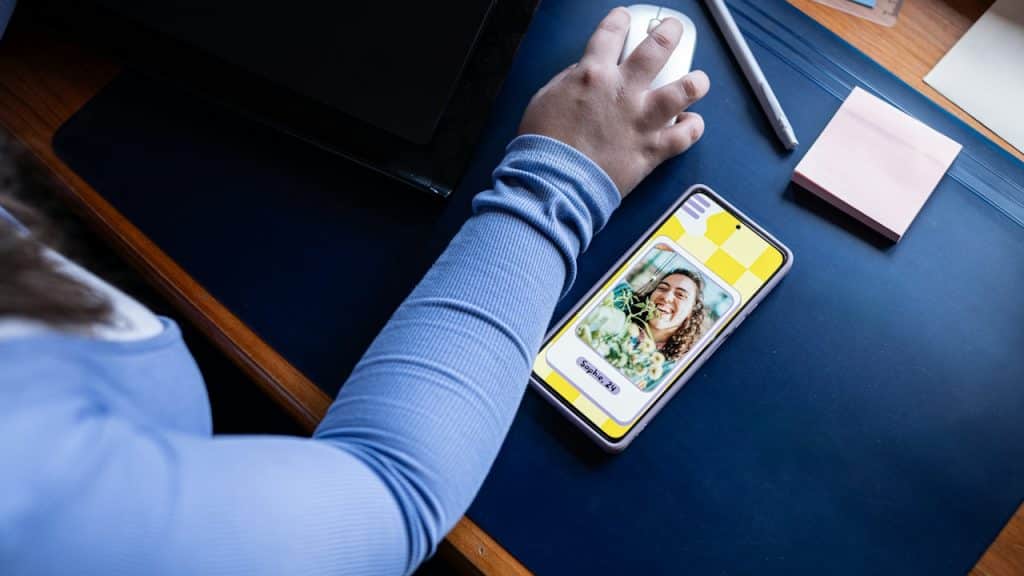
Gen Z is breaking stereotypes in many ways. They are consciously stepping away from online dating culture and seeking real connections offline in more natural ways.
Hormones and Stress Get Tangled in the Process
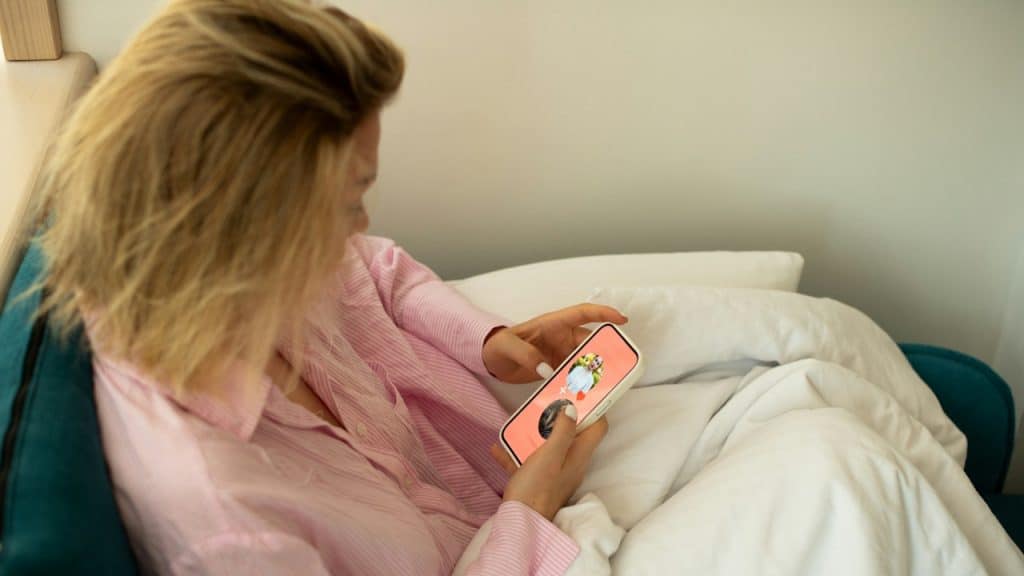
Recent research into online dating trends has revealed that dopamine and cortisol release associated with the highs and lows of dating apps can negatively impact libido and overall mental health.
Authenticity Gets Lost in the Crowd
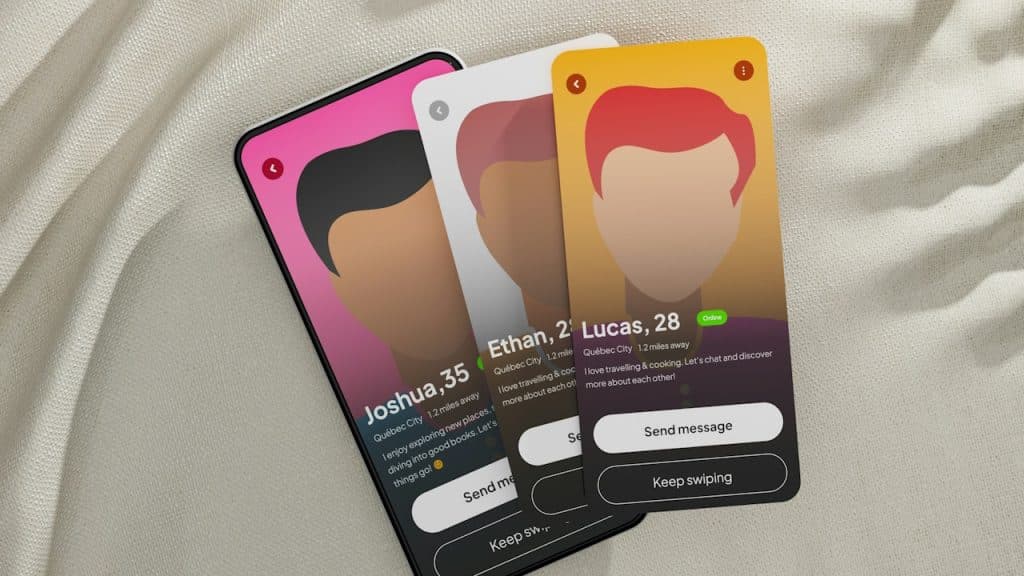
With most people carefully choosing filtered photos and polished personal information, users often get attracted to the idea of a perfect person rather than the real individual behind the screen.
Final Thoughts
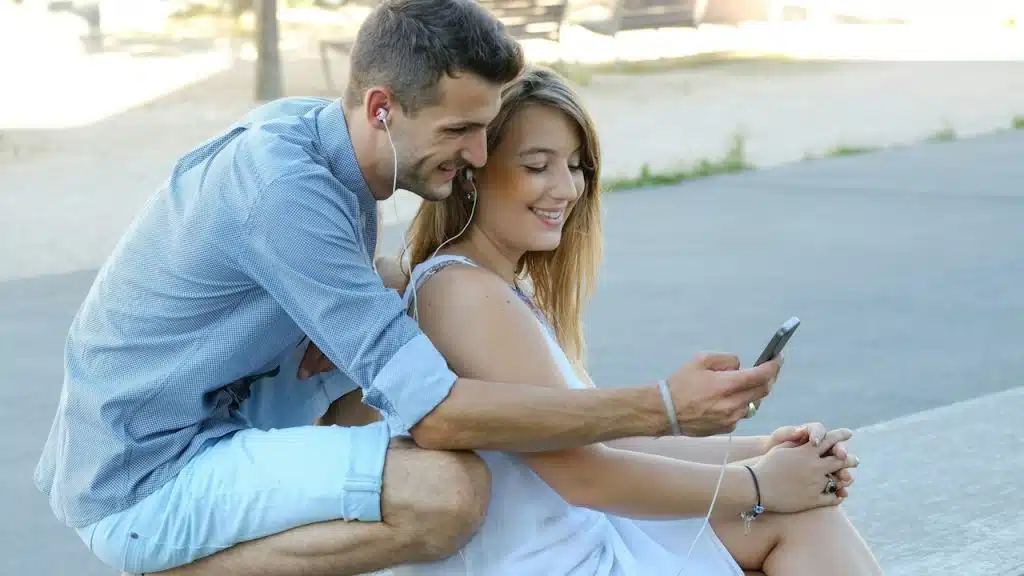
Dating apps can’t be labelled as all bad or all good. The benefits or drawbacks depend on how you use them. If your usage is moderate, you don’t over-rely on polished bios, and you can see through the ease people have in hiding behind a screen, you may benefit from them. But if you crave attention, seek excitement through likes, fall for perfect profiles, or feel deeply affected by rejection or ghosting, online dating may do more harm than good. If you feel more emotionally drained than fulfilled, it may be time to seek love in more organic ways. Use apps only as a tool to connect initially, then prioritize in-person meetings. Finding a match can start online, but building a genuine connection should always be a personal effort.






Ask Me Anything