
Life in your 50s is a strange mix of freedom and new challenges. Careers shift, health takes more attention, and the kids are grown, leaving space that can either bring you closer or create distance. Most couples don’t break apart because of huge fights, but from small, unspoken shifts that stack up over time. You might not even realize it’s happening until the connection feels different. Consider these as early warning signs and a chance to course-correct, not a tally of problems.
Different Approaches to Aging

Some people lean into change and make the most of it, while others resist and hold on to the past. This difference can cause tension if one partner feels the other is “slowing down too soon” or “acting too young.” Understanding and respecting each approach helps bridge that emotional gap.
Different Retirement Visions
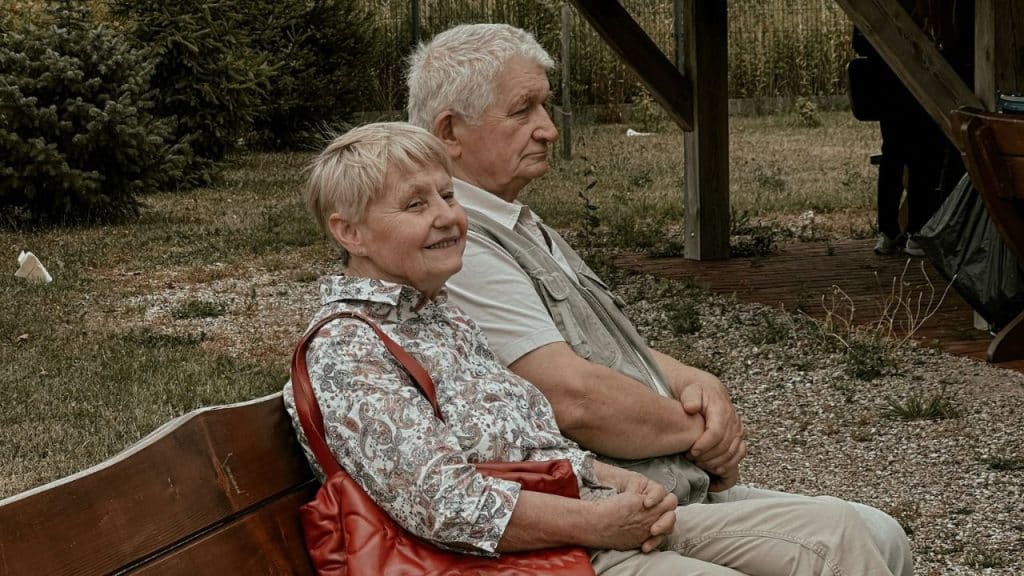
One partner dreams of traveling the world, the other wants a quiet home base. These visions can clash if they aren’t talked through well before retirement arrives. It’s easy to assume you’re on the same page until plans are already set in motion. Laying out expectations early helps prevent silent frustration later.
Routine Becomes Monotony

Comfort can be a blessing, but too much of it can dull connection. When days look the same and there are no new shared experiences, the bond stops growing. Many couples in their 50s fall into a pattern where every week feels like a copy of the last. Without intentional variety, conversations dry up because nothing new is happening. Even small changes, like trying a new hobby together or breaking a habit, can breathe life back into the routine.
Over-Focus on Individual Independence

Independence is healthy, but too much of it can create separation. When hobbies, interests, and routines become entirely solo, shared experiences shrink. This can make the marriage feel like two parallel lives instead of one connected one. Making room for “we time” keeps the partnership intact.
Different Energy Levels

One partner might be ready to hike, travel, or start new projects, while the other prefers slow mornings and quiet afternoons. This difference can feel small at first, but eventually leads to mismatched lifestyles. Resentment can creep in if one person feels held back or the other feels pressured. Recognizing this early lets you find the middle ground instead of drifting apart. Balancing energy doesn’t mean doing everything together, but it does mean showing interest in each other’s pace.
Physical Intimacy Declines

Physical closeness isn’t just about sex. It’s about the small touches, hand-holding, and spontaneous affection that make you feel connected. Over time, these can fade if they aren’t kept alive on purpose. Many couples assume the bond is still there without realizing how much those small moments matter. Making the effort to keep physical affection alive keeps the emotional side stronger, too.
Financial Pressures or Misalignments

Money stress doesn’t vanish after 50. Retirement planning, healthcare costs, and spending differences can spark quiet tension. Some couples avoid talking about it to keep the peace, but that leaves resentment to grow in the background. Being upfront about financial priorities, even if uncomfortable, is better than letting it sit unspoken. Clarity now can prevent much bigger problems later.
Unaddressed Health Issues

When one partner is dealing with ongoing health concerns, whether physical or mental, it can change the dynamic in the relationship. Energy levels, mood, and patience can shift without either person meaning to cause harm. If health challenges are kept quiet or brushed off, they become silent barriers. Honest conversations and mutual understanding can keep these issues from creating emotional distance.
Drifting Social Circles
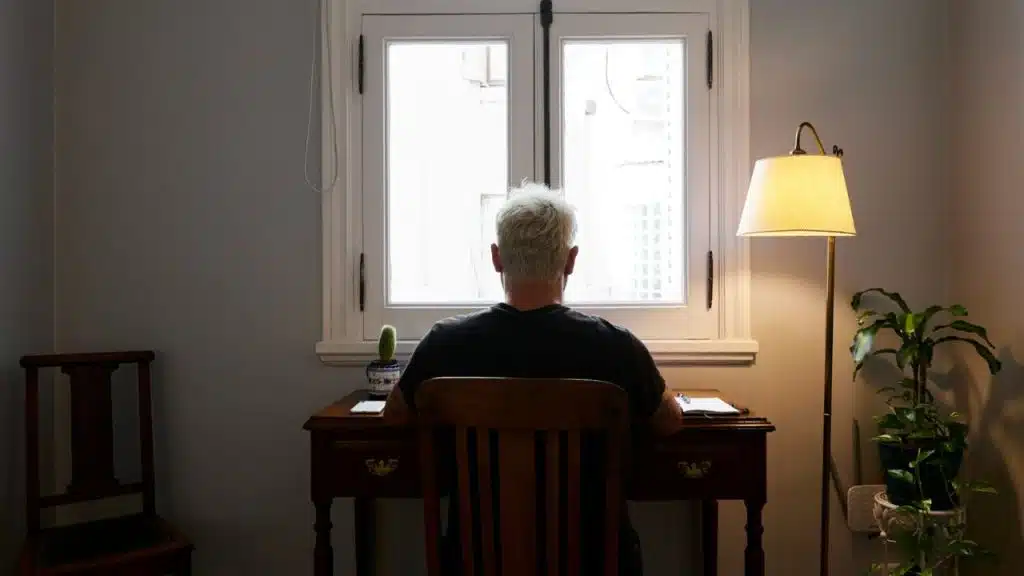
Friendships and hobbies often evolve in midlife, but if yours go in completely different directions, it can shrink your shared world. When your social lives no longer overlap, you lose natural chances to connect. This isn’t about having all the same friends, but about keeping enough common ground. Making time for shared social moments helps maintain that link.
Empty Nest Shift

Raising kids gives a marriage a shared purpose for decades. Once they’re gone, some couples struggle to figure out who they are together without that role. The silence at home can feel freeing or unsettling, depending on how prepared you are. Using this time to explore new shared goals can keep the connection strong rather than allowing it to fade.
Unresolved Old Conflicts

Some arguments never truly end. They get buried under years of routine until something small brings them back up. When old resentment isn’t addressed, it can quietly influence how you see each other. Facing these issues directly, even if uncomfortable, can stop them from poisoning the present.
Communication Becomes Functional

When conversations only cover errands, bills, or schedules, emotional connection fades. Without deeper talks, you stop learning about each other’s thoughts and feelings. It’s easy to think you know your partner inside out after decades, but people change. Making space for meaningful conversations keeps the relationship from feeling like a business arrangement.
Technology Distraction

Phones, streaming, and separate online worlds can slowly replace time spent together. You might be in the same room, but in completely different realities. Over time, this can make you feel like roommates instead of partners. Setting boundaries around tech use can bring back actual connection.
Neglecting Shared Goals

Without a common project or vision, a relationship can feel like it’s coasting. Goals give you something to work toward together, whether it’s a trip, a renovation, or a joint business idea. Without them, the spark of teamwork fades. Even small goals can bring back a sense of shared purpose.
Changing Physical Appearance and Confidence

Aging changes how you see yourself and how you think your partner sees you. If confidence drops, intimacy and openness can follow. Many avoid talking about these feelings, which creates misunderstandings. Reassurance and honest conversations about attraction can keep the bond steady.
Caregiving Stress

Caring for aging parents or helping with grandkids can drain time and energy. It can also shift priorities, leaving less focus on the marriage. Without acknowledgment, one partner can feel neglected or overwhelmed. Supporting each other through caregiving roles helps protect the relationship.
Loss of Curiosity About Each Other
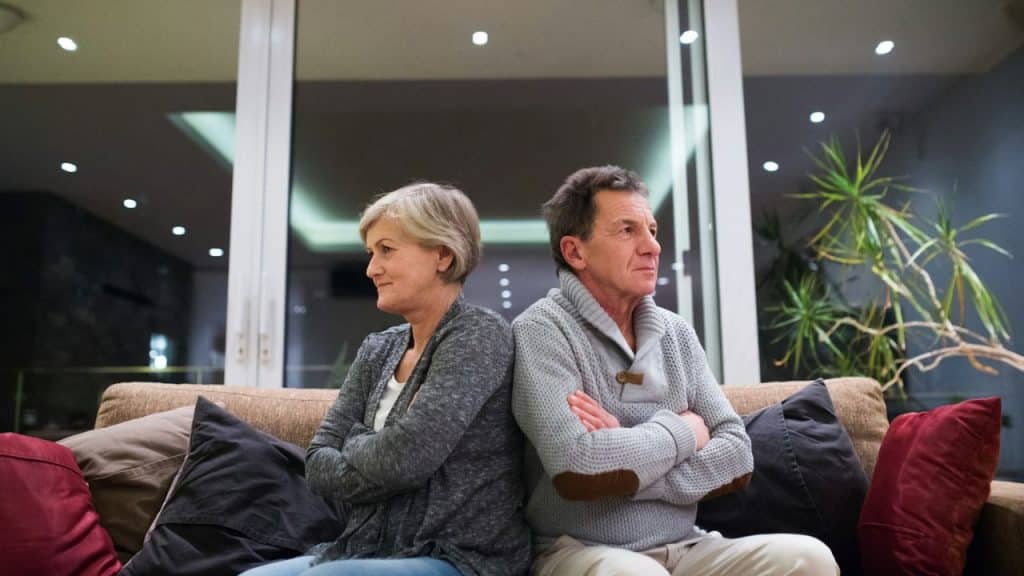
After decades together, it’s easy to assume you know everything there is to know. But people keep changing, even in their 50s. When you stop asking about dreams, ideas, or feelings, you stop discovering new parts of each other. Staying curious keeps the relationship alive and evolving.
Subtle Emotional Withdrawal

Sometimes, one partner starts keeping small details to themselves. They don’t share their frustrations, joys, or even little daily wins. Over time, that privacy builds invisible walls. Encouraging openness without judgment can break them down before they get too high.
Underestimating Small Acts of Affection

Compliments, thank-yous, and small touches may seem minor, but they hold the relationship together. When these stop, the warmth between partners fades. The absence might not be loud, but it is felt. Bringing back these habits can revive connection in simple, powerful ways.
Assuming the Relationship Is on Auto-Pilot

Long marriages can feel like they’ll run themselves. That belief can lead to neglect. Without intentional effort, closeness slowly weakens until it feels hard to get back. Treating the relationship as something that still needs attention keeps it from fading quietly.








Ask Me Anything