
Forgiveness in marriage is often talked about as if it’s a single moment—an apology offered, a tearful hug, and everything goes back to normal. But anyone who has stayed married long enough knows it’s rarely that simple. Real forgiveness is less about pretending something didn’t hurt and more about choosing not to let that hurt define the future of your relationship.
It’s a process that protects your heart without hardening it. And when done right, it doesn’t just repair damage—it builds a stronger, more emotionally mature bond. If you want a marriage that lasts, learning how to forgive well isn’t optional. It’s essential.
1. Forgiveness Is a Decision Before It’s a Feeling

Waiting to “feel ready” to forgive can keep couples stuck for months or even years. The truth is, forgiveness often begins as a conscious choice long before your emotions catch up. You decide you don’t want resentment to run your marriage. That decision creates space for healing behaviors—calmer conversations, less scorekeeping, more willingness to listen. Feelings eventually follow consistent action. If you’re struggling, start by saying to yourself, “I am choosing not to weaponize this hurt.” That small internal shift is often the first real step toward emotional freedom.
2. It Doesn’t Mean Pretending It Didn’t Hurt

One of the biggest myths about forgiveness is that you’re supposed to minimize your pain. In reality, healthy forgiveness requires you to fully acknowledge the damage. You can’t release what you refuse to name. If something hurt you, say it clearly and specifically. Vague forgiveness leads to repeated resentment. Honest acknowledgment, on the other hand, creates clarity. Healing begins when both partners understand exactly what happened and why it mattered.
3. Accountability Must Come First

Forgiveness without accountability turns into emotional self-abandonment. If your spouse hasn’t owned their behavior, apologized sincerely, or shown understanding of the impact, forgiveness becomes premature. A real apology includes responsibility, empathy, and a commitment to change. If those pieces are missing, address that before trying to “move on.” Otherwise, you’re just burying the problem. True reconciliation requires both grace and growth.
4. Forgiveness Is Not the Same as Rebuilding Trust

You can forgive someone and still need time to trust them again. Trust is rebuilt through consistent, reliable behavior over time—not emotional declarations. If a boundary was broken, new guardrails may be necessary. That’s not punishment; it’s wisdom. Healthy couples understand that forgiveness clears the emotional debt, but trust requires proof of change. Give yourself permission to need both.
5. You Must Release the Scorecard

Resentment often survives because couples quietly keep tallies of past wrongs. Every new conflict becomes an opportunity to re-litigate old cases. If you’ve genuinely chosen to forgive, you have to stop bringing the offense up as ammunition. That doesn’t mean you can never reference it in constructive conversation—but it cannot be used as a weapon. Letting go of the scorecard is what separates real forgiveness from conditional tolerance.
6. Timing Matters More Than You Think

Forcing forgiveness too quickly can backfire. Emotional wounds need space to breathe before they can close. Rushing the process may create shallow peace but deep unresolved tension. Take the time to process your emotions privately before having big conversations. Journal. Talk to a trusted friend. Pray or reflect. When you return to the discussion grounded rather than reactive, forgiveness becomes sustainable instead of fragile.
7. Boundaries and Forgiveness Can Coexist

Many people fear that forgiving means tolerating repeated behavior. It doesn’t. You can forgive and still say, “That cannot happen again.” Boundaries are not revenge—they’re protection. In fact, clear boundaries often make forgiveness possible because they restore safety. When both partners understand what is acceptable and what isn’t, healing has structure instead of chaos.
8. Forgiveness Requires Emotional Regulation

You cannot forgive well if you’re constantly emotionally flooded. Learning to calm your nervous system—through breathing, pausing, or stepping away temporarily—prevents you from saying things that create new wounds. Emotional regulation doesn’t mean suppressing feelings; it means expressing them without destruction. Mature couples don’t avoid conflict—they manage it wisely.
9. Empathy Changes the Dynamic

At some point in the forgiveness process, you have to try to understand—not excuse—the other person’s perspective. What was going on inside them? What fear, stress, or immaturity contributed to their behavior? Empathy doesn’t erase consequences, but it softens bitterness. When both partners feel understood, defensiveness lowers. And where defensiveness drops, reconciliation becomes possible.
10. You Have to Forgive the Story in Your Head

Sometimes the deepest pain isn’t just what happened—it’s the narrative you built around it. “They don’t respect me.” “I don’t matter.” “This will always be my marriage.” Those internal stories can keep wounds alive long after behavior has changed. Challenge catastrophic thinking. Ask yourself whether the story is fully accurate or fueled by fear. Forgiveness often requires rewriting the internal script.
11. Repetition Is a Warning Sign

If you find yourself forgiving the same behavior repeatedly without change, that’s not forgiveness—it’s a pattern. Healthy forgiveness includes growth. If growth isn’t happening, a deeper conversation is required. You may need counseling, firmer boundaries, or clearer expectations. Grace should not become permission for stagnation.
12. Self-Forgiveness Is Often Overlooked

In many marital conflicts, both partners carry regret. Maybe you reacted poorly. Maybe you ignored early warning signs. Maybe you stayed silent too long. Part of healing is forgiving yourself for your missteps. Shame keeps you defensive; self-forgiveness keeps you open. When both people release self-condemnation, they show up more humbly in future conflicts.
13. Small Daily Repairs Matter
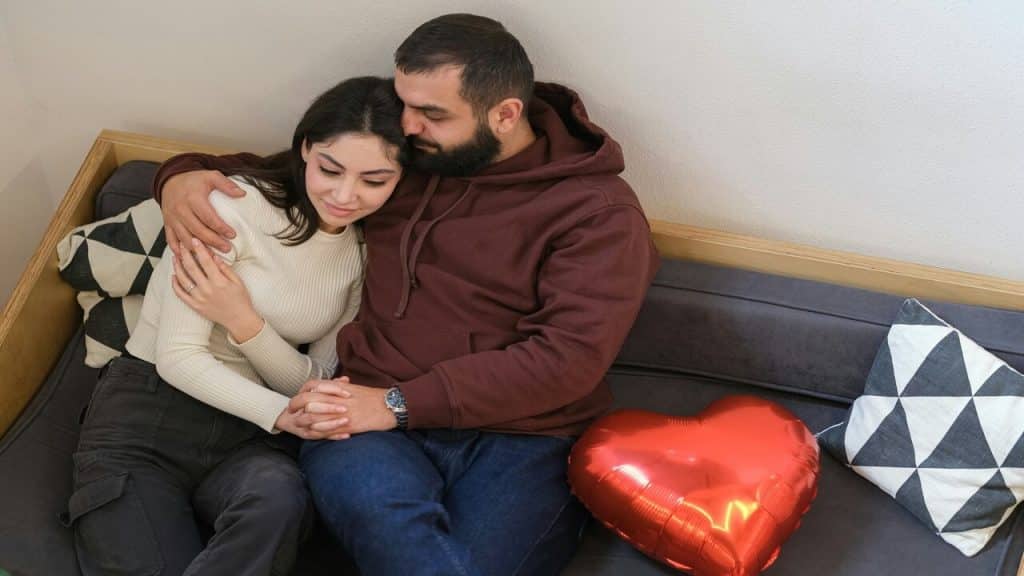
Grand apologies are dramatic, but daily micro-repairs build trust. A thoughtful check-in. A changed habit. A proactive reassurance. Forgiveness deepens when behavior shifts in consistent, quiet ways. Don’t underestimate the power of steady effort. Healing isn’t built on speeches—it’s built on repetition.
14. Sometimes You Need a Neutral Third Party

Some wounds are too layered to navigate alone. A skilled counselor can help translate emotions that feel impossible to express at home. Therapy isn’t a sign your marriage is failing—it’s often a sign you’re serious about protecting it. Getting help can accelerate healing that might otherwise take years.
15. Forgiveness Is a Long Game

You may feel okay one week and triggered the next. That doesn’t mean you failed. Forgiveness often unfolds in layers. Each time the memory resurfaces, you may need to recommit to your decision not to live in resentment. Think of it as strengthening a muscle—it gets easier with repetition.
16. Gratitude Helps Reset Perspective

While you’re working through hurt, intentionally noticing what is still good in your spouse prevents your mind from reducing them to their worst mistake. Gratitude doesn’t deny reality; it widens it. Make it a practice to name specific things you appreciate daily. That shift in focus creates emotional balance.
17. Forgiveness Protects You as Much as the Marriage

Ultimately, forgiveness is less about excusing someone else and more about freeing yourself from carrying chronic anger. Resentment is heavy. It drains energy, intimacy, and joy. When you forgive wisely—with boundaries, clarity, and accountability—you protect your own peace. And a peaceful heart is one of the greatest gifts you can bring into a lasting marriage.
18. Forgiveness Doesn’t Always Mean Reconciliation

One of the hardest truths about forgiveness is that it does not automatically require restoring the marriage. There are situations—chronic betrayal, abuse, repeated deception, or complete refusal to take responsibility—where reconciliation may be unsafe or impossible. Forgiveness, in those cases, becomes about releasing bitterness so it doesn’t consume you, not about resuming the relationship as it was.
You can let go of hatred without reopening the door. In fact, sometimes the most mature expression of forgiveness is choosing peace while also choosing distance. If reconciliation isn’t possible, focus on healing, rebuilding your own stability, and seeking wise counsel. Forgiveness frees your heart; reconciliation requires two willing and healthy participants.








Ask Me Anything