
Marriage isn’t just built on grand gestures–it’s held together by the quiet, invisible acts that often go unnoticed. Many spouses don’t complain or make a big deal about them–but over time, the silence can turn into resentment.
These sacrifices aren’t the things people post about on social media. They’re the daily choices, emotional labor, and self-denials that rarely get thanked but make a huge difference. If more partners understood these hidden sacrifices, they’d probably see their marriage in a whole new light–and maybe say “thank you” more often.
1. Putting Their Own Dreams on Hold

Many spouses quietly push their personal goals aside to keep stability at home–maybe it’s going back to school, starting a business, or moving to a new city. They tell themselves, “Maybe someday,” but someday rarely comes. The world praises sacrifice but often forgets to reward it. Over time, the spouse who gave up their dream might feel left behind while life keeps moving for everyone else. Appreciation isn’t just saying thank you–sometimes it’s actively helping your partner pick that dream back up.
2. Managing the Emotional Temperature of the Home

Someone is always monitoring the “mood” of the house–reading body language, diffusing tension, and keeping everyone calm. That emotional stabilizer doesn’t get a job title, a paycheck, or awards–but their presence keeps the house from turning chaotic. They notice things others miss: a short tone, a worried face, a tired sigh. Emotional labor is exhausting, yet invisible. The quiet stabilizer usually doesn’t ask for recognition–but they need it more than people realize.
3. Always Being the First to Apologize

In many marriages, one person always extends the olive branch first–whether they’re right or wrong. They just want peace, not to “win.” But constantly being the peacemaker can be draining. Being the one who always bends eventually feels like being the only one who cares enough to keep the relationship intact. Real appreciation means making effort mutual–apologies shouldn’t always be one-sided.
4. Silently Carrying Financial Anxiety

Sometimes one spouse quietly tracks every bill, calculates every expense, and does late-night math in their head while everyone else sleeps. They might never say how much pressure they feel–especially if they don’t want to worry the rest of the family. Financial stress is one of the heaviest burdens in marriage, yet the one managing it is often seen as “just doing their job.” A simple conversation or shared responsibility can lift a massive emotional weight.
5. Dealing With Family Drama So Their Spouse Doesn’t Have To

One partner might constantly smooth things over with in-laws, protect boundaries, or solve family conflicts without their spouse even knowing. They act as a shield, trying to prevent tension from reaching the household. This kind of emotional buffering can be exhausting–especially when no one acknowledges it. When someone protects your peace from behind the scenes, that’s a major act of love.
6. Taking On the Mental Load of Everything

Remembering birthdays, planning meals, scheduling doctor’s appointments, tracking school events–someone in the marriage becomes the “family hard drive.” They don’t complain. They just keep everything running. But this mental load often goes unnoticed–until one day, they burn out. Appreciation looks like sharing responsibility–not waiting until exhaustion forces a wake-up call.
7. Losing Their Personal Identity Over Time

Some spouses stop seeing themselves as individuals and only exist as “the parent,” “the husband,” or “the wife.” Their hobbies fade, their social life shrinks, and their personality slowly becomes tied to household roles. It happens quietly–and many don’t realize it until it’s already gone. A healthy marriage allows space for individuality–not just shared titles.
8. Accepting Less Romance Than They Hoped For

Some spouses settle for less passion or intimacy than they once dreamed of–telling themselves that “this is just what happens after marriage.” But quietly lowering expectations doesn’t mean the desire disappears. They just stop voicing it. What they really want isn’t grand romance–just small, intentional effort that proves the spark still matters.
9. Being the Emotional ‘Dumping Ground’

Some partners become the safe place for every rant, complaint, and worry–but rarely get asked how they feel. They absorb negative energy like a sponge, not because they’re unbothered–but because they care. The problem is, empathy isn’t infinite. If no one refills them emotionally, even the strongest person eventually runs dry.
10. Compromising Personal Habits for Harmony

Maybe they love waking up early, eating a certain way, or organizing things just so–but they adjust for the sake of the relationship. They compromise quietly, thinking it’s no big deal. But every small change adds up, and after years, they may not even recognize their own preferences anymore. Appreciation means noticing the effort–not assuming it was easy.
11. Showing Up Even When Exhausted

Some spouses never call in sick emotionally–they keep the house running, support the family, and remain dependable even when running on fumes. They don’t cancel plans. They don’t take “me days.” But being the reliable one often comes with being taken for granted. A simple “I see how hard you’re trying” can mean the world.
12. Keeping Their Pain Private

Many people in marriages go through struggles–health issues, insecurities, anxieties–but choose not to say anything because they don’t want to add stress to the relationship. That quiet bravery is often mistaken for strength when it’s really sacrifice. Sometimes they don’t need solutions–just someone to ask, “Are you okay?”
13. Making Their Partner Look Good in Public

They defend their spouse, compliment them, and support them around others–even when things at home aren’t perfect. They choose respect over ego. But this protective loyalty doesn’t always get reciprocated. Public support is a silent love language–and when it only flows one way, it stings more than people admit.
14. Doing the Little Things No One Notices

Filling the gas tank. Restocking the fridge. Cleaning up before anyone wakes. These tiny acts are easy to miss–but they keep life running smoothly. When routine becomes invisible, effort becomes invisible too. Gratitude shouldn’t just be for the big moments–the marriage is built on the little ones.
15. Staying When Things Get Difficult

Every marriage has hard seasons–and choosing to stay and work through them is one of the most unappreciated sacrifices there is. The world praises leaving more than staying. But perseverance is its own form of love. Not everyone walks away–some quietly fight to make things better.
16. Protecting the Kids From Tension
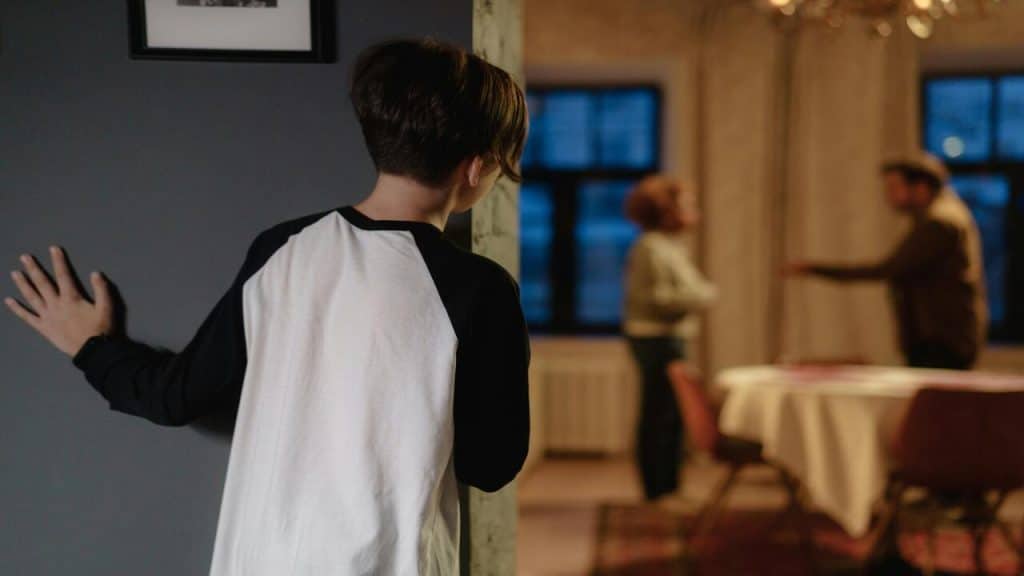
Some spouses act as a filter–making sure arguments don’t spill over to the children. They choose silence over confrontation, and diplomacy over honesty. They might not get credit for it, but every time they choose peace over venting, they’re protecting a childhood. That sacrifice isn’t loud–but it’s powerful.
17. Choosing Love Even When It’s Hard

Love isn’t always a feeling–it’s often a decision. Married people say one of the biggest unspoken sacrifices is choosing to love even on the days it doesn’t feel easy. That choice rarely gets applause–but it keeps marriages alive. Sometimes the most heroic acts in marriage are quiet, steady choices, repeated over years.








Ask Me Anything