
So you’re dating a woman who has kids, and you’ve got kids too. Blending two sets of kids under one roof is not the same as moving in with someone who just owns a dog and a diffuser. This is real-life, real-stress, real-reward stuff.
Studies show blended families take 2–5 years to fully adjust, which tells you this isn’t a casual decision. Before you jump into the deep end, you need to ask the kind of questions that protect your sanity, her peace, and the emotional stability of both sets of kids.
How Well Do Your Kids Get Along With Hers?

This is the biggest question because if the kids clash hard, no amount of candlelit dinners will fix the chaos. You need to observe how they interact in real settings. Look for signs of respect, play compatibility, and willingness to share space.
Research shows sibling-like conflict in blended families is one of the top reasons cohabitation breaks down. If the kids constantly compete, fight, or feel threatened, daily life becomes emotionally draining.
Are Your Parenting Styles Even Remotely Compatible?

If you’re a “let them fail to learn” parent and she’s a “hover like a drone for safety” parent, get ready for clashes. You need to understand how she handles rules, discipline, screen time, homework, and chores.
Inconsistent discipline increases stress in kids and decreases household stability. You don’t need identical styles, but you do need shared agreements, otherwise your home becomes a battlefield.
How Much Involvement Does Each Co-Parent Have?
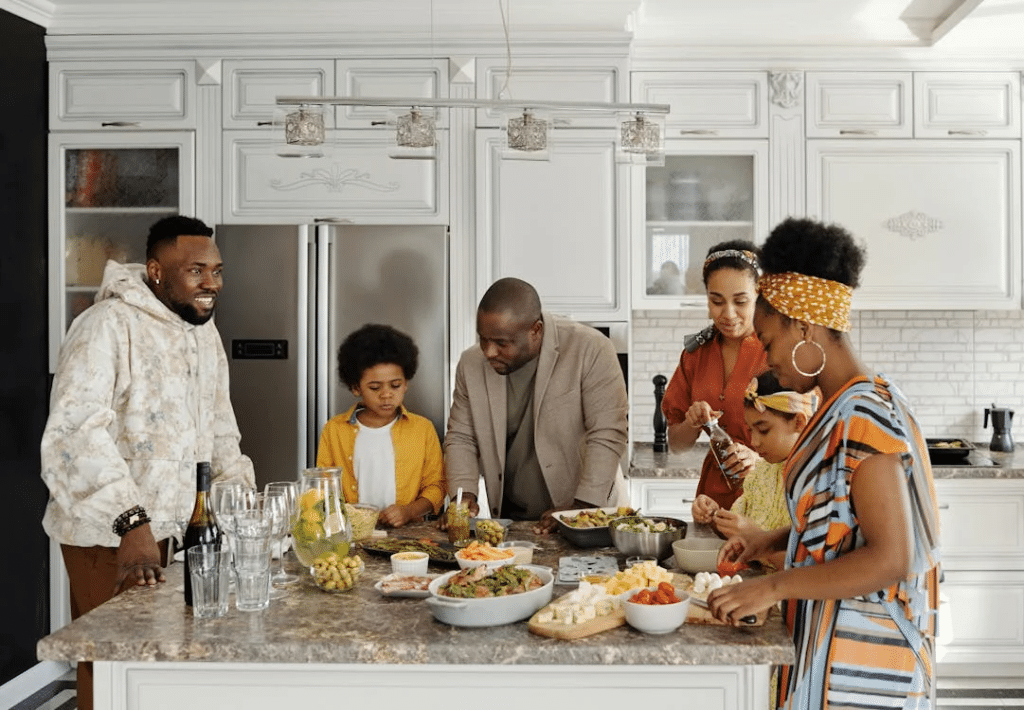
If both of you have exes in the picture, this becomes a four-way parenting ecosystem. You need to know how often the other parents are involved, how cooperative they are, and how communication is handled. High-conflict co-parents can disrupt your household with last-minute changes or emotional tension. Meanwhile, totally absent co-parents put more responsibility on you two.
What Are the Custody Schedules?

Two different custody schedules can create a logistical nightmare. You could end up with a house that feels full one week and empty the next. Or worse, your “kid-free days” might never align.
You need to know if your rhythms can sync or if moving in means chaos, missed downtime, and constant rearranging. Studies show household stress increases when blended families lack predictable routines.
How Will Responsibilities Be Divided Between Your Kids and Her Kids?

Chores, homework help, rides, bedtime routines. Everything needs a plan. You can’t accidentally favor your kids or expect her to handle everything. Kids pick up on fairness instantly. Unequal workloads or attention can breed resentment that doesn’t go away. Building a clear division of responsibility helps both sets of kids feel valued.
Are You Both Comfortable Disciplining Each Other’s Kids?

This is a major adult conflict zone. Some parents say, “Discipline my kids.” Others say, “Nope, only I handle my kids.” And some pretend to be okay with shared discipline until it actually happens. You need clarity here because nothing stirs blended-family conflict faster than a kid saying “You’re not my dad!” Studies confirm stepparent discipline works only when both adults openly support it.
What’s the Plan When the Kids Fight?

They will fight. It’s normal. But blended-household fights hit differently because loyalties get messy. You both need an agreed conflict-resolution strategy so no one feels ganged up on or unsupported. Mediation, separation, or cool-down time. Pick a plan and stick to it. Kids feel safer when adults handle chaos consistently.
What’s the Space Situation?

Room-sharing can work, but it can also create jealousy, boundary issues, and sleep problems. Teenagers usually hate it. Younger kids may love it at first and then melt down later. You need to plan personal space so each child feels safe and respected. Studies show kids in blended families adjust better when they have private space or personalized areas.
How Will You Handle Different Household Rules?

Your kids may be used to late-night gaming. Hers may have strict bedtime. Your kids may eat on the couch. Hers may eat only at the table. Mixed rules, mixed resentment. You need a unified household rulebook that makes sense for everyone. Otherwise you’ll deal with constant “But why do THEY get to…?” You don’t want to referee rule wars every night.
What Are the Financial Expectations for Both Families?

Blending families increases costs instantly: food, utilities, outings, sports, emergencies. Who pays what? Do you split all kid-related expenses? Do you cover your kids and she covers hers? Money fights are the #1 stressor in blended families. You need transparency. Your budget needs to scale with your reality.
Will You Have Enough Time Together as a Couple?

When both sets of kids live under the same roof, alone time decreases dramatically. You need to ask if you both value couple time and how you’ll create it. Kids thrive when they see a healthy relationship between adults, but that relationship needs intentional effort. You need date nights, quiet moments, and actual bonding even if they happen after bedtime or during lunch breaks.
How Do You Both Handle Stress, Overwhelm, and Burnout?
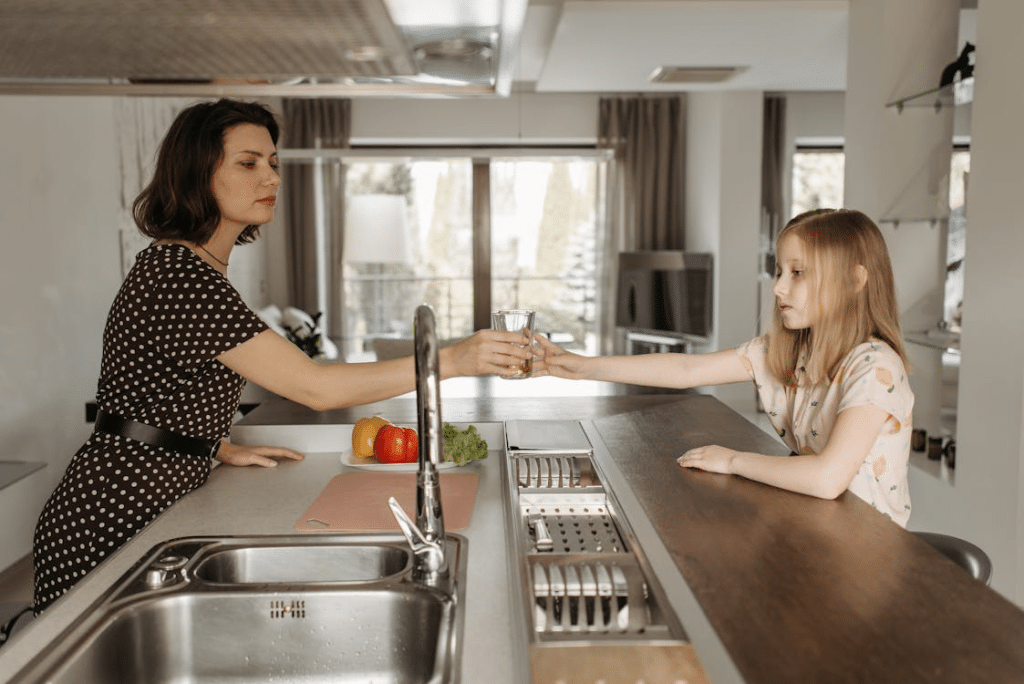
Blending families means more noise, emotions, tasks, and logistics. You need to know how she handles stress, and you need to know your own limits too. Do you shut down? Does she explode? Do both of you talk it out or avoid conflict? Studies show that couples who manage stress as a team report higher stability in blended households.
What’s the Plan for Holidays, Birthdays, and Traditions?
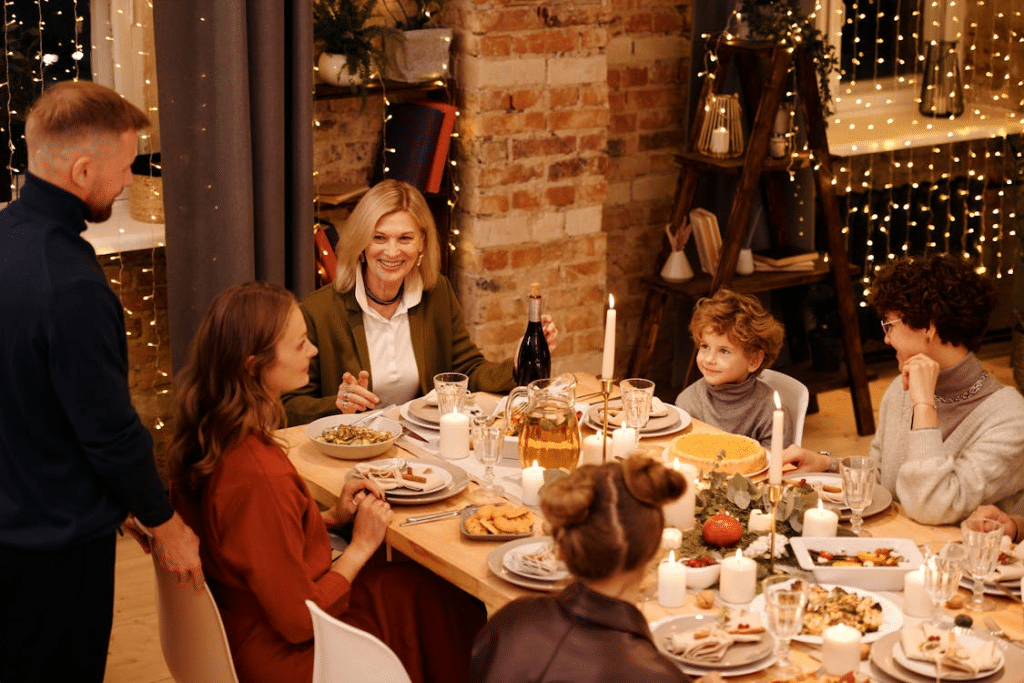
Two sets of kids mean two sets of traditions. Whose traditions do you follow? How do you merge holidays without someone feeling sidelined? Traditions create identity for children, so blending them needs sensitivity. Kids can feel lost when their old rituals disappear without explanation.
How Will You Handle Differences in Schooling, Bedtime, and Daily Routines?

Your kids might wake up at 6. Hers might sleep until 8. Your kids might play sports, hers might do music. If you don’t coordinate routines, mornings and evenings become absolute chaos. Kids need rhythm. Adults need sanity. You need to build a schedule that respects everyone’s needs.
How Will You Protect Each Child’s Individual Needs?

Every kid is different: introverts, extroverts, sensitive kids, independent kids, kids with special needs. You need to ask: Are you prepared to support kids who aren’t yours in ways they need? Is she prepared to do the same for your kids?
Studies show children in blended families do better when each child receives individualized attention. Equality means meeting them where they are.
How Will You Keep Each Child’s Relationship With Their Biological Parent Respectful?

Kids can struggle with guilt, loyalty shifts, and pressure when a new parental figure enters the home. You both need to commit to never trash-talking ex-partners or creating an “us vs. them” dynamic. Kids handle transitions better when they feel free to love both parents without conflict. Hidden loyalty wars can destroy blended homes from the inside.
Are You Emotionally Ready for a Blended Household?
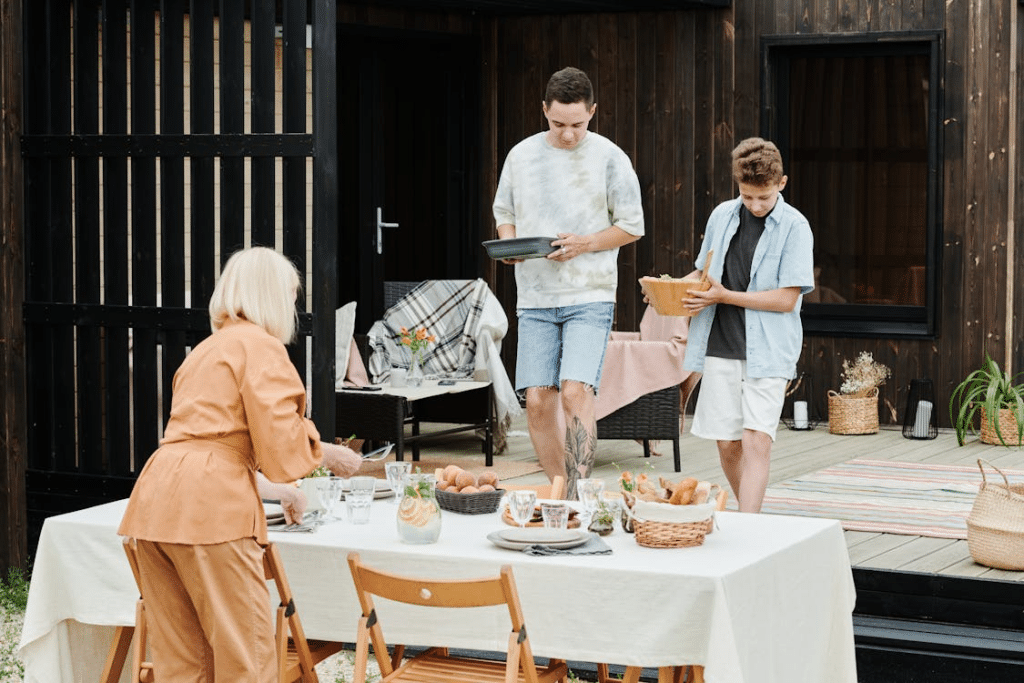
This is the final and most important question. You might love her, but loving someone isn’t the same as being ready to blend families. You need patience, flexibility, humor, resilience, and emotional bandwidth. Some days will feel amazing. Some days will feel like a sitcom gone wrong. Being honest with yourself protects your kids, her kids, and your relationship.








Ask Me Anything