
Most relationships do not collapse from one huge event. They collapse from small problems that get normalised. Couples often delay action because things are functional: bills are paid, routines work, and major fights are rare. But “functional” is not the same as healthy. When issues are ignored long enough, resentment becomes identity and repair becomes harder. The most dangerous problems are the ones that feel tolerable. This list covers common issues couples downplay until the relationship feels empty, tense, or beyond repair.
Constant Low-Level Disrespect

It might not be yelling, but it is tone, sarcasm, eye-rolling, and small put-downs. Couples excuse it as personality or stress. Over time, respect erodes and defensiveness grows. Attraction usually drops when respect drops. The home starts to feel emotionally unsafe. Small disrespect becomes the culture of the marriage. “Not that bad” turns into chronic contempt.
Avoiding Hard Conversations

Couples choose peace in the moment over clarity long-term. They avoid topics like money, boundaries, intimacy, or resentment. That avoidance creates a false calm. The issues still exist, they just move underground. Underground problems grow roots. Eventually, the relationship feels tense even without visible conflict. Avoidance is not harmony, it is delay.
One Person Carrying the Mental Load
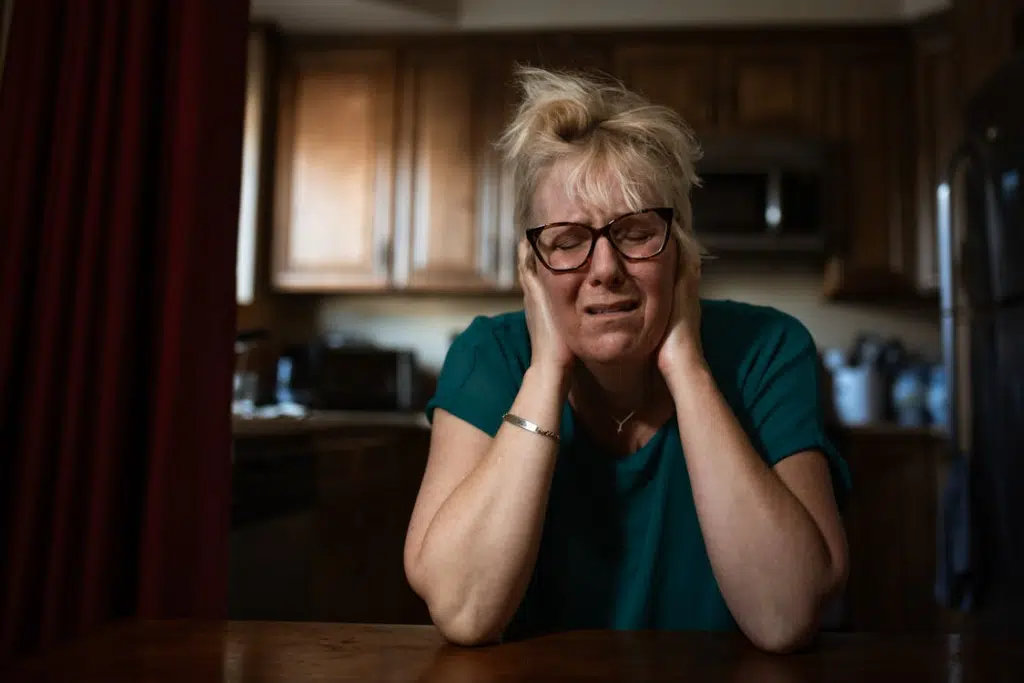
One spouse becomes the planner, organiser, and reminder system. The other helps, but only when asked. Couples downplay it because tasks still get done. Over time, the manager spouse feels alone and exhausted. The other spouse feels criticised and childlike. This dynamic kills attraction because it feels like parenting. “Not that bad” becomes deep resentment. Teamwork disappears quietly.
Apologies Without Behaviour Change

A partner says sorry, the tension drops, and life continues. Then the same behaviour repeats. Couples treat it as normal because “at least they apologise.” But repeated apologies without change train hopelessness. Trust drops because words lose meaning. The relationship becomes a loop of injury and reset. Real repair is observable, not promised. “Not that bad” becomes emotional fatigue.
Emotional Loneliness in the Same House

Couples can live together and still feel unseen. Conversations stay on chores and schedules, not feelings and connection. People stop sharing because it feels pointless. The relationship becomes co-living, not partnership. Loneliness inside marriage hurts more than loneliness alone. Couples ignore it because there is no dramatic conflict. But emotional disconnection is a slow death. “Not that bad” becomes numbness.
Screens Replacing Attention

Phones and streaming become the main evening routine. Couples share a couch but not presence. Small check-ins disappear. Eye contact becomes rare. Attention is one of the main currencies of love. Couples ignore it because it seems harmless. Over time, intimacy fades and resentment rises. Distraction becomes slow neglect.
Money Avoidance and Hidden Stress

Money problems are not only debt; they are secrecy and avoidance. Couples avoid budgets, goals, and honest discussions. They downplay it until a crisis happens. Financial stress then infects everything: trust, respect, and stability. Even small secrecy creates fear. A marriage needs shared planning, not private guessing. “Not that bad” becomes a shock later.
Unequal Effort With No Honest Discussion

One person initiates dates, connection, and repair. The other coasts. Couples ignore it because the relationship still exists. Over time, the initiator becomes resentful and the coaster becomes entitled. Effort imbalance kills romance and respect. The relationship becomes one-sided labour. “Not that bad” becomes emotional withdrawal. The one carrying it eventually stops.
Keeping Score Like a Competition

Couples track who does more and who owes what. They call it fairness, but it becomes bitterness. This mindset makes generosity die. It also makes small mistakes feel like evidence. Teamwork becomes negotiation. The relationship loses softness and starts feeling like a contract. Scorekeeping is a slow poison. “Not that bad” becomes constant tension.
Weak Boundaries With Friends or Family

Family interference is often tolerated to avoid outside conflict. Friends may disrespect the relationship through gossip or bad advice. Couples ignore it because “it’s just family” or “just friends.” Over time, loyalty feels unclear. One partner feels unprotected. Resentment grows quietly. Strong boundaries protect peace. Weak boundaries invite stress.
“Busy” Becoming a Permanent Excuse

Life gets full, but some couples stop making time on purpose. Dates disappear, conversations shorten, and check-ins fade. The relationship becomes something you fit in, not something you build. Couples downplay it because responsibilities feel more urgent. Over time, the bond weakens and feels optional. “Busy” becomes emotional neglect. The marriage becomes low priority by habit.
Unspoken Expectations and Mind-Reading

Partners assume needs should be obvious. They get hurt when the other person does not anticipate them. Instead of asking, they hint, sulk, or resent. Couples ignore this because it seems minor. Over time, misunderstandings become identity: “They never care.” Expectations must be spoken to be fair. Clarity prevents drama. “Not that bad” becomes constant disappointment.
Conflict That Never Truly Resolves

Couples argue, cool down, and move on without repair. The issue returns later under a new topic. Emotional debt builds quietly. Each conflict feels heavier because it carries old pain. Couples accept it as normal marriage friction. But unresolved conflict becomes chronic resentment. Repair is what makes conflict safe. Without repair, the relationship hardens.
Criticism as the Default Language

One partner corrects, complains, and points out flaws constantly. The other partner starts feeling like they cannot win. Couples ignore it because “it’s just honesty.” But constant negativity kills motivation and affection. It creates emotional shutdown or passive resistance. A marriage cannot feel loving if the tone is mostly dissatisfaction. Encouragement matters more than people admit. “Not that bad” becomes emotional coldness.
Physical Intimacy Treated as Separate From the Relationship

Some couples ignore physical intimacy issues by avoiding the topic. Others treat it like a mechanical problem instead of an emotional one. Over time, distance grows and confidence drops. One partner may feel rejected, the other may feel pressured. Couples downplay it because it feels awkward to discuss. But physical intimacy often reflects emotional safety. Ignoring it creates deeper disconnection. “Not that bad” becomes long-term resentment.
Loss of Admiration and Appreciation

Couples stop noticing each other’s effort. Wins get downplayed, mistakes get highlighted. Appreciation becomes rare and assumed. People then feel taken for granted. Couples ignore it because life is busy and they think love is understood. But admiration is a major fuel for long-term connection. Without it, the relationship feels cold. “Not that bad” becomes emotional starvation.
Identity Drift and Stagnation

One or both partners stop growing and call it comfort. Health habits slip, goals fade, and effort declines. Couples accept it because adulthood is tiring. Over time, attraction and respect can drop. Stagnation makes life feel heavy and uninspired. Growth does not need to be dramatic, it needs to be intentional. “Not that bad” becomes regret later.
Waiting for a Crisis to Take Action

Couples ignore small issues until they become emergencies. They assume love will carry them through without maintenance. This creates a pattern of last-minute repair attempts. Crisis-based effort is unstable and stressful. Healthy couples adjust early and often. Waiting makes repair harder and more emotional. “Not that bad” becomes too late.
Small Neglect Becomes Big Damage When It Repeats

Most couples ignore these problems because they seem tolerable in the short term. But repeated tolerable problems become long-term emotional harm. Healthy marriage is not about never having issues, it is about addressing them early with honesty, boundaries, and consistent repair. The relationship usually does not need a dramatic overhaul, it needs daily standards. If something is “not that bad,” it is still worth fixing while it is still fixable. Small adjustments now prevent bigger regret later. The sooner couples stop normalising unhealthy patterns, the more options they keep.








Ask Me Anything