
Swiping gives the illusion of progress. You sit on the couch, move your thumb, and feel like you’re doing something about your dating life. But the experience rarely feels human. Faces blur together, conversations stall, and the whole process starts to feel like browsing products rather than meeting people.
Meanwhile, life keeps happening offline. Conversations start in ordinary places. Eye contact lasts longer than a notification. And when people meet through shared routines or interests, the interaction usually feels less forced and a lot more real. The smartest men eventually figure something out. The goal is not to chase women. It is to put yourself in environments where interesting people naturally show up and conversations do not feel like a cold approach.
Group Fitness Classes

There is a quiet social layer inside most group workouts. People recognize the regulars. They nod to each other before class, stretch nearby, and complain about the same brutal instructor afterward.
That familiarity matters. When you see someone twice a week for months, the interaction builds naturally. A short conversation after class turns into longer ones over time. Fitness classes also tend to attract people who take care of themselves, which says a lot about lifestyle and priorities without anyone needing to explain it.
Volunteer Events
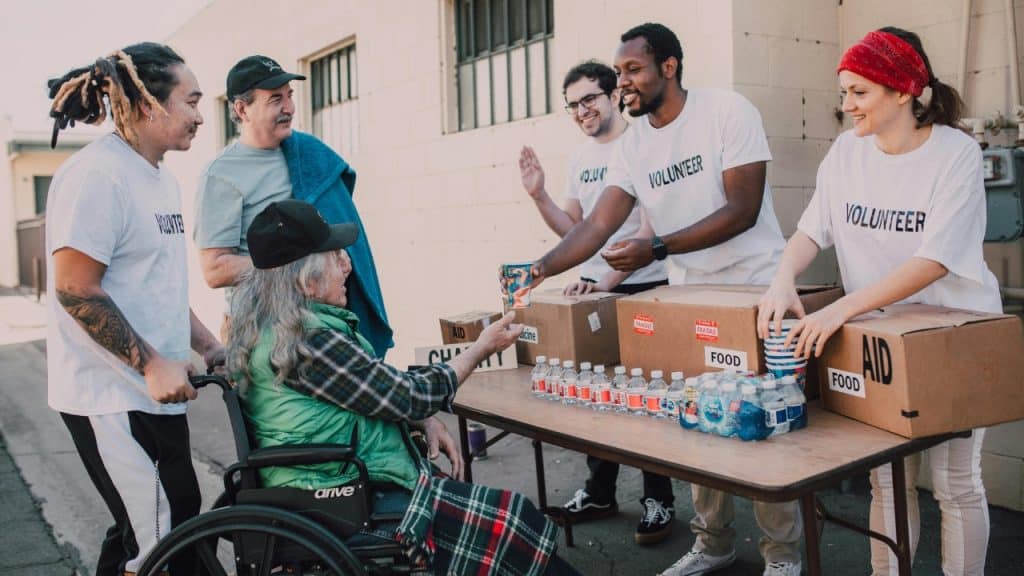
People reveal a lot about themselves when nobody is watching. Volunteering has a way of filtering for that. The room is usually filled with people who choose to show up on a weekend to help someone else.
Conversations in those spaces feel different. You are not trying to impress anyone. You are sorting donations, walking shelter dogs, or helping run a charity event. The shared purpose lowers the pressure and makes it easier for people to talk like normal humans.
Adult Sports Leagues

A coed softball or pickleball league looks casual on the surface, but it quietly creates the kind of social structure that dating apps try to replicate. Teams practice together, compete together, and usually end up grabbing food or drinks afterward.
That repeated exposure changes everything. Instead of trying to manufacture chemistry in a ten-minute coffee date, you watch how someone behaves over weeks. You see their humor, their competitiveness, their patience. Real attraction tends to grow from those small observations.
Dog Parks

Dogs break social barriers faster than almost anything else. People who might never talk to strangers will happily stop to ask about a golden retriever or laugh when two dogs decide to wrestle in the mud.
The conversation starter is built in. Nobody has to think of something clever to say. It begins with the dogs, then drifts into where you live nearby, which trails you like to walk, and how long you’ve had your pet. Suddenly, you are talking to someone you have never met before, and it feels completely normal.
Coffee Shops

The modern coffee shop is part office, part neighborhood living room. The regulars begin to notice each other over time. The same people show up with laptops, books, or a quiet hour before work.
That slow familiarity creates an opening. A quick comment about the line being long or asking if a seat is taken often turns into a conversation. It is subtle, low-pressure, and far more human than starting with a carefully crafted message on an app.
Hobby-Based Meetup Groups
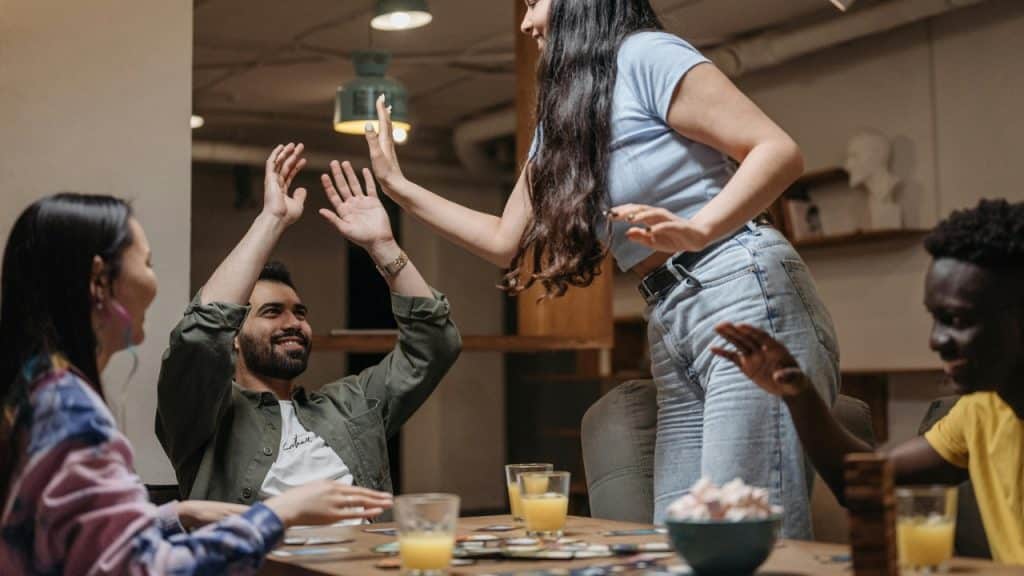
People are naturally more open when they are doing something they actually enjoy. A hiking group, photography meetup, wine tasting club, or board game night gives everyone a shared reason to be there.
The activity does most of the work. You talk about the trail, the camera gear, the wine, or the strategy of the game. Nobody is trying too hard to impress anyone. And because these groups meet regularly, connections have time to grow instead of feeling rushed.
Classes and Workshops

Adult learning environments are surprisingly social. Cooking classes, language courses, pottery studios, and woodworking workshops all create a relaxed atmosphere where people talk while learning something new.
There is a built-in rhythm to it. You work on the task, ask questions, compare results, and laugh when something goes wrong. Those moments break the ice naturally. And people who sign up for classes tend to be curious, motivated, and open to meeting others.
Networking Events

Professional networking events often get dismissed as stiff or transactional, but they are also one of the few places where adults openly expect to meet new people.
Everyone arrives knowing they will introduce themselves to strangers. That removes a lot of social friction. Conversations start easily because the context is clear. And sometimes those professional introductions turn into something more personal once the pressure of the room fades.
Friends’ Gatherings
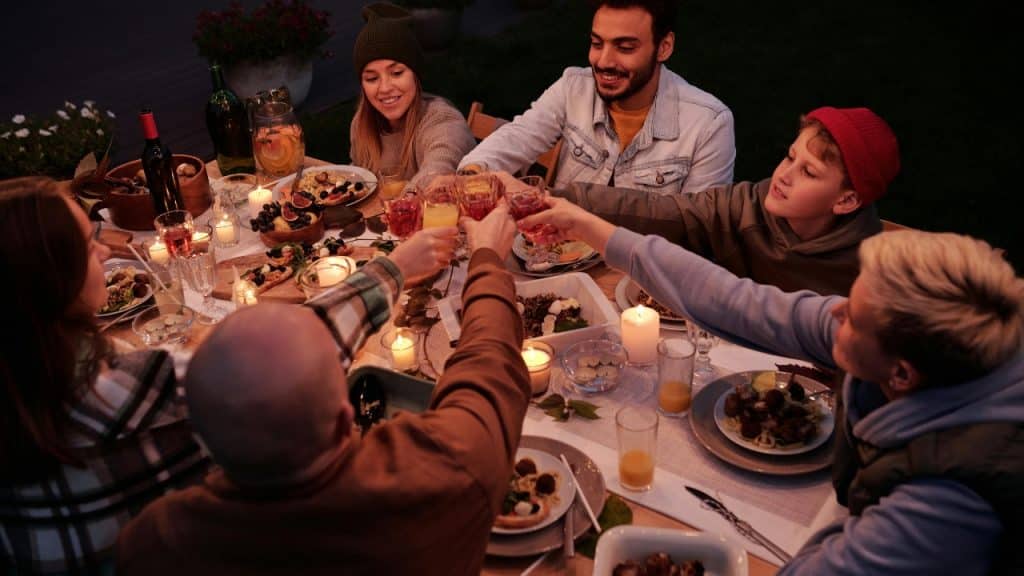
The quiet advantage of social circles is trust. When you meet someone through friends, there is already a layer of social proof in place. People tend to relax faster because everyone shares some common connection.
These gatherings rarely feel like dating environments. They are just dinners, birthdays, house parties, or game nights. Yet many long-term relationships begin exactly there, where introductions happen casually and nobody is trying to perform.
Cultural Events and Festivals

Art walks, food festivals, outdoor concerts, and local street fairs create a certain kind of energy. People wander, explore booths, and stop for conversations without the structure of a formal event.
It becomes easy to talk about what is happening around you. A band on stage, a piece of art, a great taco from a food truck. Shared experiences give people something immediate to connect over, which makes the interaction feel organic rather than planned.
Dance Classes
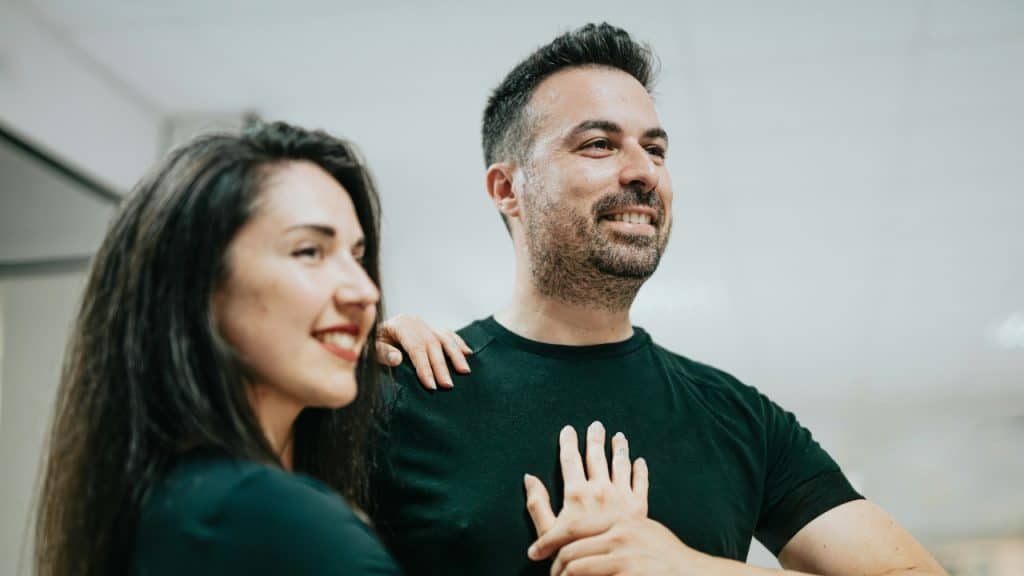
Dance classes have a reputation for a reason. They are social by design. People rotate partners, laugh at their mistakes, and gradually get more comfortable moving around each other.
There is something disarming about learning a skill together. Nobody is perfect at first, which removes the pressure to impress. Over time, the room fills with familiar faces, and the conversations that start between songs often become the most interesting part of the evening.








Ask Me Anything