
You do not wake up one day with a disconnected marriage. It usually happens slowly, through small phrases you repeat without thinking. You say them to keep the peace, end an argument, or protect yourself. But over time, those same words teach your spouse to emotionally check out. This is about recognizing how language shapes safety, attraction, and trust. If you are dating, married, or trying to fix the distance that crept in, this list matters. Some of these phrases sound harmless. One of them almost guarantees a shutdown.
1. “You’re Overreacting”

When you say this, you dismiss your spouse’s emotional reality in one sentence. You may think you are being logical, but it lands as disrespect. It tells them their feelings are inconvenient to you. Over time, they stop explaining how they feel because you have already decided it does not matter. This phrase trains emotional silence. You might win the moment, but you lose long-term trust. A better move is acknowledging the feeling before addressing the issue. Validation does not mean agreement, but it keeps the door open.
2. “That’s Just How I Am”

This phrase shuts down growth instantly. It tells your spouse you have no intention of changing or even listening. You frame it as honesty, but it feels like laziness on the receiving end. Relationships require adaptation, not rigid identity shields. When you say this often, your spouse stops bringing up concerns. They learn that effort only flows one way. Even confident men evolve when something matters. If you want a connection, show that you are flexible, not fixed.
3. “You Always Do This”

Using absolutes turns a single issue into a character attack. It makes your spouse feel boxed into a label they cannot escape. The moment you say “always,” the conversation stops being about the problem. It becomes about defending themselves. This phrase escalates fights fast and resolves nothing. You might feel justified, but you are sacrificing progress. Focus on the specific behavior instead of rewriting history. Precision builds solutions, not sweeping blame.
4. “Whatever”

This word signals emotional withdrawal. It tells your spouse you are done engaging, even if the issue is not resolved. You may think you are avoiding conflict, but you are creating emotional abandonment. Over time, “whatever” becomes a cue for disconnection. Your spouse learns that difficult conversations lead nowhere. This phrase kills curiosity and invites resentment. Silence feels safer than dismissal, but it is far more damaging.
5. “I Don’t Care”

Even if you mean you are flexible, this phrase rarely lands that way. It often sounds like indifference or passive resistance. Your spouse hears that their preferences do not matter to you. Repeated enough, it creates emotional distance and insecurity. Care is a currency in relationships. When you stop spending it verbally, attraction fades quietly. You can show flexibility without sounding checked out. Say what you are open to instead.
6. “You’re Too Sensitive”

This phrase places blame on your spouse’s emotional response instead of your behavior. It suggests the problem is their wiring, not the situation. Over time, they stop sharing vulnerable reactions with you. Sensitivity is not weakness. It is data about connections and boundaries. When you mock or minimize it, you reduce emotional safety. Strong relationships make room for different emotional thresholds. Dismissing sensitivity createsa long-term shutdown.
7. “Calm Down”

This phrase almost never calms anyone down. It communicates control instead of concern. Your spouse hears that their emotions are inconvenient or excessive. When emotions rise, people want to feel understood first. Telling someone to calm down skips that step entirely. It escalates tension and erodes trust. You can slow a conversation without commanding emotions. Lead with curiosity, not authority.
8. “It’s Not a Big Deal”

What feels small to you may feel heavy to your spouse. This phrase minimizes their experience in real time. It signals that your emotional scale is the only one that matters. Over time, your spouse stops bringing up issues early. They wait until resentment builds because small concerns feel unsafe to share. That is how minor problems become major ones. Size is subjective in relationships. Respecting that difference keeps communication alive.
9. “You Should Know By Now”

This phrase assumes mind-reading and punishes unmet expectations. It implies failure instead of inviting clarity. Your spouse feels tested rather than partnered with. Over time, this creates anxiety around doing things “right.” Healthy relationships allow room for learning and reminders. Nobody wins guessing games. If something matters, say it directly. Clear communication beats silent scorekeeping every time.
10. “Fine, Do Whatever You Want”

This phrase is emotional withdrawal disguised as permission. It communicates resentment without resolution. Your spouse hears that you are upset but unwilling to engage. Over time, they stop checking in because the response feels loaded. This creates distance, not independence. True freedom in relationships feels supportive, not sarcastic. If something bothers you, say it clearly. Passive approval damages trust fast.
11. “You’re Just Like Your Mother”
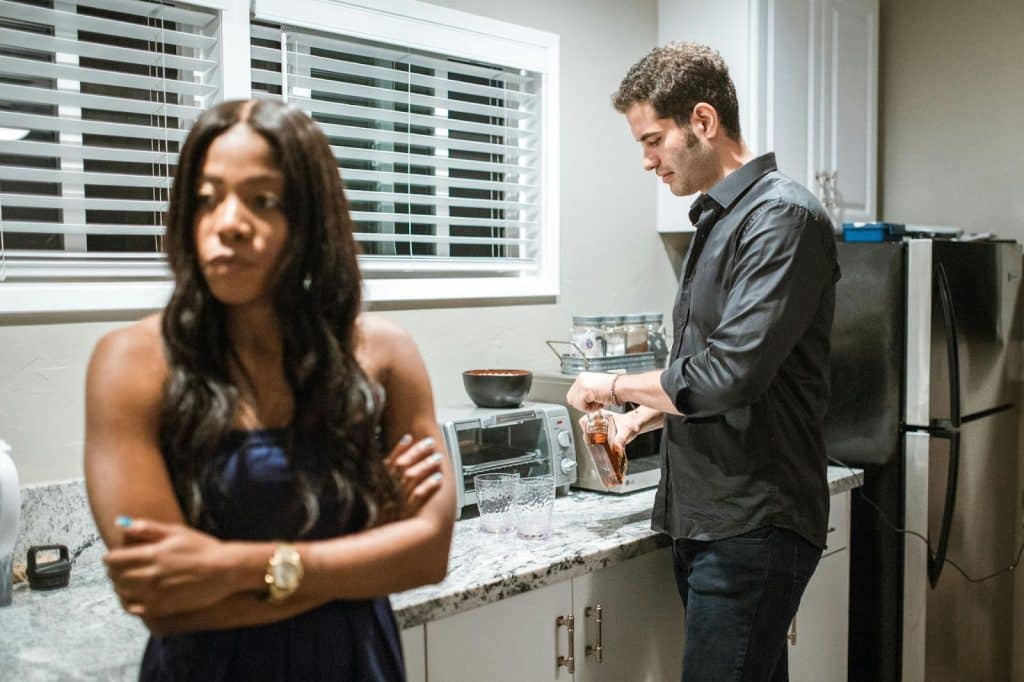
This phrase cuts deep and personal. It attacks identity, not behavior. Even if said jokingly, it often lands as contempt. Contempt is one of the fastest predictors of emotional shutdown. Your spouse feels insulted rather than understood. Comparisons rarely motivate growth. They usually create defensiveness or hurt. Focus on the issue in front of you, not family history.
12. “I’m Too Tired For This”

Sometimes you are genuinely exhausted, but this phrase often sounds like avoidance. Your spouse hears that the relationship is a burden. Over time, they stop initiating conversations because timing never feels right. This builds loneliness inside the relationship. Fatigue is real, but the connection still needs priority. You can pause a discussion without dismissing it. Rescheduling shows care, not escape.
13. “That’s Your Problem”

This phrase signals emotional separation. It tells your spouse you are not on the same team. Even if the issue does not involve you directly, relationships are shared systems. When you disengage verbally, your spouse feels alone. Over time, they stop leaning on you at all. Independence matters, but partnership matters more. Support does not mean fixing everything. It means showing up.
14. “You’re Being Dramatic”

This phrase reframes emotion as performance. It implies exaggeration or manipulation. Your spouse feels mocked instead of heard. Over time, they suppress emotional expression around you. That suppression becomes distance. Strong men do not fear emotion. They handle it with presence and respect. Labeling feelings as drama kills intimacy. Curiosity keeps it alive.
15. “I’m Done Talking About This”

This phrase shuts the door without resolving the issue. It tells your spouse that their need for closure does not matter. Repeated use creates emotional whiplash. Conversations end abruptly and reopen later with more tension. Boundaries are healthy, but shutdown is not. You can pause without abandoning the discussion. Closure builds safety. Silence builds resentment.








Ask Me Anything