
In every marriage, the words you use either build connection–or quietly erode it. Emotional safety is the foundation that allows couples to be open, vulnerable, and truly seen. When that safety is threatened, even small comments can start to feel like attacks, causing partners to retreat or shut down. The problem isn’t just what’s said–it’s the tone, timing, and lack of awareness behind it. Many of these phrases sound normal or “honest,” but they can chip away at trust over time.
Here are 18 phrases that often do more damage than couples realize–and what to say instead if you want to keep your relationship emotionally secure.
1. “You’re overreacting.”

This phrase instantly invalidates your partner’s emotions. Even if their reaction seems exaggerated to you, saying this tells them their feelings don’t matter. Instead, pause and try to understand why they feel strongly. A better response might be, “I can see this really upset you–can you help me understand why?” When people feel heard instead of dismissed, conflicts tend to de-escalate naturally.
2. “You always…” or “You never…”

Blanket statements like these trigger defensiveness because they attack character, not behavior. No one “always” or “never” does anything, and such exaggerations make your partner feel unfairly judged. Try focusing on specifics: “I felt hurt when you didn’t call after work.” That shift from accusation to description keeps the focus on your feelings instead of their flaws.
3. “Calm down.”

Telling someone to calm down rarely calms them–it usually does the opposite. It suggests you’re not willing to engage with their emotion, which can make them feel unseen and disrespected. Instead, acknowledge what’s happening: “I can tell this is upsetting. Let’s take a moment and talk it through.” That shows empathy while inviting calm rather than commanding it.
4. “That’s just how I am.”

This line shuts down growth. It tells your partner you’re unwilling to reflect or improve, which erodes emotional safety over time. A healthier approach is to own your behavior while showing willingness to adapt: “I know I can be short when I’m stressed–I’ll work on that.” Relationships thrive when both people stay open to evolving.
5. “You’re too sensitive.”

Labeling your partner as “too sensitive” implies their emotions are the problem instead of your words or actions. It makes them question their reality and teaches them to suppress their feelings. Instead, try curiosity: “I didn’t realize that bothered you that much–can you tell me what part hurt?” Emotional safety comes from understanding, not belittling.
6. “Whatever.”

This one word communicates dismissal, shutdown, and emotional withdrawal. It’s often said to end an argument, but what it really ends is connection. Saying “whatever” tells your partner they’re not worth engaging with. If you need space, say so respectfully: “I’m feeling too upset to talk right now, but I want to come back to this later.”
7. “I don’t care.”

Even if said in frustration, this phrase stings deeply because it signals indifference–the opposite of emotional safety. It communicates that your partner’s thoughts or feelings don’t matter. Instead, be honest about what’s really going on: “I care, but I’m overwhelmed right now.” Clarity keeps the door open for connection later.
8. “You’re being ridiculous.”

Mocking or minimizing your partner’s perspective breeds resentment. What feels “ridiculous” to you might be tied to something deeper for them. If you want to build safety, respond with respect even when you disagree: “I don’t see it that way, but I want to understand your point of view.” Respecting differences keeps communication open and mature.
9. “Why can’t you be more like…”

Comparison is one of the fastest ways to make your partner feel inadequate. Whether it’s a friend, sibling, or ex, comparing undermines their self-worth and the uniqueness of your bond. If you admire something in someone else, express it without comparison: “I’d love for us to try doing more of what they do together.” That reframes it as teamwork, not competition.
10. “I’m fine.” (When you’re clearly not.)

Emotional safety depends on honesty. Saying “I’m fine” when you’re upset teaches your partner to ignore emotional cues or walk on eggshells. Instead, say something like, “I’m not ready to talk yet, but I will be.” This small honesty keeps trust intact and prevents resentment from simmering under the surface.
11. “You’re making a big deal out of nothing.”

This phrase invalidates and shames your partner for caring about something. To them, it’s not nothing–it’s meaningful. Dismissing it tells them their feelings are inconvenient. Instead, respond with empathy: “It doesn’t seem big to me, but I can see it matters to you.” That acknowledgment alone can calm emotional tension.
12. “I knew you’d react like this.”
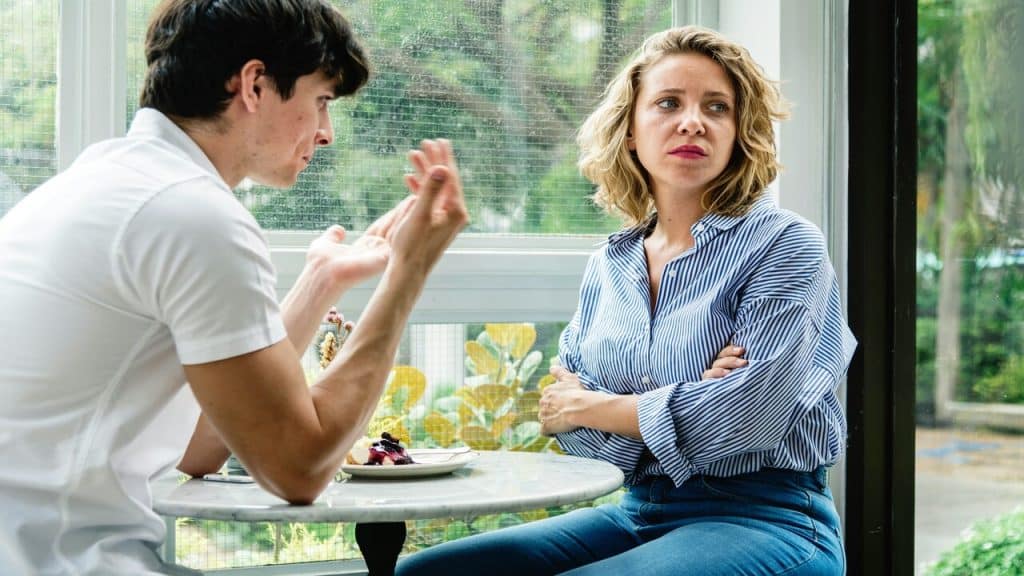
This line sets your partner up to fail before they even speak. It implies they’re predictable and unreasonable, which instantly kills open dialogue. Try staying curious instead: “I wasn’t sure how you’d feel about this–what’s your take?” That slight shift invites engagement instead of defensiveness.
13. “That’s your problem, not mine.”
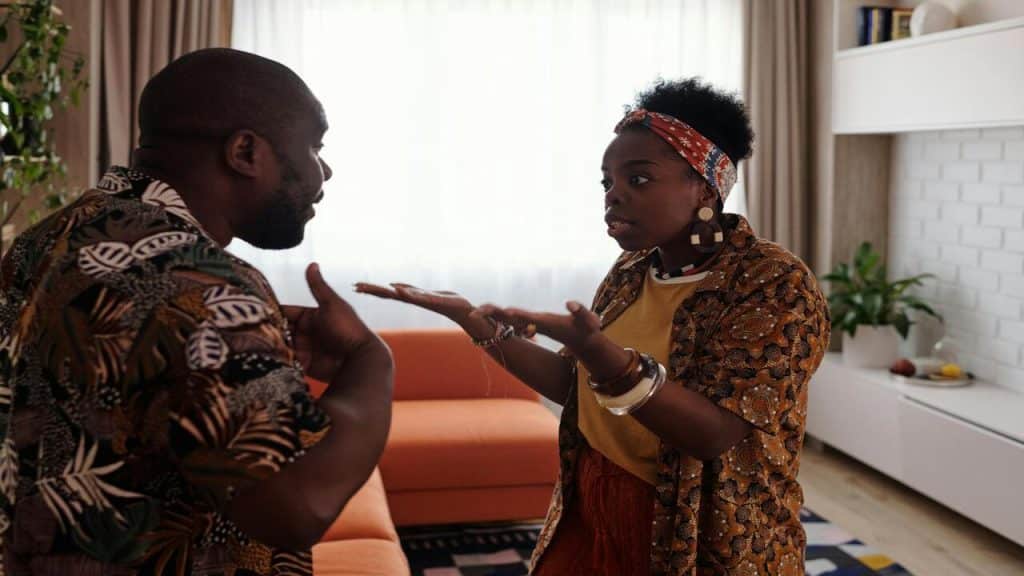
Marriage is about shared responsibility, not emotional detachment. This phrase signals “you’re on your own,” which damages trust. Even if something isn’t directly your fault, you can still show care: “I can see that’s weighing on you–how can I support you?” Compassion doesn’t mean taking blame; it means staying connected.
14. “You’re crazy.”

Calling your partner “crazy” is one of the most toxic things you can say. It’s dismissive, cruel, and often used to avoid accountability. Instead of name-calling, focus on describing behavior: “That surprised me–I didn’t expect that reaction.” This invites understanding rather than labeling.
15. “You’re just like your mother/father.”

Unless said with warmth, this comparison usually lands as criticism. It weaponizes family dynamics and hits deeply personal territory. If you’re drawing a parallel, do it thoughtfully: “I notice you get stressed the same way your dad did–what helps when that happens?” Turning observation into care preserves safety instead of sabotaging it.
16. “I don’t have time for this.”

This phrase tells your partner that their feelings aren’t worth your time. It can make them feel secondary to your schedule or priorities. If you’re genuinely busy, express that with reassurance: “I want to give this my full attention–can we talk tonight?” Respecting emotional timing builds trust, even when life gets hectic.
17. “You’re so dramatic.”

Labeling your partner as dramatic diminishes their emotional experience. It’s a sneaky way of saying, “Your feelings make me uncomfortable.” Instead, validate before redirecting: “I can see you’re really upset–let’s figure this out together.” Validation doesn’t mean agreement; it means respect.
18. “It’s not a big deal.”

Minimizing feelings chips away at safety one sentence at a time. To your partner, it is a big deal, and brushing it off signals emotional laziness. Instead of downplaying, engage: “It seems like this really matters to you–tell me more.” Safety thrives when both partners take each other’s inner worlds seriously.








Ask Me Anything