
In a world where most conversations skim the surface, the right phrase can cut through the noise and make someone feel seen. Connection doesn’t usually come from dazzling stories or perfect one-liners. It comes from language that signals safety, curiosity, and respect.
The phrases below aren’t manipulative tricks—they’re subtle bridges. Used sincerely, they can turn small talk into something meaningful, whether you’re on a first date, in a tense meeting, or talking to someone you’ve known for years. The key is delivery: slow down, mean it, and give the other person space to respond.
1. “Tell me more about that.”

This simple invitation works because it shifts the spotlight away from you and hands it to them. Most people are used to being interrupted or redirected; when you genuinely ask for more, you communicate that their thoughts matter. Use it after someone shares a story, opinion, or even a complaint. Then actually listen—don’t mentally prepare your reply. Nod, maintain eye contact, and let the silence stretch if needed. The magic isn’t in the phrase itself; it’s in the patience that follows.
2. “That sounds really important to you.”

Validation builds trust faster than agreement ever could. You don’t have to share someone’s viewpoint to acknowledge its emotional weight. This phrase shows you’re paying attention to what’s underneath the words—the values, fears, or hopes driving them. It’s especially powerful during disagreements because it lowers defensiveness. Say it calmly and without sarcasm. When people feel understood, they’re far more open to understanding you in return.
3. “I’ve felt that way too.”

Connection deepens when people realize they’re not alone in their experience. This phrase creates common ground, but it only works if it’s authentic. Don’t hijack the moment with your own long story. Keep your response brief and relevant, just enough to show you relate. Then bring the focus back to them. Shared humanity is comforting; self-centeredness is not.
4. “What was that like for you?”

Curiosity about someone’s inner world is rare—and incredibly bonding. Instead of focusing on facts, this question invites emotion. It encourages reflection and signals that you care about their perspective, not just the outcome. Use it when someone mentions a big event: a promotion, a breakup, a move. You’ll often get a deeper answer than you expected. That depth is where real connection lives.
5. “I really appreciate you saying that.”

Gratitude strengthens emotional safety. When someone opens up, offers feedback, or shares a vulnerable thought, this phrase reassures them that their honesty was worthwhile. It reduces the fear of rejection or awkwardness. Be specific if you can—mention what exactly you appreciated. Over time, this builds a dynamic where both of you feel safe speaking openly.
6. “I didn’t know that about you.”
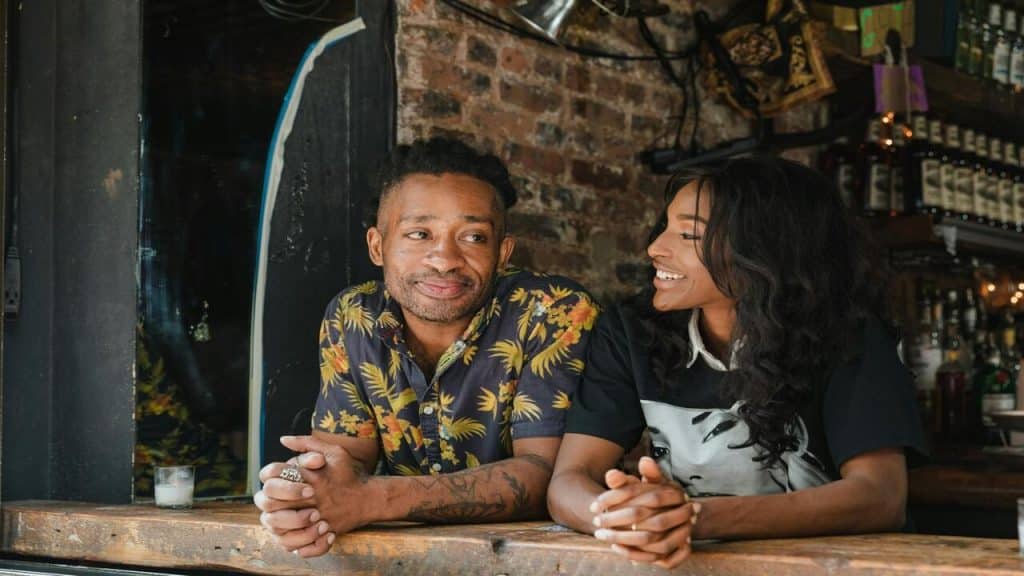
This phrase conveys interest and delight in discovering something new. It subtly communicates that the other person is layered and worth exploring. It works well in friendships and romantic relationships that may feel routine. By highlighting new information, you keep curiosity alive. Follow it up with a thoughtful question to deepen the moment rather than letting it pass.
7. “That makes a lot of sense.”

Even when you disagree, this phrase can calm tension. It shows you’re trying to understand their logic rather than dismiss it. It doesn’t mean you’re conceding your position; it means you respect theirs. In high-stakes conversations—at work or in relationships—this acknowledgment can prevent escalation. People soften when they feel heard.
8. “How can I support you right now?”

Support looks different for everyone. Instead of assuming what someone needs, ask. This question communicates partnership and care. Sometimes they’ll want advice; other times, they just need someone to listen. By offering support on their terms, you avoid overstepping. It’s a phrase that transforms you from bystander to ally.
9. “I’m glad you told me.”

Vulnerability is risky. When someone shares something personal, your immediate reaction matters. This phrase reinforces that their openness was welcomed, not burdensome. It lowers shame and strengthens trust. Say it gently, especially if the topic is heavy. Your response can determine whether they’ll open up again in the future.
10. “What do you think?”

Inviting someone’s opinion builds mutual respect. It signals that their thoughts carry weight in your world. Use it in group settings to draw out quieter voices or in one-on-one conversations to deepen engagement. Make sure you actually consider their answer. People can tell when their input is performative versus valued.
11. “That must have been tough.”

Empathy doesn’t require fixing anything. Sometimes it just requires naming the difficulty. This phrase acknowledges struggle without minimizing it. Avoid following it with a quick silver lining. Let the acknowledgment stand on its own. Feeling understood in hard moments creates a bond that surface-level positivity never could.
12. “I trust your judgment.”

Trust is one of the most powerful connectors in any relationship. When you express confidence in someone’s decision-making, you elevate them. This phrase works especially well in professional settings or long-term partnerships. It communicates respect and reduces micromanagement. Be sincere—empty flattery erodes credibility.
13. “I was wrong.”

Few phrases are as disarming—or as connective—as a genuine admission of fault. Owning a mistake signals maturity and emotional safety. It gives the other person permission to be imperfect too. Keep it simple; don’t dilute it with excuses. A clean apology often repairs tension faster than a long defense.
14. “I’m really proud of you.”

Recognition fuels closeness. This phrase works best when tied to something specific—effort, growth, courage—not just outcomes. It shows that you see their progress. In romantic relationships and friendships, it reinforces partnership rather than competition. Everyone wants to feel that someone is in their corner.
15. “Can you help me understand?”

When conversations grow tense, curiosity can de-escalate what ego escalates. This phrase reframes conflict as collaboration. Instead of attacking or withdrawing, you lean in. Keep your tone calm and open. If you genuinely want clarity rather than ammunition, the other person will feel that difference.
16. “That’s a great point.”

Affirmation creates warmth in discussions. You’re not surrendering your perspective; you’re acknowledging value in theirs. It’s especially effective in brainstorming sessions or debates. By validating good ideas openly, you build mutual goodwill. That goodwill makes it easier to navigate disagreements later.
17. “I’m here with you.”

Presence is more powerful than problem-solving. This phrase reassures someone they’re not facing something alone. It’s best used in emotionally charged moments—grief, anxiety, uncertainty. Pair it with physical presence if appropriate, like sitting beside them or maintaining steady eye contact. Consistency between words and actions strengthens the impact.
18. “I enjoy talking with you.”

Connection deepens when it’s named. This phrase may feel vulnerable, but it reinforces positive rapport. It lets the other person know the interaction isn’t one-sided. In early dating, it builds momentum; in long-term relationships, it keeps appreciation alive. Simple acknowledgment of enjoyment can transform an ordinary conversation into a meaningful one.








Ask Me Anything