
It might seem a bit disconcerting and unsettling when one’s partner just rolls over on their side when their significant other lies in bed next to them, hoping for some physical closeness and intimacy. For some people, this gesture burns, causing many questions to emerge within their minds about why their partner did it. They get confused and agitated, pondering whether they did something wrong or if their partner is upset with them. The reality is quite different, as people have different sleeping patterns and positions, all of which are molded through their propensities for peace and comfort. Some might even do it subconsciously, out of habit, and immediately labeling them as being evocative of relationship problems is premature and inane. Read on and learn about the possible reasons why your partner might roll over on their side when they are sleeping next to you right here.
Comfort

Sometimes a person rolls over on their side because they simply find it to be more comfortable that way. They find it naturally easier to fall asleep in this position than they do on their back. It is a matter of preference and assuming the position that their body derives most comfort and relaxation from.
Faster Rate of Falling Asleep

Some people do this because it allows them to fall into a deep and relaxing sleep far faster. Their sleeping habits have developed to this extent over time, and their body has acclimated to this position. When they assume this position, then it is the signal their body needs to expeditiously fall into a deep sleep.
Attempting to Not Disturb Their Partner
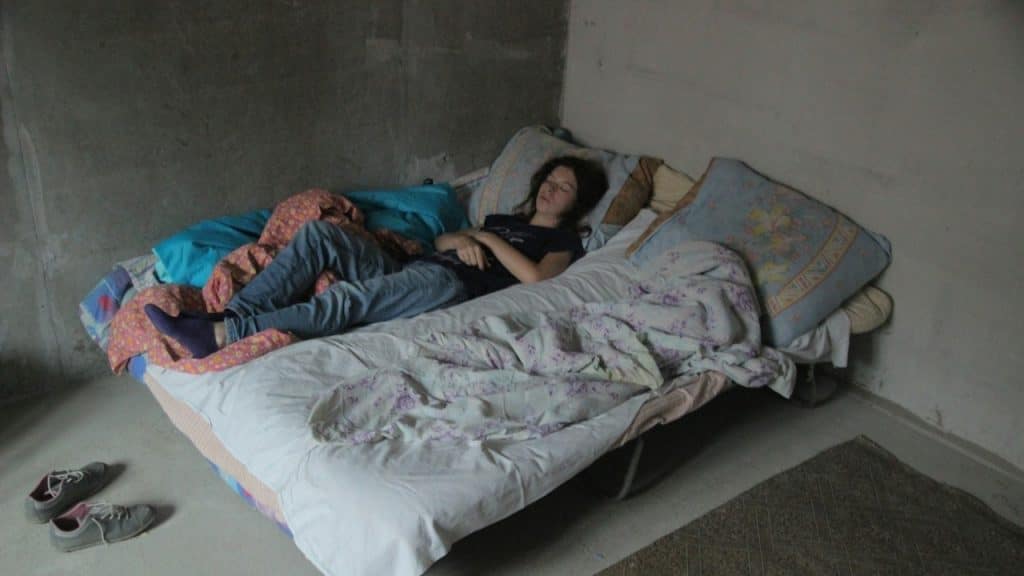
Sometimes, ironically, your partner might turn away from you out of consideration and a desire to not disturb you. There are some people who do this to avoid breathing in their partner’s face or inadvertently bumping into them or risk waking them with other inadvertent movements that their bodies might make while sleeping.
Regulating Body Temperature

Sleeping in proximity to another person can generate a lot of body heat, something that disturbs many people. It might be possible that a person sleeps with their back to their partner because they don’t want to grow excessively warm while sleeping. Assuming this position allows them to remain cool and comfortable throughout the night.
Light Sleeper

Light sleepers usually minimize contact while sleeping. The smallest movement or shift immediately breaks their sleep and forces them to awaken. That is why some people turn away instinctively from their partner while sleeping to create more space and reduce the chance of any sudden movement from disturbing their sleep.
Helps with Breathing
Some sleeping positions mitigate snoring since they improve breathing. A person might turn away from their partner because doing so allows them to open their airway more comfortably. This is especially relevant if they experience issues like congestion or mild snoring, making the assumption of this position even more practical and understandable.
Being Used to Sleeping Alone
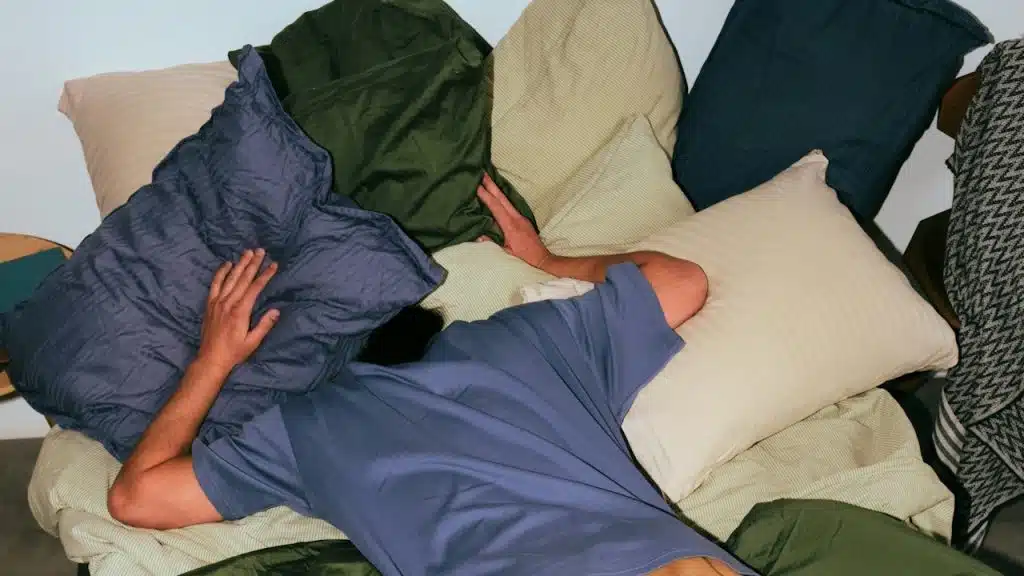
It might be possible that your partner is simply used to sleeping alone. They might have been doing it for years before getting into the relationship, and that is why their body is having a hard time adjusting to the new norm of sharing a bed. That is probably why they toss and turn and sleep with their back to you; it most certainly isn’t an issue with you or the relationship.
Needing Personal Space
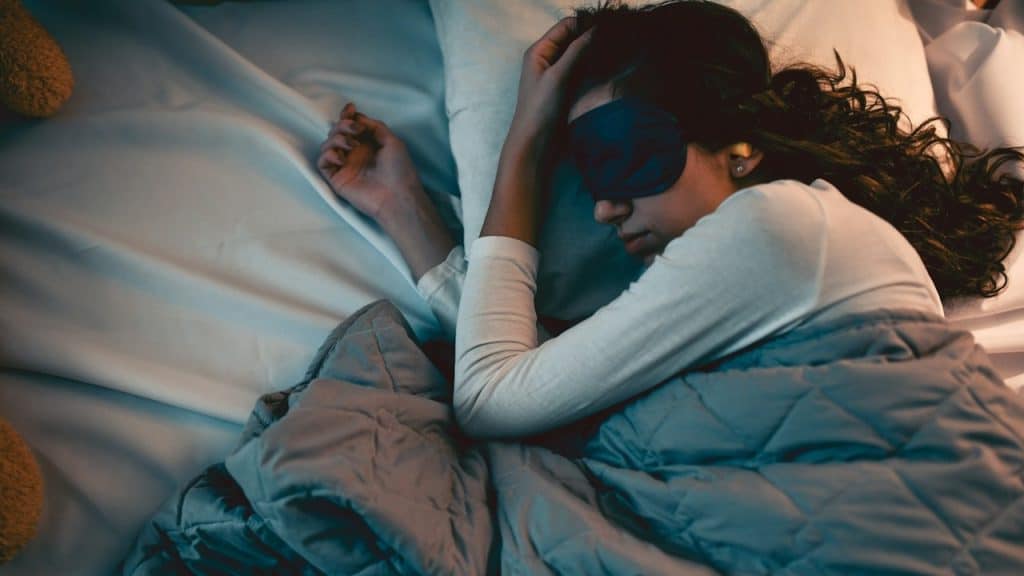
People still need some sense of personal space, even if they are in deeply committed and loving relationships. If your partner turns away from you while sleeping, then this can be a manifestation of their subconscious desire for personal space and independence.
Moving Around a Lot WHile Sleeping
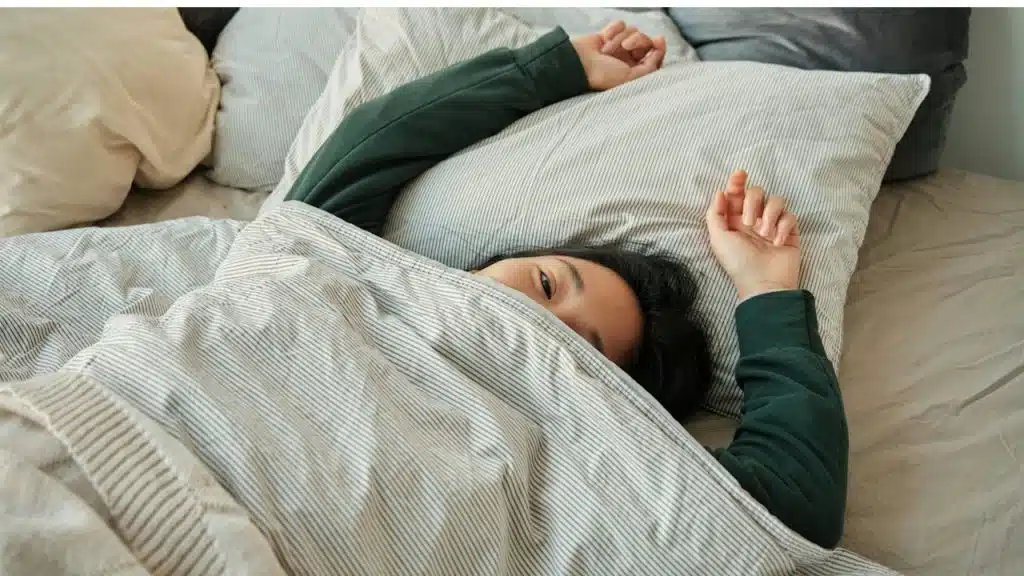
There are some people who are restless sleepers by nature. They are prone to tossing and turning all night and this act of sleeping with their back to you is simply one position amongst the numerous restless ones that they assume throughout their night.
Being Deep In Their Sleep Cycle

The body moves automatically of its own accord when one enters into the deeper stages of sleep. It leads to it automatically assuming positions that mitigate pressure and improve the rate of circulation within it. There is no correlation between emotions and these positions, because they are purely biological in nature.
Feeling Safe with Their Partner
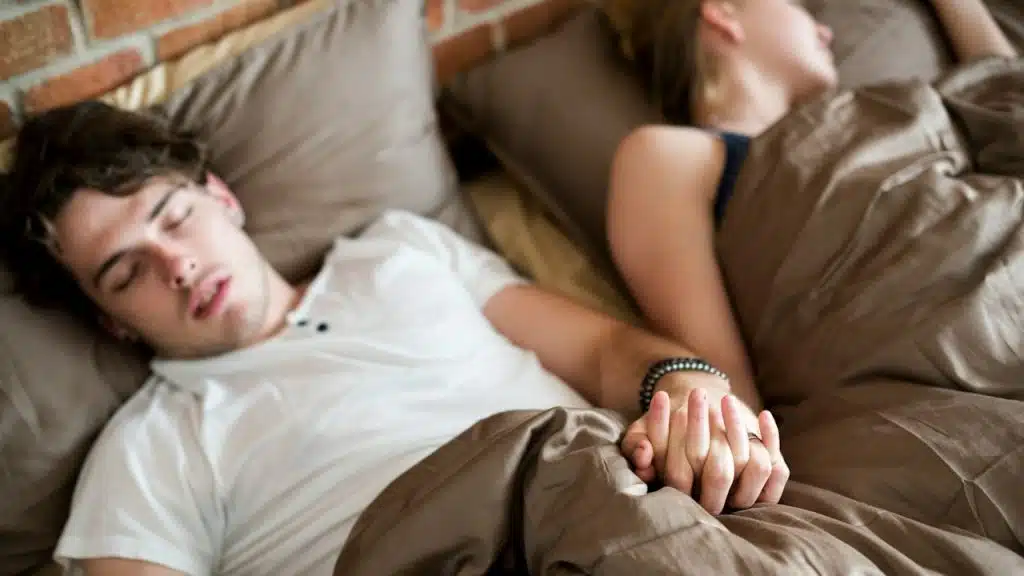
It is quite interesting that sometimes sleeping while turning away from one’s partner shows that they trust you and are comfortable with your presence. When a person is assured of love, safety, and respect in their relationship, then they don’t feel a constant need to always maintain physical contact with their partner.
Avoiding Snoring Towards Their Partner
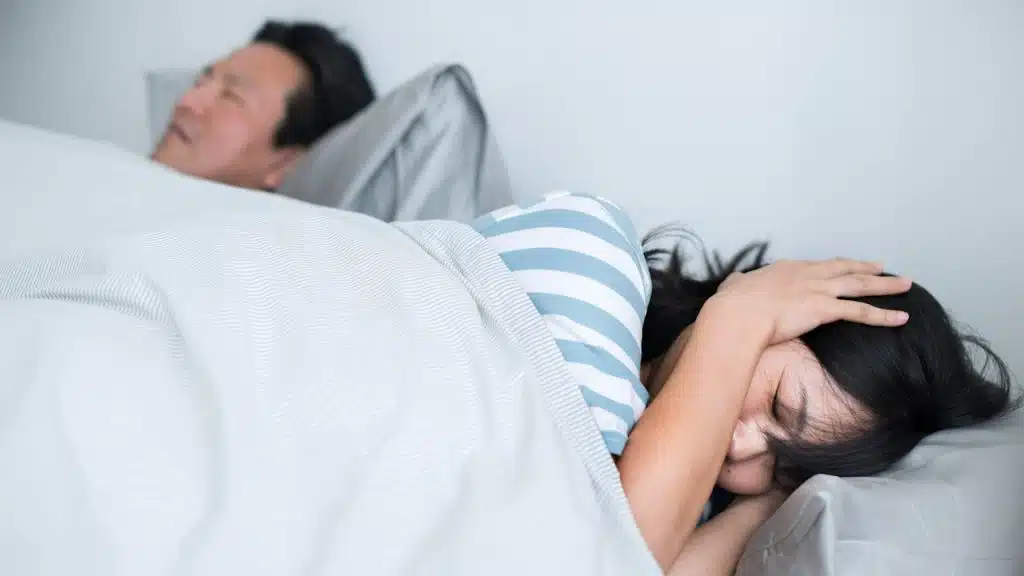
It might be possible that your partner snores a lot. This turning away from you might be done out of consideration for your comfort and rest. Many people feel uncomfortable snoring into their partner’s face so they choose to sleep with their backs to them.
Protecting a Sore Back or Shoulder

Sleeping positions are affected by the way pain and tension affect the human body. Your partner might be sleeping while turning away from you because they might have a sore back, muscle strain, or stiffness in their shoulders. They might assume this position to relieve and alleviate the pressure in these areas.
Childhood Habit
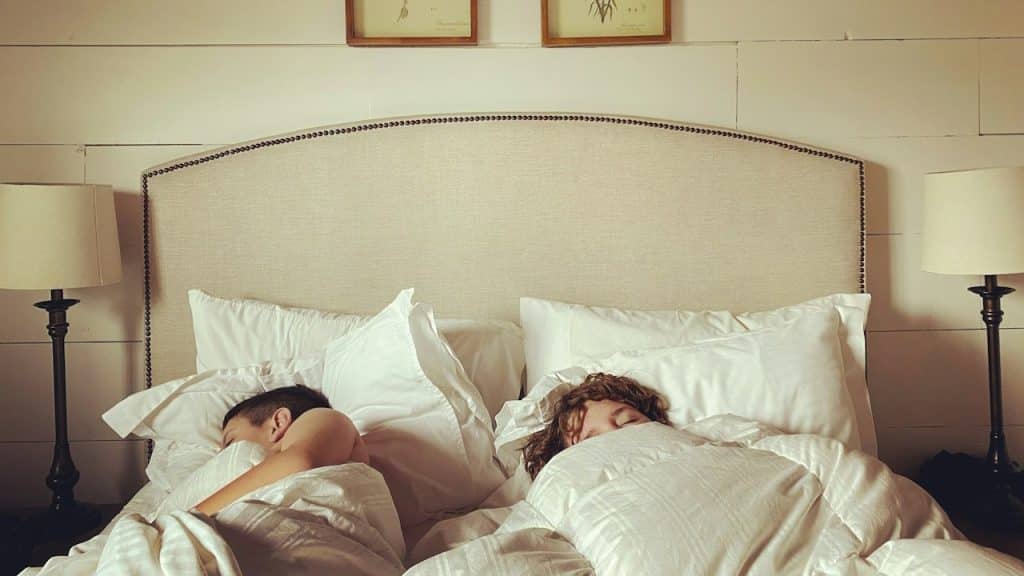
Many people develop certain sleeping positions in childhood that stay with them for life. What you are construing as emotional distance or detachment from your partner might be nothing more than a long-ingrained habit.
Not Having to Do Anything with the Relationship
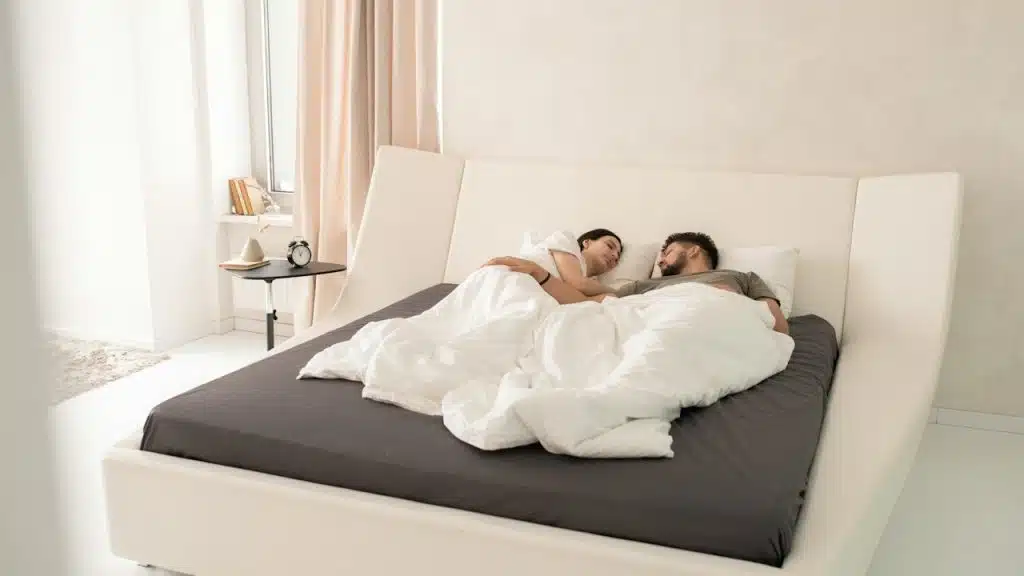
Perhaps the most important point is that sleeping positions have absolutely nothing to do with the quality of your relationship with your partner. Many couples who deeply love each other sleep in opposite directions because it allows them to sleep more comfortably and fall asleep more readily and easily.
Final Thoughts
It doesn’t matter how your partner sleeps; it has little to do with the connection or the bond you share with them. What really matters is how partners treat each other throughout the day, the way they communicate with each other, the kindness, and the emotional support they extend each other’s way. The point is, the health of a relationship isn’t determined by sleeping positions at all; it is corroborated by the trust, respect, and connection that two people in a relationship share.








Ask Me Anything