
So you hit 45 and suddenly the world acts like you’re a ticking time bomb. Your friends are married, your ex has moved on, your coworkers are having baby number three and here you are, wondering if you’re “behind.” That panic hits louder, heavier, and honestly, it can push you into choices that don’t even feel like you. And when you’re scared of ending up alone, you convince yourself almost anyone will be “good enough.”
You Choose Out of Fear, Not Compatibility
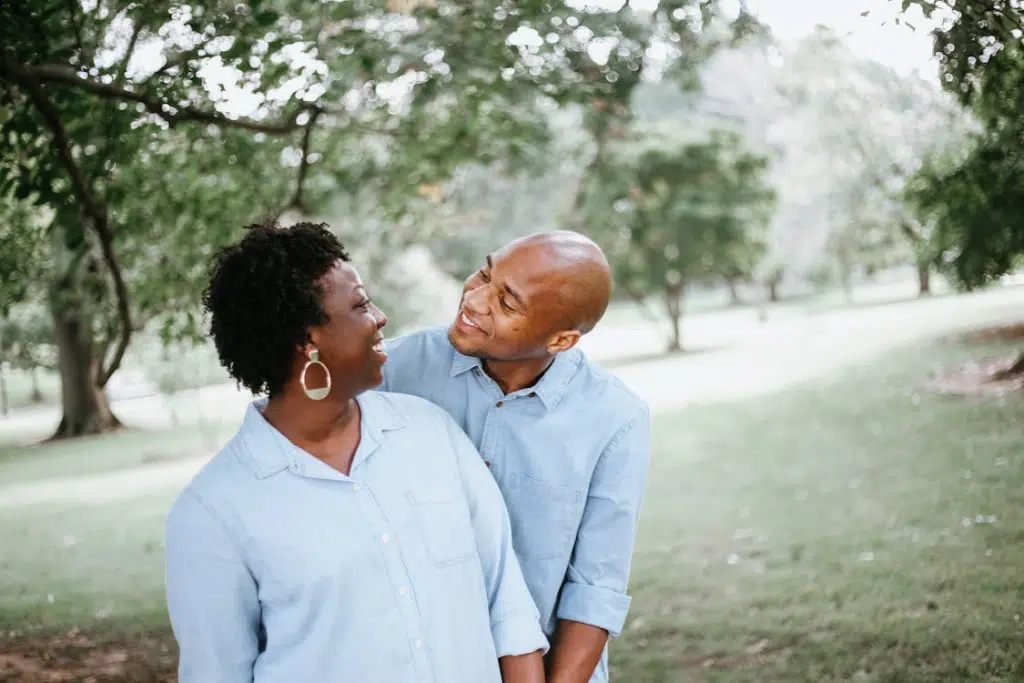
When you panic, you stop looking for someone who matches your values and start looking for someone who simply says yes. Fear makes you ignore red flags you’d normally run from. You convince yourself that compatibility is a luxury you “no longer have time for.”
But long-term relationships care about alignment. When fear drives the choice, resentment grows later because you know deep down you settled. And that resentment eats away at the bond until the relationship falls apart.
You Rush the Honeymoon Phase

You feel like you’ve “seen it all,” so you assume you know people faster than you actually do. But the honeymoon phase lies to you. Everyone looks perfect when you’re lonely. You skip emotional vetting because you want to lock in stability ASAP. Then months later you discover incompatibilities you never checked for. By the time reality hits, you’re already in too deep.
You Ignore Your Non-Negotiables

Your 20s were flexible, but your 40s aren’t. You know what drains you and what energizes you. But when panic kicks in, you start pretending your dealbreakers don’t matter. You tell yourself, “I can adjust,” even when you know you won’t.
Compromising on small things works, but compromising on core needs destroys marriages. Eventually, the stuff you pushed aside becomes a daily battle. And that tension turns into emotional distance, then divorce.
You Confuse Chemistry With Compatibility

That big spark feels amazing at 45, especially if you’ve been single awhile. But chemistry blinds you. You overlook communication issues, lifestyle clashes, or emotional immaturity. You assume passion is equivalent to partnership. But long-term relationships need habits. When the spark fades, you’re left with someone who doesn’t actually fit your life. That’s when divorce becomes the exit plan.
You Don’t Heal From Past Relationships First

If you haven’t processed your divorce, breakup, or long-term ex, it shows. Unhealed pain makes you needy, defensive, or overly cautious in new relationships. You project past hurts onto your new partner without meaning to. You settle fast because being alone feels scary. But emotional baggage always resurfaces inside marriage. Unfinished healing is unfinished stability.
You Overlook Financial Compatibility

Money becomes a big deal in your 40s because of kids, mortgages, debt, retirement, expenses. But panic makes you skip the financial talk because it feels “unromantic.” Later, different spending habits or hidden debt start causing fights. Money stress hits harder when you’re older. There’s less time to “recover.” Eventually the financial friction turns into blame. And it cracks the marriage from the inside.
You Move Too Fast Into Commitment

You accelerate. Maybe you propose after six months because it “feels right.” But speed kills clarity. You miss important information about their communication style, integrity, or values. Rushing skips essential bonding stages. Without a strong foundation, the marriage barely stands.
You Ignore Lifestyle Differences
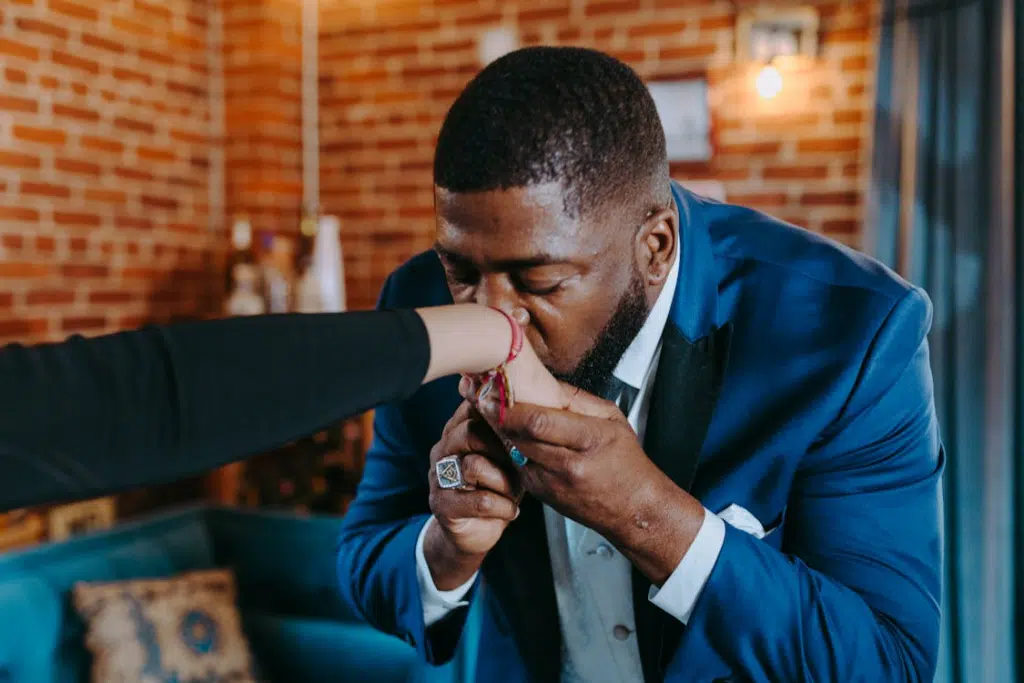
Your lifestyle is pretty set in your habits, routines, and preferences. But the panic makes you overlook lifestyle incompatibilities. You pretend it’s fine that she’s social and you’re introverted, or vice versa. But everyday life is where most marriages break, not the big moments. When routines clash, irritation builds. And that irritation becomes emotional distance.
You Don’t Ask the Hard Questions Early

Because you’re afraid to lose her, you avoid deep conversations. You don’t ask about future goals, religion, kids, money, or boundaries. You choose harmony over truth. But those unanswered questions always come back. And when you finally address them, the differences feel impossible to fix. Avoidance now is conflict later.
You Settle for Whoever Shows Interest

You think your options are limited, so you cling to anyone available. You take an interest in compatibility. You accept crumbs of affection because you feel you “can’t be picky.” But settling creates long-term resentment. You wake up feeling trapped, not chosen. That emotional mismatch pushes the relationship toward divorce.
You Mistake Loneliness for Love

Being alone at 45 can hit hard. It triggers fear, insecurity, and urgency. That loneliness can make you “fall in love” with the idea of partnership, not the person. You latch on because the silence feels heavy, not because the relationship is strong. But love built on loneliness collapses once you feel stable again. Then you realize you never truly connected with them. That’s when the marriage starts crumbling.
You Enter Relationships From a Place of Scarcity

Scarcity mindset makes you think you’re running out of chances. So you settle for someone who doesn’t challenge you, support you, or excite you. You convince yourself this is the “best you’ll get.” But marriages need confidence. Scarcity breeds unhappiness because you always feel like you settled. That dissatisfaction eventually ends the relationship.
You Let Family or Society Pressure You

People around you love to remind you of the “clock.” Parents, siblings, and friends push their expectations onto you. You feel like you’re disappointing everyone by being single. So you settle to please them, not yourself. But a marriage built for others won’t survive long-term. Eventually, you rebel against the life you didn’t choose.
You Pick a Partner to “Fix” Your Life

You think a relationship will cure your loneliness, boredom, or lack of fulfillment. But no partner can fix internal problems. When the relationship doesn’t solve your issues, you feel disappointed. You start blaming the marriage instead of addressing your own growth. The pressure becomes unfair for both of you. And the marriage breaks under expectations it was never meant to carry.
You Forget That Marriage Is a Partnership

When you rush, you treat marriage like a finish line. You forget it’s supposed to be a journey with the right person. Panic blinds you to the reality of what married life requires. Partnership needs patience, communication, and aligned goals. When you settle too fast, the relationship lacks the depth to survive challenges. And that’s why panic-driven marriages often end in divorce.








Ask Me Anything