
Marriage used to come with a pretty clear instruction manual: get hitched young, divide up the roles, don’t talk about the hard stuff, and call it a lifetime commitment. For a long time, that formula worked (or at least, people pretended it did). But couples today? They’re not buying it anymore. The old blueprint has cracks in it, and everyone can see them.
The truth is, modern relationships demand a whole lot more honesty than previous generations were ever willing to offer. People want real partnerships now, ones built on mutual respect, shared ambition, and actual emotional availability. And that means facing some uncomfortable realities about what marriage has been, what it is now, and what it absolutely needs to become.
1. The “Provider and Caretaker” Model Is Officially Dead

For decades, marriages ran on a system where one person earned the money and the other managed the home. Neat, clean, predictable. But here’s what that model actually produced: two people who barely knew each other as human beings. One partner was reduced to a paycheck, and the other to a housekeeper. Not exactly the love story anyone dreams about.
Today’s couples are rejecting that division outright. Both partners want careers, creative lives, and a say in how the household runs. That means the old “you handle this, I’ll handle that” split needs a serious renegotiation, and couples who refuse to have that conversation are going to feel the friction fast.
2. Financial Transparency Isn’t Optional Anymore

Couples used to keep their finances deliberately murky. One person controlled the money, the other asked permission, and nobody called it what it actually was (control). That dynamic created dependency, power imbalances, and a whole lot of silent suffering behind closed doors.
Now? People expect full financial transparency from their partners. Shared accounts, open conversations about debt, aligned goals around spending, all of it. Hiding money, downplaying debt, or making unilateral financial decisions is a dealbreaker now, full stop.
3. Emotional Availability Is the New Bare Minimum

Being physically present in a marriage used to be enough. You came home, sat at the dinner table, watched TV together, and that counted as being there. Emotional unavailability was practically a personality trait that got a free pass, especially for men.
That free pass has expired. Partners today expect to be seen, not just fed and housed. Emotional availability means showing up for hard conversations, acknowledging feelings without dismissing them, and actually caring about your partner’s inner world. If someone’s idea of emotional support is a pat on the back and “you’ll be fine,” they’re going to find themselves very alone, very quickly.
4. Therapy Isn’t a Sign That the Marriage Is Failing

There was a time when going to couples therapy meant the marriage was basically over, one last-ditch effort before the lawyers got involved. People treated it like a funeral arrangement rather than a tune-up. That stigma did enormous damage to a lot of relationships that could’ve been saved.
Healthy couples today treat therapy the way athletes treat coaching: it’s how you get better, not a confession that something’s broken. Going to therapy early, going often, and actually applying what you learn there? That’s what a functioning modern marriage looks like. The couples skipping it because “we don’t need that” are usually the ones who need it most.
5. Growing Apart Happens More Often

Traditional marriage had an unspoken rule: you stopped becoming a new person once you said “I do.” Your spouse married a particular version of you, and deviating from that version felt like a betrayal. Wanting more, more education, a career change, a new identity, made people nervous.
But people grow. They change careers, they evolve politically, they develop new passions. A marriage that can’t accommodate that kind of growth is a cage, not a partnership. The couples who thrive are the ones actively encouraging each other to keep becoming, not the ones clinging to who their partner was at 25.
6. Unequal Mental Load Is a Ticking Time Bomb

You know what’s exhausting? Being the person who remembers every appointment, plans every meal, tracks every bill, and manages every social obligation, while your partner simply shows up when told. That invisible labor has a name (mental load), and it’s been quietly burning people out for generations.
The dangerous part is how normalized it became. One partner just “handled things,” and the other stayed comfortably oblivious. Modern couples are waking up to the reality that an unequal mental load breeds deep, lasting frustration, and the partner carrying it will eventually stop carrying it altogether, one way or another.
7. Sexual Compatibility Needs to Be Talked About Out Loud

For a long time, intimacy in marriage operated on a “don’t ask, don’t tell” policy. People either suffered through incompatibility or pretended everything was fine while the dissatisfaction quietly built up. Bringing it up directly? Too awkward. Too vulnerable. Too much.
But unaddressed physical incompatibility doesn’t resolve itself; it festers. Couples who can talk openly about their needs, their boundaries, and their expectations in the bedroom are the ones who actually maintain a satisfying physical relationship long-term. Avoidance has never fixed anything in a marriage, and intimacy is no exception to that rule.
8. Friendship Between Partners Matters More Than People Admit

Ask most people what they want in a marriage, and they’ll talk about love, attraction, and shared values. What they don’t say, but absolutely should, is that they want a genuine friend. Someone they actually like spending time with, not just someone they’re committed to out of obligation.
Marriages that lose the friendship foundation tend to become purely transactional over time. Two people coexisting, coordinating schedules, and going through the motions. The couples who make it, really make it, are the ones who still laugh together, tease each other, and genuinely enjoy each other’s company decades in.
9. Conflict Resolution Skills Are Non-Negotiable

Bad conflict habits got passed down through generations like a family heirloom nobody wanted. Screaming matches, stonewalling, passive aggression, bringing up old grievances mid-argument: these are learned behaviors, and they wreck relationships with remarkable efficiency.
The uncomfortable truth is that most people enter marriage with zero actual training in how to fight productively. And fighting productively is a skill, one that requires active learning. Couples who figure out how to argue without destroying each other in the process have a massive advantage over everyone else.
10. Co-dependency Got Romanticized for Way Too Long

“You complete me.” Everyone loved that line. What nobody mentioned is that needing another person to complete you is actually a problem, not a love story. Codependency got dressed up in romantic language for so long that people started mistaking it for a deep connection.
Healthy partners don’t complete each other; they complement each other. There’s a significant difference. Two whole, functioning individuals choosing to build a life together is a partnership. Two people clinging to each other out of fear of being alone is a dependency. One of those relationships has a future, and the other has a therapist’s waiting room.
11. Children Will Definitely Add to the Chaos
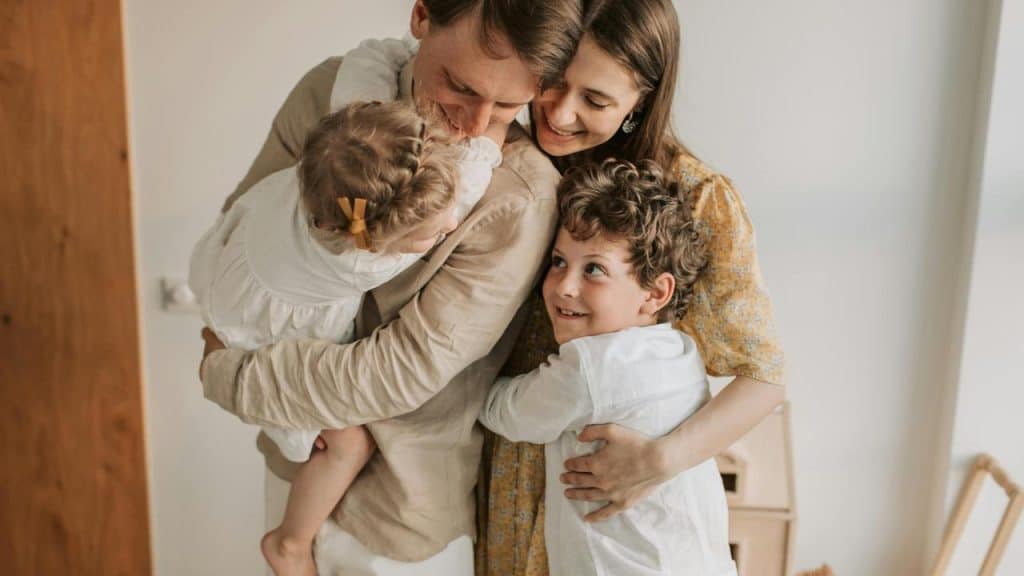
The idea that having a baby will bring a couple closer together has survived way longer than it should have. What a baby actually does is magnify whatever’s already there. Strong foundation? It’ll deepen. Cracks? They’ll split wide open under the sleep deprivation, the financial pressure, and the identity overhaul that parenting demands.
Couples need to be honest with themselves about the state of their relationship before kids enter the picture. Bringing a child into an already fragile marriage doesn’t fix the fragility; it accelerates the collapse.
12. If Your Values Overlap, You’re Cooked

A lot of couples bond over the same movies, music, or hobbies, and mistake that overlap for compatibility. Liking the same things is fun. But when the real tests come, financial hardship, family conflict, differing life goals, shared taste in entertainmentdon’tt do much heavy lifting.
What actually holds couples together under pressure is alignment on the big stuff: how to raise kids, what role religion plays, how to handle money, and where to draw limits with extended family. Two people who agree on those things can survive almost anything. Two people who don’t? They’ll find that out eventually, whether they planned to or not.
13. Boundaries With Extended Family Have to Be Set and Defended

Every family has at least one relative who treats a marriage like an open invitation to meddle. And for generations, couples absorbed that interference without pushing back because “that’s just how family is.” The result was marriages constantly undermined by outside voices that had no business being in the room.
Setting clear limits with in-laws and extended family isn’t cold or disrespectful; it’s essential. A couple that can’t present a united front against outside interference will find that interference slowly pulls them apart. The marriage has to come first, and both partners need to be willing to say so.
14. Being Vulnerable is Completely Okay

Somewhere along the way, the idea that emotional vulnerability was a liability in a relationship became deeply embedded in how people, especially men, approach marriage. Showing fear, admitting hurt, expressing need: all of it got coded as weakness, something to be hidden rather than shared.
But a marriage where both people want to be strong all the time is an exhausting place to live. Real intimacy requires the willingness to be seen at your most exposed, scared, confused, and uncertain. The partners who can hold that space for each other without flinching are the ones who build something that actually lasts.
15. Long-Term Attraction Requires Intentional Effort

People assume that because they were drawn to each other at the beginning, that pull will just naturally persist without any tending to. And then they’re confused when, ten years in, they feel more like business partners than lovers.
Keeping desire alive in a marriage takes deliberate effort: date nights that aren’t just dinner, physical affection that isn’t purely goal-oriented, and genuine curiosity about who your partner is becoming. It sounds like work because it is work. But the couples treating that work as a priority are the ones still actually choosing each other years down the road.
16. Individual Identity Has to Survive the Marriage

Too many people dissolve entirely into their marriages and wake up years later having no idea who they are outside of “spouse” or “parent.” Every hobby, every friendship, every personal ambition slowly gets absorbed into the couple’s identity until there’s nothing distinctly them left.
Maintaining a sense of individual self inside a marriage is what keeps both partners interesting to each other over time. People with their own passions, their own friendships, their own goals bring something back to the relationship. The person who gave up everything for the marriage often ends up resenting the very thing they sacrificed it all for.
17. Commitment Has to Be an Active Choice

Real commitment gets renewed every day through small, intentional choices: choosing to show up, choosing to repair after conflict, choosing to invest in the relationship even when other things compete for that energy. The couples who understand that distinction are the ones building something worth staying for.








Ask Me Anything