
Masculinity in movies is often framed through action, aggression, or dominance. But the scenes that linger? They tend to be quieter, reflecting responsibility, vulnerability, restraint, or grace under pressure. This list isn’t about the loudest characters or biggest hero arcs. It’s about those unexpected, often subtle moments that say something deeper about what it means to be a man. Sometimes the real strength is in what isn’t said.
The Pursuit of Happyness – “This Part of My Life… This Part Is Called Happiness”
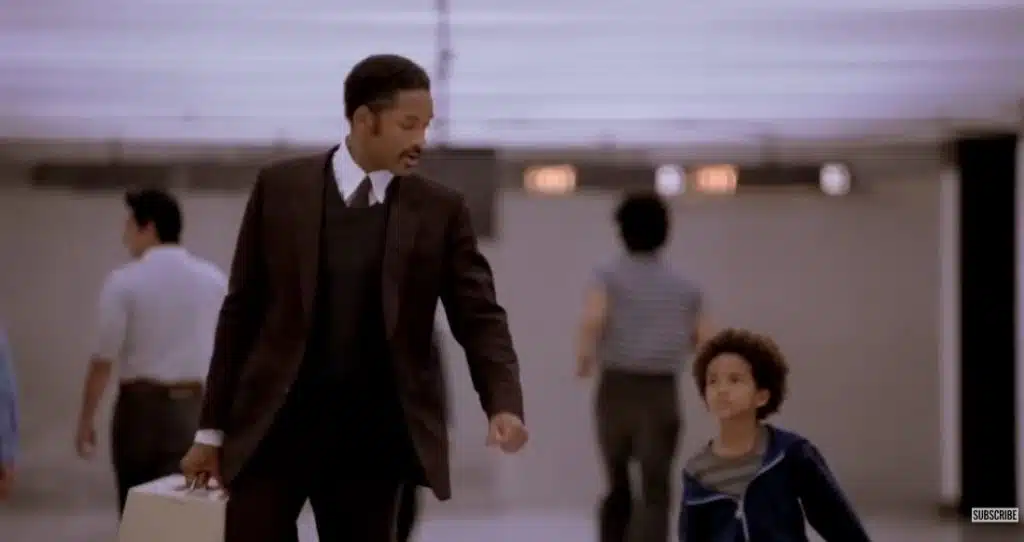
In one of the most gut-punchingly quiet climaxes in film, Will Smith’s character finally lands the job he’s fought so desperately for. He doesn’t cheer. He doesn’t cry (not loudly, at least). He simply walks outside, lost in a storm of silent relief. That scene hits differently because it shows that sometimes, being a man means enduring for those who depend on you, even when no one’s watching. Real strength isn’t loud.
Good Will Hunting – “It’s Not Your Fault”

The repetition of one phrase, “It’s not your fault”, breaks down years of guarded masculinity in seconds. Matt Damon’s character finally lets go, but only after Robin Williams’ character patiently chips away at his walls. This scene reveals a truth many men know but rarely express – it’s hard to be vulnerable when you’ve been taught to bury pain. And yet, the real growth starts the moment you stop pretending you’re fine.
The Godfather – “Look How They Massacred My Boy”
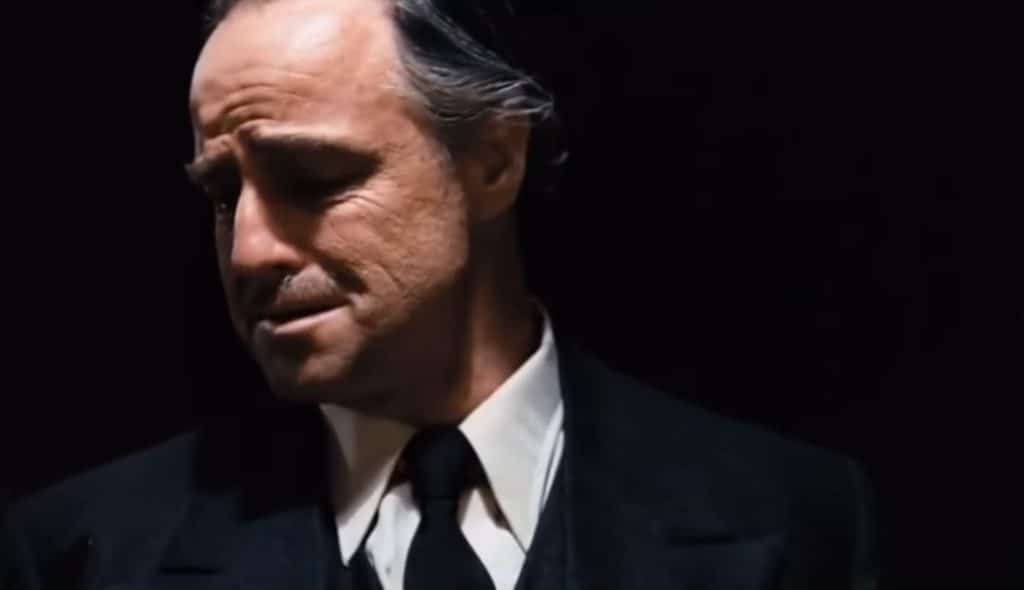
Don Vito Corleone, powerful, feared, untouchable, cradles the body of Sonny and whispers a line full of helpless heartbreak. It’s one of the rare moments where you see the father, not the don. The scene captures the reality that no matter how powerful a man appears, grief doesn’t spare anyone. It humanizes the idea of manhood in a single broken sentence.
Dead Poets Society – “O Captain, My Captain”
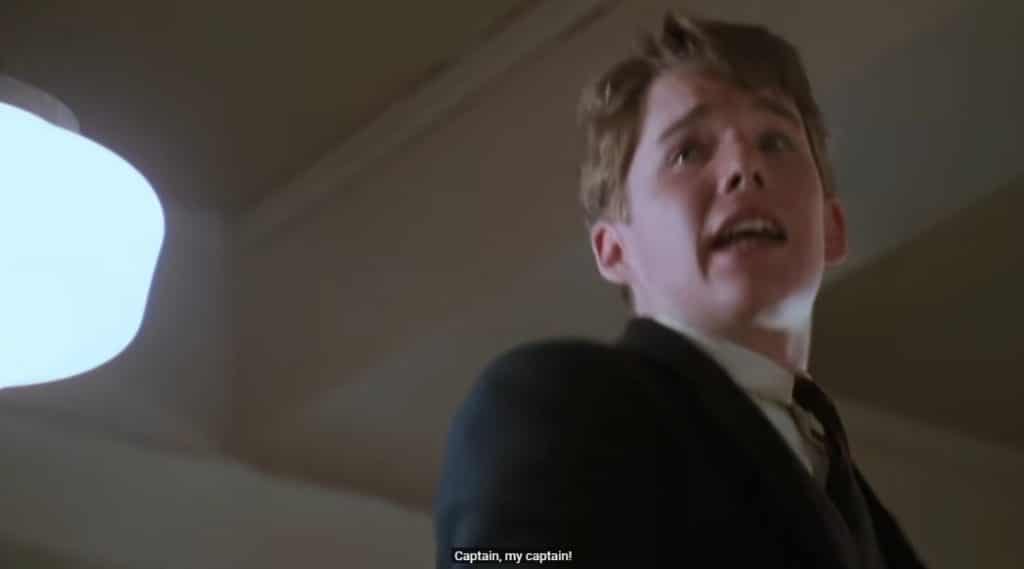
As students stand on their desks in quiet rebellion, they aren’t just honoring a teacher, they’re reclaiming their voices. This moment speaks volumes about mentorship, courage, and the power of standing up for what matters. It’s a reminder that manhood isn’t about conforming; it’s about choosing integrity over comfort. Sometimes, being a man is as simple, and as hard, as standing up when everyone else sits down.
Rocky Balboa – “It Ain’t About How Hard You Hit”
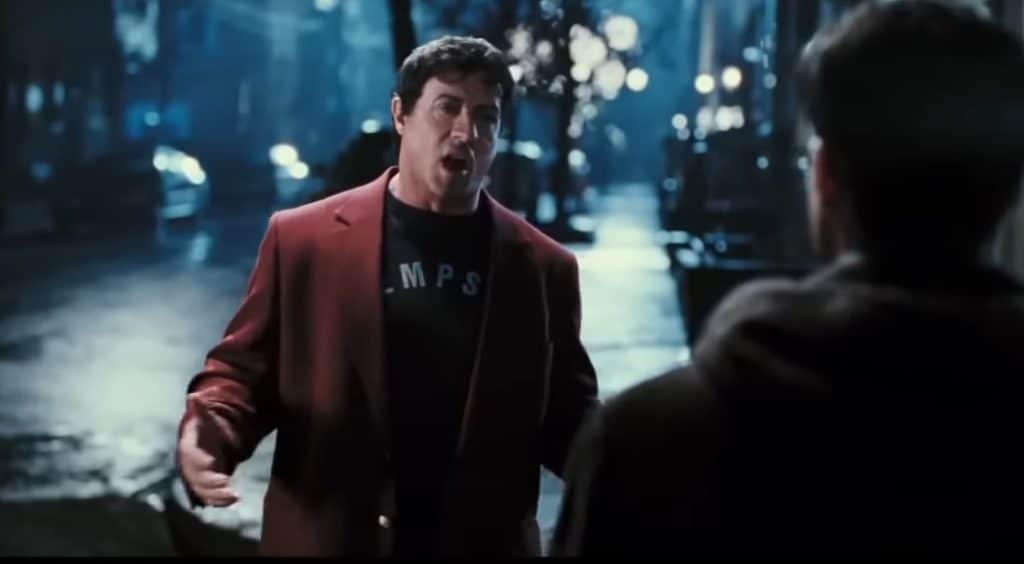
In a powerful street-side talk with his son, Rocky redefines toughness. It’s not about aggression, it’s about endurance. His speech reminds men that resilience is quiet, personal, and often misunderstood. Life knocks everyone down, but what matters is how often you get back up. That’s the kind of emotional wisdom men often carry silently, and pass down when it’s needed most.
12 Angry Men – “I Don’t Know. It’s Possible.”
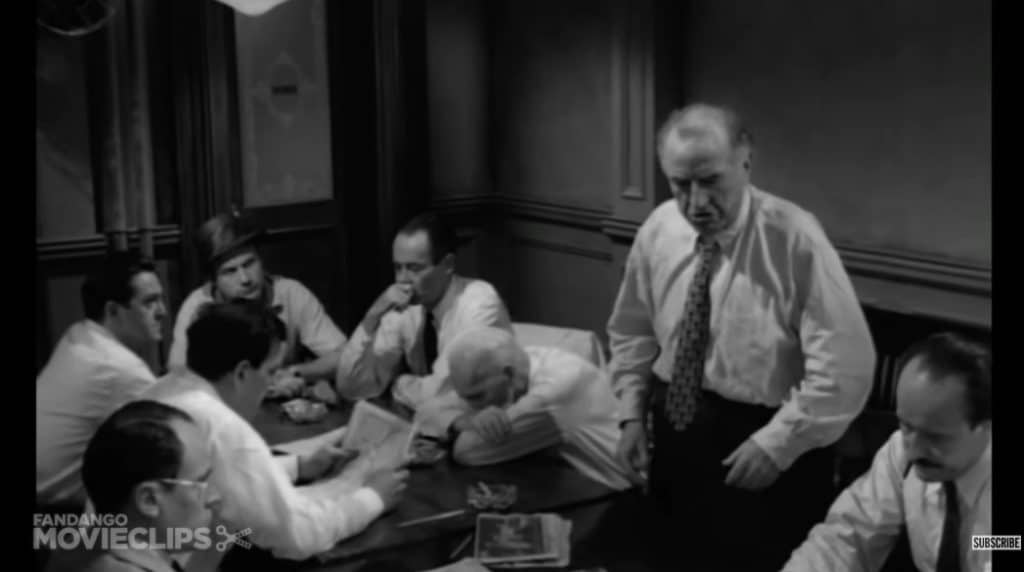
In a film full of voices, it’s the willingness to say, “I don’t know” that stands out. Henry Fonda’s character doesn’t force certainty, he models critical thinking and moral responsibility. This scene shows that masculinity doesn’t require bravado. Sometimes, it takes more guts to doubt than to assert. Real men can question themselves.
A Beautiful Mind – “You Are All My Reasons”
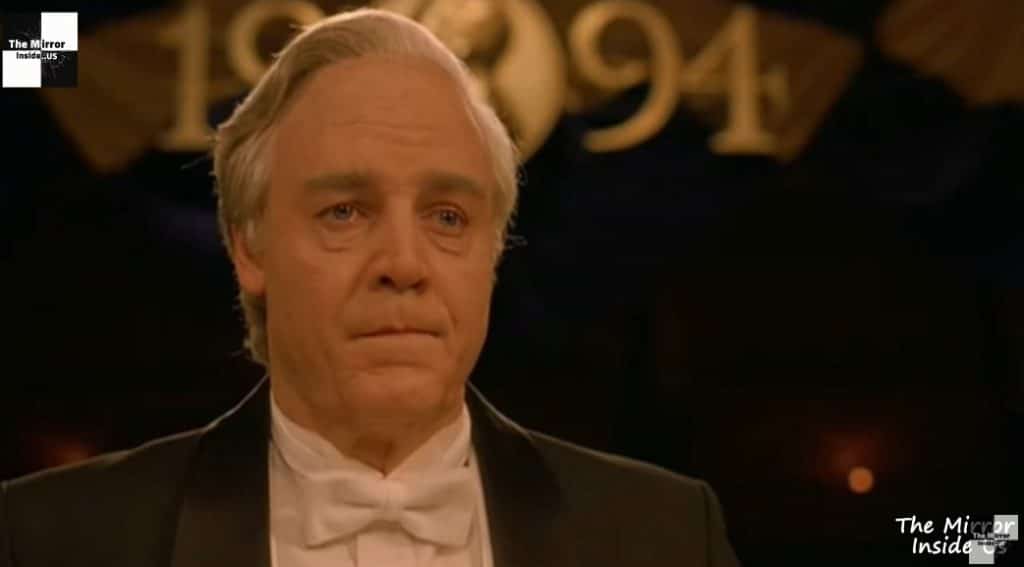
In an emotional speech, John Nash credits his achievements to love, not logic. It’s an intimate moment of public vulnerability, made more powerful because it comes from someone who’s spent a lifetime hiding behind intellect. For many men, admitting emotional dependence isn’t weakness, it’s growth. The quiet dignity of the scene underscores how meaningful connection shapes identity.
The Iron Giant – “You Are Who You Choose to Be”
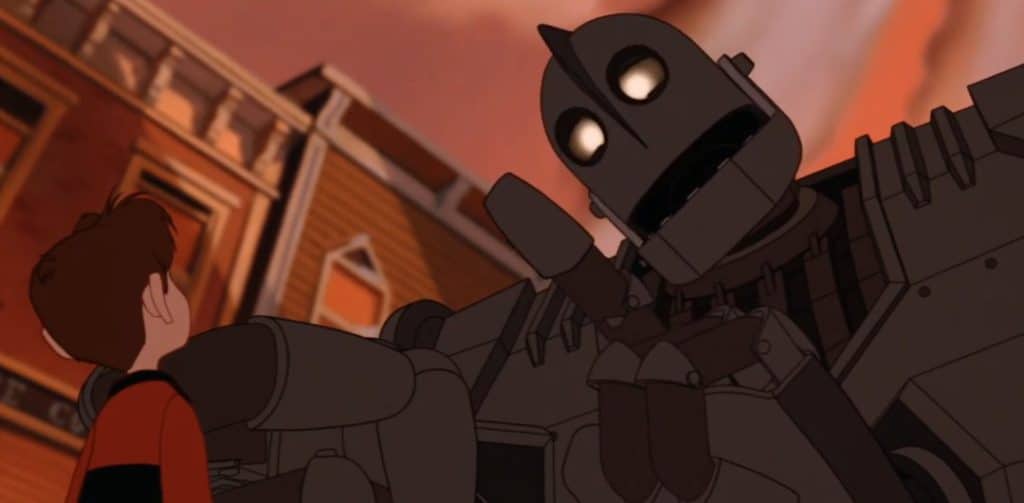
As the Giant sacrifices himself to save the town, he whispers a line that’s become quietly iconic. This isn’t just a scene about bravery, it’s about identity. The Giant, like many men, was built for one purpose but chose another. This speaks to the freedom to rewrite your own script. Masculinity isn’t defined by programming, it’s shaped by choice.
Manchester by the Sea – “I Can’t Beat It”
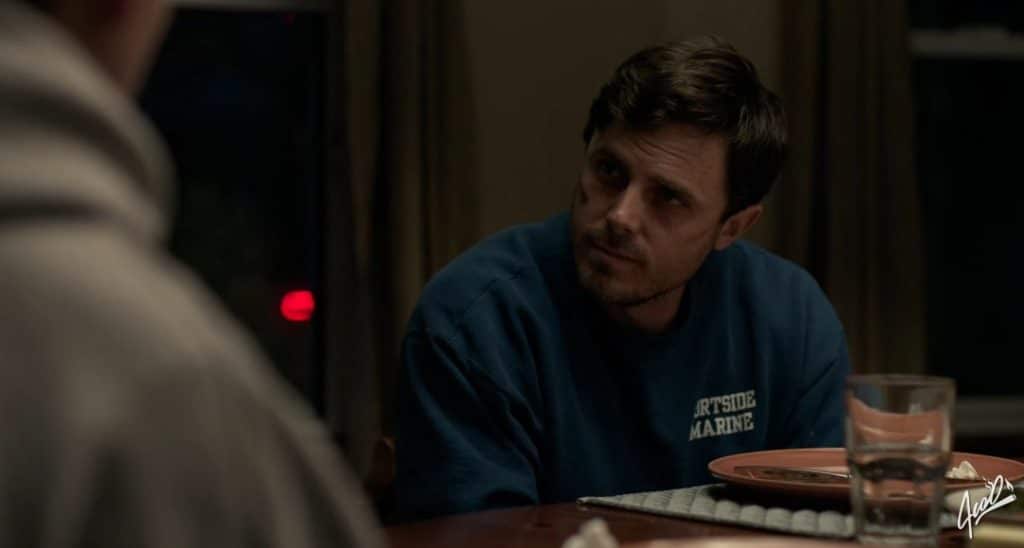
When Casey Affleck’s character confesses that his grief is unfixable, it lands like a punch. It’s not dramatized or loud, it’s quiet, honest, and raw. The idea that some wounds don’t heal is a hard truth many men live with. This scene challenges the myth that time always fixes everything. Sometimes, just surviving is a form of strength.
The Dark Knight – “You Either Die a Hero…”
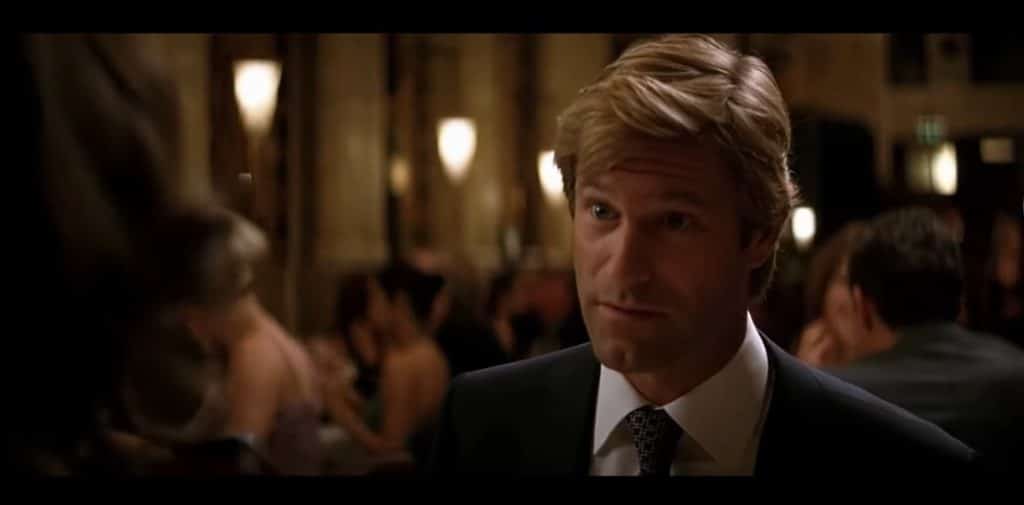
Harvey Dent’s quote became iconic because it captured the weight of moral compromise. Batman embodies the reality that doing the right thing often means being misunderstood, or even hated. This scene hits home for men who’ve had to make sacrifices in silence. Heroism isn’t always rewarding. Sometimes, it’s just doing what needs to be done, even if no one claps.
Big Fish – “A Man Tells His Stories So Many Times…”
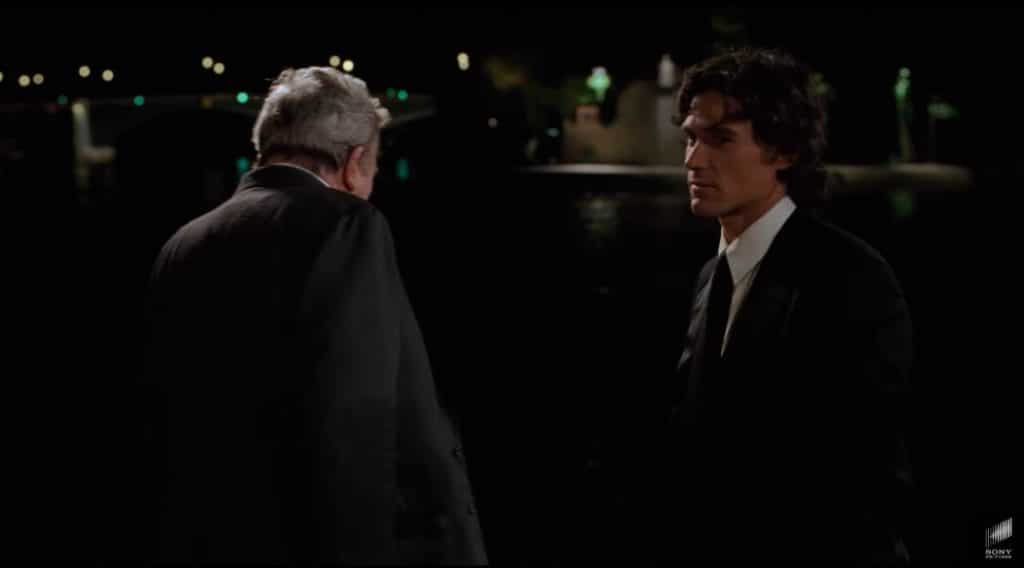
In a final act of love, a son embraces his father’s tall tales and helps him rewrite the ending. This moment captures the bittersweet legacy of fatherhood, how stories become memory, and memory becomes love. For men raised to be stoic, storytelling becomes a kind of intimacy. The truth may be blurry, but the bond is real.
Stand by Me – “I Never Had Any Friends Later on Like the Ones I Had When I Was Twelve”
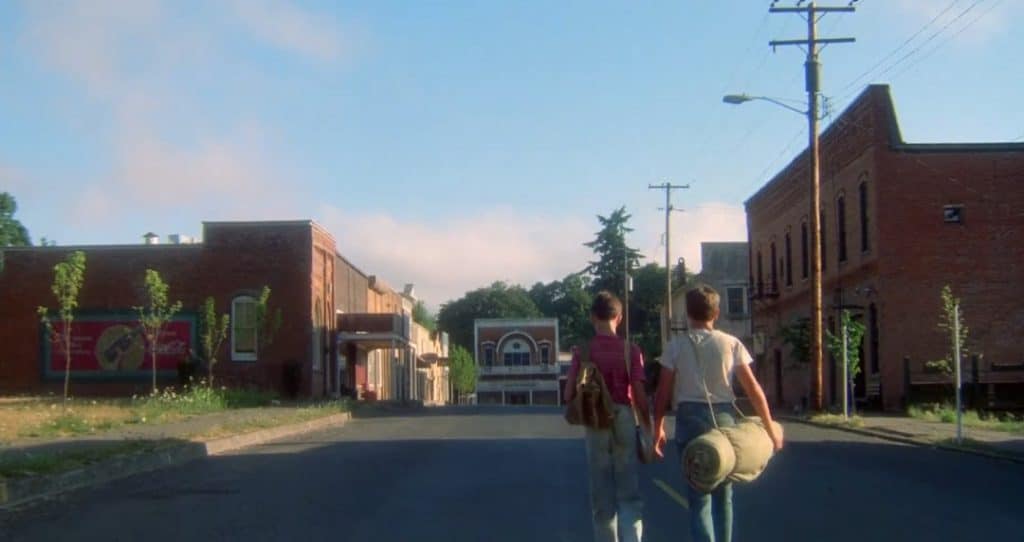
As the film closes, this final line lingers like an ache. Childhood friendships often fade, but their emotional imprint lasts. For men who rarely express nostalgia aloud, this scene hits unexpectedly hard. It reminds us that vulnerability wasn’t always complicated, it used to just be part of being alive.
The Lion King – “Remember Who You Are”

In a spiritual vision, Mufasa tells Simba to reclaim his identity and stop hiding. It’s a simple moment, but one that captures how many men struggle with purpose and shame. Rediscovering who you are, beyond titles, failures, or doubts, isn’t easy. But sometimes, all it takes is being reminded that you’re still worthy of leading your own story.
The Shawshank Redemption – “Get Busy Living or Get Busy Dying”
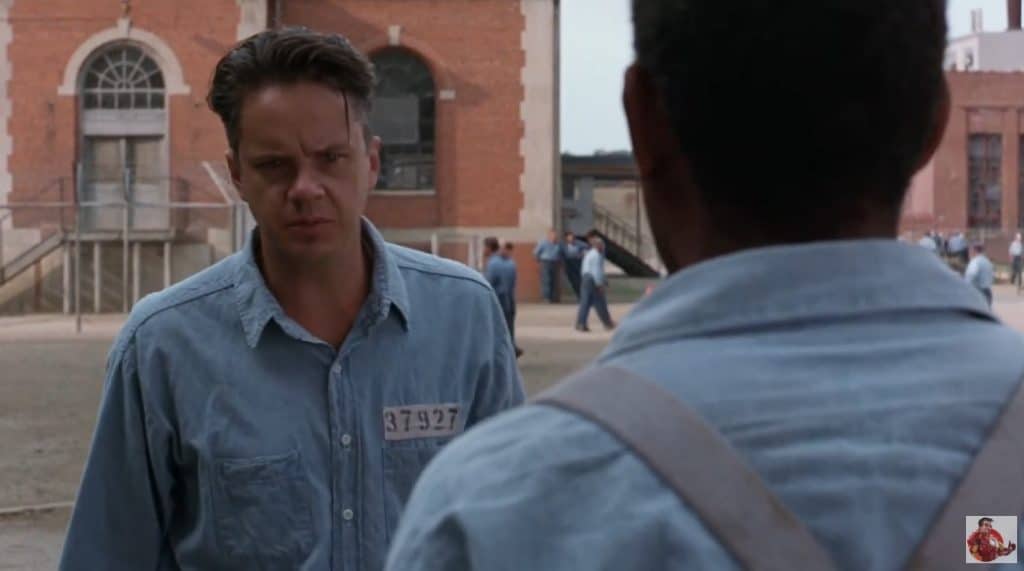
Andy Dufresne’s words carry a quiet force that speaks directly to anyone stuck in survival mode. For many men, the idea of hope feels dangerous, naïve, even. But in this scene, hope is portrayed not as passive, but defiant. It’s a powerful reminder that choosing to live fully is a kind of rebellion in itself.
Ford v Ferrari – “Sometimes You Push Too Hard”
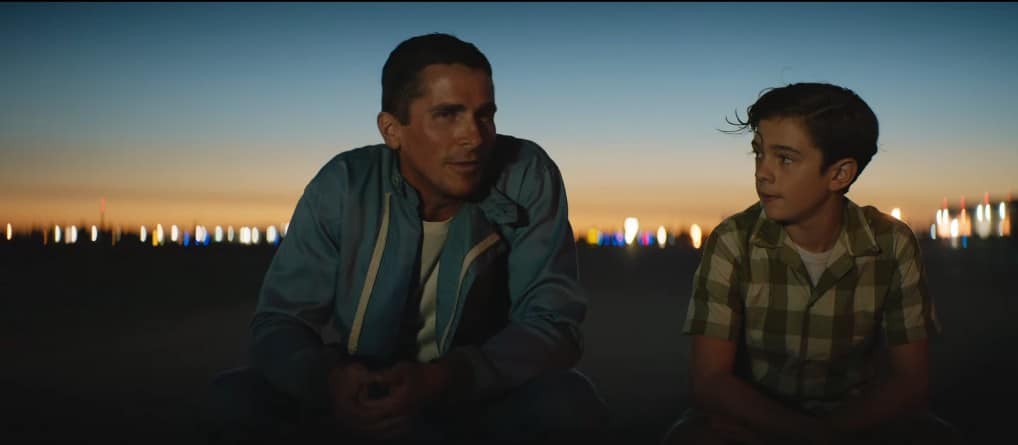
In a moment of quiet honesty, Carroll Shelby tells Miles’ son the truth about ambition, pressure, and consequences. This scene strips back the glamor of high performance and reveals the cost of always pushing. For men raised to chase results at all costs, this pause for reflection is a rare breath of wisdom. Greatness matters, but peace matters more.








Ask Me Anything