
Not every movie hero saves the world with brute force. Some do it by quietly showing up, making hard choices, or embracing change. These characters aren’t just icons, they reflect what men wrestle with: pride, vulnerability, responsibility, and love. This list isn’t about explosions or epic speeches. It’s about the moments that stick with you long after the credits roll. The ones that whisper, not shout.
Atticus Finch (To Kill a Mockingbird)
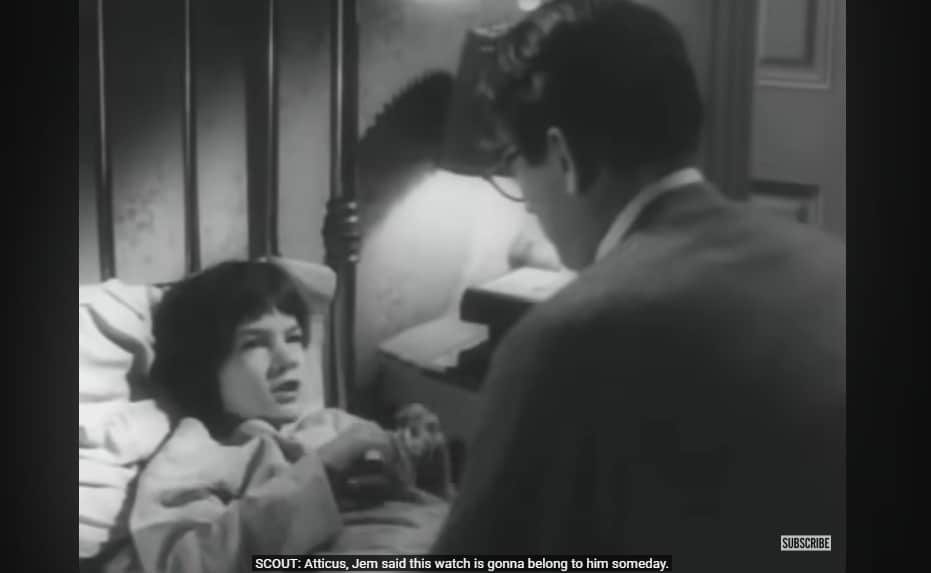
Atticus isn’t flashy, but he’s firm where it counts. He stands for what’s right, even when the town is against him. His version of strength isn’t about physical power, but moral courage. He treats his children with respect, never talking down. Atticus shows that real masculinity can be rooted in justice and humility.
Maximus (Gladiator)
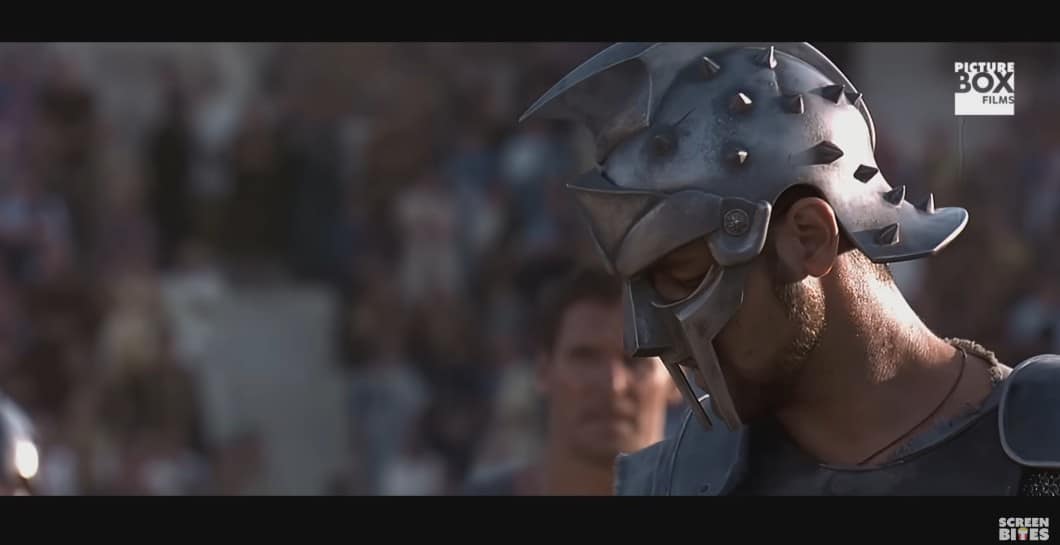
Maximus loses everything but doesn’t lose himself. His grief doesn’t make him weaker, it makes him more focused. He’s not just fighting for revenge; he’s fighting for honor. Maximus shows how staying grounded in values can carry a man through the darkest moments. He turns pain into purpose.
Chris Gardner (The Pursuit of Happyness)
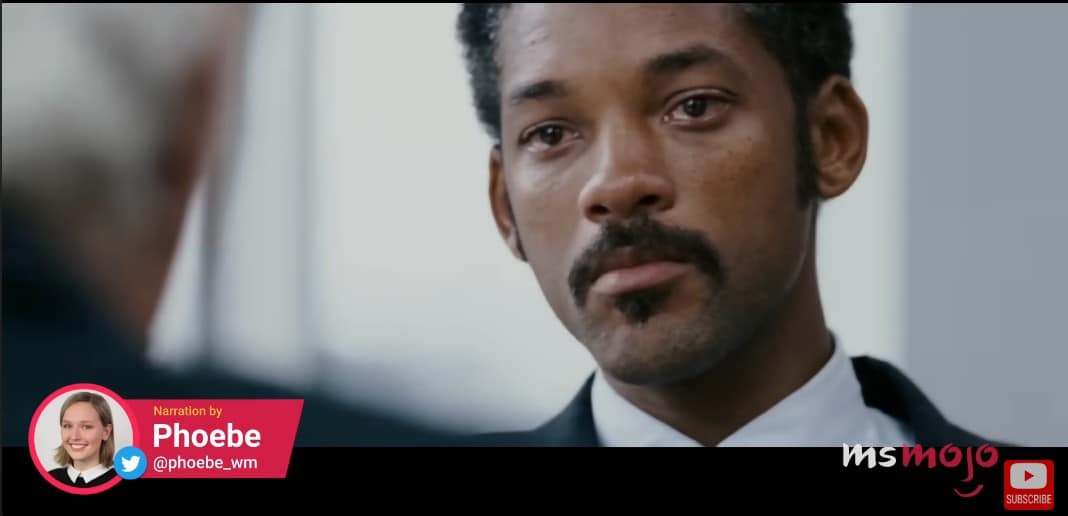
Chris isn’t a superhero. He’s a dad trying to hold it together in the face of impossible odds. He stumbles, he cries, he doubts, and he keeps going anyway. His story is about quiet perseverance and belief in a better future. It’s a reminder that masculinity includes softness, sacrifice, and survival.
Mr. Miyagi (The Karate Kid)
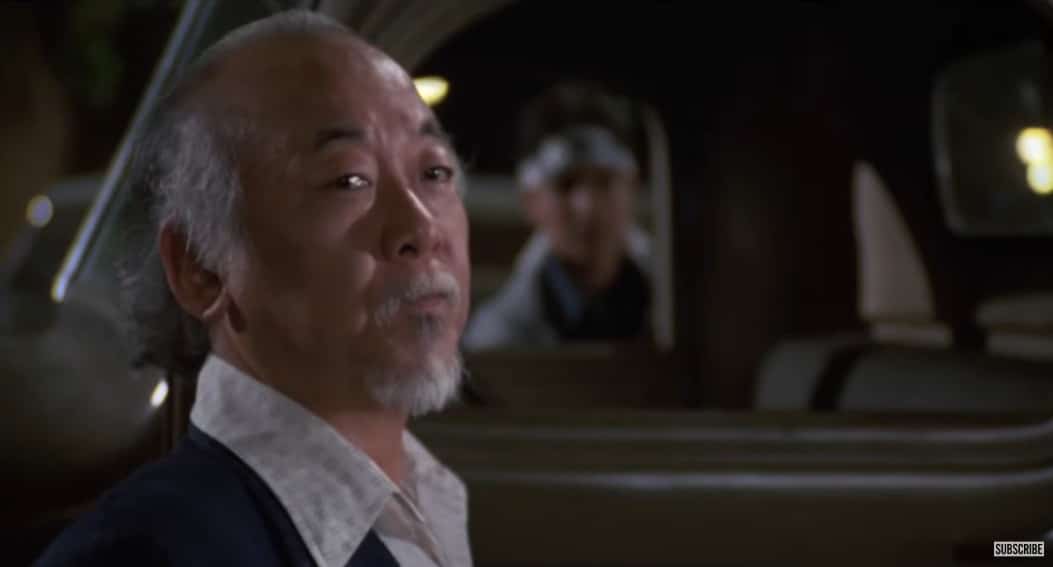
Miyagi teaches Daniel karate, yes, but also patience, character, and restraint. He never yells, never shows off, he just guides with calm authority. His strength lies in stillness and his lessons go beyond the dojo. Miyagi reminds men that wisdom and presence can outweigh physical power.
Andy Dufresne (The Shawshank Redemption)
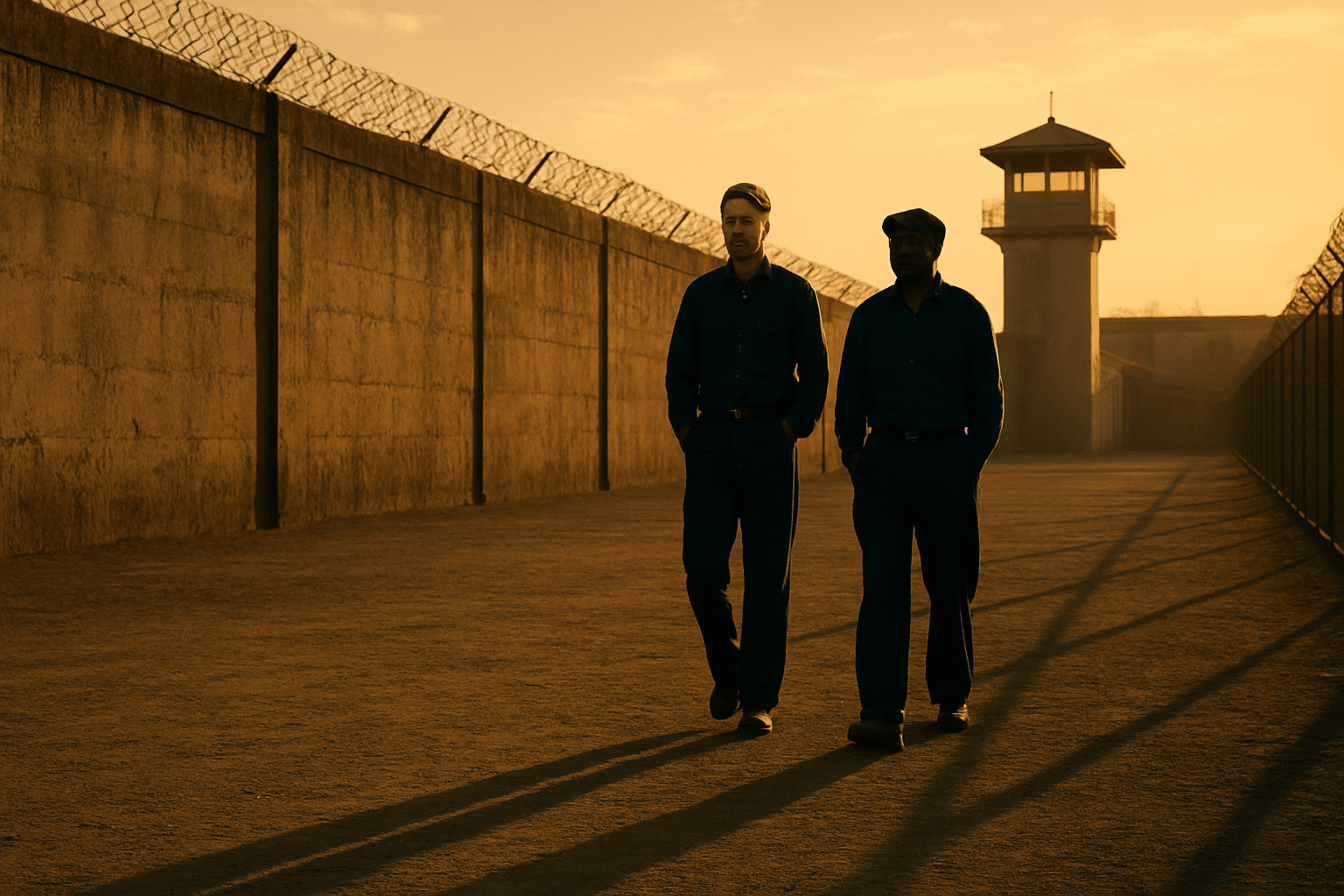
Andy keeps his dignity in a place designed to strip it away. He endures quietly, never becoming bitter. Instead, he plots freedom and keeps hope alive. Andy shows that mental resilience is just as heroic as any physical feat. His escape is a metaphor for staying true to yourself.
Aragorn (The Lord of the Rings)
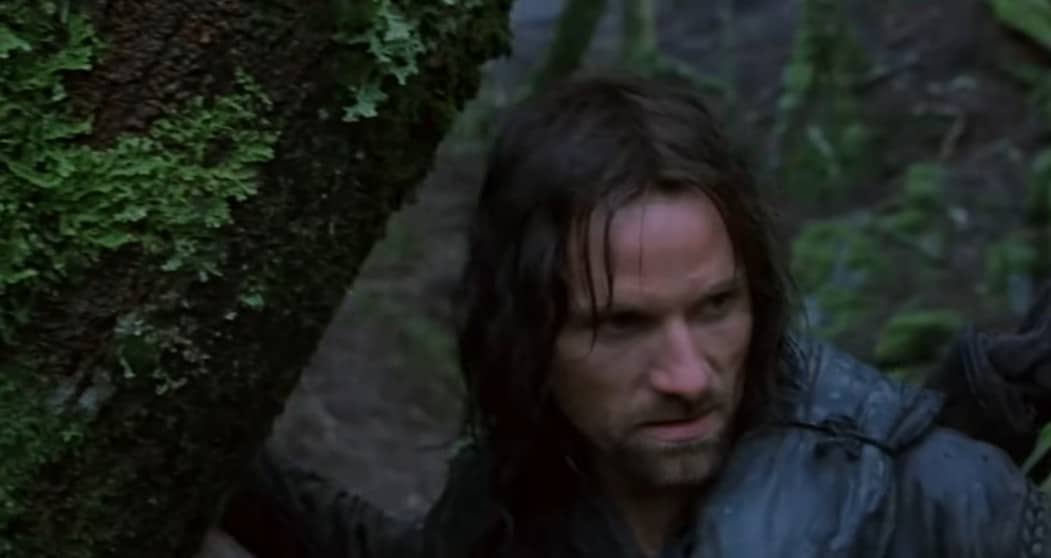
Aragorn is a reluctant leader who doesn’t seek the crown. He earns respect not by status but by action. He protects, leads, and listens. His journey isn’t just heroic, it’s humble. He shows that being a good man is less about destiny and more about daily choices.
Forrest Gump (Forrest Gump)
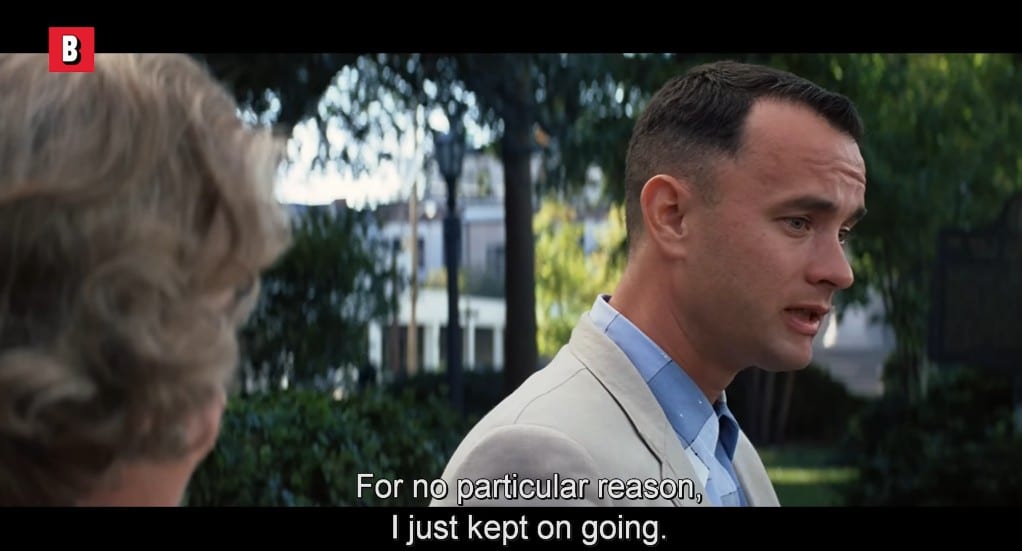
Forrest is simple, but not small. He loves fully, trusts openly, and stays true no matter the chaos around him. He shows how emotional honesty can carry a man further than calculation ever could. His loyalty and sincerity leave a quiet legacy.
Bryan Mills (Taken)
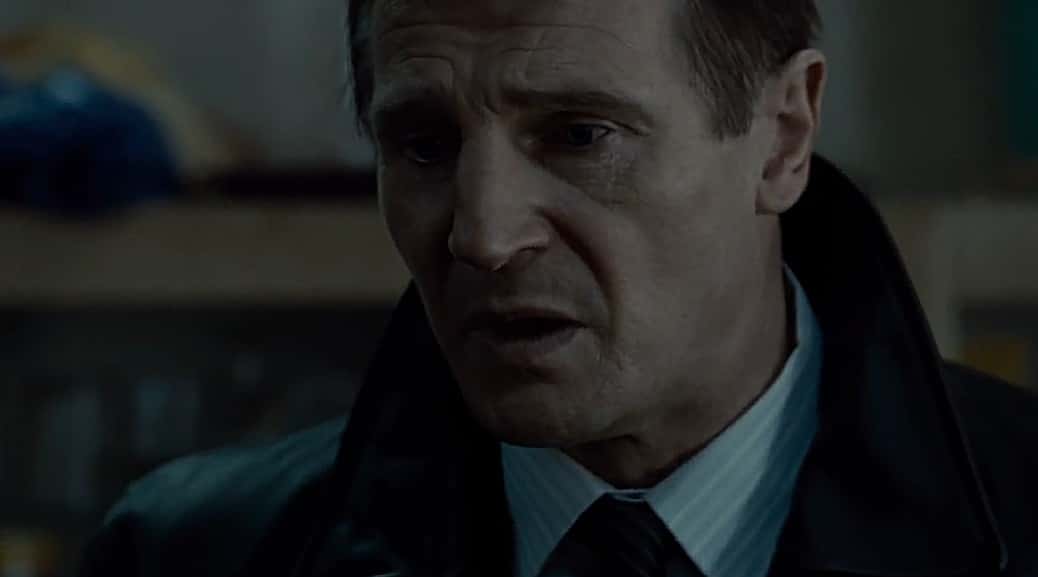
Bryan doesn’t speak in flowery lines, but his actions say it all. When his daughter is taken, he doesn’t hesitate. His protectiveness is relentless. He reminds men of the primal, unwavering drive to protect what they love, even when the odds are overwhelming.
Samwise Gamgee (The Lord of the Rings)
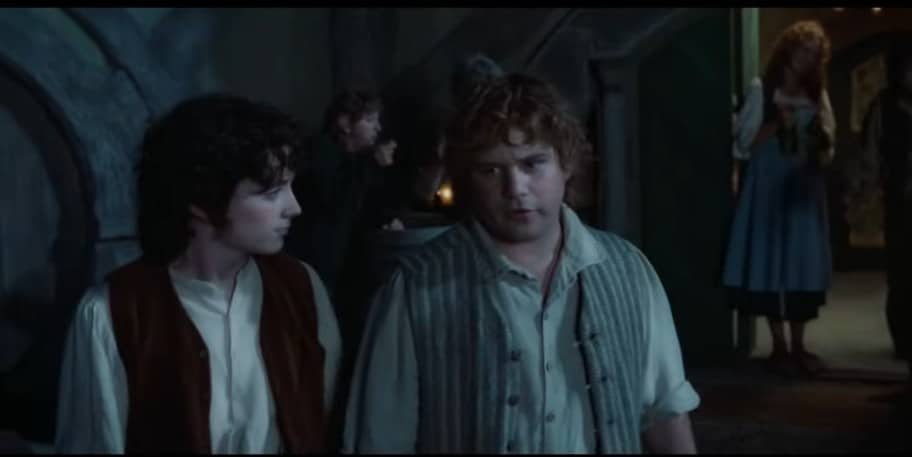
Sam isn’t the chosen one, but he never backs down. He carries burdens not meant for him and shows loyalty that never wavers. He doesn’t need credit, he just needs to help. Sam proves that support, not spotlight, is often where real strength lives.
Captain Miller (Saving Private Ryan)
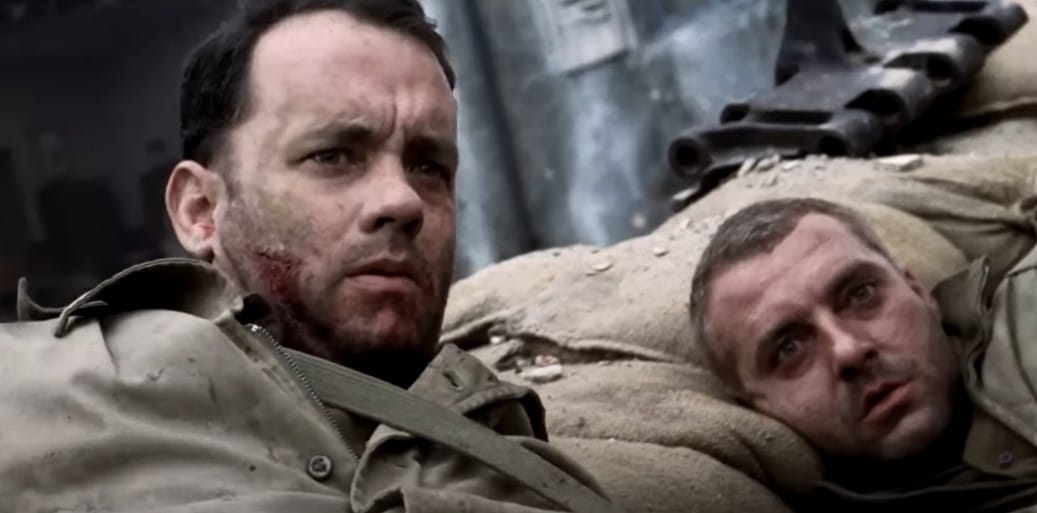
Miller doesn’t glorify war, he survives it with integrity. He leads by example, even as he questions everything. His strength is in his discipline, not bravado. He shows how duty can coexist with doubt, and leadership can come with quiet pain.
Guido Orefice (Life Is Beautiful)
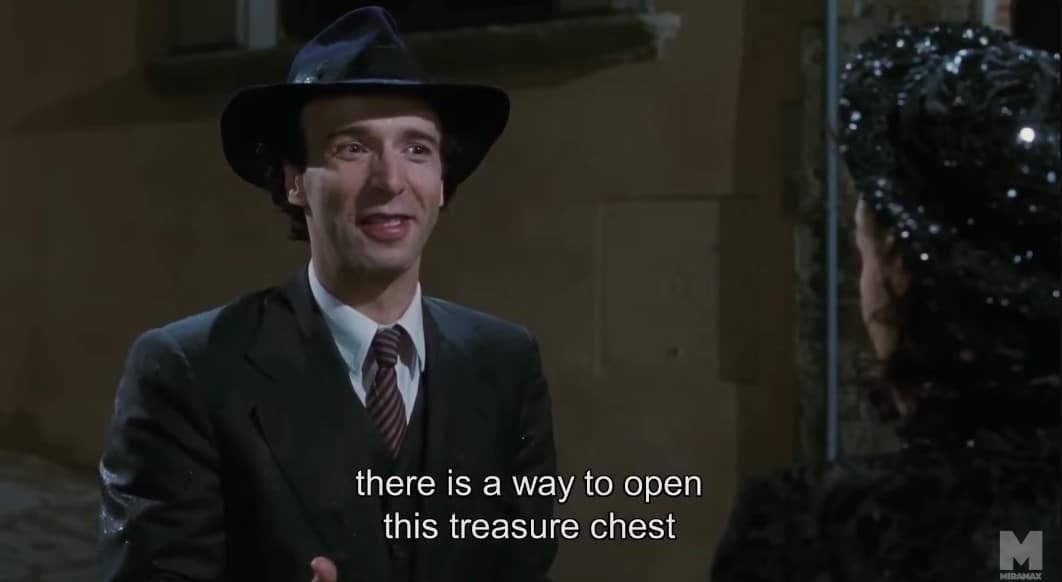
Guido protects his son from the horrors of war with imagination and humor. He creates light in the darkest place possible. His selflessness isn’t loud, it’s playful, brave, and deeply human. Guido shows that love can be both a shield and a sacrifice.
Rocky Balboa (Rocky Series)
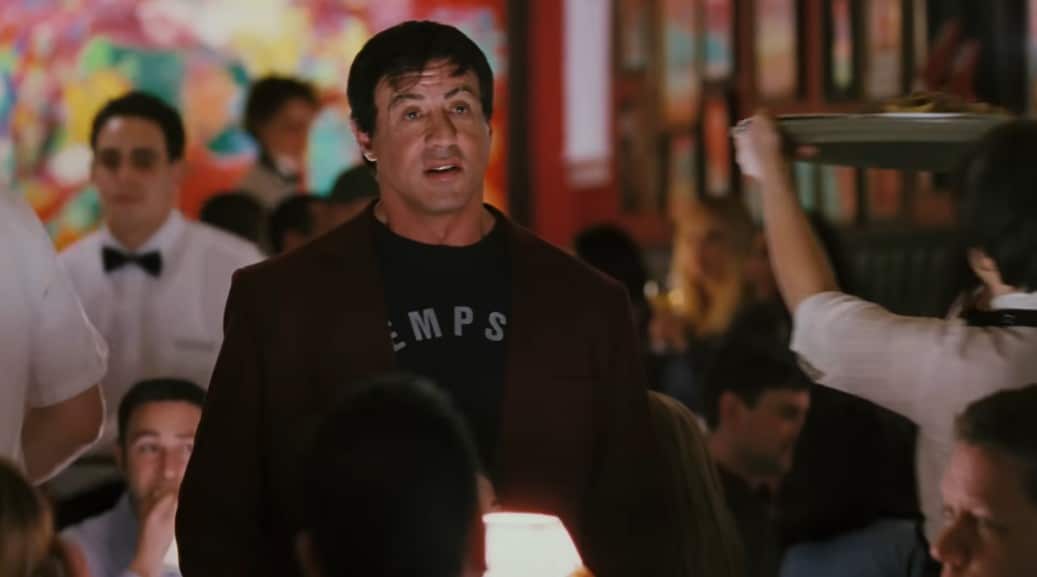
Rocky doesn’t always win, but he never quits. His journey isn’t about fame, it’s about self-worth. He trains, he fails, he loves, and he gets back up. Rocky’s grit is raw, but it’s the heart behind the punches that matters most.
Why These Characters Stick With Men

These men aren’t perfect. Some fight with fists, others with words, and many with quiet resolve. What connects them is not power, but depth. They show men that strength and sensitivity can coexist. And that greatness doesn’t always need a spotlight.
What Real Heroism Can Look Like

For grown men navigating responsibility, identity, and quiet pressures, these characters feel real. They reflect choices, not fantasies. Each one leaves behind a lesson not just in what it means to be heroic, but what it means to be human.








Ask Me Anything