
The 1990s were a transformative decade for video games. It was an era that shifted gaming from pixelated arcade hits to immersive, story-driven experiences. Consoles like the Super Nintendo, Sega Genesis, and the original PlayStation pushed hardware and creativity to new levels. The following 15 titles didn’t just entertain—they left a permanent mark on the gaming world.
Super Mario 64 (1996)

Nintendo redefined 3D gaming with “Super Mario 64” on the Nintendo 64. It brought full 360-degree movement to platformers, setting the standard for 3D level design. The camera mechanics and intuitive controls became a blueprint for future titles. It was a leap not just for Mario, but for the industry.
The Legend of Zelda: Ocarina of Time (1998)
Often called one of the greatest games ever made, “Ocarina of Time” merged storytelling, exploration, and puzzle-solving into one unforgettable journey. It introduced lock-on targeting and immersive world-building. The influence of this title can still be seen in modern open-world games.
DOOM (1993)
“DOOM” didn’t invent the first-person shooter, but it definitely popularized it. Its fast-paced action, modding community, and multiplayer LAN gameplay set the stage for countless shooters that followed. It was raw, intense, and addictive.
Final Fantasy VII (1997)

With cinematic cutscenes, a deep narrative, and unforgettable characters, “Final Fantasy VII” brought Japanese RPGs into global spotlight. It showcased how games could tell emotional, complex stories. It also played a major role in establishing the PlayStation as a dominant platform.
Resident Evil (1996)
©TurkishBullet19/unsplash.com
The original “Resident Evil” introduced the survival horror genre to mainstream audiences. Its tank controls, limited ammo, and eerie mansion setting created a sense of dread that hadn’t been felt in games before. It paved the way for horror as a viable game genre.
Sonic the Hedgehog (1991)
“Sonic” gave Sega a worthy rival to Mario and defined the Genesis era. The character’s speed and level design introduced a new kind of platforming challenge. Sonic became an icon and a key part of the ’90s gaming identity.
Street Fighter II (1991)
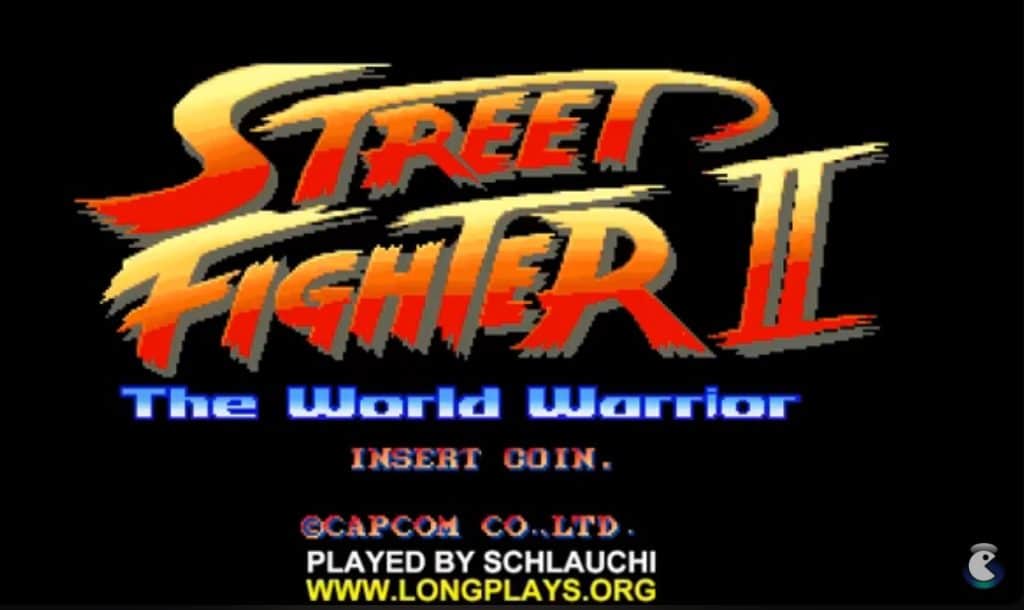
This fighting game revived arcade culture and introduced competitive gaming. With a cast of memorable characters and a precise combat system, it became the gold standard for the genre. Tournaments and head-to-head gameplay thrived because of this classic.
Pokémon Red & Blue (1996)
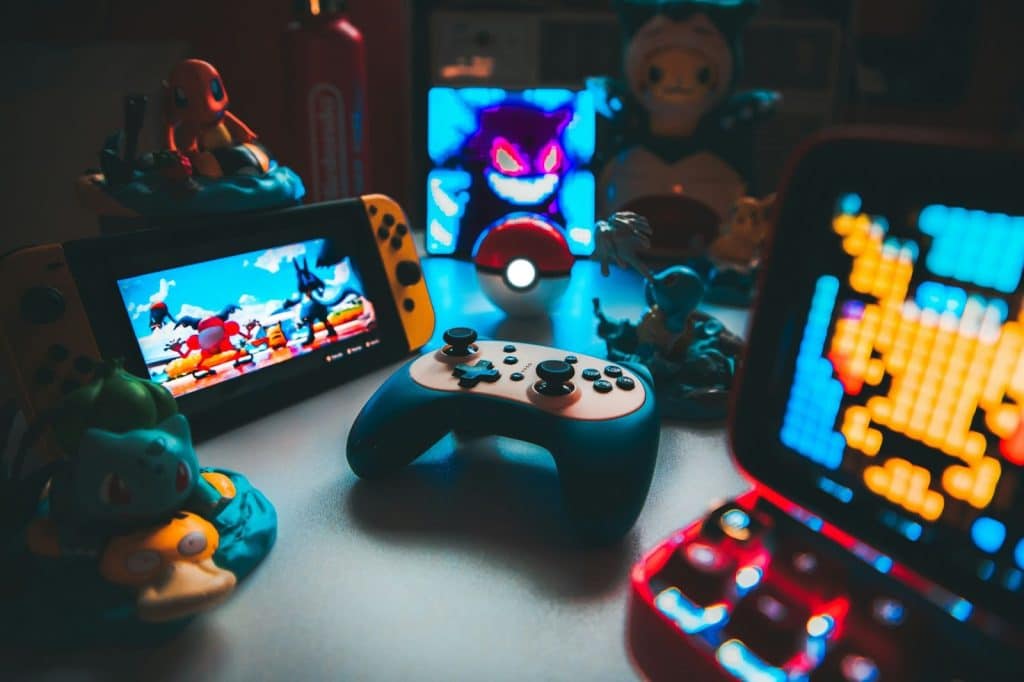
These Game Boy titles created a cultural phenomenon. Trading, collecting, and battling with Pokémon became a social activity that extended beyond the screen. The franchise’s success helped cement handheld gaming’s importance.
Metal Gear Solid (1998)
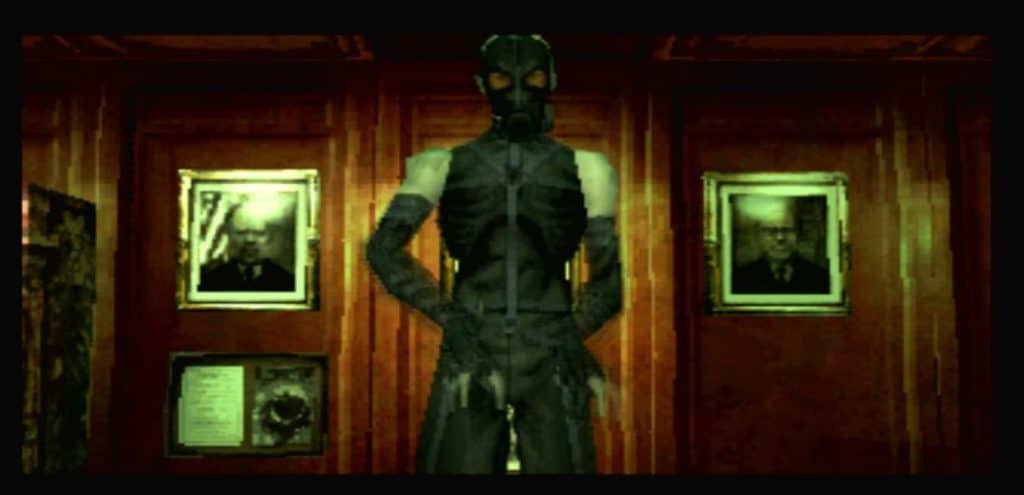
“Metal Gear Solid” brought cinematic storytelling and stealth mechanics to the forefront. Hideo Kojima’s vision blurred the line between film and game. It was ambitious, innovative, and laid the groundwork for narrative-driven games.
Tomb Raider (1996)
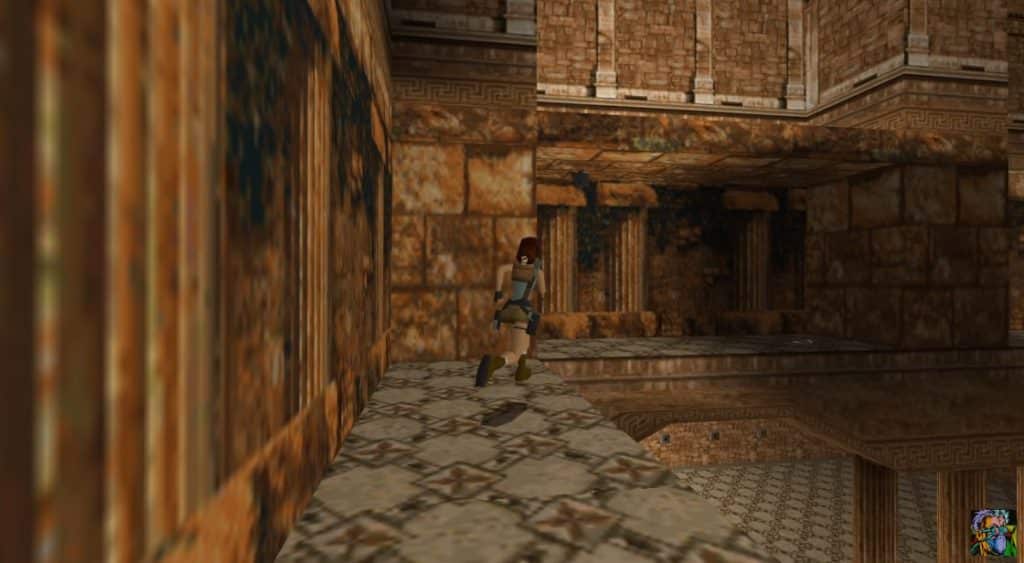
Lara Croft’s debut introduced a strong female protagonist and popularized action-adventure platforming in 3D. The blend of exploration, puzzle-solving, and gunplay captured players worldwide. It also sparked debates on character design and gender in games.
Chrono Trigger (1995)

This time-traveling RPG brought together legendary developers and musicians. It offered multiple endings, emotional arcs, and tight combat mechanics. For many, it remains the pinnacle of 16-bit storytelling and design.
GoldenEye 007 (1997)
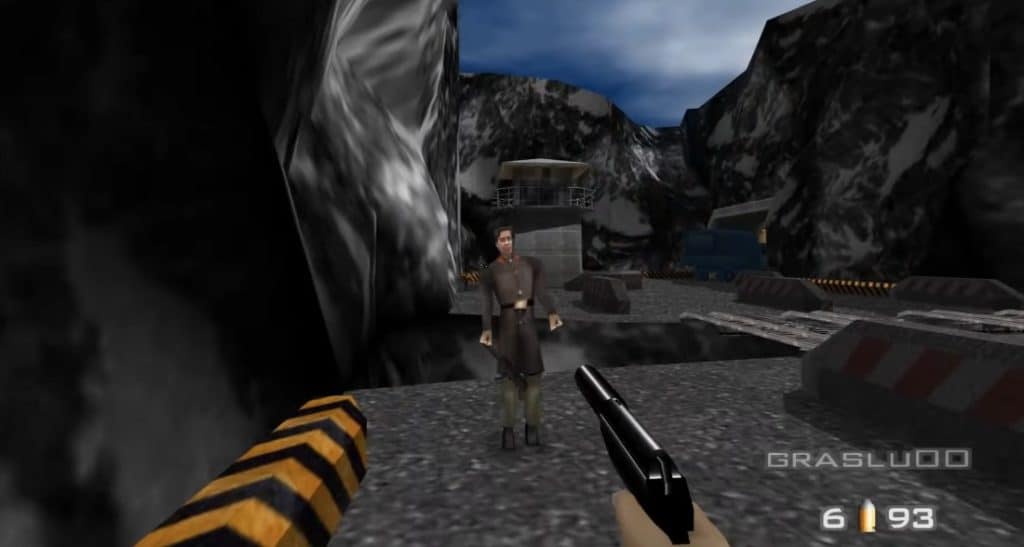
On the Nintendo 64, “GoldenEye” turned first-person shooters into a console mainstay. Its four-player split-screen mode became the stuff of sleepover legend. It also showed that licensed games could be great with the right execution.
StarCraft (1998)
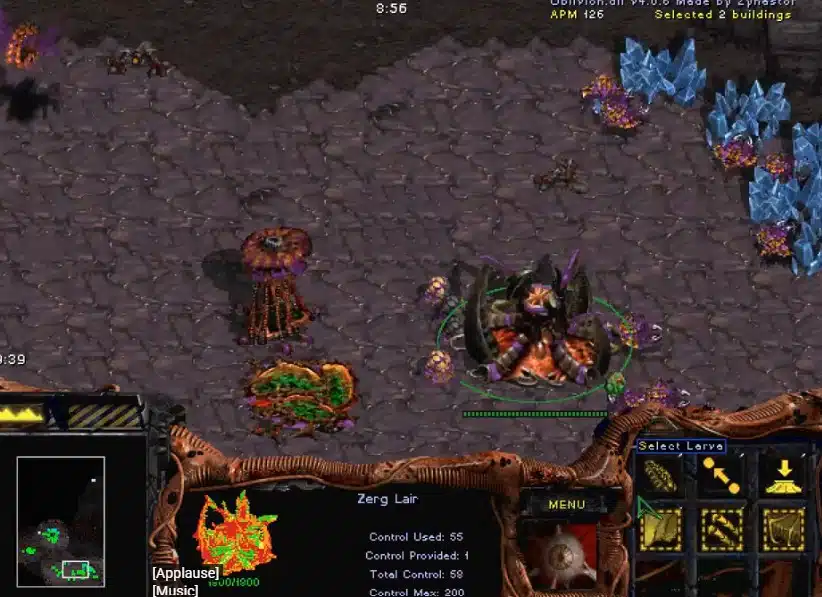
Blizzard’s real-time strategy title launched competitive esports before the term even existed. Its three distinct factions and tight balance inspired a decade of competitive play. South Korea’s gaming culture was especially shaped by it.
Tony Hawk’s Pro Skater (1999)
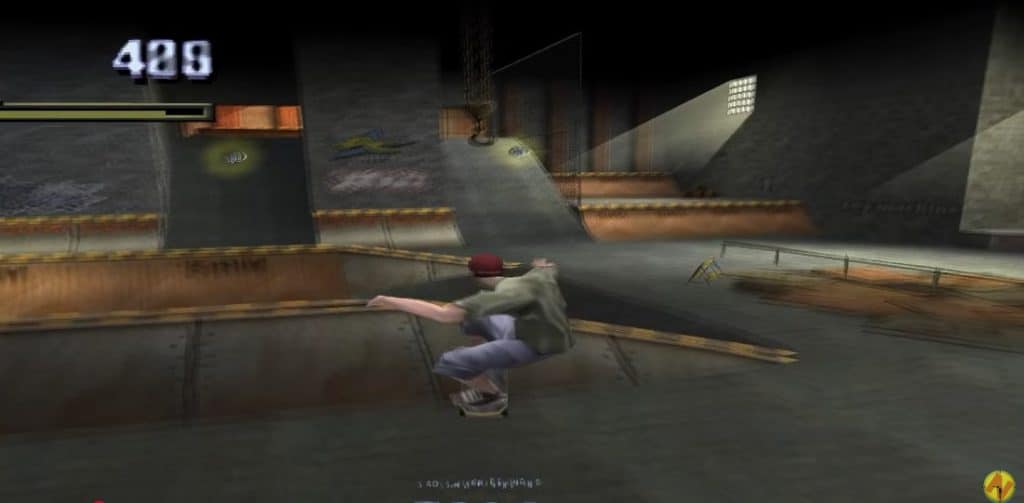
This game turned skateboarding into an accessible, addictive experience. Its soundtrack, fluid controls, and level design made it a hit even for those who never touched a board. It helped bridge gaming and youth culture.








Ask Me Anything