
Love has evolved with the world around it. What once relied on patience, presence, and quiet gestures has transformed into fast-paced connection, constant access, and digital communication. Old-school love thrived on effort and consistency, while modern love often revolves around convenience and instant gratification. Neither era is better, they simply reflect the times people live in. This evolution reveals how love adapts, survives, and still finds a way to mean something timeless, no matter how much the world changes.
Patience vs. Instant Gratification

In the past, love often required waiting, for a letter, a visit, or a call that might come once a week. Today, a text message arrives in seconds, and impatience follows if it’s not answered right away. Old-school relationships valued delayed gratification; modern ones sometimes confuse constant availability with affection. The rhythm has changed, but the desire for connection remains the same. Learning to slow down again can help love feel more meaningful in a world that never stops moving.
Effort Meant Everything, Not Just Access

Before technology simplified communication, people showed care through visible effort, walking miles to see someone, saving for small gifts, or planning moments with intention. Now, effort is often measured in emojis, likes, or brief replies. Convenience has replaced persistence in many relationships, and while that’s not always negative, it has changed how commitment looks. Genuine effort still stands out, it just takes a different form in a world that makes everything easier except deep connection.
Letters That Lasted vs. Messages That Vanish
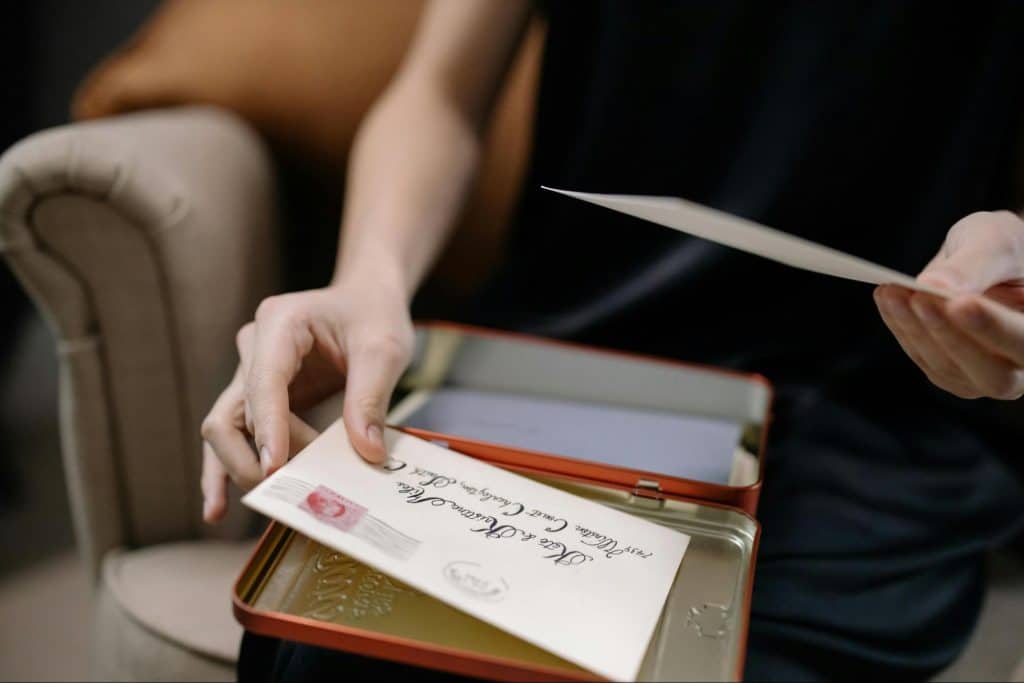
Old-school lovers poured emotion into letters meant to be kept forever. Each word carried thought, and each response carried weight. Today, messages disappear in seconds, lost in an endless stream of chats and notifications. The written word still matters, but its permanence has faded. Modern love has traded keepsakes for screenshots, but the longing to be remembered is still the same.
Real Presence vs. Constant Connection

Being together used to mean being present, sharing silence, laughter, and time without distractions. Now, even when people sit side by side, their attention is split between each other and their screens. The irony is that technology connects couples who are apart but often distances those who are together. The lesson remains timeless: love doesn’t grow from constant contact, but from meaningful presence.
Courtship vs. Casual Dating

Courtship was once intentional, slow, deliberate, and filled with clear intentions. Modern dating, however, thrives on flexibility and freedom, sometimes blurring the line between interest and curiosity. Old-school romance built foundations before intimacy, while modern love often reverses the order. The result is that connection can come quickly but fade just as fast. Still, both forms reveal one truth: love, when sincere, always seeks depth, no matter the method.
Shared Values vs. Shared Moments

Older relationships were often built on shared beliefs, family goals, and long-term plans. Modern couples tend to bond over shared experiences, travel, hobbies, and lifestyle choices. The difference lies in depth versus novelty. While shared values anchor love, shared moments keep it exciting. The strongest modern relationships blend both, finding joy in the present without losing sight of the future.
Stability vs. Stimulation
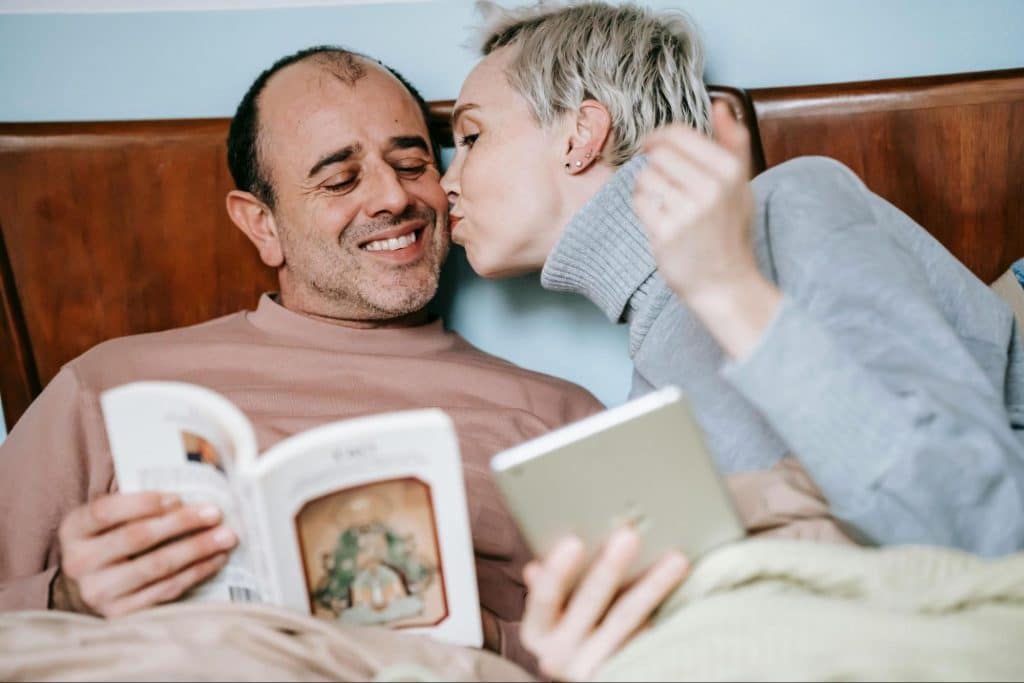
In the past, couples found comfort in routine and familiarity. Today, people often crave excitement, fearing that stability means boredom. Yet, emotional safety, the quiet kind of love that doesn’t demand attention, remains what sustains relationships through time. Old-school love saw peace as proof of commitment, while modern love sometimes mistakes chaos for passion. True love is learning that calm doesn’t mean dull, it means safe.
Communication vs. Performance

Old-school communication relied on honesty, even in disagreement. People spoke to resolve, not to impress. Modern relationships, shaped by social media, sometimes perform love rather than live it. The public display can become more important than the private connection. Real intimacy, however, happens offscreen, where words aren’t filtered and feelings don’t need an audience.
Privacy vs. Public Validation
There was a time when love was private, known only by the people who shared it. Today, love often unfolds online, measured in likes and comments. While sharing isn’t wrong, it can turn intimacy into performance. Old-school couples guarded their love; modern couples broadcast it. Somewhere between secrecy and oversharing lies the balance of protecting what’s real without hiding what’s beautiful.
Fixing Problems vs. Moving On Quickly

Older couples often stayed to work things out, not because it was easy, but because commitment meant endurance. Modern dating offers endless options, making it easier to leave than to repair. Yet, the truth remains: every relationship requires effort. Whether it’s old or new, love still depends on the willingness to rebuild instead of replace.
Apologies Meant Action, Not Words

In the past, saying sorry came with change, an effort to prove sincerity. Today, apologies are sometimes used as quick patches to avoid discomfort. Technology has made communication easier but accountability harder. The couples who last are the ones who remember that remorse means responsibility, not just a message sent at midnight.
Roles vs. Partnership

Traditional relationships often followed clear roles, men as providers, women as nurturers. Modern love, however, values equality and shared responsibility. The shift is empowering but can also create confusion when expectations aren’t discussed. The healthiest relationships blend respect from the past with balance from the present, both voices heard, both efforts valued.
Romance vs. Realism

Old-school love celebrated grand gestures, flowers, poems, and surprises. Modern love leans toward practicality, support, understanding, and shared bills. Both have merit: one feeds the heart, the other sustains the home. True love thrives when both coexist, when passion meets partnership, and fantasy meets everyday effort.
Trust Took Time vs. Trust on Demand

Before, trust was built slowly, through consistency and reliability. Now, it’s often expected instantly, sometimes even before it’s earned. Technology and fast-paced communication make people crave immediate reassurance. Yet, trust still follows the same old rule: it grows quietly, one action at a time, and once broken, it takes patience to rebuild.
Distance Was Physical, Not Emotional

Old-school couples dealt with long-distance love by enduring the wait. Modern couples can video chat daily yet still feel emotionally distant. Physical space isn’t what hurts relationships, emotional disconnection does. The lesson hasn’t changed: closeness comes from understanding, not proximity.
Promises Were Sacred, Not Casual

Commitments once carried lifelong weight, marriage vows, loyalty, and shared responsibility. Today, promises are often casual, made in moments of emotion and forgotten when things get difficult. Love has become more conditional, but its foundation remains the same: promises matter only when they’re honored through consistency.
Forever Used to Mean Work, Not Just Words

Old-school couples understood that “forever” wasn’t a promise of perfection but a choice to stay, grow, and adapt. Modern relationships often chase the idea of effortless love, forgetting that effort is what keeps it alive. True forever still exists, it just demands the same patience, humility, and forgiveness that built it generations ago.
Conclusion, Love Changes, But Its Heart Doesn’t

The way people love may evolve, but the essence of love remains the same. Whether through letters or texts, quiet evenings or video calls, the goal hasn’t changed, to be seen, valued, and understood. The world moves faster now, but love still speaks the same language: patience, presence, and promise. What matters most isn’t how love looks, it’s how deeply it’s felt.








Ask Me Anything