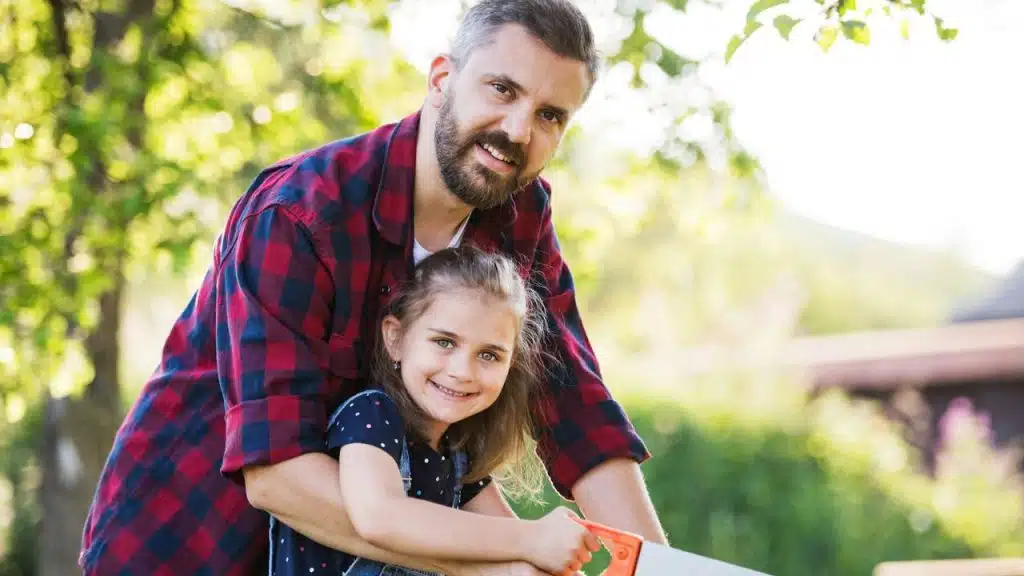
Fatherhood looks different now, and that’s a good thing. Modern dads are showing up in ways that past generations rarely did—emotionally, mentally, and practically. They’re not chasing praise or perfection; they’re building families that actually feel connected. While some people still cling to old stereotypes, today’s fathers are quietly rewriting the playbook with grit, care, and humor. They’re proving that being a good dad in 2025 is about consistency, honesty, and love that shows up every single day.
They Show Up Every Day
Consistency is what separates good intentions from real fatherhood. Modern dads understand that showing up, no matter how small the moment, matters more than grand gestures. They’re at the games, the parent-teacher meetings, and those late-night talks that teenagers never forget. Being reliable teaches kids what trust looks like in action. It’s not about being flawless—it’s about being there, day after day, with no excuses.
They Actually Listen to Their Kids
Today’s dads don’t talk over their kids; they listen. That shift alone changes everything. When fathers take time to really hear what’s being said—without fixing, interrupting, or dismissing—it builds emotional trust. Kids feel valued, not managed. This kind of listening shapes confident, secure children who grow up knowing their voice matters.
They Model Respect Toward Their Partner
Kids notice everything. When dads treat their partner with kindness and respect, they teach by example. Arguments happen, but modern fathers show that disagreements can be handled with maturity. This sets the tone for how their children will treat others as they grow up. Respect becomes something lived, not lectured.
They Teach Skills, Not Just Rules

Modern dads care less about obedience and more about preparation. They’re teaching their kids how to think, not just what to do. From problem-solving to time management, these lessons build independence. It’s about raising adults who can handle life, not just follow orders. Guidance replaces control, and the results speak for themselves.
They Share the Load at Home
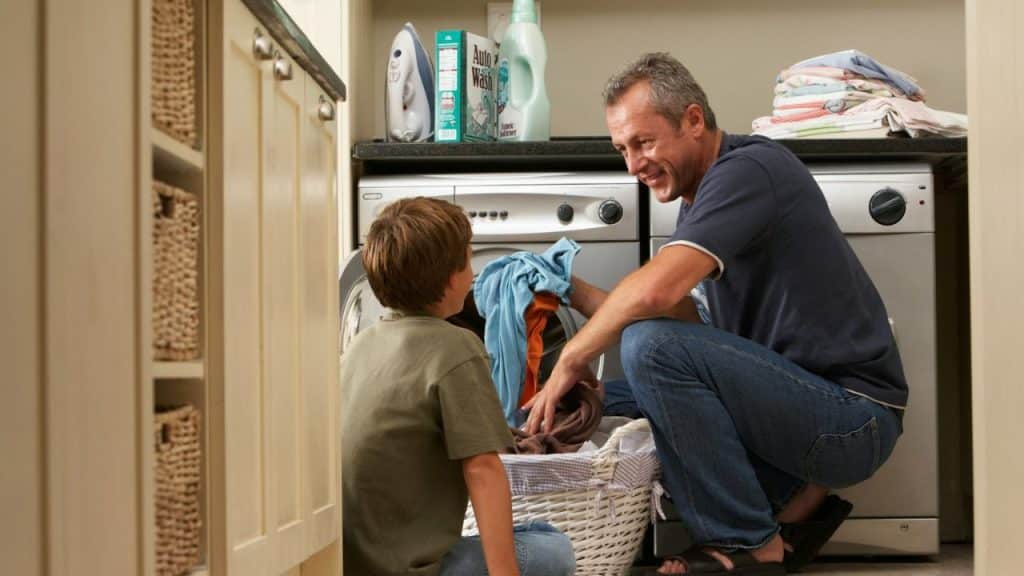
Laundry, dishes, and bedtime stories aren’t “helping out”—they’re parenting. Modern dads treat household work as a shared mission, not a favor. It sends a clear message to kids about respect and teamwork. This kind of balance makes family life run smoothly and teaches sons and daughters what real partnership looks like. Equality isn’t a slogan for them; it’s a daily practice.
They Put Mental Health on the Table
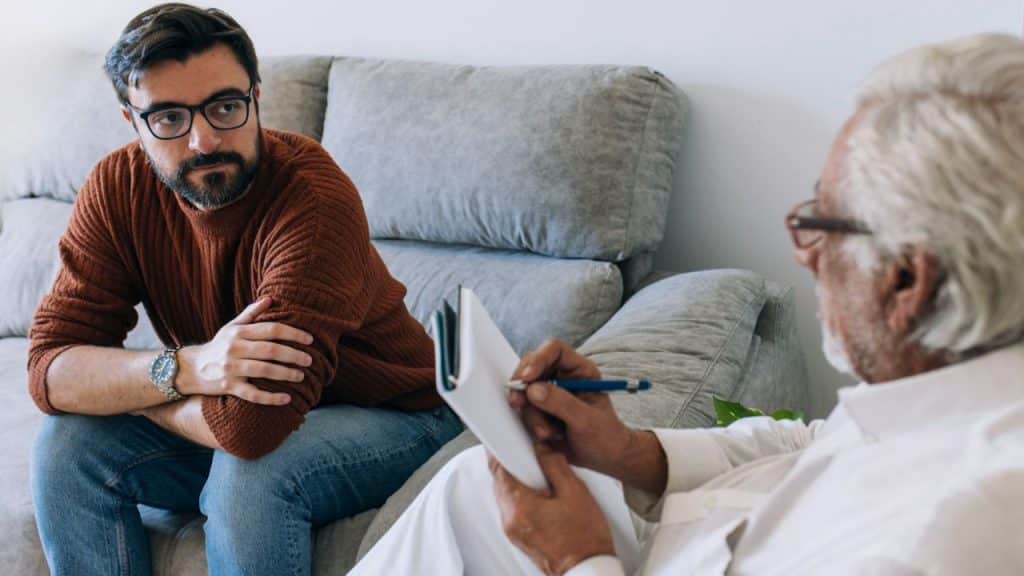
The strongest dads aren’t the ones who hide their stress; they face it head-on. Talking about therapy, burnout, or emotional fatigue doesn’t make them weak—it makes them human. When fathers open up, kids learn that vulnerability and courage can exist in the same space. It normalizes the idea that mental health deserves attention, not silence.
They Stay Involved After Divorce
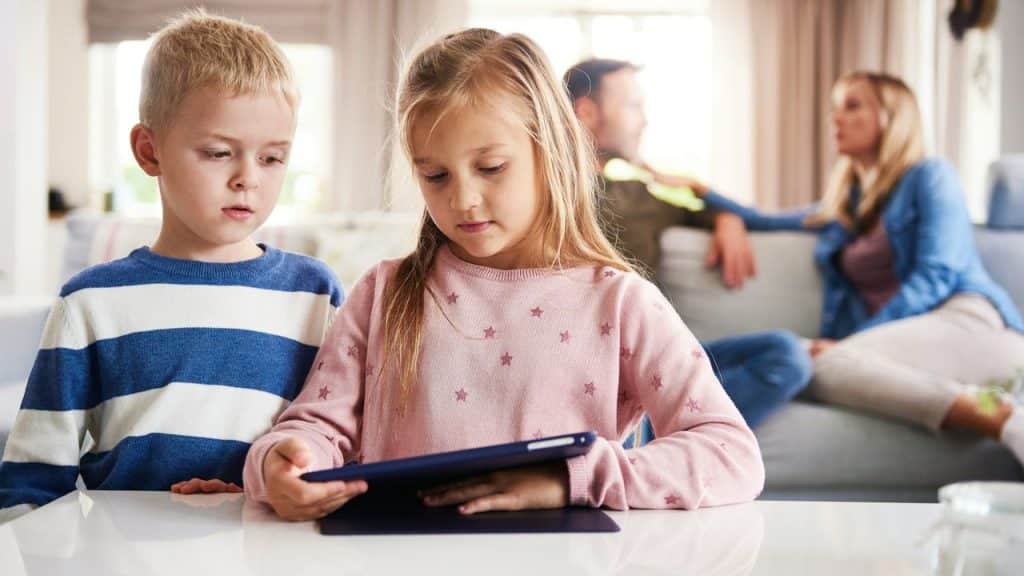
Divorce doesn’t define modern dads. Many continue to show up for every milestone, proving that separation doesn’t mean disconnection. They understand that co-parenting takes patience and communication, not competition. These dads fight for presence over pride, and that stability helps kids adjust, grow, and feel secure no matter the family setup.
They Value Quality Time Over Perfection
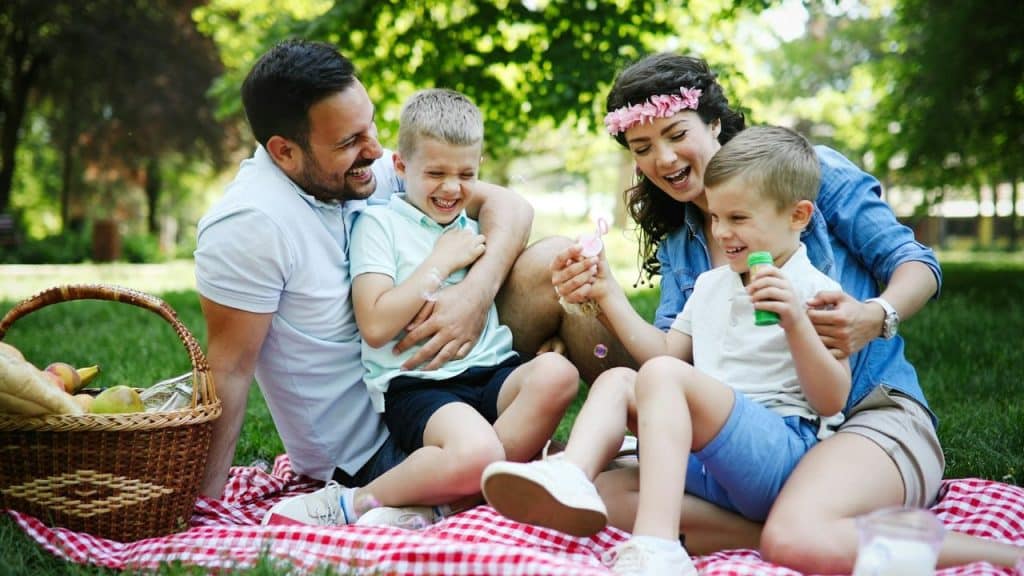
The best dads know the real moments happen in between the big ones. Whether it’s a quick breakfast chat or shooting hoops after work, they focus on genuine connection. Kids don’t need a superhero; they need a parent who shows up without a script. Those quiet, consistent moments are what shape lasting bonds and memories that stick for life.
They’re More Hands-On With Learning
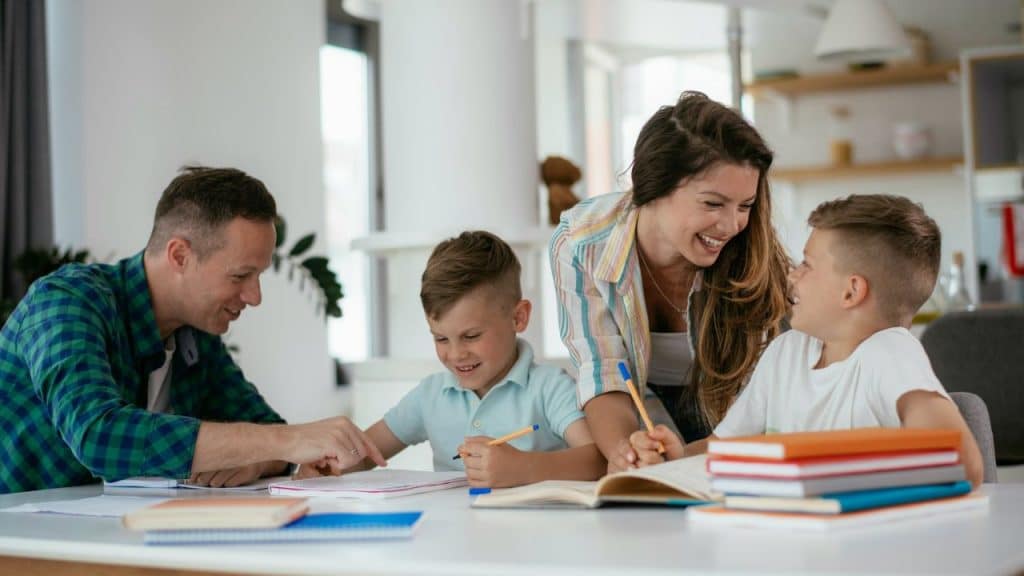
Gone are the days when dads stayed out of homework or school projects. Now, they’re building volcanoes, solving math problems, and learning side by side. Being involved in education strengthens connections and shows kids that learning is a shared journey. It’s not about doing it perfectly—it’s about doing it together.
They Embrace Technology Wisely
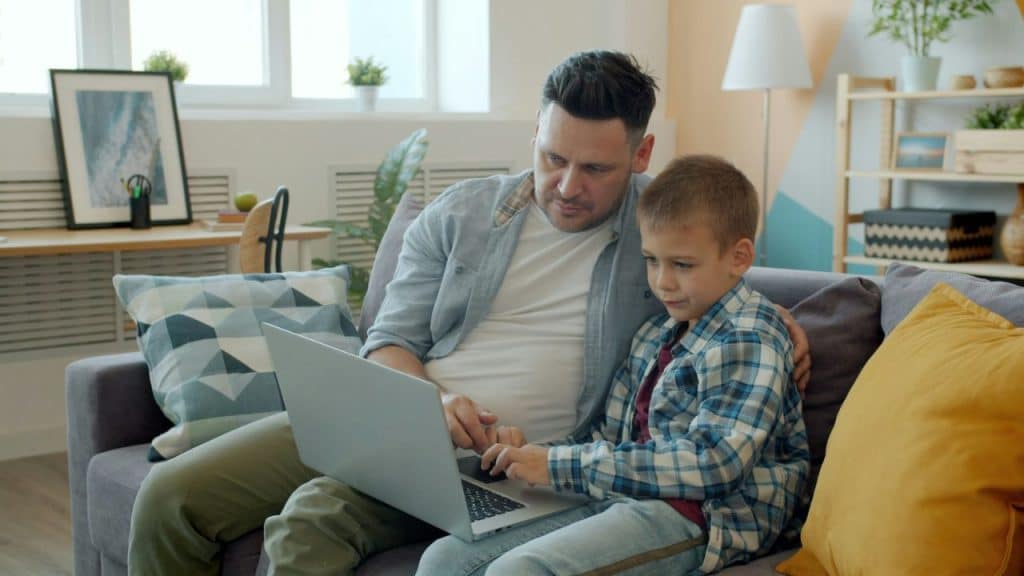
Instead of banning screens, modern dads use them as tools for connection and learning. They stay aware of what their kids watch, play, and follow. By leading the digital conversation, they teach balance instead of fear. Technology becomes something managed with intention, not avoided. Their example shapes how the next generation navigates the online world.
They Don’t Hide Affection

Hugging your kid doesn’t make you soft—it makes you secure. Modern dads don’t shy away from affection because they know love is power, not weakness. A simple hug, a pat on the back, or saying “I love you” carries more weight than any lecture. It builds trust, confidence, and emotional strength in kids who grow up knowing they’re valued.
They Stay Fit for Themselves and Their Family

Modern fathers see health as leadership, not vanity. Staying active and eating well sets the tone for everyone at home. It shows commitment to longevity, energy, and presence. Kids notice when their dad takes care of himself, and it shapes how they see discipline and responsibility. A strong dad isn’t about muscles—it’s about showing up with vitality.
They Apologize When They’re Wrong
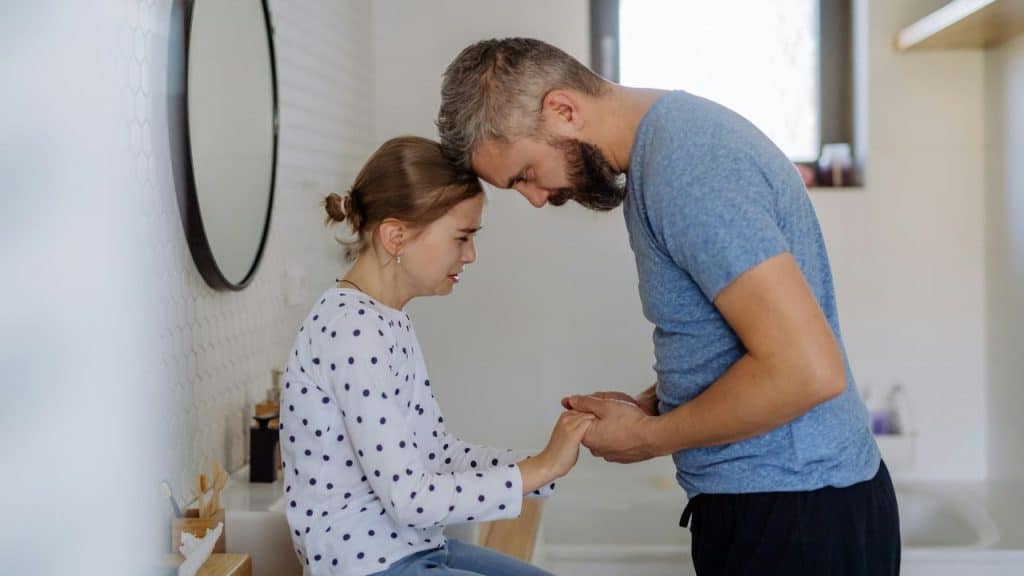
Owning up to mistakes takes courage, and modern dads aren’t afraid to do it. Saying “I was wrong” teaches humility far better than lectures ever could. It shows kids that respect is earned through honesty, not authority alone. That kind of accountability creates a home built on trust, not fear.
They Raise Emotionally Intelligent Kids
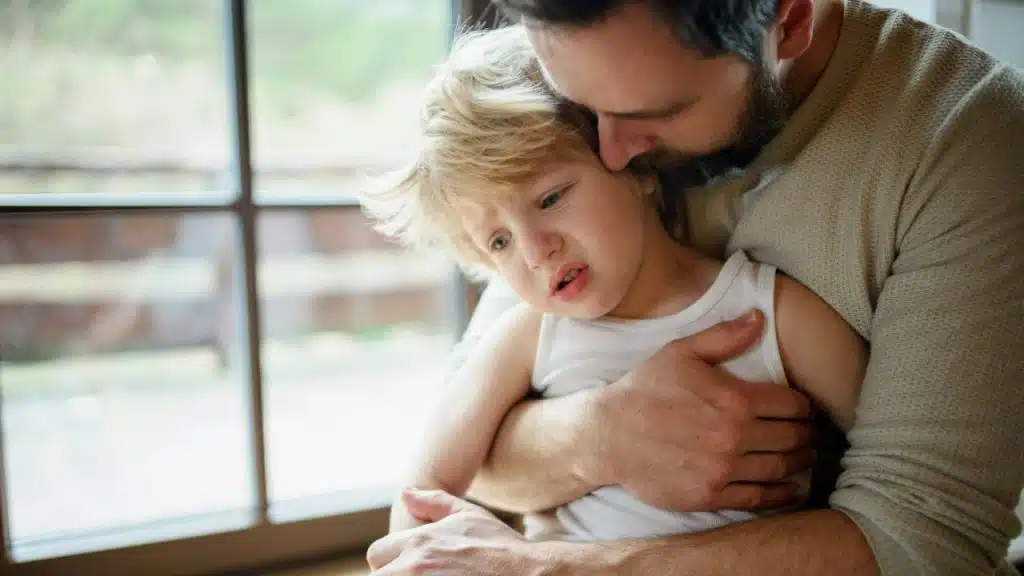
Fathers today don’t just teach discipline; they teach empathy. They encourage open talks about feelings and help their kids understand emotions instead of suppressing them. This emotional awareness builds stronger relationships and better decision-making. The result is confident kids who grow into adults capable of understanding themselves and others.
They Redefine “Strong” for the Next Generation
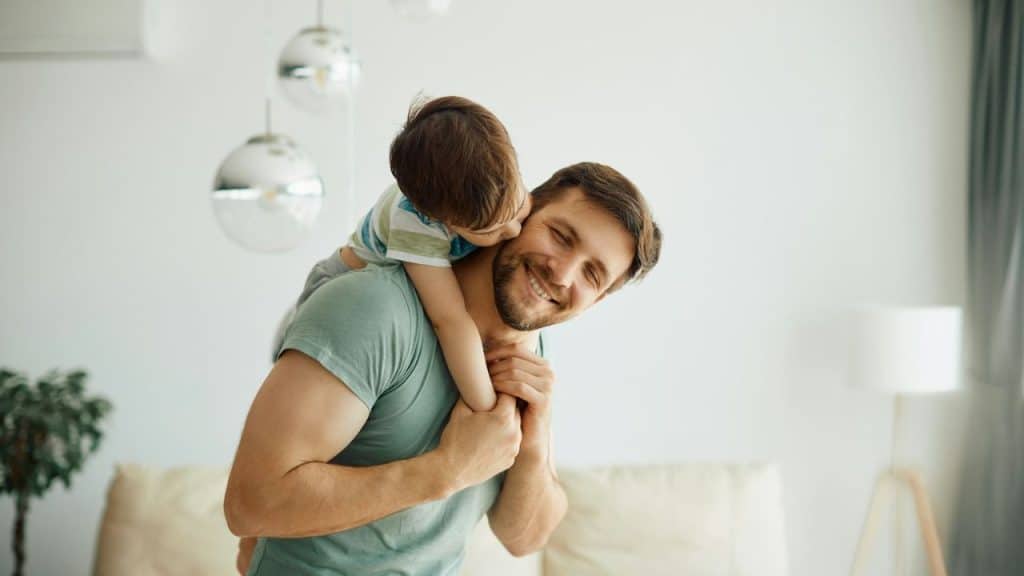
Strength used to mean toughness. Now, it means showing up with heart and integrity. Modern dads prove that you can be firm without being harsh, protective without being controlling. They’re redefining masculinity for their sons and daughters alike. The next generation will know that true strength is built on compassion, not fear.








Ask Me Anything