
Relationships today come with a whole new set of challenges. Our parents and grandparents navigated their partnerships with fewer distractions, less comparison, and a different understanding of what makes love work. They weren’t scrolling through highlight reels of other people’s relationships or overthinking every text message. They had their own problems, sure, but some of the ways modern couples stumble? Those are brand new.
The mistakes happening now aren’t always obvious. Sometimes they’re dressed up as self-improvement or “working on the relationship.” But when we pull back and compare how previous generations handled things, the differences become crystal clear. And honestly? Some of these patterns are making things way harder than they need to be.
1. Confusing Intensity With Commitment

When everything feels electric and all-consuming from day one, that’s often mistaken for “meant to be.” Previous generations understood that intensity fades, and they were okay with that. They didn’t expect fireworks every single day or panic when things mellowed out.
Now? Couples read the natural cooling-off period as a red flag. They think if it’s not consuming them, something must be broken. (Spoiler alert, it’s not.) Real commitment builds slowly, like trust. It doesn’t announce itself with dramatic declarations at week three.
2. Treating Every Bump Like a Crisis

One bad week becomes “we need to talk about where this is going.” One argument turns into an existential question about compatibility. Older generations? They understood that rough patches were, well, normal. They didn’t dissect every disagreement like it held the secrets to the universe.
Today’s couples can turn a forgotten anniversary into a three-hour deep dive about emotional neglect. And sure, some things deserve serious conversations, but not everything. Sometimes people are tired, stressed, or having an off day. That’s life, not a relationship emergency.
3. Forgetting to Be Thankful

When’s the last time couples actually said “thank you” for the everyday stuff? Previous generations expressed appreciation regularly for dinner, for listening, for showing up. It wasn’t performative. It was basic respect.
Now there’s this assumption that partners should do certain things, so why acknowledge them? But appreciation isn’t about obligation. It’s about recognizing effort, even when it’s expected. Skipping that step creates a dynamic where both people feel invisible (and eventually, undervalued).
4. Thriving on Chaos and Drama

Some couples today practically need the highs and lows to feel alive. They break up, get back together, have explosive fights followed by passionate reconciliations. It’s exhausting to watch and worse to live through.
Previous generations would’ve called that dysfunction, not passion. They valued stability because they understood something crucial. Real love isn’t supposed to wreck your nervous system every other week. If the relationship feels like a telenovela, that’s a problem, not proof of how deep the feelings go.
5. Never Being Comfortable Together

Comfort got a bad reputation somewhere along the way. Now it’s equated with boredom or “settling.” But our grandparents? They loved being comfortable. They could sit in the same room, do separate things, and feel completely content.
Modern couples often feel pressure to always be “on” by planning dates, having deep talks, and keeping things interesting. But relationships need downtime too. If being together in sweatpants watching terrible TV feels wrong, something’s off. Comfort means safety, and safety matters more than constant stimulation.
6. Running Out of Patience Too Quickly

People bail at the first sign of incompatibility now. Different communication styles? Deal-breaker. Takes them a while to open up? Moving on. Previous generations gave things time. They understood that people grow, adapt, and learn each other’s languages.
There’s less willingness now to work through the awkward early stages or the challenging middle ones. Everyone wants the finished product without doing the assembly. But patience isn’t about tolerating mistreatment. It’s about giving something real a chance to develop.
7. Constantly Measuring Up Against Other Couples

Social media turned relationships into a competitive sport. Couples compare their insides to everyone else’s outsides and come up short every time. Previous generations didn’t have this problem because they weren’t watching everyone else’s curated highlight reel.
They focused on their own partnership without wondering if they measured up. Now? People see an engagement announcement and immediately question their own timeline. They see vacation photos and wonder why their relationship isn’t that photogenic. (Plot twist, nobody’s actually is.)
8. Taking Everything Too Seriously

Every interaction gets analyzed to death. A delayed text response becomes “breadcrumbing.” A cancelled plan means they’re losing interest. Previous generations could shrug things off without spiraling into worst-case scenarios.
Of course, some behaviors deserve attention, but not all of them. Sometimes a cigar is a cigar, and a bad mood happens literally because someone had a terrible day at work. Reading into every little thing creates problems that weren’t even there to begin with.
9. Making Loyalty Conditional

“I’ll stay as long as I’m happy” has become the default position. And while nobody should stay in a miserable situation, previous generations understood that loyalty meant sticking around through hard seasons, not bouncing when things got difficult.
They committed to working through problems instead of keeping one foot out the door. Modern couples often have an exit strategy before they’ve even tried to fix what’s broken. That constant backup plan? It undermines the whole foundation.
10. Thinking Space Means Distance

Needing time alone gets interpreted as pulling away. Previous generations gave each other room to breathe without freaking out about it. They had separate hobbies, separate friends, separate interests, and nobody panicked.
If someone wants a weekend with friends or a few hours to themselves, it triggers insecurity. “Why don’t they want to be with me?” But healthy relationships require individuals, not two people merged into one codependent unit. Space creates perspective, not problems.
11. Letting Ego Get in the Way

Nobody wants to be the first to apologize anymore. Nobody wants to admit they were wrong or that they overreacted. Previous generations understood that pride destroys relationships faster than almost anything else.
They could swallow their ego for the sake of the partnership. Now? Couples would rather be “right” than happy. They’ll let arguments drag on for days because admitting fault feels like losing. (Newsflash: the relationship loses when ego wins.)
12. Being Too Busy for the Small Stuff

Life moves faster now, and couples use that as an excuse to skip the little moments. No time for breakfast together. No time for a proper conversation. No time to actually be present. Previous generations made time because they prioritized it differently.
They didn’t need elaborate date nights to maintain their bond. They connected over coffee in the morning or a walk after dinner. Modern couples schedule intimacy like business meetings and wonder why it feels transactional. Because it is.
13. Hinting Instead of Saying It

“If they really knew me, they’d understand what I need.” That’s the mentality destroying relationships left and right. Previous generations communicated directly because they didn’t expect their partners to be mind readers.
Now people drop hints, get upset when they’re missed, and blame their partner for not “getting it.” But relationships aren’t puzzle games. If something matters, say it out loud. Expecting someone to decode cryptic messages sets everyone up to fail.
14. Setting Expectations Through the Roof

Modern couples expect their partner to be everything. Best friend, therapist, adventure buddy, financial partner, co-parent (even before kids exist), and soulmate. Previous generations had more realistic expectations. They understood one person couldn’t fulfill every single need.
They had friends for certain things, family for others, and their partner for what actually mattered in a partnership. Now when one person can’t be all things, the relationship gets labeled as “not enough.” But that standard? It’s impossible, and it’s burning people out.
15. Refusing To Settle Disagreements
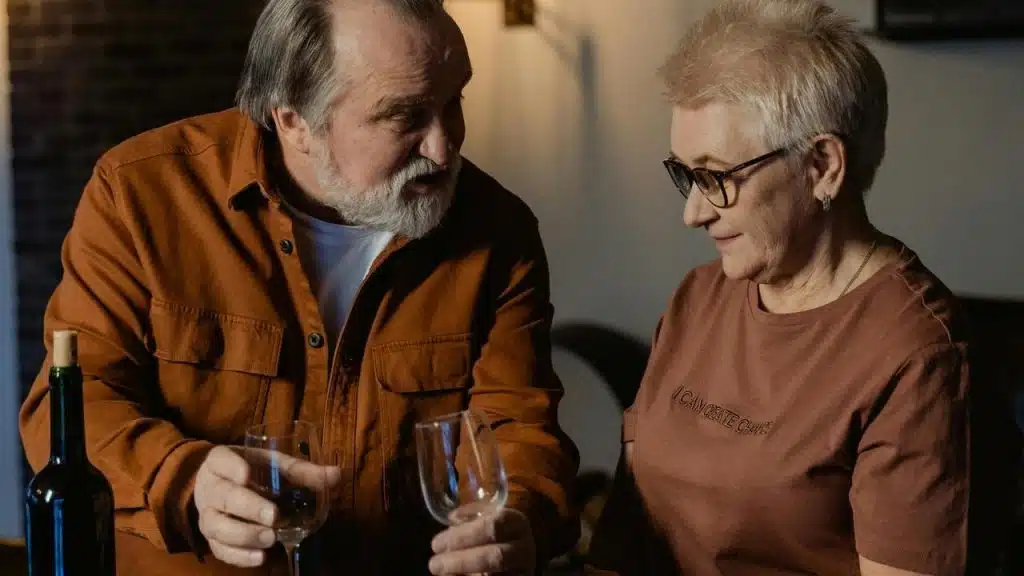
Some couples would rather stay mad indefinitely than actually resolve anything. They bring up past arguments during new ones, keep mental tallies of who wronged whom, and never fully move on. Previous generations believed in forgiveness, actual forgiveness, where you let things go.
They didn’t weaponize old fights or hold grudges for years. They worked through it, came to a resolution, and moved forward. Modern couples collect grievances like trading cards and wonder why resentment builds. You can’t build a future when you’re dragging around every past conflict like deadweight.








Ask Me Anything