
Midlife brings subtle shifts that quietly reshape how men react, communicate, and carry emotional weight in their relationships. What once felt like minor disagreements slowly becomes harder to brush off, not because the issues are bigger, but because life feels heavier. Responsibilities pile up, energy dips, and emotional margins shrink. Discussions that were once resolved within minutes now linger for hours or even days. This introduction explores why midlife makes ordinary friction feel amplified, turning everyday tensions into ongoing strain if they’re not handled with awareness.
He Has Less emotional bandwidth than he used to

Midlife stretches a man’s energy thin, work, family, finances, and aging concerns all demand pieces of him. With fewer emotional reserves, even small disagreements feel overwhelming. What once required patience now drains him quickly. He might respond sharper, withdraw faster, or feel tension longer because he no longer has the same buffer. This shrinking bandwidth turns everyday differences into longer-lasting friction.
Stress builds faster and releases slower

In his 20s and 30s, stress felt temporary; in midlife, it accumulates. The pressure from obligations doesn’t reset overnight. When a minor disagreement happens on top of this existing load, it hits harder. His body reacts instinctively, frustration builds quickly, and recovery takes longer. This delayed release turns small conflicts into lasting tension because he’s operating on emotional leftovers rather than a fresh slate.
He feels responsible for too much at once

Midlife often comes with a silent expectation to hold everything together. Finances, stability, health, and family well-being all feel like they rest on his shoulders. So when a disagreement occurs, it doesn’t feel like one small issue, it feels like one more thing demanding from him. Even simple conversations feel heavier because they press on a sense of responsibility already stretched to its limit.
Changes in physical energy affect emotional reactions

Fatigue hits differently after 40. Long days exhaust him in ways he never expected, and small inconveniences feel bigger when his body is tired. A minor disagreement at night can feel like a major conflict simply because he has nothing left to give. Physical depletion quietly intensifies emotional responses, turning brief friction into drawn-out tension.
He internalizes frustration instead of expressing it

Many men reach midlife without having practiced healthy emotional expression. Instead of addressing conflict directly, he swallows irritation to avoid escalation. But suppressed emotions don’t disappear, they build pressure from the inside. Over time, unresolved frustrations stack, making each new disagreement feel disproportionately heavy.
He’s more sensitive to perceived criticism

Midlife makes men more aware of their shortcomings, insecurities, and limitations. Even gentle feedback can feel like a spotlight on what he thinks he’s failing at. What was once a simple suggestion now feels like judgment. This sensitivity isn’t intentional, it’s a reflection of internal doubts, but it magnifies minor disagreements into larger emotional reactions.
His need for peace grows stronger, making conflict harder

After years of responsibility, many men crave quiet more than debate. When disagreements disrupt that peace, irritation spikes faster. He’s not avoiding the issue; he’s avoiding the emotional cost of conflict. This desire for peace creates tension because even small disruptions feel bigger than they are.
Old resentments surface more easily

Midlife gives men a long memory of unresolved arguments, compromises, or disappointments. A tiny disagreement can trigger older frustrations he never voiced. He’s not reacting to the current situation, he’s reacting to accumulated history. Without intentional communication, these layered emotions turn small conflicts into repeating patterns.
He feels unseen or unheard in subtle ways

When a man feels overlooked, dismissed, or misunderstood, even unintentionally, everyday disagreements start to sting. Minor issues feel symbolic, as though they represent a deeper emotional gap. This quiet sense of invisibility intensifies tension because each disagreement touches a deeper wound.
Life feels more finite, making emotional stakes higher

Midlife brings an awareness of time, time lost, time wasted, and time ahead. Because of this, conflicts feel heavier. He doesn’t want to spend his limited energy arguing, but he also doesn’t want to feel ignored or minimized. This tension between wanting peace and wanting fairness makes small disagreements feel more significant.
He fears repeating old mistakes
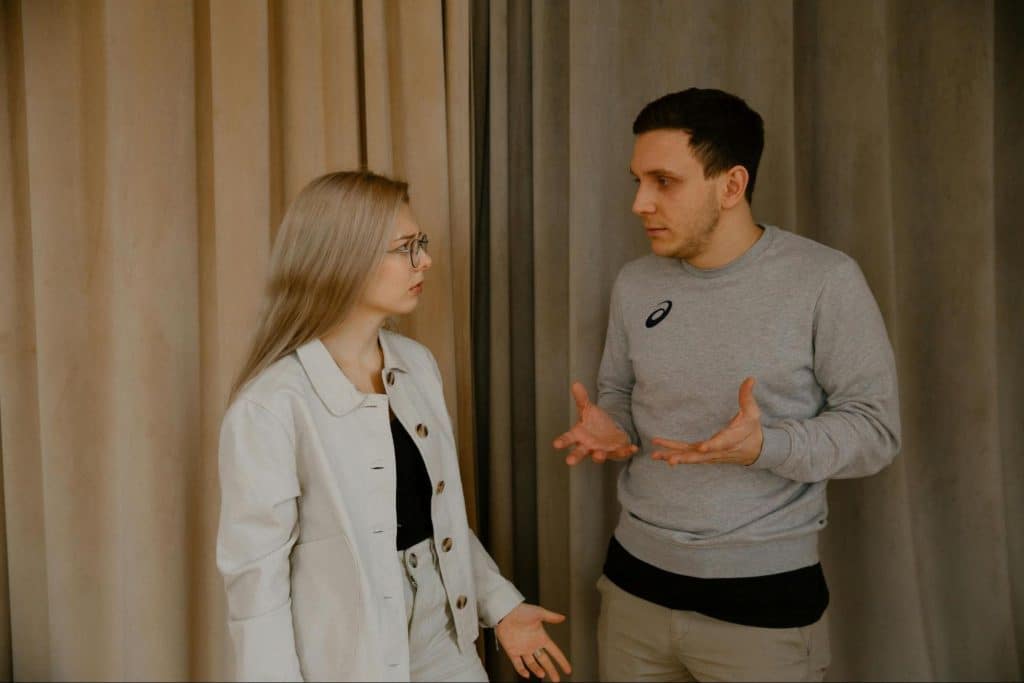
Men often enter midlife with regrets or lessons from previous years. During conflict, he might overreact or shut down because he fears the disagreement could snowball into something bigger, something he’s seen before. This fear shapes his reactions, making even minor issues feel like potential threats to the relationship’s stability.
His tolerance for emotional chaos decreases

Younger men can navigate emotional ups and downs with ease, but midlife reduces his tolerance for unpredictable or intense emotional moments. Any disagreement that feels chaotic, even slightly, becomes harder for him to manage calmly. His instinct becomes either withdrawal or defensiveness, extending the tension.
He feels the pressure to be strong even when he’s stretched thin

Men are often conditioned to appear steady, stable, and controlled. But midlife exposes vulnerabilities he never learned to express. When disagreements arise, the pressure to remain “strong” clashes with internal exhaustion. This internal conflict makes even small issues feel overwhelming.
He struggles when his efforts feel unnoticed
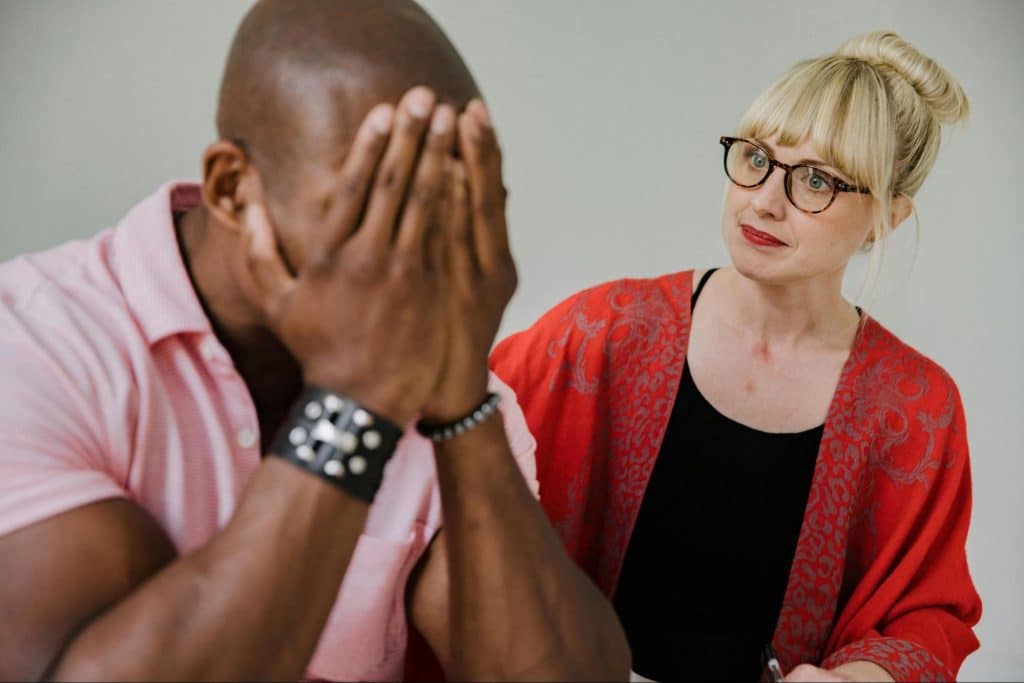
After decades of showing up, working hard, and providing, midlife men crave acknowledgment more than they admit. When a minor disagreement makes him feel unappreciated, his emotional response intensifies. It’s not about the argument, it’s about feeling invisible despite his efforts. This turns simple conflicts into painful reminders.
He misreads emotional cues due to stress or fatigue

When he’s overloaded, he may interpret neutral tones as criticism, concern as pressure, or confusion as blame. Misinterpretations fuel unnecessary tension because conflicts escalate from misunderstanding rather than real disagreement. This happens more frequently in midlife when cognitive and emotional fatigue distort clarity.
He expects himself to “just handle it,” which backfires

Men often believe they should master conflict, stay calm, and solve problems logically. When they can’t, because they’re human, frustration turns inward and then outward. The belief that he “should be better at this by now” creates self-criticism that amplifies disagreements. This internal pressure transforms small tensions into ongoing patterns.
Conclusion – Midlife Doesn’t Create the Tension, It Exposes the Cracks

Minor disagreements don’t become major because of the issues themselves, they become major because midlife reduces the emotional margin men once had. Stress, responsibility, shifting identity, and physical fatigue all make reactions stronger and patience thinner. None of these triggers point to failure; they simply reveal what needs attention, compassion, and communication. When men understand these midlife dynamics, disagreements stop turning into ongoing tension and start turning into opportunities for deeper connection.








Ask Me Anything