
Somewhere between building a career, raising kids, and trying to stay in decent shape, midlife hits. It doesn’t always come with a sports car or a dramatic meltdown. Sometimes it shows up quietly, in the form of uncomfortable thoughts about your marriage.
You might still care about your wife. You might still show up every day and handle your responsibilities. But something feels off, and you can’t ignore it anymore.
These thoughts are more common than most men admit. They don’t automatically mean your marriage is over. But they do signal that something inside you is shifting. Here are 16 thoughts that tend to surface when midlife starts putting pressure on your relationship.
You Start Wondering, “Is This It?”

After 15 or 20 years together, routine becomes normal. Same house, same conversations, same weekend patterns. Stability once felt like success, but now it can feel like repetition.
This thought isn’t always about dissatisfaction. It’s often about time. You become aware that you’re not 28 anymore. There are fewer decades ahead than behind, and that realization makes everything feel more permanent. When “Is this it?” shows up, it’s usually less about your wife and more about your own sense of direction.
You Miss the Version of Yourself You Used to Be

Before marriage and kids, there was a different pace to life. More risk. More energy. More options. Or at least it felt that way.
Midlife has a way of making men look backward. You might miss the ambition, the edge, or the freedom you once had. It’s easy to confuse missing that version of yourself with being unhappy in your marriage. Sometimes the real issue isn’t the relationship. It’s that you stopped investing in parts of yourself that once made you feel alive.
You Think, “We Feel More Like Business Partners”

Responsibilities pile up over time. Mortgages, college savings, aging parents, work demands. Conversations shift toward logistics instead of connection.
You start coordinating schedules instead of sharing experiences. Date nights get replaced with calendar updates. When marriage turns into project management, it’s normal to question whether the emotional connection is still there. The shift can be subtle, but it’s noticeable.
You Notice the Physical Distance More Than You Used To

Intimacy often changes in midlife. Stress, health, hormones, and simple fatigue all play a role. It’s not unusual for sex to become less frequent or less spontaneous.
What bothers many men isn’t just the physical part. It’s what the distance seems to represent. A lack of desire can feel personal, even when it’s not meant that way. Over time, that gap can create doubt. You start asking yourself whether this is temporary or the new normal.
You Compare Your Marriage to Other People’s Highlight Reels

Social media doesn’t help. Neither do stories from divorced friends who suddenly seem energized and free.
It’s easy to look at someone else’s life and assume they’ve figured something out that you haven’t. The comparison rarely includes the trade-offs or complications. Midlife makes men more aware of missed paths. That awareness can turn into quiet comparison, even if you’d never say it out loud.
You Catch Yourself Thinking About Other Women More Often

This one can feel uncomfortable to admit. Attraction doesn’t disappear at 40 or 50. In some ways, it becomes more charged because time feels limited.
Thinking about other women doesn’t automatically mean you want to cheat or leave. It often reflects curiosity about novelty and validation. Still, when those thoughts increase, they can trigger guilt or confusion. You start wondering what they mean about your current relationship.
You Feel Underappreciated
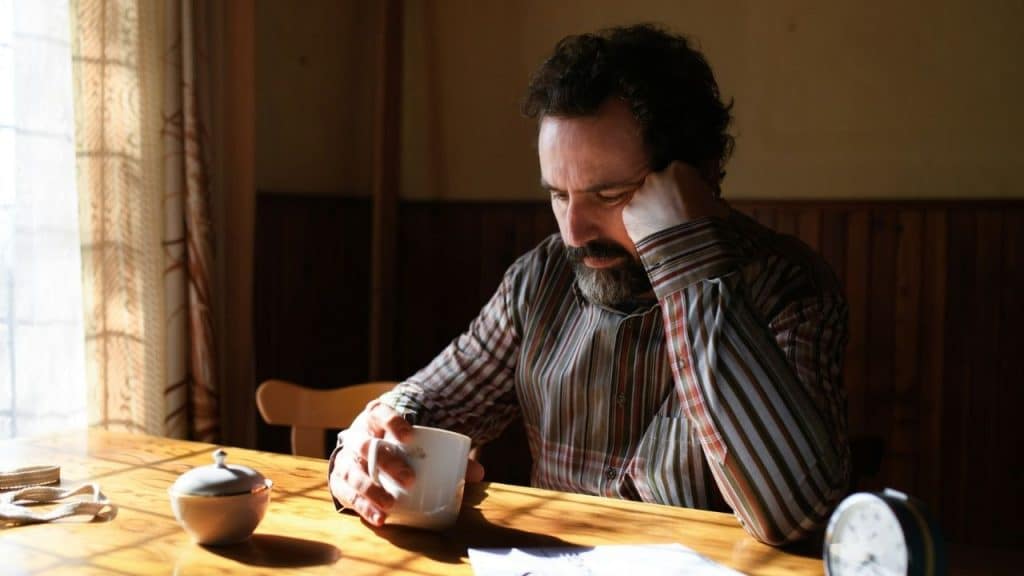
By midlife, you’ve likely put in serious effort. Career growth, financial stability, family support. Many men quietly expect that effort to be recognized.
When appreciation feels rare, resentment can build. It’s not always about grand gestures. Sometimes it’s about basic acknowledgment. That sense of being taken for granted can slowly chip away at satisfaction in the marriage.
You Think, “We’ve Grown Apart”

People evolve over decades. Interests shift. Values refine. Priorities change. Not every couple grows at the same speed or in the same direction.
You might notice that conversations don’t flow like they used to. Shared hobbies fade. The emotional tone changes. This thought doesn’t always mean incompatibility. But it does signal that the relationship hasn’t kept up with who you both are becoming.
You Start Questioning Whether You Settled

Midlife tends to trigger self-audits. Career. Health. Finances. Marriage isn’t exempt.
You might look back at how you chose your partner and wonder whether you were driven by convenience, pressure, or timing. That doesn’t erase years of shared life. But the question can still surface, especially when you’re evaluating everything else.
You Feel More Alone, Even When You’re Not Alone

It’s possible to live in the same house and still feel emotionally isolated. Work stress and family duties can reduce real conversations.
If you feel like you can’t fully share what’s going on inside your head, that loneliness becomes sharper. Midlife often increases the need for meaningful connection. When that need isn’t met, doubt creeps in.
You Think About Divorce as a Mental Escape

Not necessarily as a plan. More like a thought experiment. What would life look like on your own? How would it feel to reset?
This kind of thinking usually appears during moments of frustration. It can provide a strange sense of relief, even if temporary. It doesn’t always mean you want out. Sometimes it’s your brain trying to regain a sense of control.
You Notice Resentments You Used to Ignore

Small issues that once seemed manageable can start feeling heavier. Differences in spending habits, parenting styles, or communication patterns stand out more.
Midlife reduces patience for unresolved tension. You may find yourself less willing to overlook what bothers you. When those resentments aren’t addressed, they amplify bigger questions about compatibility.
You Wonder If Staying Is Just Easier Than Leaving

There are practical realities. Finances. Kids. Social circles. Shared history. Divorce at 45 isn’t simple.
At times, it’s tempting to assume staying is just the path of least resistance. That thought alone can feel unsettling. No one wants to believe they’re making major life decisions based purely on convenience.
You Question Whether You’re Still In Love or Just Attached

Long-term love looks different from early passion. It’s calmer and more stable. But that stability can be misread as emotional flatness.
Attachment is powerful. Shared memories and mutual dependence create strong bonds. But they aren’t the same as active affection. Sorting through that difference can be confusing, especially when the emotional highs of earlier years feel distant.
You Feel a Strong Urge to Reclaim Control of Your Life

Midlife often brings a desire to reset. Improve fitness. Change careers. Pursue something new. The drive can be intense.
If your marriage feels like it limits that change, even slightly, frustration grows. You may start viewing the relationship as an obstacle instead of a support system. That perception isn’t always accurate, but it can shape how you interpret everything else.
You Ask Yourself, “If I Had to Choose Again, Would I?”

This is the quiet question many men never say aloud. It’s not about blame. It’s about clarity.
After years of shared life, it’s natural to evaluate your choices. You do it with investments, careers, and friendships. Marriage isn’t different. The answer to that question isn’t always simple. But when it starts appearing regularly, it’s usually a sign that something deeper needs attention.








Ask Me Anything