
Many men notice small changes in their health but do not pay much attention to them. Feeling tired often, having body aches, or feeling emotionally different can seem normal. These changes usually happen slowly, which makes them easy to ignore. Over time, they can affect energy, mood, and daily life. The slides ahead point out common health signs men often brush aside and explain why noticing them early can help improve health and well-being in the long run.
Feeling Tired All The Time

Feeling tired sometimes is normal, but ongoing exhaustion is often ignored. Many men believe constant tiredness is just part of work or daily responsibility. When energy never fully returns, the body may not be recovering properly. Over time, low energy can affect mood, focus, and motivation. Because this change happens slowly, it often feels normal. This makes its effect easy to overlook.
Ongoing Body Aches

Frequent aches are often accepted without question. Back pain, joint stiffness, or sore muscles are usually blamed on work or aging. When pain keeps coming back, it may point to strain or stress on the body. Many men adjust how they move instead of asking why the pain is there. This quiet adjustment can hide bigger issues. Pain that stays deserves attention.
Changes in Sleep Patterns

Sleep problems are often blamed on stress or busy schedules. Trouble falling asleep or waking too early can slowly become routine. Poor sleep affects energy, mood, and thinking over time. Men may see sleep issues as something they must live with. These changes can weaken overall health. Sleep problems are often early warning signs.
Mood Changes That Feel Unusual

Emotional changes often happen slowly. Feeling more irritable, low, or distant may seem like a personality shift. Many men do not connect emotions with health. These mood changes can affect work and relationships. Emotional signs sometimes appear before physical ones. Mental and physical health are closely connected.
Losing Interest in Things

A slow loss of motivation is easy to miss. Hobbies and activities may stop feeling enjoyable. Men often blame this on being busy or tired. When interest fades in many areas of life, it can reflect deeper changes. This usually happens quietly over time. Loss of interest is not always just a phase.
Regular Digestive Discomfort

Stomach problems are often brushed aside. Heartburn, bloating, or discomfort may be blamed on food or stress. When these issues happen often, they can affect comfort and energy. Men may adjust eating habits instead of noticing the pattern. Ongoing digestive problems can affect overall health. Familiar discomfort is not always harmless.
Frequent Headaches

Headaches are common and easy to ignore. When they happen often, they may be linked to stress or tension. Many men focus on quick relief instead of how often headaches occur. Over time, frequent headaches can affect focus and productivity. Regular discomfort can fade into the background. Frequency matters.
Changes in Appetite or Weight
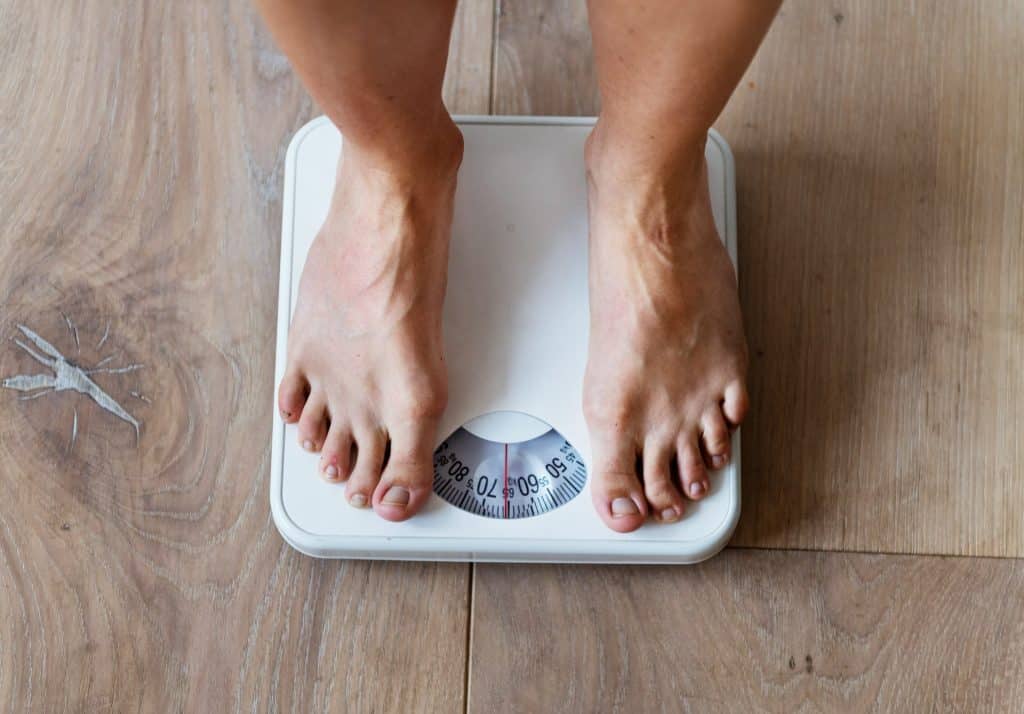
Small changes in eating habits are easy to miss. Eating more or less may seem tied to routine changes. Weight gain or loss often happens slowly. Men may notice clothes fitting differently before noticing a pattern. These changes can reflect physical or emotional stress. Small trends over time are important.
Lower Energy for Daily Tasks
Feeling less energetic is often blamed on age. Tasks that once felt easy may start to feel tiring. Men may reduce activity instead of questioning why. Lower energy can affect both work and free time. This change usually happens slowly. Declining stamina should not always be ignored.
Relying More on Caffeine

Caffeine use often increases slowly. Extra coffee or energy drinks may feel necessary to get through the day. Over time, this can hide deeper fatigue. Many men see caffeine as a normal solution. Increased use often follows ongoing low energy. It can cover up the body’s need for rest.
Pulling Away From Others

Social withdrawal often happens gradually. Men may spend less time with friends or family. This is often explained as busyness or preference. Over time, isolation can affect emotional health. Others may notice this change first. Social habits often reflect internal stress.
Trouble Focusing or Remembering

Small memory slips are easy to dismiss. Forgetting details or losing focus may be blamed on stress. When concentration problems continue, daily tasks can become harder. These changes often build slowly. Mental clarity is closely tied to overall health. Repeated issues deserve attention.
Changes in Appearance

Small physical changes are easy to miss. Skin, posture, or general appearance may change over time. Men often see these as cosmetic issues. Gradual changes can reflect internal stress or fatigue. Others may notice first. Appearance can reflect overall well-being.
Getting Irritated More Easily

Stress reactions can grow stronger over time. Small problems may cause bigger reactions. Men may see this as normal pressure. Increased irritability can affect work and relationships. Emotional balance is linked to health. Ongoing reactions often signal deeper strain.
Avoiding Physical Activity

Reduced activity often happens without planning. Exercise may start to feel harder or less appealing. Men may become more inactive without noticing. This can increase stiffness and tiredness. Less movement can both cause and reflect health changes. Small habits add up.
Changes in Pain Sensitivity
Pain tolerance can change over time. Discomfort that once felt manageable may feel worse. Many men accept this as normal. Increased sensitivity can affect comfort and mood. Stress and fatigue can influence how pain is felt. These changes are often subtle.
Feeling Emotionally Numb

Feeling emotionally numb can seem calm or controlled. Men may not see this as a problem. Over time, numbness can reduce enjoyment of life. This often develops slowly. Emotional numbness can signal ongoing stress. It is often mistaken for balance.
Others Notice Changes First

Men do not always notice health changes themselves. Partners or family members may see shifts earlier. Changes in mood, energy, or behavior can be easier to spot from the outside. Men may dismiss these concerns. Outside observations often reveal slow changes. Listening can help bring awareness.
Getting Used to Feeling Unwell

When symptoms repeat, they often feel normal. Men adjust routines instead of questioning discomfort. Over time, warning signs blend into everyday life. This delay can make problems harder to address. Getting used to symptoms reduces urgency. Early notice can make a difference.
Awareness Makes a Difference

Health signs often appear long before serious problems. Awareness helps people notice patterns early. Small changes noticed sooner can improve long-term health. Men benefit when gradual shifts are taken seriously. Understanding that common symptoms are not always normal brings clarity. Early awareness supports healthier futures.








Ask Me Anything