
“Commitment” sounds like a single, simple concept, but people often mean very different things by it. Some define commitment as exclusivity, others as emotional safety, and others as a long-term life plan. Research also suggests commitment has multiple components, including “dedication” and “constraints,” which can pull in different directions. These differences are not destiny, and individual variation is always larger than stereotypes. Still, certain patterns can show up in heterosexual dating and marriage because of social roles, expectations, and relationship experiences. The goal of this list is to explain common psychological gaps that create misunderstandings, not to assign blame.
Dedication vs Constraint Feels Like “Real Commitment” to Different People

One person may feel committed because they genuinely want the relationship, while another feels committed because leaving would be costly. Commitment theory often separates “dedication” from “constraint,” and couples can disagree on which one matters more. When someone values dedication, they look for enthusiasm, effort, and choice. When someone is leaning on constraints, they may focus on stability, routine, and avoiding disruption. This mismatch can make one partner feel unloved and the other feel unappreciated. The relationship may look stable while still feeling emotionally uneven.
“Ready” Can Be Timing for One Person and Compatibility for the Other
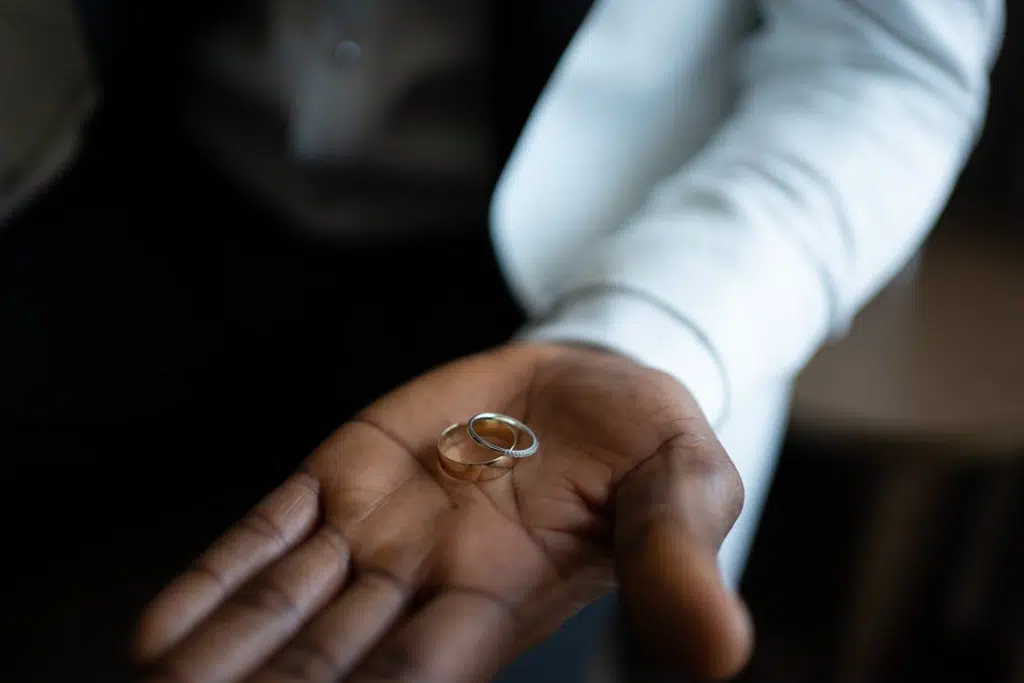
Some people view readiness as a life-stage decision, while others view it as partner-specific. This creates a situation where one partner wants clear milestones and the other wants more time to observe. The mismatch can look like avoidance, even when it is caution. It can also look like pressure, even when it is a desire for security. When definitions differ, both people can feel misunderstood. Clarity improves when readiness is discussed as both timing and fit, not one or the other.
Commitment Can Feel Like Safety to One Partner and Loss of Freedom to the Other

People vary in how they experience autonomy inside relationships. Self-determination theory suggests autonomy need satisfaction supports openness and healthier conflict behaviour, which can affect how commitment feels emotionally. If commitment is associated with control or reduced independence, it can trigger defensiveness. If commitment is associated with emotional safety and teamwork, it can feel calming. This gap is often less about gender and more about past experiences and personality. Still, social expectations can shape how men and women interpret “freedom” and “responsibility” in commitment.
Investment and “Sunk Cost” Thinking Shows Up Differently

The investment model frames commitment as shaped by satisfaction, investment, and perceived alternatives. Some people stay committed because they have invested heavily and do not want to start over. Others stay committed only if satisfaction remains high, regardless of past investment. This difference can create conflict when one partner thinks sacrifice should guarantee loyalty. Another partner may believe commitment should be continually earned through relationship quality. When both assume their logic is universal, resentment builds quickly.
“Alternatives” Are Calculated Differently, Even in the Same Relationship

Some partners scan the environment for better options when things feel uncertain. Others become more committed when uncertainty appears, because security feels urgent. The investment model highlights “quality of alternatives” as part of commitment, but people interpret alternatives differently. For one person, alternatives mean other potential partners. For another, alternatives mean being single, having peace, or regaining control of life. If these meanings are not discussed, one partner may misread the other as disloyal or emotionally unavailable.
Asymmetrical Commitment Can Be Real Without Anyone Being “Bad”

Research on asymmetrically committed relationships suggests partners can differ significantly in dedication, and these gaps are linked with poorer adjustment. The higher-dedication partner often feels anxious and uncertain. The lower-dedication partner often feels pressured and monitored. Both can care, yet still experience the relationship as unstable. This gap is especially confusing because daily behaviour may look normal on the surface. Naming the mismatch calmly can prevent it from turning into power struggles.
Fear of Commitment Can Be About Self-Protection, Not Coldness

Some people avoid commitment because it triggers fears about losing identity, repeating past pain, or being trapped. Research links fear of relationship commitment with being single and with certain personality and relationship factors. When this fear is active, commitment conversations can feel threatening rather than romantic. One partner may interpret avoidance as lack of love, while the other experiences it as survival. The solution is often pacing, reassurance, and honest boundaries rather than ultimatums. Fear responds better to safety than to pressure.
Jealousy Triggers Can Point to Different “Commitment Threats”

Jealousy often reflects what a person experiences as the biggest relationship threat. Meta-analytic work has examined sex differences in reactions to sexual versus emotional infidelity. Some people interpret emotional closeness with someone else as the more serious betrayal. Others interpret sexual betrayal as the more serious betrayal. These triggers can shape what each partner demands as proof of loyalty. Without discussion, both may feel the other is minimizing something critical.
Attachment Styles Change What Commitment Feels Like Internally

Attachment anxiety and avoidance can reshape how commitment is processed. Research connecting attachment to the investment model suggests satisfaction, alternatives, and investments can mediate how attachment relates to commitment. An anxiously attached partner may want reassurance, labels, and frequent closeness. An avoidantly attached partner may want space, slower pacing, and less pressure. Neither approach automatically equals “more love” or “less love,” but the mismatch can feel personal. Commitment becomes easier when partners understand these patterns and negotiate needs.
Emotional Labor Expectations Often Create Different “Commitment Proofs”

Many couples unconsciously assign different emotional roles. One partner may believe commitment is proven through providing, protecting, or showing reliability. Another may believe commitment is proven through emotional attunement, communication, and shared planning. When proof standards differ, both can feel unseen. A partner who feels they “do everything” may be describing a different category of effort. This gap often creates chronic resentment unless effort is defined together. The fix is not choosing one standard, but learning each other’s standard.
Conflict Can Feel Like a Threat to Love or a Path to Clarity

People vary in how they interpret disagreements. For some, conflict signals danger and potential abandonment, so they push for quick reassurance. For others, conflict is simply problem-solving, so they focus on facts and solutions. These styles can clash in commitment conversations, where feelings run high. One partner may want emotional validation first, while the other wants decisions first. Both can experience the other as “not serious.” Commitment improves when couples agree on a repair process, not just a solution.
Communication Styles Can Make Interest Look Like Pressure or Indifference

Some people express commitment through direct language and future planning. Others express it through consistency and actions, with fewer words. When these styles mix, the talkative partner can be seen as controlling, while the quieter partner can be seen as detached. The mismatch becomes worse when texting and social media replace deeper conversations. Both may genuinely care yet feel chronically misread. The goal is to align on what “engagement” looks like in everyday life.
The Meaning of Exclusivity Is Not Always the Same

Exclusivity can mean “no one else sexually,” “no emotional intimacy with others,” or “full future intent.” A partner may agree to exclusivity but still avoid long-term planning. Another partner may interpret exclusivity as the beginning of a serious pathway. This gap creates confusion around expectations, especially in dating stages. It can also create accusations of leading someone on, even when both thought they were being clear. Defining terms early prevents heartbreak later.
Support Networks Change the Weight of Romantic Commitment

Some people rely heavily on a romantic partner as their main emotional support. Others have broader support through friends, family, and community. When the romantic relationship carries more emotional load, commitment feels higher-stakes and more urgent. When support is diversified, commitment may feel less scary and less pressured. This gap can make one partner look “needy” and the other look “distant,” even when both are healthy. Balance improves when both partners maintain friendships and emotional outlets.
Identity Shifts Can Feel Exciting to One Partner and Threatening to the Other

For some, commitment brings pride, stability, and a clearer life narrative. For others, it can feel like losing flexibility, spontaneity, or identity. This difference often intensifies with marriage, cohabitation, or shared finances. The partner who likes structure may want more integration, while the partner who values independence may want clearer boundaries. Neither preference is wrong, but the negotiation must be explicit. Commitment works best when it is framed as expansion, not confinement.
“Proving Love” Can Be Action-Based vs Emotion-Based

A common mismatch is action-based proof versus emotion-based proof. One partner may think working hard and providing consistency is love in its purest form. Another may think emotional warmth, affection, and verbal reassurance is the primary proof. When the relationship rewards only one style, the other partner feels unloved. This gap is especially painful because both may be giving love sincerely. Translation, not accusation, is usually the missing skill.
Risk Tolerance Influences How Fast People Commit

Commitment involves uncertainty and the possibility of loss. Some people accept that risk and move forward with faith and intention. Others prefer more time and evidence before making promises, especially after previous relationship disappointments. When risk tolerance differs, one partner may label the other as reckless or fearful. The relationship can turn into a debate about who is “right” instead of what feels safe. A shared pace is often more important than a fast pace.
Cultural Scripts Shape What Men and Women Think They “Should” Do

Men and women often receive different messages about what commitment should look like. Those messages can shape fear, pride, guilt, and pressure around milestones. Even when individuals reject stereotypes, cultural scripts can still influence expectations unconsciously. This can lead to misunderstandings like “If you loved me, you would…” followed by a rule the other person never agreed to. The healthiest couples make their own script, based on values and reality. Commitment becomes easier when roles are negotiated rather than assumed.
The Gap Is Usually Meaning, Not Love

Many commitment conflicts are not caused by a lack of care, but by different definitions and different emotional triggers. Research suggests commitment is multi-dimensional and shaped by factors like dedication, constraints, investments, alternatives, and attachment patterns. These gaps can be closed when partners talk about what commitment means to them specifically, rather than relying on assumptions. The most useful question is often, “What would make you feel safe and chosen?” rather than “Why can’t you commit?” When meaning becomes clear, negotiation becomes possible. Commitment grows best in relationships that combine honesty, autonomy, and consistent care.








Ask Me Anything