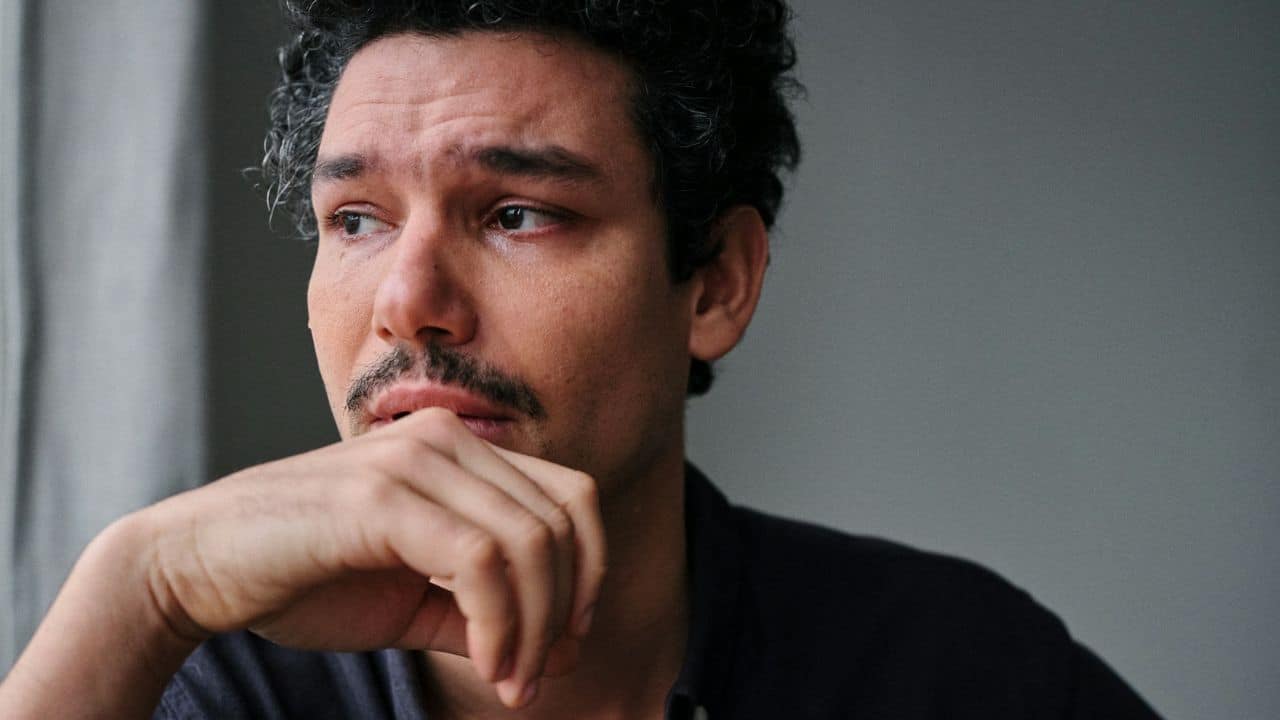
Most men don’t talk openly about getting hurt in relationships. Not because it didn’t matter, but because life kept moving and no one asked. Still, those experiences leave marks. They shape how men trust, connect, argue, pull back, or show up next time. This isn’t about blame or bitterness. It’s about the quiet shifts that happen after disappointment, betrayal, or emotional loss, and how those moments quietly rewrite the rules going forward.
Trust Stops Being Automatic

After being hurt, trust usually turns from a default setting into something earned slowly. Men describe becoming more alert to inconsistencies, tone changes, and unexplained distance. It’s not constant suspicion, but a stronger internal radar. Some say this made dating calmer because they stopped rushing emotional investment. Others admit it also made them slower to open up, even when someone seemed solid.
Boundaries Get Firmer
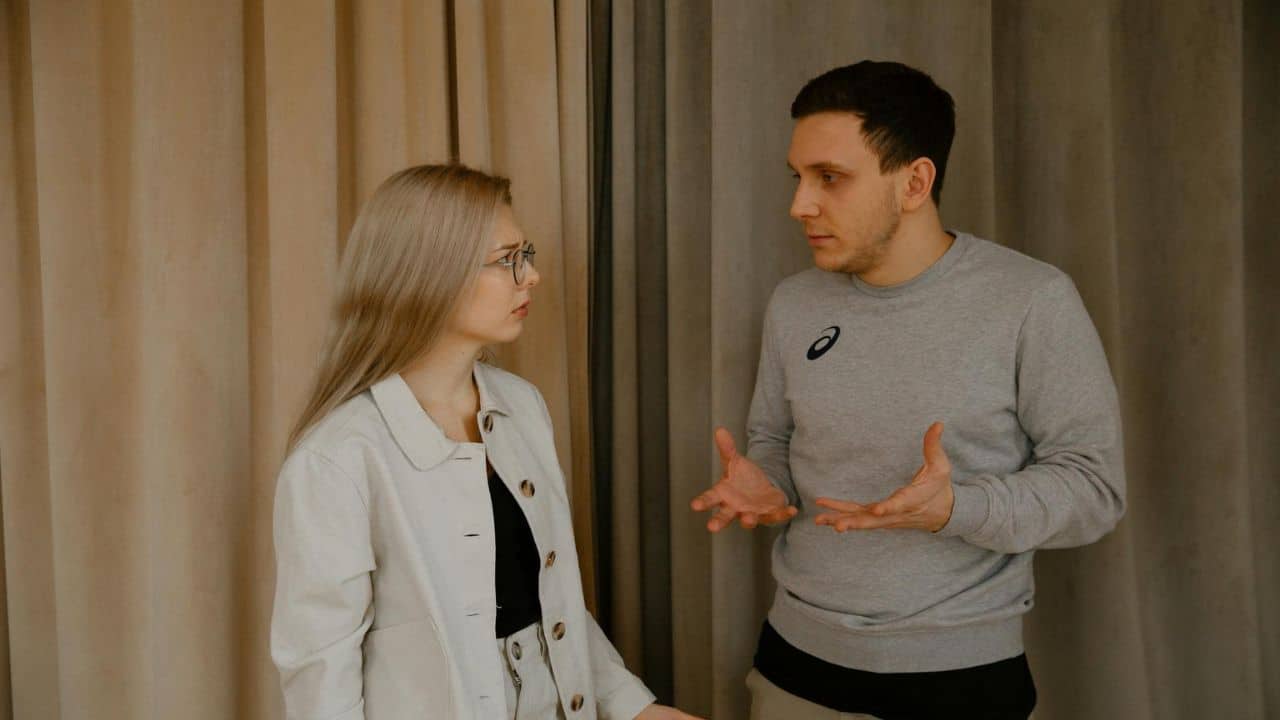
Pain has a way of clarifying what you won’t tolerate again. Men often say they became clearer about time, communication, and emotional expectations. They stopped over-explaining or bending to keep the peace. Boundaries didn’t come from anger, but from learning that constant compromise can quietly drain respect. The phrase “I’m not okay with that” started showing up sooner instead of years later.
Emotional Detachment Becomes Easier

Some men noticed they could step back emotionally much faster than before. Where they once obsessed or overanalyzed, they now disengage when things feel off. It can look like confidence, though sometimes it’s just self-protection. Detachment became a safety valve, not a lifestyle goal. A few admit it works well until a relationship requires vulnerability again.
Vulnerability Feels Riskier

Being open didn’t feel brave anymore; it felt expensive. Men described choosing their words more carefully and sharing less, especially early on. Emotional openness became selective rather than constant. That caution wasn’t about hiding feelings, but about avoiding emotional whiplash. Trust had to catch up before honesty went all the way in.
Self-Reliance Increases

After heartbreak, many men leaned harder on themselves. They stopped assuming a partner would be their emotional safety net. This often led to stronger routines, better discipline, and fewer emotional spirals. The upside was stability. The downside was sometimes forgetting that healthy connection doesn’t mean handling everything alone.
Expectations Get Lower but Clearer

Men reported fewer romantic fantasies and more realistic expectations. They stopped assuming effort alone guaranteed loyalty or care. Instead, they watched their actions closely. This didn’t kill optimism; it trimmed it down to size. Relationships felt less magical, but also less confusing.
Conflict Is Handled Differently

Arguments stopped feeling like emergencies. Men said they became calmer during conflict, less reactive, and less desperate to “win.” Walking away from circular fights felt smarter than proving a point. Some learned that silence can be a boundary, not avoidance. Others admitted they sometimes disengaged too fast to avoid old stress patterns.
Emotional Pain Gets Taken More Seriously

Heartbreak made physical and emotional stress impossible to ignore. Sleep issues, mood changes, and low motivation became noticeable signals instead of background noise. Men became more aware of their mental health even if they didn’t label it that way. Pain stopped being something to tough out and started being something to manage.
Dating Slows Down
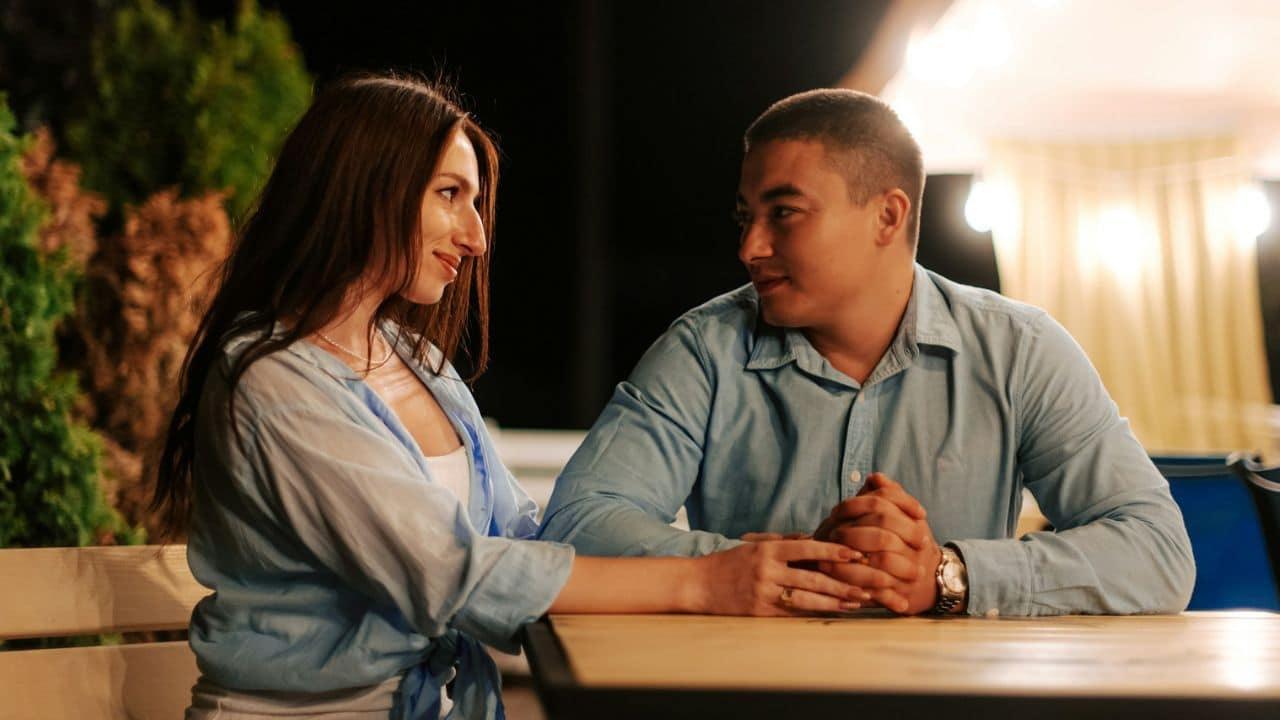
Many men became less interested in rushing toward commitment. Casual dating felt less exciting, but also less chaotic. Taking time to observe behavior felt smarter than jumping on chemistry. Some joked that their patience improved dramatically, though mostly because they were tired of starting over.
Red Flags Stand Out Faster

What once felt small or ignorable suddenly stood out. Inconsistent communication, emotional unavailability, or disrespect didn’t get explained away anymore. Men trusted that uneasy feeling sooner. Experience taught them that early discomfort rarely fixes itself later.
Emotional Independence Grows

Men reported feeling less emotionally dependent on romantic attention. Their mood stopped rising and falling based on texts or validation. This shift brought more balance, especially in work and friendships. Relationships became a part of life, not the emotional center of it.
Self-Esteem Takes a Hit, Then Rebuilds

Many men admitted their confidence dropped after being hurt. Rejection or betrayal hit hard, especially when effort had been genuine. Over time, self-esteem is rebuilt around competence, routine, and personal progress instead of approval. Confidence became quieter but sturdier.
Coping Habits Get Questioned
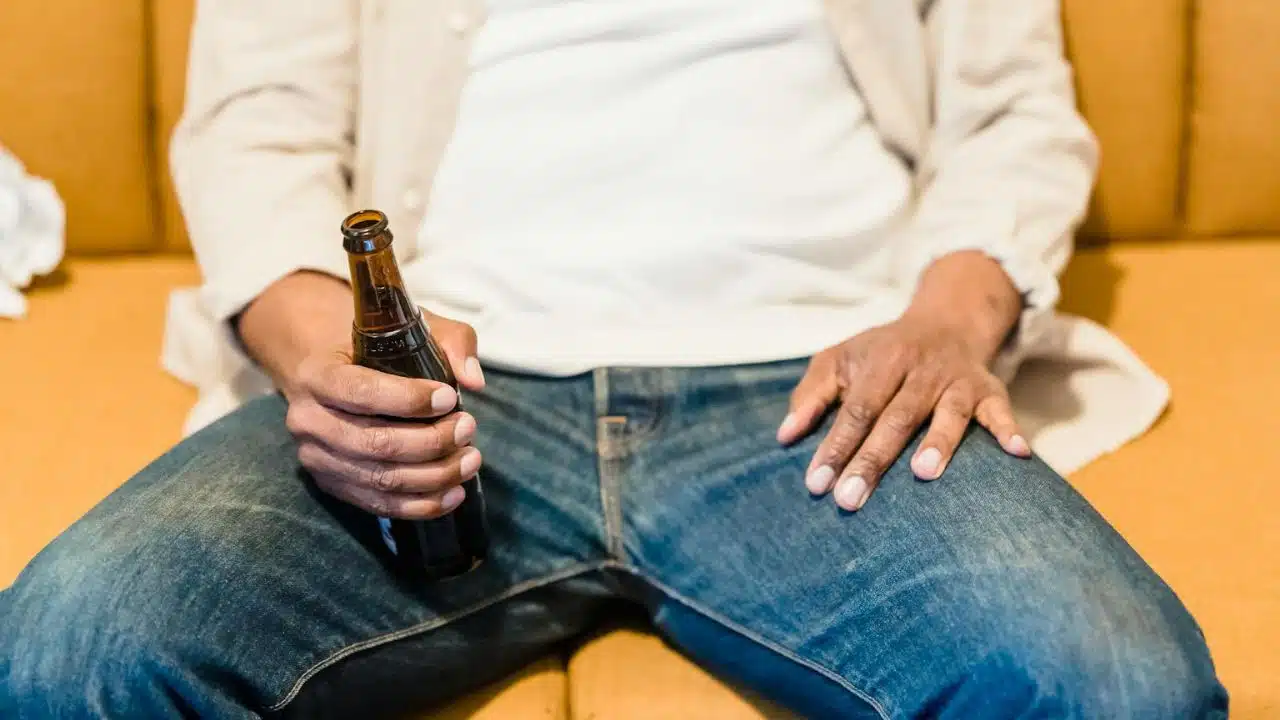
Some men leaned into distractions like work, alcohol, or constant busyness. Over time, many noticed these habits didn’t actually help. Healthier routines slowly replaced numbing behaviors. Growth didn’t arrive in a dramatic moment; it showed up as better choices on ordinary days.
Male Friendships Matter More

After loss, men noticed how limited their emotional outlets were. Relying on one person felt risky in hindsight. Friendships became more important, even if conversations stayed practical instead of emotional. Just having people around mattered more than deep talks every time.
Therapy Becomes Less Stigmatized
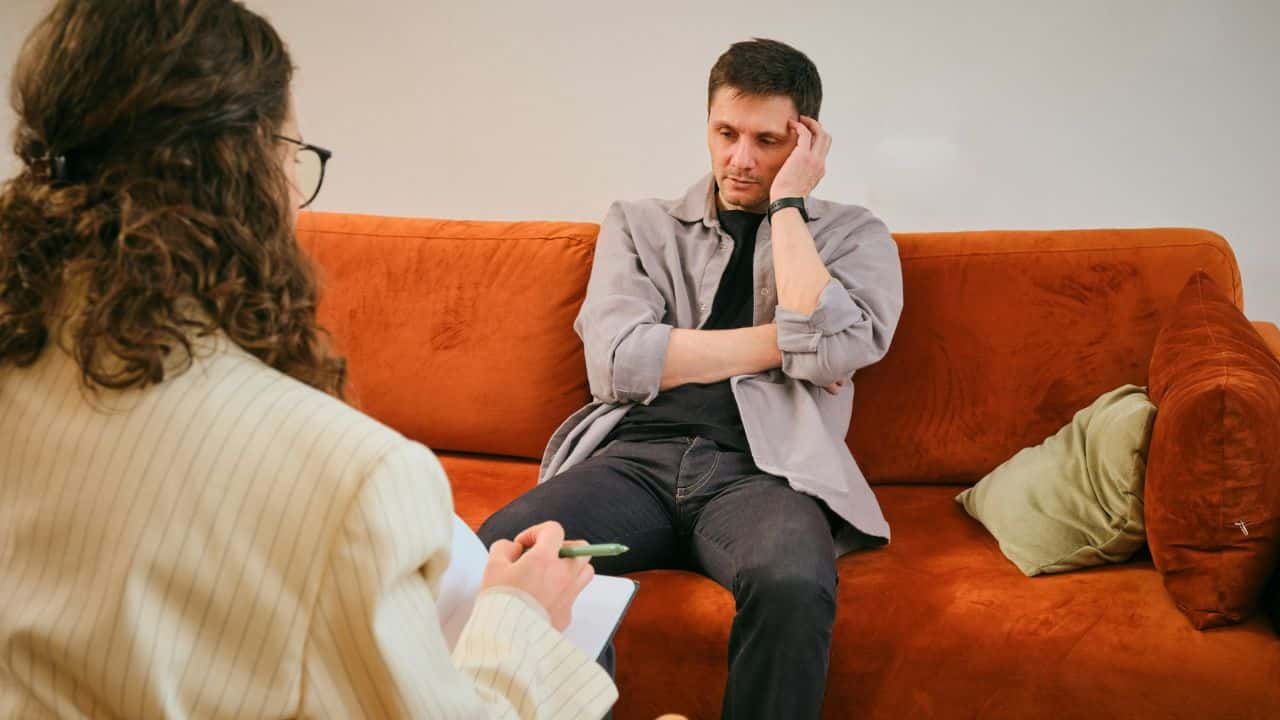
Not all men sought professional help, but many became more open to the idea. Talking to someone neutral felt less like weakness and more like maintenance. Therapy stopped being about crisis and started being about clarity. Even those who never went became less dismissive of it.
Purpose Starts to Matter More

Being hurt shifted focus toward meaning outside relationships. Men talked about career goals, physical health, and personal standards with more seriousness. Pain made time feel more valuable. Energy went toward things that felt stable and self-directed.
Love Is Viewed Differently

Men didn’t stop believing in relationships, but they stopped romanticizing them. Love became something built through consistency, not intensity. Trust, respect, and peace ranked higher than excitement. The goal wasn’t avoiding pain forever, but choosing situations where pain wasn’t the default.








Ask Me Anything