
Boredom in relationships rarely appears out of nowhere. It often shows up after routine replaces curiosity and effort becomes optional. People also confuse boredom with stress, resentment, emotional distance, or unmet needs. Some partners get bored with the relationship, while others get bored with their own life and blame the relationship. Men and women can experience boredom differently, but it is not a simple “who gets bored first” contest. Personality, attachment style, lifestyle, and communication matter more than gender alone. The real issue is how boredom gets handled once it appears. These realities break down what boredom usually means and how it tends to show up.
Reality Check: Why “Who Gets Bored First” Is Usually the Wrong Question

Boredom is not a single feeling; it is a signal. It can signal lack of novelty, lack of intimacy, lack of growth, or lack of shared purpose. Many couples think the spark died when the real problem is that daily connection died. When connection fades, attraction becomes harder to access. The question is less about who gets bored first and more about who notices it first. Some people speak up early; others quietly detach. Detachment can look like boredom, even when it is emotional fatigue. Gender patterns exist, but they are often shaped by social expectations rather than biology. Most couples can prevent boredom by treating it like a warning light, not a verdict.
Boredom Often Starts When Effort Becomes “Optional”

In many relationships, effort is strongest at the start because both people want to impress. Later, effort can fade because love feels secure. When effort fades, the relationship becomes purely functional. Functional relationships can feel safe, but they can also feel flat. People then interpret flatness as boredom. Some men and women react differently to flatness, but the trigger is usually the same. Without regular effort, small moments stop feeling special. Without special moments, the relationship feels like routine maintenance. Maintenance without connection creates emotional drift.
Boredom Hits Faster When Life Is Repetitive Outside the Relationship

A repetitive lifestyle often gets blamed on the relationship. If life becomes work, home, screens, sleep, repeat, the couple may feel stuck. The relationship becomes the easiest place to assign blame. But the real issue can be the lack of variety in daily living. Partners who build novelty into life tend to feel more attracted at home. People who feel bored internally tend to feel bored relationally too. Boredom can be a personal burnout problem before it is a romance problem. When life expands, desire often returns. When life shrinks, romance often shrinks with it.
How Boredom Shows Up in Different Ways

Some people label boredom quickly, while others label it as irritation or emptiness. Some people seek novelty through hobbies, while others seek it through attention. Men and women can show different coping styles based on how they were taught to express dissatisfaction. One partner may crave sexual novelty, while the other craves emotional novelty. Both are forms of connection, just expressed differently. The problem starts when partners assume their version is the only valid one. Misunderstanding each other’s version of boredom creates resentment. Resentment then deepens the boredom. Understanding the pattern is the first fix.
Men Often Experience Boredom as Restlessness

Many men describe boredom as feeling trapped, dull, or under-stimulated. It can show up as increased time on hobbies, gaming, work, or solo activities. Sometimes it appears as irritability or impatience rather than sadness. Some men were taught to avoid vulnerable conversations, so boredom gets expressed through behavior instead. This can make a partner feel ignored or replaced by distractions. The man may not feel emotionally “checked out,” but his attention is elsewhere. Attention is one of the strongest signals of desire. When attention leaves, the relationship feels cold.
Women Often Experience Boredom as Emotional Disconnection

Many women describe boredom as feeling unseen, unchosen, or emotionally lonely. It can show up as less affection, less openness, and less interest in intimacy. Sometimes it becomes criticism because criticism is easier than admitting loneliness. Some women were taught to carry emotional labor, so boredom feels like “why am I doing all of this?” When emotional connection feels absent, physical desire often drops too. This can look like sudden disinterest, but it is usually gradual. Emotional boredom often starts with repeated small disappointments. Those disappointments create distance that feels like flatness.
Routine Triggers: The Quiet Killers of Chemistry

Chemistry does not die only from time. It often dies from predictability plus neglect. When dates stop, compliments stop, and curiosity stops, the relationship becomes an agreement, not a romance. People stop flirting because it feels unnecessary. Then they miss being desired. Desire thrives on being noticed and pursued. Routine also creates fewer meaningful conversations. When conversations become only logistics, intimacy fades. Intimacy is fuel for attraction. Without intimacy, attraction becomes harder to access. That “harder to access” feeling often gets labeled as boredom.
The Bedroom Gap: When Desire Styles Don’t Match

Many couples confuse mismatched desire with boredom. One partner may want novelty and play, while the other wants emotional closeness first. When those needs are not understood, both feel dissatisfied. Dissatisfaction then becomes a story: “This is boring.” The truth is often “This is disconnected.” Sexual boredom can be a symptom of emotional resentment, stress, or lack of communication. It can also be a symptom of routine sex without variation or intention. Neither gender owns this problem. There are a couple problems. When partners learn each other’s desire triggers, boredom often decreases quickly.
Stress Can Look Like Boredom
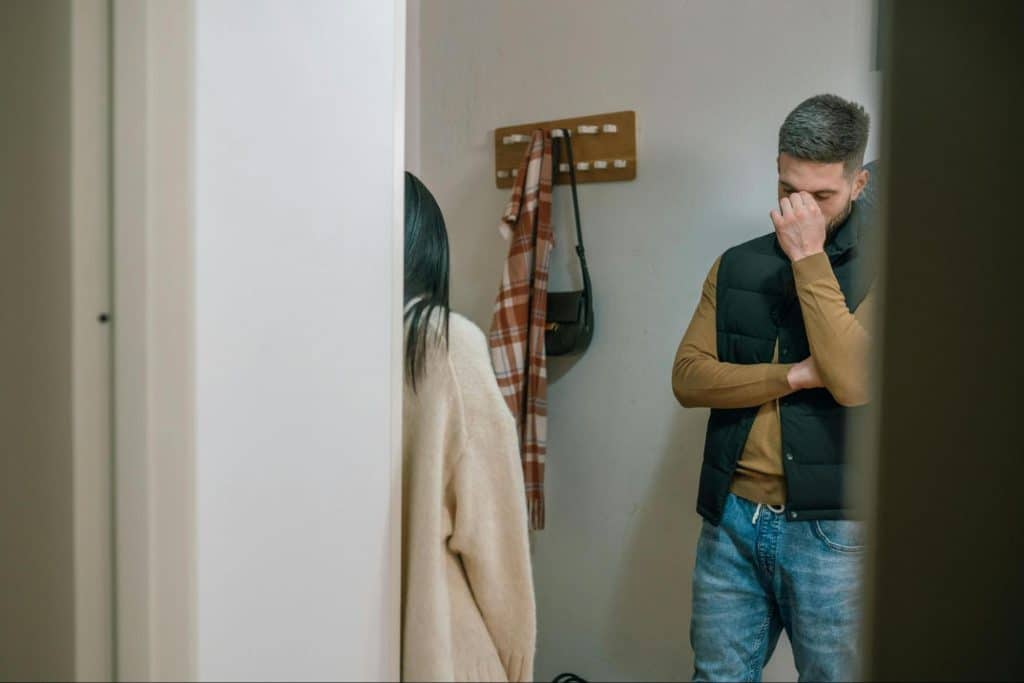
Chronic stress reduces emotional and physical energy. When energy is low, interest drops. Low interest often gets misread as boredom. But the real issue may be exhaustion, anxiety, or burnout. Stress also reduces patience and playfulness. Playfulness is one of the most important anti-boredom factors. Without play, love feels serious and heavy. Heavy relationships feel dull, even when there is love. Many couples chase novelty when what they need is rest. Rest restores desire. Stress drains it.
Emotional Safety Changes How Boredom Feels

When emotional safety is high, boredom becomes a conversation. When emotional safety is low, boredom becomes a secret. Secrets grow into detachment. Detachment looks like “I don’t feel it anymore.” In safer relationships, partners can admit they feel stuck without fear of punishment. They can collaborate on changes and new experiences. In unsafe relationships, boredom gets acted out through distance, flirting, or sudden withdrawal. Acting out creates trust issues. Trust issues create more emotional fatigue. Emotional fatigue deepens boredom again. Safety determines whether boredom becomes repair or rupture.
Why Some People Get Bored “First”

Sometimes boredom appears first in the person who needs more novelty. Sometimes it appears first in the person who is more emotionally aware. Sometimes it appears first in the person who feels least prioritized. It can also appear first in the person who is least satisfied with life outside the relationship. That is why gender alone cannot answer the question. People have different thresholds for routine. They also have different ways of coping with dissatisfaction. One partner may speak up, the other may withdraw. The speaker looks bored, but the withdrawer may have been bored longer. Timing is often about expression, not feeling.
The “Familiarity Trap” Makes Someone Look Less Attractive

Familiarity can make people stop trying. They dress less intentionally, stop flirting, and stop maintaining emotional closeness. Then attraction drops. Attraction drops and people call it boredom. But often it is neglect, not time. A partner who feels desired stays more engaged. A partner who feels invisible checks out. That checking out can look like boredom or irritability. Attraction needs intentionality to stay alive. Familiarity is safe, but safety needs spark. Spark is created, not waited for.
Social Media and Comparison Accelerate Boredom

Constant access to other people’s highlights can distort expectations. People compare their normal relationship to someone else’s curated moments. This can create dissatisfaction that feels like boredom. It can also make normal routines feel “not enough.” Some people start craving novelty because novelty looks glamorous online. But novelty is not the same as intimacy. Many exciting relationships are unstable. Many stable relationships look quiet online. Comparison can create a hunger that no real partner can satisfy. That hunger gets labeled as boredom. The real issue is unrealistic expectations.
The Unspoken Truth: Boredom Is Often Avoidance

Some people use boredom as a reason to avoid commitment, repair, or vulnerability. Saying “it’s boring” feels easier than saying “I’m scared,” “I feel inadequate,” or “I don’t know how to communicate.” Avoidance creates distance, and distance creates more boredom. It becomes self-fulfilling. Some people chase constant excitement to avoid deep intimacy. Deep intimacy requires honesty and accountability. Accountability is uncomfortable. Excitement is easier. But excitement fades without depth. Depth is what sustains attraction long-term. When depth is avoided, boredom arrives faster.
The Repair Gap: Couples Stop Fixing Small Problems

Most relationships do not collapse from one big issue. They collapse from dozens of un-repaired small issues. When small issues are not addressed, resentment grows. Resentment makes intimacy harder. When intimacy is harder, partners stop trying. When trying stops, boredom appears. Boredom is often the end stage of neglect. Repair keeps the relationship emotionally clean. Emotional cleanliness allows desire to return quickly. Without repair, everything feels heavy. Heavy relationships feel boring. Repair is one of the strongest anti-boredom habits.
Tips to Reduce Boredom Without Turning It Into Drama

Treat boredom like a signal, not an insult. Replace vague complaints with specific requests: more quality time, more play, more affection, more novelty. Add variety through small changes, not only big trips. Build micro-rituals: weekly check-ins, shared walks, or device-free time. Make intimacy intentional rather than random. Prioritize rest if stress is high, because exhaustion mimics boredom. Avoid comparing the relationship to social media fantasies. Focus on building a life that is interesting, not only a relationship that is exciting. Interest creates desire more reliably than pressure.
It’s Rarely “Men vs. Women”, It’s Effort vs. Drift

The honest answer is that boredom is not owned by one gender. Men and women can both get bored, but they may express it differently. The bigger factor is whether the relationship is maintained or allowed to drift. Drift turns love into routine without connection. Connection requires consistent effort, curiosity, and repair. Boredom is often a warning that something needs attention, novelty, intimacy, rest, or communication. When partners address the real need underneath boredom, attraction often returns. A relationship does not need constant excitement. It needs consistent connection. The couples who win long-term treat boredom as a shared problem, not a personal flaw.








Ask Me Anything