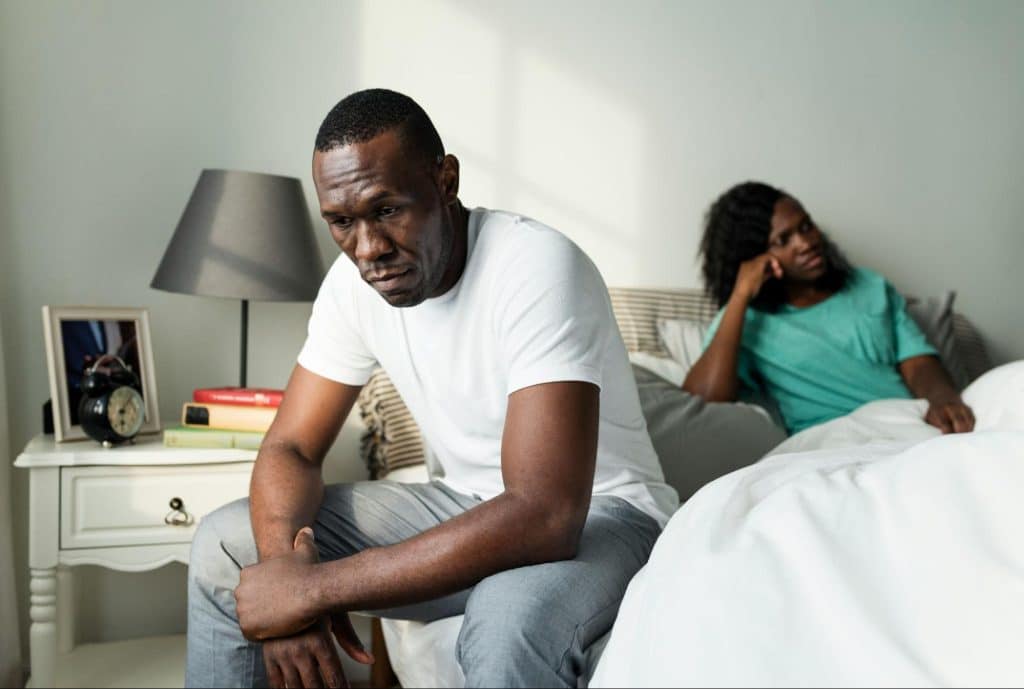
There comes a point in long marriages when a man quietly senses a shift he can’t fully explain. The routines stay familiar, and the responsibilities continue, yet something deeper feels different in ways he can’t immediately articulate. Emotional closeness fades not in arguments but in unnoticed pauses, muted reactions, and subtle disconnects that accumulate over time. Men often realize this change slowly, through ordinary moments that suddenly feel unfamiliar or strangely hollow. The recognition rarely arrives dramatically; it emerges through quiet clarity that settles in gradually. These are the moments when a man realizes he no longer feels seen, understood, or connected in the relationship he once believed was unshakeable. And although the realization hurts, it often becomes the turning point he never expected.
The Way Conversations Become Polite Instead of Personal

He notices that discussions feel more like exchanges between acquaintances than partners sharing a life. Every response sounds careful, measured, or distant, as though both are trying not to step on emotional cracks. The warmth that once shaped their everyday talk has thinned out and been replaced with functional communication. Even simple stories don’t land the same way because the emotional connection behind them has softened. He can feel himself holding back certain thoughts because they no longer feel welcome or meaningful. When polite conversation consistently replaces personal connection, he senses with painful clarity that something deeper is slipping. It is in these small exchanges that he first feels like a stranger in his own marriage.
She Stops Asking About the Things That Used to Interest Her

Topics she once cared about, his projects, frustrations, ambitions, or hobbies, no longer spark any curiosity. Her questions become rare, and the silence that replaces them feels louder than any disagreement they could have. He realizes he’s sharing out of habit, not because anyone truly wants to know how his day went or what he’s been thinking about. The absence feels like an emotional void that wasn’t there before. This quiet decline in interest becomes a moment of painful clarity that something has shifted. He begins to understand that attention is one of the first signs of closeness, and its disappearance is one of the first signs of distance. What used to feel like support now feels like a fading connection.
He Can’t Remember the Last Time They Laughed Naturally Together

The easy humor that once bonded them has faded into something faint and unfamiliar. Shared jokes that once sparked effortless laughter now feel distant or forced. Lighthearted moments are rare, and when they do appear, they disappear quickly without leaving warmth behind. He realizes they haven’t shared a genuine laugh in weeks, maybe months. It becomes clear that joy has shifted from something they created together to something they merely remember. The emotional space that laughter once filled now feels empty and heavy. That recognition reveals just how far apart they’ve drifted without noticing.
She Starts Finishing Her Own Day Without Mentioning Him in It

Her stories, routines, and reflections gradually exclude him in ways that once would have felt unusual. She describes her day as though she moved through it alone, untouched by their shared life. He listens but feels more like an observer than a participant in her world. This emotional distance is subtle but unmistakable once he sees it. Daily life no longer feels intertwined the way it used to, even if they share the same home. He senses the separation not by what she says but by what she no longer includes. The absence reveals how separate their emotional worlds have quietly become.
Shared Silence Stops Feeling Comforting

There was a time when quiet moments between them felt intimate and safe, filled with unspoken closeness. Now the silence feels heavy, awkward, or strangely distant, as though something important is missing. Instead of connection, the quiet brings awareness of emotional space growing between them. He feels more tension in these moments than ease, even if nothing is wrong on the surface. The shift in atmosphere is subtle but unmistakable once he notices it. Silence used to represent companionship, but now it reflects disconnection. That change alone becomes one of the clearest indicators that something fundamental has shifted.
He Realizes She Makes Decisions Without Thinking to Include Him

Choices once made as a team, plans, purchases, appointments, or even small household matters, now happen without consultation. It’s not done with malice; it seems automatic, like she no longer expects or needs his input. He notices decisions that affect both of them being made independently, as though the partnership has become optional. The absence of consideration feels like a quiet but powerful sign that emotional partnership has weakened. Practical responsibilities still exist, but emotional involvement has faded. He begins to recognize the difference between living together and actually sharing a life. And that difference grows wider with each separate decision.
Her Eyes Don’t Stay on Him the Way They Once Did

He notices a change in how she looks at him, something small but unmistakable. Eye contact used to linger with warmth or curiosity, but now it comes and goes quickly. The softness that once filled her gaze no longer appears, replaced by neutrality or distraction. Even in important conversations, her eyes drift away sooner than before. He feels the loss deeply, because eye contact was once their unspoken connection. This small shift holds a powerful truth about emotional distance that words might never reveal. It becomes one of the moments he can no longer ignore.
He Feels More Like a Presence in the House Than a Person in Her Life

He’s physically present, fulfilling roles and responsibilities, but emotionally he feels invisible. Their routines continue as usual, yet he senses he occupies space instead of connection. The home no longer feels like a shared emotional environment; it feels like two parallel lives happening under one roof. He notices she rarely reacts to his moods, expressions, or even his presence. The absence of warmth makes him feel detached from the relationship he helped build. This realization often arrives quietly during ordinary evenings when nothing dramatic is happening. And that subtlety is what makes it hurt more.
She Shares More With Friends or Family Than With Him

He sees her opening up to others, friends, siblings, coworkers, about frustrations, worries, or accomplishments. Conversations that once happened privately now happen elsewhere, leaving him out of emotional moments. It’s not betrayal; it’s a sign that her emotional bridge has shifted direction. He hears about important things secondhand, or sometimes not at all. The trust and intimacy that once belonged to their marriage now seem divided. This shift tells him that the emotional connection connecting them has weakened. And he realizes he no longer feels like her confidant.
He Stops Being Her First Source of Comfort

When something goes wrong, she handles it alone or turns to someone else for emotional support. Her instincts no longer lead her to him in difficult moments. He notices the change because he used to be the first person she sought. The emotional reliance that once anchored their bond has quietly moved elsewhere. This isn’t rejection as much as emotional drift, yet the impact feels just as heavy. He realizes the role he once held has faded without discussion. And the silence surrounding that shift makes it even harder to acknowledge.
She Shows Indifference Where Emotion Used to Be

Reactions that once carried warmth, frustration, or enthusiasm now feel muted or indifferent. Whether the moment is positive or negative, everything blends into the same flat tone. The lack of emotional variation reveals a deeper disengagement he hadn’t recognized before. Indifference is one of the strongest signs of disconnection because it shows where emotions no longer live. He sees it in her expressions, her responses, and her silence. Emotional absence becomes clearer than any conflict ever could. And that absence feels like a quiet goodbye.
He Notices They Move Around Each Other Instead of With Each Other

Shared routines slowly turn into parallel paths with little overlap. They’re in the same home but not in the same emotional space. Their movements, morning routines, evening habits, weekend tasks, no longer feel coordinated. He feels the separation physically, as though they’re orbiting the same space without ever intersecting. This physical distancing mirrors the emotional drift he’s been sensing for a while. He realizes the rhythm they once shared has disappeared. And without that rhythm, the home feels colder.
She Stops Seeking His Input, Even When She Seems Overwhelmed

There were times when she wanted his perspective on everything, even small choices. Now she carries stress alone or avoids discussing it altogether. He notices she navigates emotional moments independently, without turning toward him for grounding. His guidance no longer feels needed or welcomed, even unintentionally. This absence of reliance marks a shift in the emotional foundation of the relationship. He realizes that partnership isn’t just about shared responsibility, it’s about shared vulnerability. And that vulnerability has quietly vanished.
Affection Turns Into Brief, Practical Gestures Rather Than Warmth

Touch becomes routine rather than meaningful, something done out of habit rather than emotional intention. Hugs feel brief, kisses feel quick, and any closeness feels almost transactional. The warmth that once lived in these moments has faded, replaced with surface-level gestures. He can feel the difference clearly, even if nothing is said. Affection used to be an expression of connection; now it feels like an obligation. This shift becomes one of the clearest signals that the emotional bond has weakened. The emptiness behind the gestures hurts more than the absence of affection itself.
He Realizes She’s More Herself Around Others Than Around Him

Her energy shifts noticeably depending on who she’s with. She’s more expressive, relaxed, or open with others than she is with him. He sees smiles or laughter that rarely appear in their private moments. The contrast becomes too obvious to ignore. It reveals a level of emotional freedom she no longer shares with him. This realization doesn’t come with anger, it comes with sadness. Because it shows how far apart they’ve emotionally drifted without ever acknowledging it.
Loneliness Appears Even When They’re Together

The house may be full, but emotionally he feels alone. They speak, but connection doesn’t follow. Being beside her feels no different than being apart, and sometimes it feels worse. He realizes the loneliest moments aren’t when he’s by himself, they’re when he’s next to her but feels unseen. The emotional closeness that once held them together has thinned into something fragile. He begins to understand that loneliness inside a relationship is its own kind of heartbreak. And it grows quietly, without confrontation.
He Catches Himself Filtering His Words Around Her

He edits, softens, or entirely avoids expressing honest thoughts because they no longer feel safe or welcome. Authenticity feels risky, as though certain reactions might create tension instead of understanding. He becomes cautious with his tone, his phrasing, and even his emotions. This kind of self-censorship reveals how emotionally distant they’ve become. He realizes he is no longer showing up as his full self in the relationship. Emotional safety has shifted into emotional restraint. And that restraint marks a profound turning point.
He Feels Like He’s Competing With Her Distraction, Not Her Attention

Whether it’s work, social media, responsibilities, or fatigue, everything seems to hold more of her focus than he does. Conversations and interactions feel interrupted by distractions rather than supported by presence. He senses that her attention is divided even when they’re physically together. This isn’t intentional neglect, it’s emotional exhaustion manifesting as disengagement. Still, the impact is the same: he feels secondary to her mental load rather than part of it. He realizes the emotional presence that once defined their connection no longer feels shared. And the distance grows wider with every distracted moment.
He No Longer Recognizes Their Emotional Rhythm

Every relationship has a unique rhythm, shared habits, small rituals, predictable reactions, and inside jokes. When that rhythm disappears, he feels like he’s living beside someone whose emotional world no longer matches his. The familiarity they once relied on has faded into something strange and unsteady. He recognizes moments where their emotional timing is no longer in sync. This realization usually comes unexpectedly, in small interactions that feel foreign instead of familiar. The emotional bond that once guided them now feels disrupted. And he realizes they’ve drifted farther than either of them acknowledged.
Conclusion

When a man recognizes these shifts, it’s rarely in anger, it’s in quiet understanding that settles heavily in the heart. Emotional distance doesn’t emerge from one moment but from many subtle changes that accumulate over time. These realizations aren’t about fault; they’re about truth and the evolution of two people who may have grown apart without noticing. A man becomes a stranger to his wife long before either of them says the words aloud. Awareness becomes the first step to rebuilding, reconnecting, or making peace with the distance. Understanding these signs allows men to face the emotional reality they’ve often carried alone for years. And sometimes, acknowledging the truth is what opens the door to healing, or acceptance.








Ask Me Anything