
Being a man in today’s world can feel like walking through an obstacle course you didn’t sign up for. Society expects you to be strong, but also gentle, ambitious yet family-focused, stoic but open with your feelings. This isn’t about playing the victim card; it’s about naming the unfair double standards many of us deal with quietly. Recognizing these patterns gives you a clearer path to respond without losing your sense of self. Think of this as a reality check from an older brother who’s seen it and learned how to handle it without losing his footing.
Not Showing Enough Emotions

Many men keep their composure because that is what they were taught growing up. Yet when they stay calm or quiet, they are called cold or emotionally unavailable. This puts men in a double bind where showing restraint is treated like a flaw. It can be exhausting to feel like no response is the right one. Learning to express yourself on your own terms, rather than to meet a stereotype, can be freeing.
Not Taking the Initiative in Dating

If a man waits for the other person to make the first move, he is often labeled weak or uninterested. The assumption is that men must always lead, which is outdated and unfair. Relationships work best when both sides feel free to initiate. Men can decide for themselves what pace feels authentic without feeling pressured to play a role. Recognizing that criticism for not “leading” says more about others’ expectations than your worth can help you ignore it.
Forgetting Dates Or Anniversaries

Miss a birthday or anniversary, and suddenly you’re “not romantic.” Effort is measured in perfect memory, ignoring all the ways you show care. It’s a pressure that men laugh about with friends but feel in real life. Using reminders or small gestures proves you care more than anyone knows.
Having Hobbies Outside the Norm
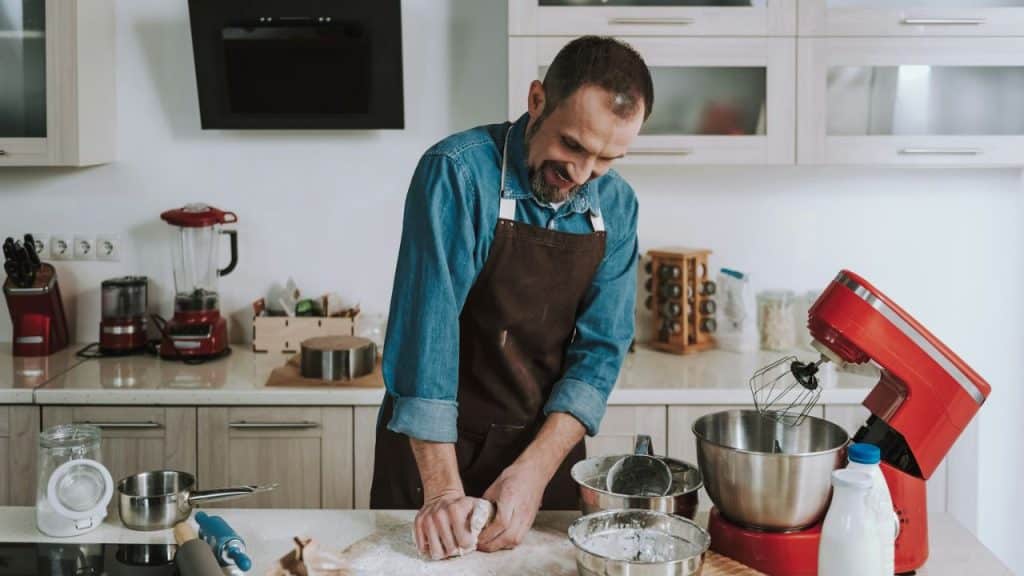
Men who love baking, crafts, or dance often hear jokes or get side-eyed comments about their masculinity. This narrow view of what is “appropriate” for men still lingers, even in 2025. Hobbies are personal, not proof of identity. Choosing to keep enjoying them despite the noise shows strength, not weakness. Over time, living openly makes those stereotypes look as tired as they are.
Not Settling Down “On Time”

Delaying marriage or kids often draws criticism that a man is immature or afraid of commitment. In reality, timelines are personal and should not be dictated by tradition or pressure. This judgment can feel relentless, especially as peers move into family life. Remember that building your future at your own pace is not a flaw. What matters is making choices you can stand by, not rushing to meet someone else’s deadline.
Not Being Ambitious Enough

Men who aim for modest careers or simple lifestyles often get dismissed as wasting potential. This criticism assumes everyone shares the same definition of success. Choosing a slower lane does not mean a lack of drive. It may reflect a conscious decision to value balance or peace over constant striving. Living by your own metrics takes courage, especially when others measure you differently.
Not Being Interested In Gossip

Tuning out drama or gossip often earns judgment as boring or antisocial. Silence is mistaken for disinterest or coldness. Men who focus on meaningful conversations or their own priorities face unnecessary criticism. Choosing not to engage doesn’t make you less connected. Prioritizing your energy for real value shows judgment and maturity.
Taking A Backseat In Conversation

Listening more than talking can make men appear disengaged or passive. Silence is often misread as a lack of insight. Observing before speaking demonstrates thoughtfulness and authority. Speaking with purpose outweighs filling space.
Staying Silent During Fights To “Keep The Peace”

Men who avoid arguments or step back to de-escalate are often called weak or passive. Choosing to stay calm is smart, but society still expects constant dominance. It creates a pressure where staying rational feels like failure. You can keep your composure and still be respected. Handling conflict with strategy shows more strength than reacting impulsively every time.
Being Slow To Open Up About Feelings

Taking time to process emotions can lead to labels like cold or detached. Society expects instant vulnerability on command. Men face criticism simply for being cautious or thoughtful. Sharing feelings on your own terms doesn’t weaken relationships. Patience with yourself and honesty with others build trust and demonstrate real emotional intelligence.
Preferring Solo Activities Over Group Events

Men who value alone time are labeled distant or antisocial. Choosing solitude for focus or recovery is practical. Society misreads independence as a flaw in personality. Men who recharge on their own terms stay sharper and more in control. Personal time is a strength, not avoidance.
Choosing Comfort Over Fashion

Wearing practical clothes or prioritizing comfort often leads to jokes about laziness. Society still measures masculinity by appearance standards that don’t make sense. Dressing for yourself, rather than for approval, is practical and confident. Comfort doesn’t erase style; it demonstrates self-awareness. Simple choices like this often matter more than critics suggest.
Avoiding Confrontation With Friends

Stepping back in disagreements can make men seem spineless, even when they’re keeping relationships intact. Society equates leadership with constant assertiveness. Choosing your battles is strategic, not cowardly. Maintaining peace often prevents bigger issues later. Men who act this way quietly gain credibility without drama.
Not Checking Social Media Constantly

Men who skip scrolling or limit screen time are sometimes seen as out of touch. Society equates constant connectivity with ambition and engagement. Choosing focus over distraction demonstrates self-control and priorities. Being present in real life shows competence and reliability. Digital restraint doesn’t make you less informed—it makes you more effective.
Avoiding Asking For Help To Appear Strong

Refusing assistance to avoid being called incapable can create unnecessary stress. Society praises self-reliance yet criticizes overextension. Seeking guidance strategically shows smart decision-making. Strength is knowing when to act alone and when to collaborate.








Ask Me Anything