
Attraction after 40 doesn’t disappear, but it does change shape. Men in this age range often talk differently in private than they do in public, especially about dating and long-term relationships. What comes out isn’t about chasing youth or unrealistic beauty standards. It’s more about energy, habits, and how someone shows up day to day. These are the things men admit to friends, forums, and late-night conversations, not first dates. Some of them might surprise you, not because they’re cruel, but because they’re rarely said out loud.
Living like health no longer matters

Men often say it’s not about weight or looks, but about visible effort. When someone seems checked out of their own health, it signals low energy and low future investment. Poor sleep, no movement, and constant complaints about the body add up fast. It reads less like aging and more like giving up. That shift matters more than wrinkles ever will.
Constant negativity about getting older
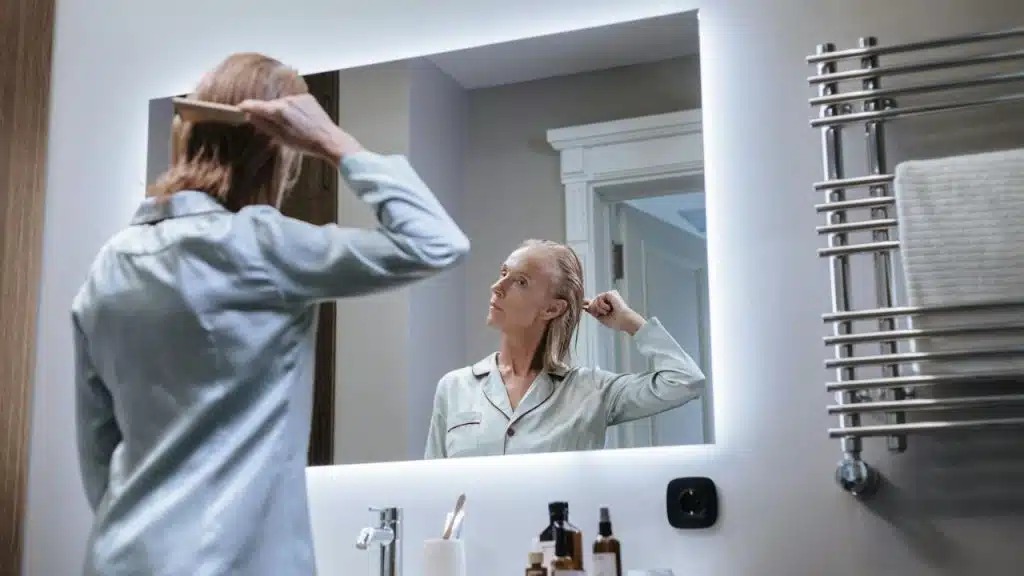
Aging jokes land once or twice, but living in that mindset gets heavy. Men admit they feel drained by conversations that circle around decline and loss. Confidence tied to realism is attractive, but bitterness is not. The issue isn’t age. It’s how much mental space aging takes up.
Ignoring personal style altogether

This isn’t about trends or dressing young. It’s about looking intentional instead of forgotten. Men notice when someone hasn’t updated their look in decades, even casually. A little effort signals self-respect. Total neglect suggests the opposite.
Talking nonstop about past relationships

History matters, but fixation doesn’t. Men often say that repeated stories about exes feel like unresolved business. It creates the sense that the relationship would always include a third party. Closure is attractive. Repetition is not.
Carrying visible resentment toward men

Some men describe this as feeling pre-judged before they even speak. When bitterness leaks into jokes or comments, it shuts down connection quickly. It’s less about fairness and more about emotional weight. Nobody wants to pay for someone else’s past experiences.
Having no interests outside work or kids

Men say passion is magnetic at any age. When someone’s entire identity is responsibility, conversation flattens out fast. Hobbies show curiosity and independence. Even simple interests make a difference. Stagnation is what turns people off, not maturity.
Overcorrecting with extreme youth obsession

Trying too hard to look 25 can feel uncomfortable instead of flattering. Men often respect self-care but recoil from denial. There’s a difference between upkeep and panic. Confidence usually beats correction.
Poor emotional regulation

Explosive reactions or constant tension raise red flags. Men in this age range value peace more than excitement. Emotional stability becomes a priority after years of chaos. Calm doesn’t mean boring. It means safe.
Using sarcasm as a default defense

Light humor works, but constant sarcasm reads as armor. Men say it creates distance instead of warmth. It can feel like every comment is a test. That gets tiring quickly.
Treating dating like a job interview

Overanalyzing, scoring, and evaluating every detail kills natural flow. Men admit they disengage when every interaction feels like an assessment. Curiosity beats interrogation. Ease matters more than credentials.
Lack of physical affection

This isn’t about constant intimacy. It’s about basic closeness disappearing. Men often interpret emotional distance through physical absence. When touch fades entirely, attraction usually follows.
Financial chaos without accountability

Money struggles happen, but avoidance is the issue. Men say responsibility matters more than income level. Blaming circumstances without ownership signals future stress. Stability feels attractive because it promises fewer fires to put out.
Smoking or heavy drinking as a lifestyle

Habits that were overlooked in the 20s hit differently at 40. Men often associate them with health decline and long-term problems. It’s less about judgment and more about projection. People think ahead at this stage.
Criticizing everything by default

Constant complaints wear down attraction fast. Men say they start to feel like nothing is ever enough. Constructive feedback is fine. Chronic dissatisfaction is exhausting.
Expecting effort without giving it

Reciprocity matters more with age. Men admit they pull back when effort feels one-sided. Attraction grows when both people show up. Entitlement kills momentum quickly.
Losing all sense of playfulness

Seriousness has its place, but joy still matters. Men often say humor and lightness keep attraction alive long-term. Life is already heavy enough. Someone who can still laugh stands out.
Treating aging like a disadvantage instead of experience

Men are drawn to confidence that comes from lived experience. When age is framed as a liability, it lowers perceived value. Owning your stage of life changes how others see it too. Experience can be attractive when it’s worn comfortably.








Ask Me Anything