
There are moments when a man calls a woman dramatic, and it feels justified. Then there are the moments when the label says more about the man than the woman. If you look closely, some guys use that word as a shortcut for avoiding hard truths, dodging accountability, or shutting down conversations they don’t want to have. You might not realize how often this happens because it shows up in subtle ways that feel normal. Once you see the pattern, you start questioning whether the problem was ever the woman in the first place.
1. Minimizing Her Feelings

A lot of men call women dramatic because they were never taught how to handle real emotions. When a woman expresses something uncomfortable, it becomes easier to judge her reaction than to examine the behavior that triggered it. This pattern shows up when men rush to label normal emotional responses as crazy or too much. Ask yourself whether the reaction was actually excessive or if it just made you feel exposed. Most of the time, the issue is emotional discomfort, not her intensity.
2. Dismissing Her Concerns

Many women are labeled as dramatic simply for raising valid issues. Instead of listening, some men call it exaggeration to avoid the internal work that honesty would require. It becomes a convenient way to escape responsibility. Before deciding she is overreacting, consider whether you are underreacting or refusing to engage. This small shift in thinking can change everything.
3. Avoiding Accountability

A man who hates being called out will often flip the script and accuse her of blowing things out of proportion. It removes the pressure of owning his actions. The truth is, avoidance becomes a habit when someone wants the benefits of a relationship without the accountability that comes with it. If you feel defensive right away, dig into that. The reaction might be protecting your ego instead of solving the problem.
4. Misinterpreting Her Boundaries

When a woman sets a boundary, some men take it personally. Instead of respecting the line, they call her dramatic to invalidate it. This usually happens when a man sees boundaries as criticism rather than self-respect. You might ask yourself what part of that boundary bothers you. Her standards are not an attack.
5. Using Humor to Deflect

Jokes become an easy shield when a man does not want to face the truth. Some men hide behind humor, then accuse her of being dramatic when she addresses it seriously. The real issue is not the joke but the discomfort underneath it. When humor becomes a defense mechanism, it creates emotional distance instead of connection. The reaction you call dramatic may simply be her asking to be taken seriously.
6. Weaponizing Calmness

There is a type of man who prides himself on staying calm, but he uses that calmness to dismiss anyone who reacts with more emotion. Calm does not equal correct. Plenty of poor choices get made in a quiet tone. When a woman expresses frustration, calling her dramatic is a way to feel superior rather than to be honest. Emotional expression should not be treated like a weakness.
7. Ignoring Her Repeated Warnings

When a woman has to repeat the same concern multiple times, her tone naturally changes. Some men ignore the first five quiet mentions, then only react to the sixth one, labeling it dramatic. What looks like intensity is often accumulated frustration. Before judging the reaction, look at the timeline. Did she really escalate, or did you delay listening?
8. Expecting Emotional Labor

Some men rely heavily on women to manage the emotional climate of the relationship. When a woman finally steps back or stops cushioning everything, she gets called dramatic. The problem is not her reaction but the imbalance that led to it. If you expect her to soothe, explain, or moderate every feeling in the relationship, you are setting her up to fail. No one should carry that load alone.
9. Refusing to Examine Your Triggers

Calling her dramatic can be a way to avoid acknowledging your own triggers. For some men, the tension is less about what she said and more about an unresolved internal wound. The discomfort is real, but the blame gets misplaced. You do not have to be flawless, but you do have to be self-aware. The reaction you criticize may be pulling up something you have been ignoring.
10. Confusing Disagreement With Disrespect

Some men feel disrespected the moment a woman challenges their point of view. Instead of addressing the disagreement, they label her ‘dramatic’ to shut down the debate. This response is often rooted in insecurity rather than logic. Disagreement does not equal attack. If a differing opinion shakes you, the issue is not her tone but your stability.
11. Avoiding Honest Conversations

When a man avoids conflict, he often labels any attempt at conversation as drama. The woman is not being dramatic. She is trying to communicate. When you call it drama, what you really mean is that you don’t want to talk. Honest conversations require presence and courage, not avoidance. She deserves both.
12. Feeling Exposed When You’re Wrong

The truth stings. Especially when someone sees the part of you that you prefer to hide. Accusing her of exaggerating can be a knee-jerk reaction to that uncomfortable realization. The moment you feel exposed is usually the moment you grow. The drama you think she is creating might just be clarity shining a light on what you do not want to see.
13. Projecting Your Own Behavior

Sometimes the label dramatic is a projection. A man might accuse her of what he himself is doing. It becomes easier to point the finger outward rather than admit he is escalating, deflecting, or avoiding. Projection protects pride but harms connection. If her reaction feels strangely familiar, it might be your own behavior reflected at you.
14. Misreading Her Tone

Tone is one of the easiest things to misinterpret. If you are stressed, tired, or disconnected, simple comments can sound like attacks. Men often confuse emotional tone with irrationality. The reaction you label dramatic may simply be a normal human emotion that you were not ready to receive. Interpretation is not reality.
15. Feeling Unprepared for Emotion
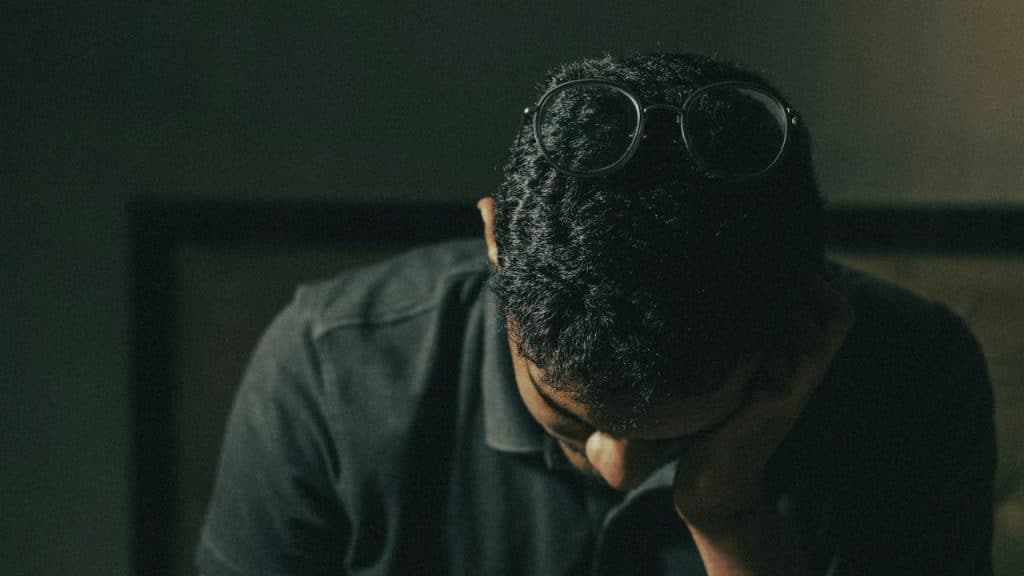
Some men were raised with limited emotional tools. When faced with an emotion they do not know how to handle, they call it dramatic because that is the only vocabulary they have. This does not make you bad. It just means you need better tools. Emotional skill is learned, not inherited.
16. Believing Your Logic Is Superior

Plenty of men prioritize logic while dismissing emotion entirely. The problem is that life requires both. Calling her dramatic becomes a way to elevate yourself rather than understand her. If you believe logic always wins, you are missing half the picture. Emotional intelligence is not optional.
17. Using the Word Dramatic as a Shortcut

Sometimes, the word dramatic becomes a lazy catch-all. Instead of saying you feel overwhelmed, tired, guilty, or unprepared, you turn it into her problem. This shortcut keeps conflict at bay for a moment, but it damages trust over time. Naming your real feelings is harder, but it’s the only path that builds a relationship worth staying in.








Ask Me Anything