
Aging happily in marriage isn’t about luck, personality, or having a “perfect” partner. It’s about avoiding subtle emotional traps that quietly drain connection, joy, and self-respect over time. Many men don’t realize they’ve fallen into these patterns until resentment feels normal and emotional distance feels permanent.
The happiest married men make different choices—often small ones—consistently. They stay emotionally awake, not just married on paper. Here are the emotional traps they deliberately avoid, and how you can too.
Confusing Loyalty With Emotional Silence
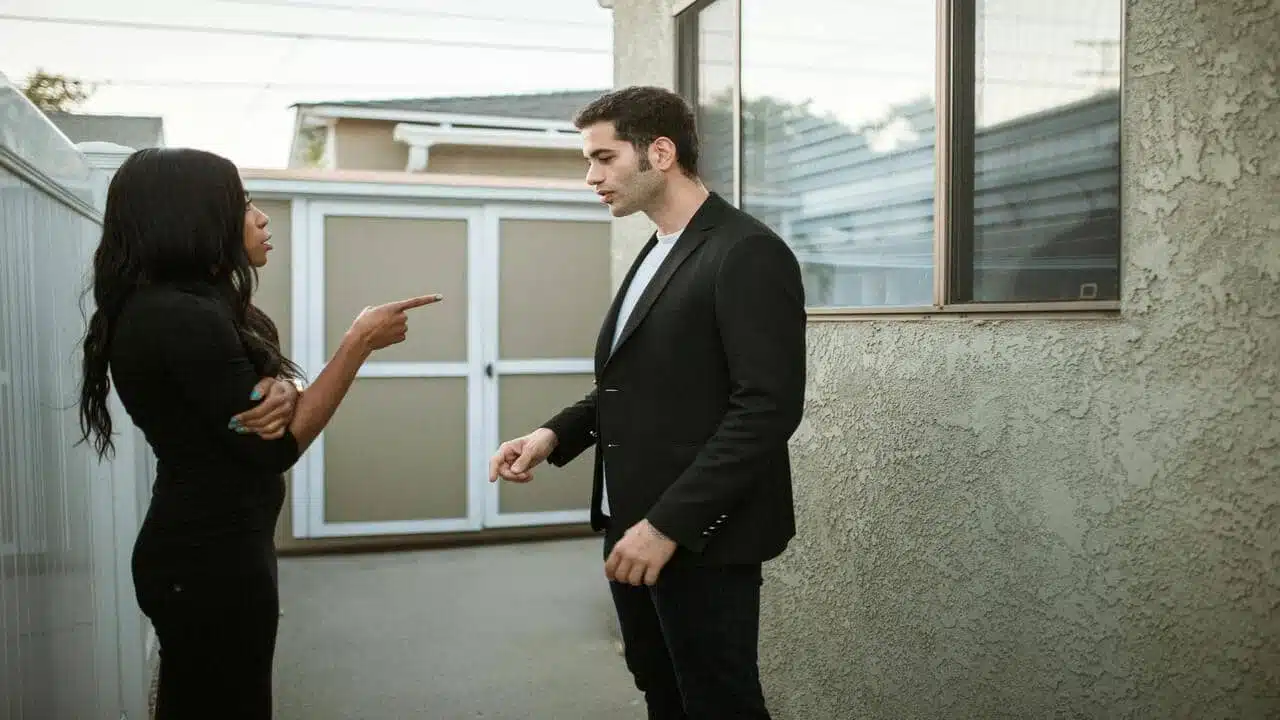
Many men believe being loyal means enduring quietly, never voicing discomfort or unmet needs. Over time, this turns loyalty into emotional disappearance. Happy marriages require presence, not quiet sacrifice. If something matters to you, it deserves words. Speak early, calmly, and respectfully—before silence turns into bitterness.
Letting Resentment Become a Background Emotion
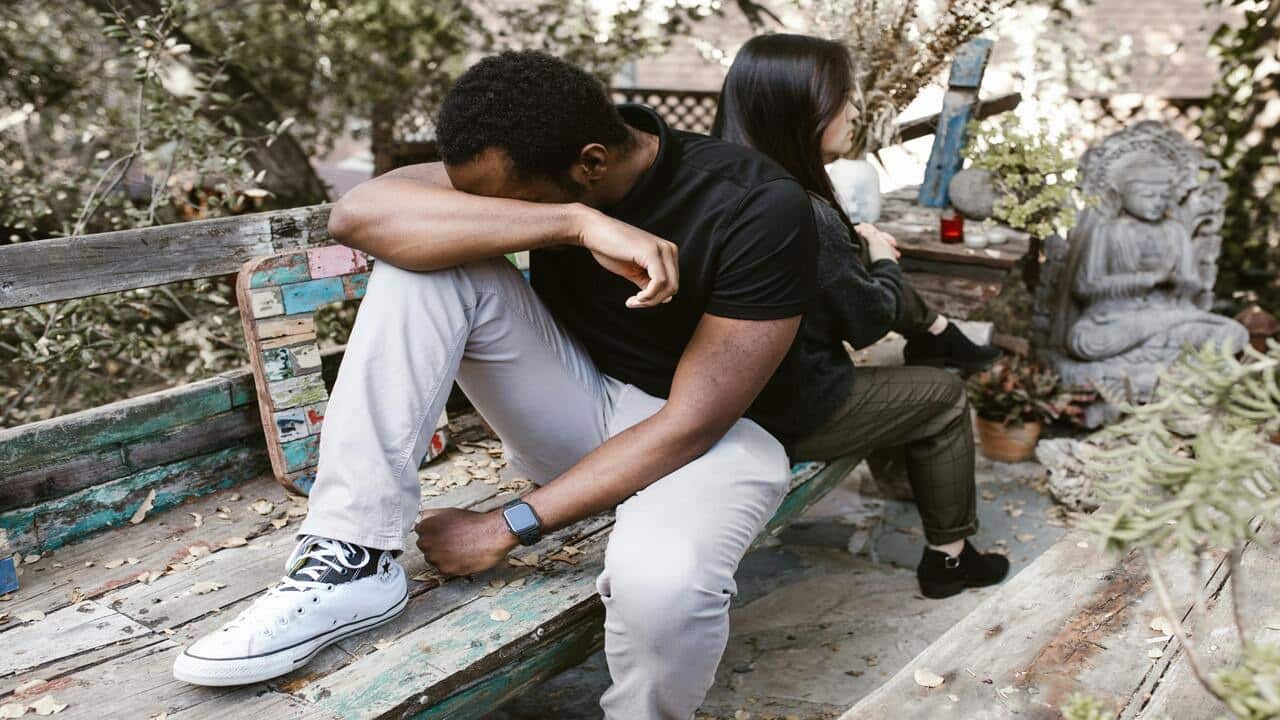
Resentment often doesn’t explode; it hums quietly in the background. Men who age unhappily tell themselves, “It’s not worth bringing up,” until everything feels heavy. Happily married men treat resentment like a check-engine light. They address small frustrations regularly instead of storing them for years.
Believing Emotional Intimacy Is Her Job

Some men assume emotional closeness is something their wife creates and maintains. That belief slowly erodes connection. Emotional intimacy is a shared responsibility. Ask questions, stay curious, and learn how your partner’s inner world evolves over time. Effort here pays compound interest.
Using Humor to Avoid Real Conversations

Jokes can deflect tension, but they can also block depth. Men who age well know when humor helps—and when it hides discomfort. If every serious moment turns into sarcasm, something important is being avoided. Practice staying present when conversations feel awkward or emotionally charged.
Tying Self-Worth Entirely to Being Needed

Being useful feels good, but being needed isn’t the same as being known. Men who age happily don’t rely solely on fixing, providing, or rescuing to feel valuable. They allow themselves to be emotionally visible too. Let your partner see who you are, not just what you do.
Expecting Passion to Run on Autopilot

Attraction doesn’t disappear; neglect does. Men who stay fulfilled don’t assume chemistry should “just last.” They flirt, initiate, and create novelty—even after decades. Desire thrives on intention. Treat attraction like something you participate in, not something you wait for.
Avoiding Conflict to “Keep the Peace”

Peace built on avoidance is fragile. Happily aging men understand that respectful conflict strengthens trust. They don’t escalate, but they don’t disappear either. Learn to disagree without attacking. The goal isn’t winning—it’s understanding and repair.
Shrinking Their World to the Marriage Alone

Relying on one person for all emotional fulfillment creates pressure and stagnation. Men who age well maintain friendships, interests, and personal goals. A full life makes you a better partner. Independence and connection aren’t opposites—they support each other.
Assuming Their Partner Should “Just Know”

Unspoken expectations are quiet relationship killers. Men who age happily say what they need clearly, without mind-reading tests. If something matters, articulate it. Clarity prevents disappointment far better than silent hope ever will.
Letting Routine Replace Appreciation

Familiarity can dull gratitude if you let it. Men who stay emotionally young notice effort, growth, and presence—even in long marriages. Appreciation doesn’t have to be grand. Regular acknowledgment keeps love from turning invisible.
Carrying Old Arguments Into the Present

Some men keep emotional scorecards they never consciously check—but always feel. Happy aging requires emotional housekeeping. Resolve old wounds or consciously release them. You can’t move forward while dragging unresolved history behind you.
Ignoring Their Own Emotional Health
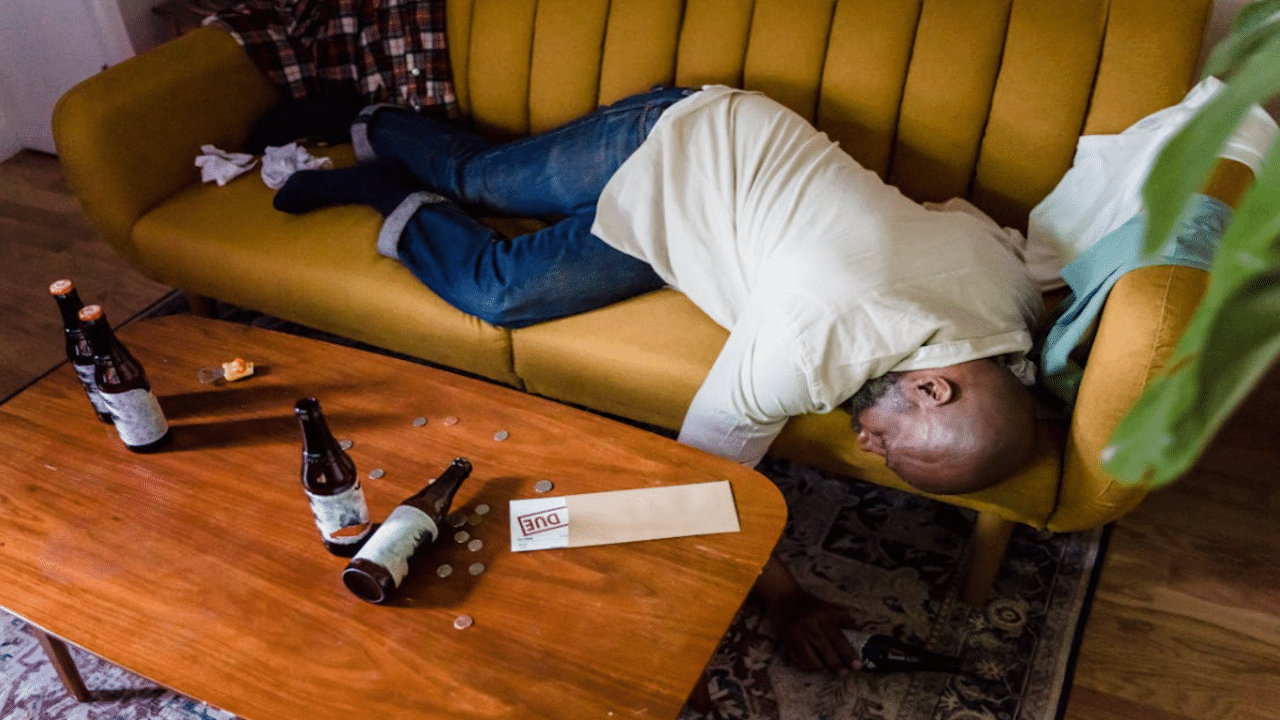
Suppressing stress, sadness, or anxiety doesn’t make it disappear—it leaks out sideways. Men who age happily take responsibility for their mental and emotional well-being. They reflect, talk, and seek support when needed. Strength includes self-awareness.
Expecting Marriage to Fill Existential Gaps

No partner can fix emptiness, lack of purpose, or unresolved self-doubt. Men who age well build meaning beyond the relationship. Marriage thrives when it complements a purposeful life—not when it’s asked to replace one.
Treating Change as a Threat Instead of a Signal

People evolve. Men who resist change often feel left behind emotionally. Happily married men stay curious about who their partner is becoming—and who they are becoming themselves. Adaptation keeps intimacy alive.
Measuring Love Only Through Sacrifice

Sacrifice without joy eventually turns transactional. Men who age happily give willingly, not resentfully. They also receive without guilt. Healthy love includes mutual care, not quiet martyrdom.
Avoiding Vulnerability to Maintain Control

Control feels safe, but vulnerability builds closeness. Men who age well allow themselves to be emotionally seen—even when it feels risky. Intimacy grows where honesty lives. You don’t lose power by opening up; you gain connection.
Believing It’s Too Late to Improve Things

This belief traps many men in emotional resignation. Happily aging men know it’s never too late to change patterns, rebuild closeness, or learn new skills. Growth doesn’t expire with age. Effort still matters—maybe more than ever.
Settling for Emotional Flatness as “Normal”

The biggest trap is accepting quiet dissatisfaction as the cost of longevity. Men who age happily refuse emotional numbness. They stay engaged, expressive, and intentional. A fulfilling marriage isn’t about constant happiness—it’s about staying emotionally alive together.








Ask Me Anything