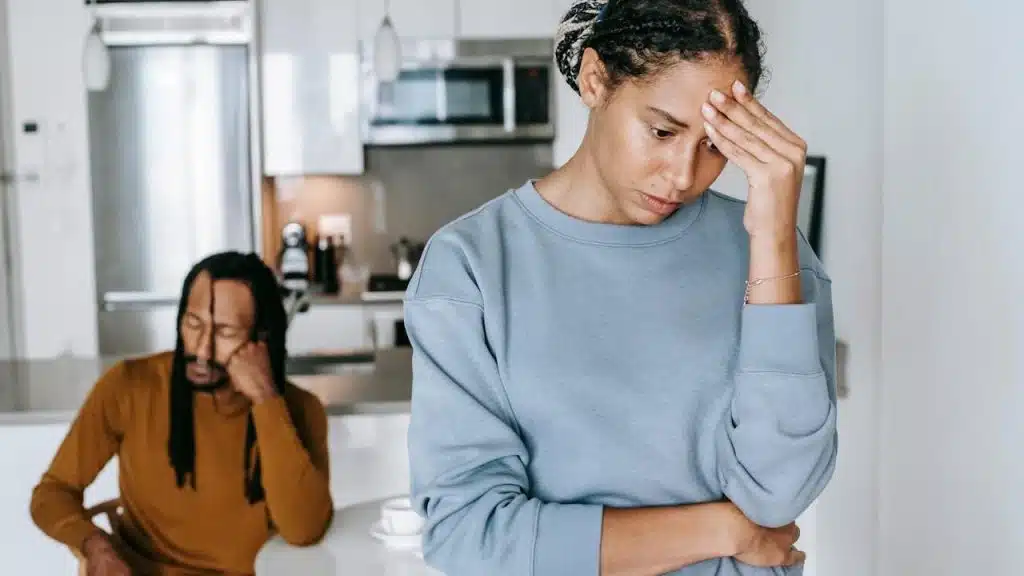
Marriage is one of the most important commitments two people can make. It is more than just about love, attraction, or shared dreams. It is about mutual respect, compatibility, and emotional growth as well. No one is perfect, but certain habits can destroy relationships, and the more serious the commitment, the more serious the habits can be.
When entering a commitment as serious as marriage, one should consider the good and the bad and watch for patterns in all types of situations. These types of situations often include things that seem easy to ignore but become major issues later on.
Before deciding to get married, here are fifteen habits to consider.
Constant Disrespect
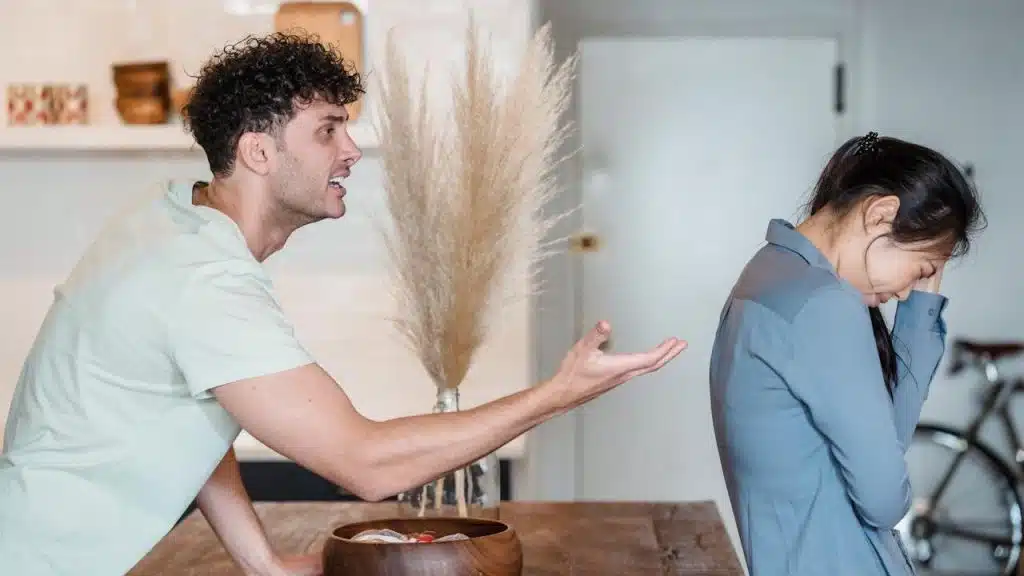
Respecting your partner is one of the most important aspects of a relationship. Many people develop the habit of disrespecting their partner’s views and thoughts. Sadly, these habits often continue into marriage as well.
The disrespect of sarcasm, whining, constant interruptions, and a patronizing attitude cause a lot of emotional damage. There might be disrespectful signs that slowly change the emotional trust of the couple into a reserved deadly hate.
Poor Communication

One of the most important aspects of a successful relationship is open and honest communication. When a partner avoids meaningful conversation, does not tolerate differing opinions, or shies away from important issues, problems ensue.
An honest disagreement is less damaging in a relationship than silence, disengagement, and passive aggression.
Habitual Lying

Once broken, trust is hard to gain back. People tell you lies about where they are, how they spend money, or what they feel, and all they are doing is being dishonest and being a hypocrite. A really exhausting thing in a marriage is to not have trust.
Lack of Accountability

Everyone makes mistakes, it’s a part of life. It takes a good bit of emotional maturity, however, to take ownership of mistakes, learn from them, and move on. Some people tend to ignore this. Avoiding blame in situations where they are at fault, not offering an apology, and shirking their duties is evidence of an individual essentially running from accountability.
However, a good relationship cannot survive without accountability.
Extreme Jealousy
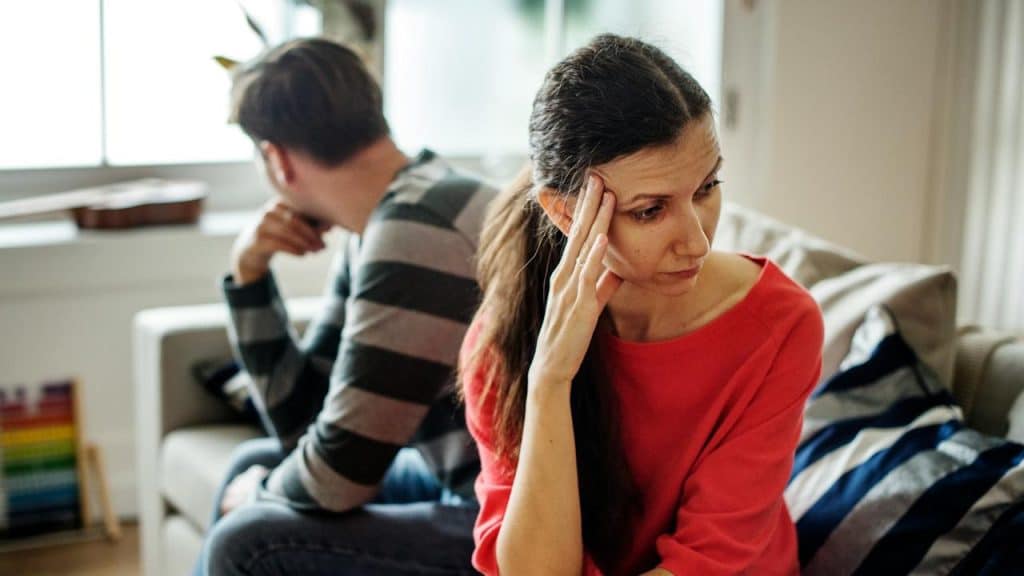
Feeling a little jealousy in a romantic relationship is common. There is a big difference, however, between a little jealousy and watching your partner like a hawk. Someone who is constantly checking their partner’s phone, being upset about who is near their partner, getting angry at their partner about nothing, etc, is a toxic controller.
In a loving relationship, trust must always be greater than the insecurities.
Manipulation Through Guilt

People learn how to use guilt as a form of control over people. For example, a partner might use the phrase “If you loved me, you would…” to get someone to do something they are uncomfortable with.
In healthy relationships, people do not use emotional guilt as a form of control. They show respect for limits and boundaries.
Financial Irresponsibility

A common cause of conflict in marriages is money. Spending too much, hiding financial decisions, and not being responsible with money are habits that will create stress in a marriage.
Financial maturity is important for stability in relationships.
Constant Negativity
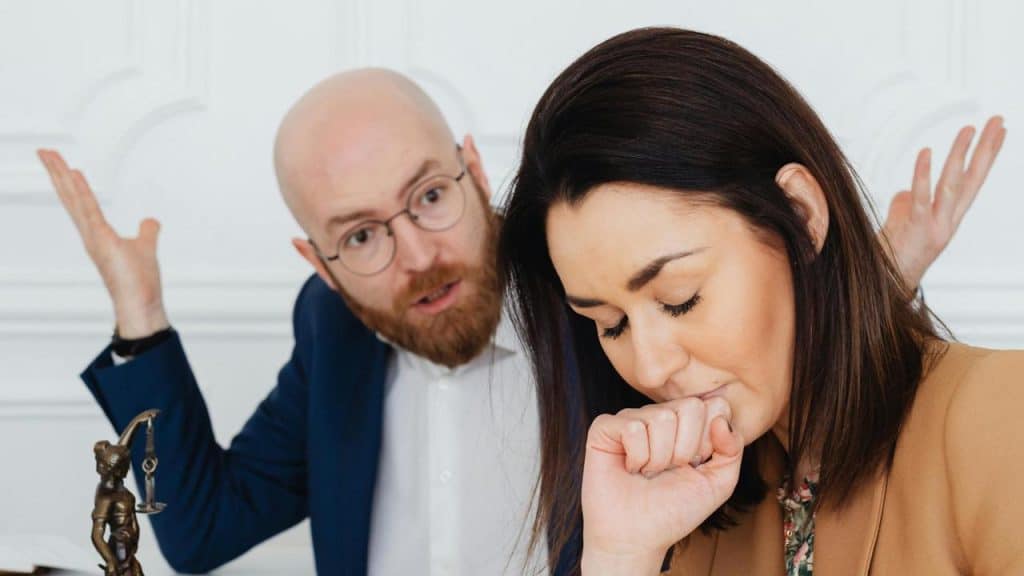
Being in a relationship with someone who complains all the time, criticizes others, or only focuses on problems is very emotionally draining. We all have rough patches in life, but a persistent negative attitude can really poison a couple’s household.
A healthy partnership is centered on stability not clouded by excessive emotional burden.
Lack of Respect for Boundaries

Believe it or not, some distance in a relationship can be just as important as closeness. If one partner declines to give emotional, social, or even professional distance, the other might end up feeling quite suffocated.
Your partner should be in your life, but still, you should be able to retain your individuality. Space in a relationship enables this.
Refusal to Grow or Improve
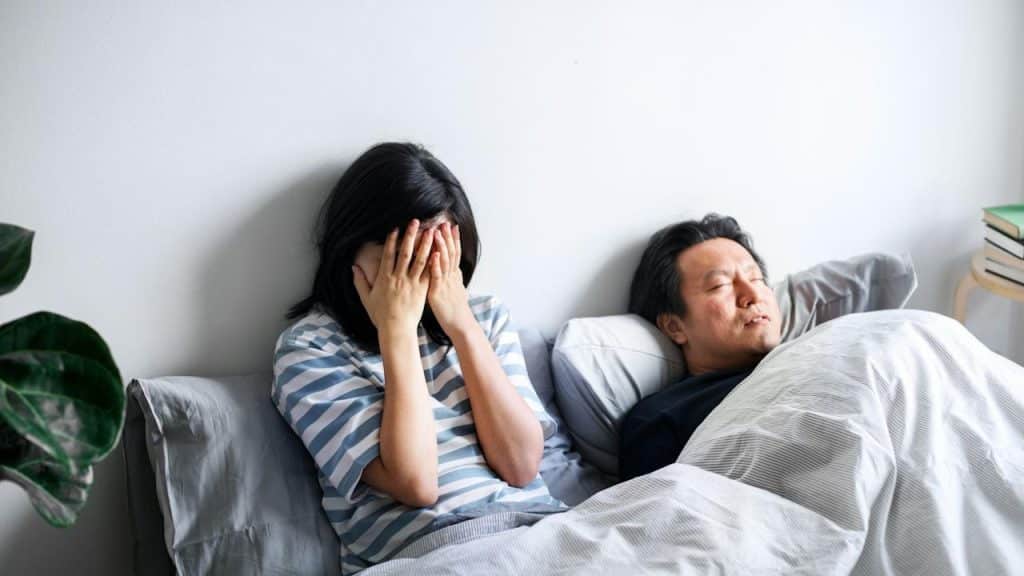
Personal development is important at every stage of life. It is key to relationships. If people won’t change when it is needed or take a moment to think about their actions, relationships will turn aggravating.
Those who are open to change will foster stronger bonds.
Frequent Public Humiliation

Making jokes at a partner’s expense, or embarrassing them in front of others, may seem lighthearted or fun, but the mental harm of humiliating a partner goes far beyond the moment, as over time these mean spirits erode trust, and ruin partner’s self esteem.
Instead of undermining their partner, a respectful partner will protect and preserve their partner’s dignity.
Controlling Behavior

Concern for your partner by trying to control their social interactions, what they wear, or who they can see or reach out to, is not possessiveness, but is actually a sign of controlling behavior.
A controlling mindset is not an attitude that is acceptable in a marriage. Marriage is meant to be about partnership.
Inability to Handle Conflict

The reality of disagreements in long-term relationships is that they will always occur. It is how one chooses to react to those disagreements that is the bigger problem. If someone is prone to uncontrollable fits of rage, the cold shoulder, or emotional withdrawal, the problem will likely stay unresolved.
Being able to manage conflict in a positive way is an important ingredient in a healthy relationship.
Lack of Empathy

Empathy helps people understand and appreciate one another. When one partner’s feelings or efforts are repeated ignored, emotional neglect begins to build over time.
In marriages, the absence of empathy, can leave partners feeling lonely, even in each other’s company.
Disrespect Toward Others

In what way does someone talk to waiting staff, coworkers, family, and even people they don’t know? These interactions tell us a lot about someone’s personality. If someone is rude, condescending, or mean to other people, that same attitude could emerge in a marriage.
Trustworthy people show kindness to other people.
Final Thoughts
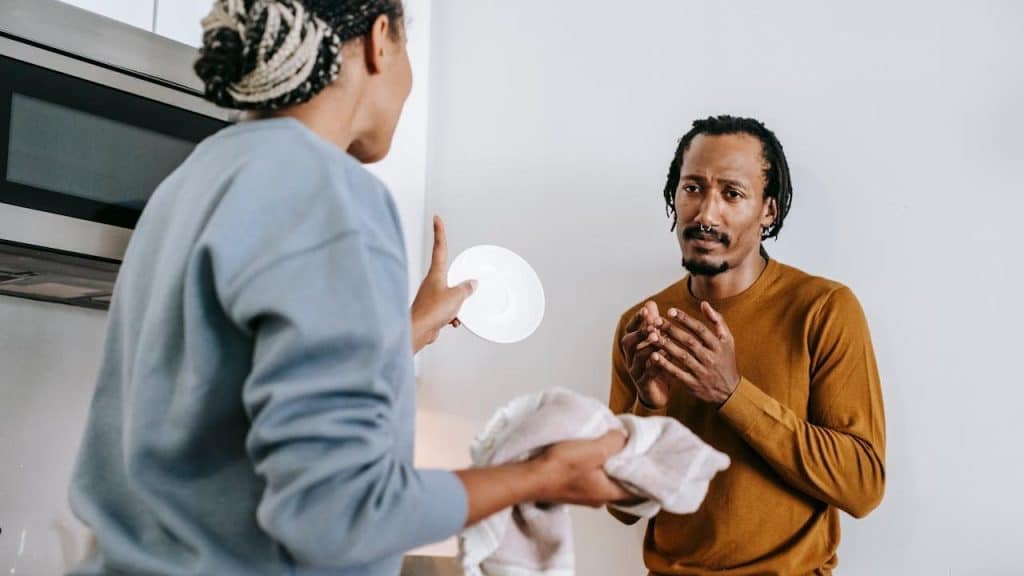
Nobody enters marriage without issues. Everyone has personal challenges. What makes a difference is a willingness to work on personal challenges.
Happy marriages have respect, honesty, good communication, and emotional maturity. When all of these qualities are present, challenges are easier to work through. When any of these qualities are missing, even small challenges can turn into big problems.
When you consider marriage, it is important to consider much more than love and attraction. Consider daily actions and behaviors, and look for long-term patterns. Identifying toxic patterns early will help avoid disappointment.
Finding the right partner means more than love and attraction. It means finding someone you can build a respectful and supportive life with.








Ask Me Anything