
Marriage in your 40s hits different. The spark that once came easily now takes effort, and the roles you play have shifted more than you ever planned. You’re no longer the guy figuring things out—you’re the one expected to hold it all together. Bills, aging parents, and family schedules start replacing spontaneity. These truths aren’t meant to discourage you—they’re what every man eventually learns when the shine fades and real life moves in.
Marriage Can Feel More Like a Partnership Than a Romance

Over time, the relationship starts to resemble a business operation. There are schedules, logistics, and endless coordination. The emotional spark takes a back seat to efficiency. It’s not wrong to function as a team, but if romance gets lost entirely, resentment creeps in quietly. Every once in a while, you need to ditch the routine and remind each other that you’re still more than co-managers of a household.
Your Relationship Becomes More About Stability Than Passion

That wild energy from your early years gives way to something steadier. You start valuing predictability because it keeps life manageable, but that same routine can feel heavy. The thrill gets replaced by teamwork, and passion starts to require planning instead of chance. If you don’t make space for connection, stability can feel like stagnation. Keeping the bond alive now takes more intention than impulse.
You’ll Realize That Love Alone Doesn’t Hold a Marriage Together

Chemistry brought you together, but maturity keeps you there. Love matters, but it’s not enough to handle parenting, finances, or emotional exhaustion. Compatibility, patience, and timing play bigger roles now. Long marriages last because two people choose to keep showing up, not because they’re still madly in love. Emotional skill is what holds the line when romance fades.
You Can’t Help Comparing Yourself to Other Married Men

You notice how other couples act at gatherings, how relaxed or connected they seem. You wonder if they figured out something you haven’t. It’s a quiet comparison that can either push you to improve or eat away at your confidence. Most of the time, you’re comparing your reality to someone else’s highlight reel. Use that curiosity to reflect, not to self-destruct.
You’ll Realize That Routine Doesn’t Equal Stability

Doing the same things every day might look steady from the outside, but inside, it can feel hollow. Stability isn’t about repetition; it’s about engagement. When you stop being curious about your partner, the relationship starts to coast. You both deserve more than autopilot. A stable marriage still needs life in it.
You’ll Feel Less Heard Than You Used To

Somewhere between career talks, school pickups, and daily logistics, real conversation fades. You may find yourself speaking less because you already know how she’ll respond—or worse, because it feels like she isn’t really listening. It’s not malicious; it’s survival mode. But silence breeds distance. If you want to be heard, you’ll need to be clear about what matters and patient enough to wait for the moment she’s ready to listen.
Physical Intimacy Isn’t Automatic Anymore

You both have more on your minds, and the spark doesn’t just light itself. Stress, exhaustion, and changing bodies make intimacy feel more like a choice than a natural flow. It’s easy to let it fade, but that distance grows fast. You’ll need to be intentional—planning, talking, and showing interest even when you’re not in the mood. Intimacy becomes less about passion and more about connection.
You’ll Miss Who You Both Used to Be
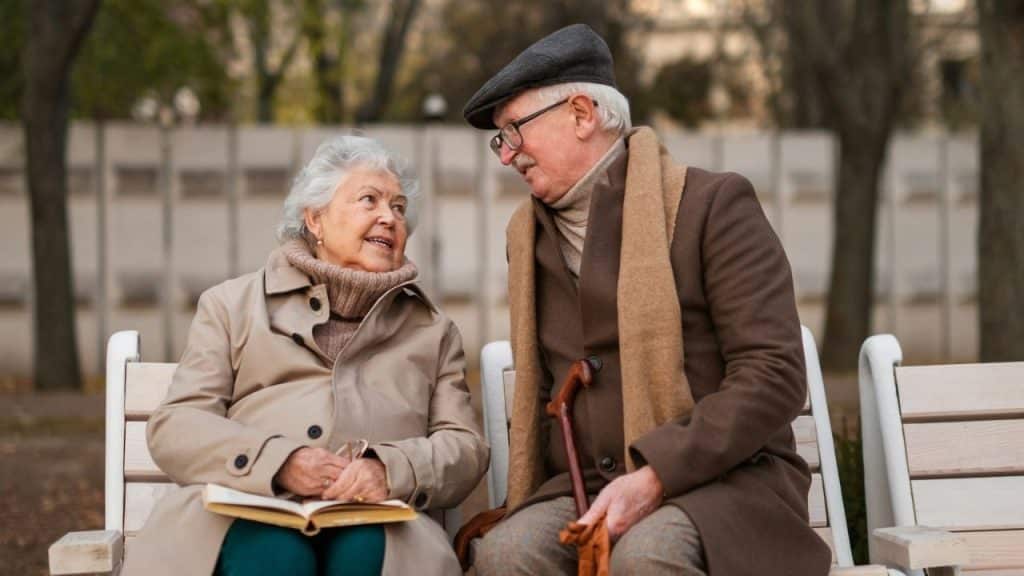
There are moments when you’ll look at each other and realize how much time has passed. The people you were in your twenties feel like strangers. That nostalgia can be bittersweet; you miss the reckless version of love that didn’t have bills attached. Missing it doesn’t mean you’ve failed—it just means you’ve grown. The key is learning to love who you’ve both become without resenting who you used to be.
You’ll Sometimes Feel Alone — Even When You’re Not
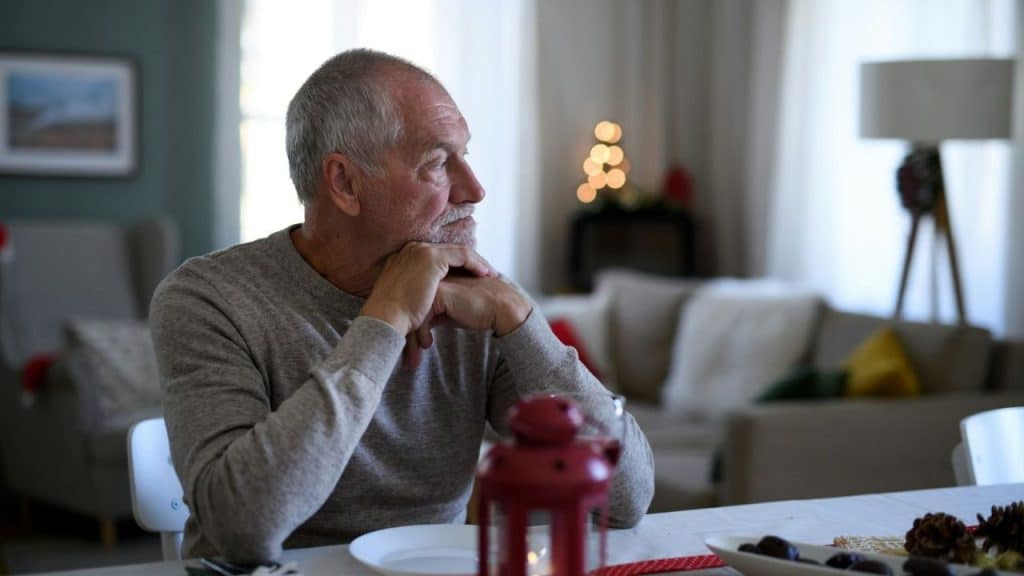
You can sit next to someone every night and still feel distant. Many men in long marriages carry that quiet loneliness, unsure how to fix it. Emotional disconnection rarely announces itself; it builds in silence. When you stop sharing the real stuff—the doubts, fears, and frustrations—that’s when you start to drift. Reconnection begins with honesty, not small talk.
You’ll Realize How Little Society Cares About Married Men’s Struggles

There’s plenty of talk about supporting women and children, but few ask how men are holding up. You’re expected to just manage—keep earning, keep showing up, keep being fine. The lack of recognition adds to the burnout. You start wondering if anyone even notices the sacrifices you’ve made to keep things running. It’s not self-pity; it’s the reality of being invisible in plain sight.
You’ll See That Avoiding Conflict Only Delays It

Men over 40 get tired of fighting, so they start avoiding tough talks. But silence doesn’t erase problems—it stores them. That unspoken tension eventually leaks into everything else. Addressing conflict early keeps it from poisoning the relationship later. Avoidance is just delayed pain.
You’ll Crave Respect More Than Attention

In your 40s, you don’t need constant validation. What you want is acknowledgment. You want to feel respected for what you bring to the table, not micromanaged or corrected. Affection feels empty without appreciation. When respect fades, men quietly disconnect, not out of anger but out of fatigue.
You’ll Realize That Marriage Isn’t About Fairness

You’ll do more sometimes. She’ll do more other times. The balance is never perfect, and keeping score will ruin you. Marriage isn’t about splitting effort evenly; it’s about stepping up when the other person can’t. Fairness sounds good in theory, but in practice, love is uneven and messy.
You’ll See That Loneliness Can Exist Inside Love

You can sleep beside someone and still feel alone. Marriage doesn’t guarantee closeness; it just gives you proximity. When communication dries up, loneliness moves in quietly. It’s not about being physically distant—it’s about feeling unseen. That kind of emptiness hits hardest when you thought love would protect you from it.
You’ll Understand That Some Marriages End Quietly
Not every breakup comes with betrayal or chaos. Sometimes it ends with two people who simply gave up. No one yells, no one cheats—just silence, distance, and exhaustion. That’s the kind of ending most men never see coming. If you stop fighting for connection, you start preparing for goodbye.








Ask Me Anything