
For decades, certain marriage rules seemed to favor wives while quietly placing heavier expectations on men. Today, more men are beginning to question these norms and push for fairness in relationships. From household duties to emotional labor, modern couples are redefining what balance really means. This shift is sparking honest conversations that were often avoided in the past.
Why Equality Matters for Health

Unequal dynamics in marriage do not just affect emotional well being. They also impact stress levels, sleep quality, and even long term health outcomes for men. Studies link chronic stress from relationship imbalance to higher risks of heart disease and mental burnout. Men are realizing that advocating for fairness is not selfish but a crucial part of self care.
The Invisible Chores Rule
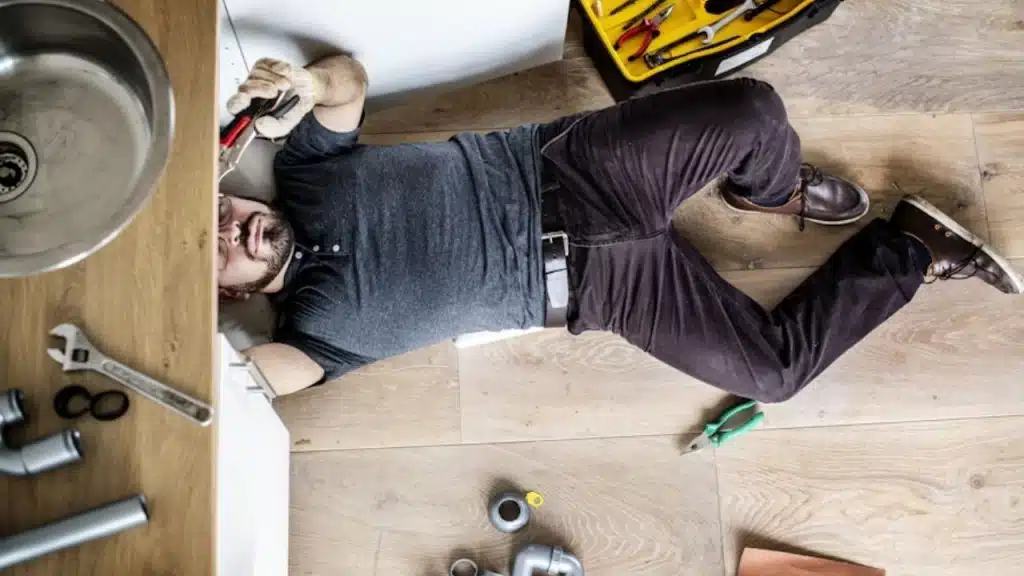
Many men point out that invisible household tasks often default to them without recognition. This includes fixing things, handling finances, or heavy lifting around the home. When these tasks pile up without acknowledgment, resentment builds silently. Couples are now learning to share both visible and invisible responsibilities more evenly.
The Financial Provider Expectation

Traditional rules often assume that men must remain the primary breadwinners. This pressure leaves little room for men who want to pursue passion projects or shared financial partnerships. More couples are redefining financial roles so that income is a joint responsibility, not a single burden. This shift reduces stress and promotes healthier decision making.
Emotional Labor Falls One Way

While women are often seen as the emotional caretakers, men can also be expected to maintain peace at any cost. This creates an unspoken pressure to suppress emotions to keep the household calm. Men are learning that sharing emotional responsibility helps both partners grow stronger. Balanced communication benefits mental health on both sides.
The Parenting Double Standard

Parenting rules sometimes assume men should only play a supporting role while women lead. But modern fathers are actively challenging that narrative. From school runs to bedtime routines, men are stepping into equal parenting roles. This not only supports fairness but also strengthens bonds with their children.
Men’s Health in Marriage

One overlooked marriage rule is that men’s health often takes a backseat. Many men skip regular checkups, assuming their role is to stay strong and not complain. But prioritizing preventive screenings and regular exercise benefits both the individual and the marriage. A healthy partner makes for a healthier relationship.
The Fitness Balance

Marriage routines sometimes create comfort zones where men drop personal fitness habits. Yet maintaining physical health is a key part of sustaining energy and confidence in relationships. Men are realizing that staying active is not vanity but an investment in longevity and intimacy. Shared fitness goals can also build connections with a spouse.
Nutrition Is a Shared Job

Cooking and meal planning are often unfairly seen as the wife’s domain, but men’s dietary habits matter just as much. Shared meal prep encourages balanced eating and prevents reliance on unhealthy shortcuts. Studies show that men who take part in nutrition planning are less likely to develop long term health risks. Equality in the kitchen benefits everyone.
The Social Life Expectation

Many wives are given more freedom to plan social activities, while men often compromise or follow along. But social connection is vital for men’s mental health. Friendships lower stress, improve emotional resilience, and reduce feelings of isolation. Men are learning that nurturing their social life benefits the marriage rather than competing with it.
The Sacrifice Myth

Marriage rules sometimes push men to constantly sacrifice their own hobbies or passions for the sake of harmony. Over time, this erodes identity and personal joy. Men who keep personal interests alive show higher life satisfaction and lower stress levels. Balanced relationships allow space for both partners’ passions.
The Silent Strength Rule

Many men grew up hearing that they must always be the rock, never showing weakness. But research shows that bottling emotions leads to higher risks of anxiety, depression, and cardiovascular disease. Marriage works best when both partners feel safe to express vulnerability. Openness is a sign of strength, not weakness.
Rest and Recovery Matter

Another rule men face is the idea that rest equals laziness. In marriage, men often overwork themselves to provide or maintain roles. But proper sleep and recovery are vital for hormone regulation, energy, and overall wellness. Encouraging balanced rest prevents burnout and improves intimacy.
Men’s Mental Health Awareness

Mental health has often been overlooked in traditional marriage setups, where men are expected to carry burdens silently. Therapy, meditation, and open dialogue are becoming more normalized for men. Seeking help is no longer viewed as weakness but as proactive self care. A mentally strong man supports a stronger marriage.
Shared Financial Transparency

Some outdated rules suggest that men should handle money while wives focus on spending or saving. But financial secrecy fuels stress and conflict. Couples thrive when both partners share budgeting, debt management, and savings decisions. Transparency creates trust and removes the burden from men being the sole financial gatekeepers.
Redefining Success in Marriage

Success used to be defined by how much men could provide materially. Today, couples are beginning to value emotional availability, shared responsibilities, and health more than wealth alone. Men are challenging old measures of success and embracing holistic well being. This shift reduces pressure and fosters healthier relationships.
Stress Reduction Strategies

Marriage stress often falls heavier on men when they suppress concerns. Stress management techniques such as exercise, mindfulness, and structured downtime help men stay balanced. Reducing stress is not only good for physical health but also improves intimacy and patience within the relationship. Couples benefit when men take wellness seriously.
Marriage Counseling Without Stigma

Old rules suggested counseling was only for couples in crisis, often resisted by men. But modern relationships thrive when partners embrace counseling as a tool for growth. Men who engage in therapy often report better communication and lower stress. Counseling is no longer about fixing problems but about strengthening bonds.
Advocating for Personal Health Choices

Some men avoid advocating for personal health needs because marriage norms expect them to put family first. Yet skipping doctor visits or pushing through pain harms everyone in the long run. Men are learning that prioritizing health choices benefits the entire household. Healthy leadership starts with self care.
A New Era of Balance

Marriage rules that once leaned heavily in favor of wives are being re examined by men who want fairness, health, and longevity. Equality in relationships benefits both partners, reducing stress and improving wellness. Men are finally speaking up not against marriage but for healthier versions of it. True partnership means balance in every aspect of life.








Ask Me Anything