
For generations, marriage was widely viewed as the natural destination of a relationship. Cultural traditions, family expectations, and social norms often reinforced the idea that a committed partnership would eventually lead to marriage. Today, however, relationship expectations are evolving. Many men still value deep emotional bonds and long-term partnerships, but they may no longer see marriage as the only path toward those goals. Economic realities, changing gender roles, personal independence, and shifting social attitudes have all influenced how commitment is understood. Long-term relationships now take many forms, including cohabitation, extended partnerships without marriage, and other arrangements that prioritize compatibility and stability over tradition. Rather than rejecting commitment, many men are simply redefining what commitment means in modern life. The following slides explore why marriage is no longer the only path many men are considering and how changing expectations are shaping modern relationships.
Commitment Is Being Defined Differently

In previous generations, commitment was often closely associated with marriage. Today, many men see commitment as something that exists independently from legal or ceremonial status. A couple may share loyalty, long-term plans, and emotional support without necessarily formalizing the relationship through marriage. For many people, commitment is defined more by behavior than by labels. Reliability, honesty, and mutual respect often matter more than the official structure of the relationship. This shift does not reduce the importance of commitment. Instead, it reflects a broader understanding that meaningful partnerships can exist in different forms.
Financial Pressures Influence Relationship Decisions

Economic factors often play a significant role in modern relationship decisions. Weddings, housing costs, and financial responsibilities have increased in many parts of the world. Some men feel that entering marriage carries financial risks or long-term obligations that require careful consideration. Others prefer to establish career stability before committing to marriage. These concerns do not necessarily reduce the desire for long-term relationships. Instead, financial considerations often influence how and when men consider formal commitment.
Living Together Is More Widely Accepted

Living together without marriage has become far more common than it once was. Cohabitation allows couples to share daily routines, responsibilities, and financial obligations without immediately entering a legal partnership. For many men, living together offers an opportunity to understand compatibility more deeply. Everyday interactions reveal communication styles, lifestyle preferences, and problem-solving habits. Some couples eventually transition from cohabitation to marriage, while others remain comfortable with this arrangement long term.
Personal Independence Remains a Priority

Modern relationships often emphasize individuality alongside partnership. Many men value maintaining personal interests, friendships, and professional goals while being in a committed relationship. While marriage can support independence, some individuals worry that traditional expectations might limit personal freedom. Long-term partnerships without marriage may feel more flexible in allowing both partners to maintain their identities. Balancing independence and connection has become an important aspect of modern relationships.
Gender Roles Have Changed

The roles men and women play in relationships have changed significantly over time. In many modern partnerships, financial responsibilities and household duties are shared more equally than in previous generations. These changes influence how men think about marriage and commitment. Traditional models of marriage often assumed specific roles for each partner. Today, many couples prefer more flexible arrangements based on cooperation and shared responsibility. As expectations evolve, marriage is no longer the only structure that supports these dynamics.
Marriage Is No Longer the Only Symbol of Stability

In the past, marriage was often seen as the primary indicator of a stable relationship. Today, stability can exist in many forms. Long-term partnerships without marriage can still involve trust, shared responsibilities, and emotional security. Many men believe stability is created through consistent behavior, communication, and mutual respect rather than legal status alone. As a result, some couples focus more on building a strong relationship than on formalizing it through marriage.
Past Experiences Shape Attitudes Toward Marriage

Personal experiences often influence how individuals think about marriage. Men who have witnessed difficult marriages within family or social circles may approach the idea more cautiously. Observing divorce or long-term conflict can shape expectations about commitment. These experiences do not necessarily discourage relationships altogether. Instead, they often lead individuals to consider alternative paths that still provide emotional connection without repeating patterns they have seen before.
Social Acceptance Has Increased

Society has gradually become more accepting of different relationship structures. Couples who choose long-term partnerships without marriage are now more visible and socially recognized. Friends, families, and communities often support relationships based on happiness and compatibility rather than formal milestones. This growing acceptance allows individuals to make relationship decisions based on personal values instead of external pressure.
Career Goals Often Delay Marriage

Career development can influence relationship timelines. Many men focus on building professional stability before considering marriage. Demanding work schedules, career transitions, or educational goals may delay traditional milestones. Long-term relationships can still exist during these periods without requiring immediate marriage. For many people, timing becomes a personal decision rather than a social expectation.
Flexibility Is Valued in Modern Relationships

Modern relationships often emphasize adaptability. Couples may move cities, change careers, or adjust lifestyles over time. Some men believe that nontraditional partnerships allow greater flexibility when life circumstances change. These arrangements can evolve alongside personal growth and shifting priorities. Flexibility helps relationships remain stable even as circumstances change.
Communication Plays a Larger Role

When couples choose paths outside traditional marriage, communication becomes even more important. Clear conversations about expectations, boundaries, and long-term plans help maintain stability. Many men recognize that strong communication can create a sense of commitment regardless of marital status. Honest dialogue allows couples to define their own relationship structure.
Compatibility Is Often the Main Priority

Modern relationships often focus more on compatibility than tradition. Shared values, communication styles, and lifestyle preferences can determine whether a relationship feels sustainable. Many men prioritize emotional compatibility over formal labels. When partners align in goals and priorities, the relationship often feels stable regardless of whether marriage is involved.
Emotional Connection Remains Important

Emotional connection remains the foundation of long-term relationships. Trust, support, and companionship often matter more than the formal structure of the partnership. Many men evaluate relationships based on emotional compatibility and mutual respect. A strong connection can create stability even without legal commitment.
Marriage Still Holds Meaning for Many Men
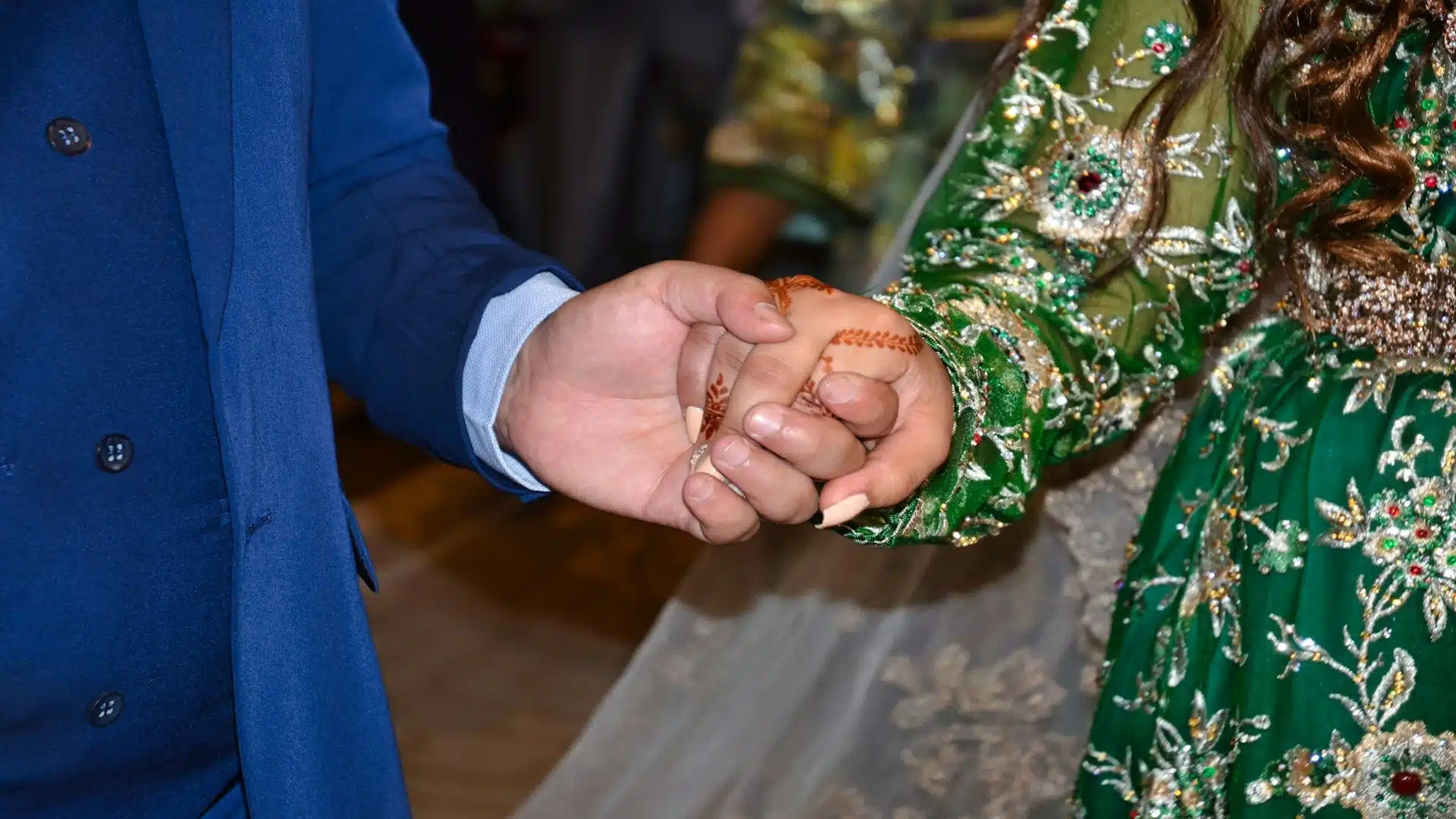
Despite changing attitudes, marriage remains meaningful for many people. Some men continue to view it as a powerful symbol of commitment and partnership. Cultural traditions, family expectations, and personal beliefs may still support the value of marriage. The key difference today is that marriage is increasingly seen as one option among several rather than the only acceptable path.
Legal Benefits Still Influence Decisions

Marriage can offer legal advantages related to taxes, healthcare decisions, inheritance, and financial protections. Some men still consider these practical benefits when evaluating long-term relationships. However, the decision may involve balancing these benefits with personal preferences about independence and flexibility. Legal considerations often play a role in how couples structure their relationships.
Long-Term Relationships Exist Without Marriage

Many couples maintain stable, supportive relationships without marrying. These partnerships often involve shared homes, finances, and long-term plans. For some men, the strength of the relationship matters more than formal recognition. Commitment can still exist through daily actions and mutual support.
Modern Relationships Encourage Individual Growth

Modern relationships often support personal development for both partners. Individuals may pursue education, careers, or creative goals while maintaining a committed partnership. Some men believe that flexible relationship structures allow greater room for growth and self-discovery. Individual development can strengthen the relationship over time.
Shared Goals Matters More Than Tradition

A shared vision for the future often becomes the most important factor in long-term relationships. Couples who agree on lifestyle goals, family plans, and personal priorities often experience stronger stability. Whether marriage is included or not, alignment in values and direction can determine long-term success.
Modern Relationships Keep Evolving

Relationship expectations will likely continue evolving alongside cultural, economic, and social changes. Marriage will remain meaningful for many couples, but it will not necessarily be the only path toward commitment. Many men are exploring relationship structures that align with their values, goals, and lifestyles. What remains constant is the desire for trust, emotional connection, and mutual support. As perspectives continue to shift, long-term relationships will likely take many forms while still reflecting the same core human need for companionship and partnership.








Ask Me Anything