
Many couples notice a shift before they can explain it. The marriage still exists, but it feels different in tone, closeness, or safety. Sometimes nothing dramatic happened, which makes the change confusing. In reality, “different” usually comes from repeating patterns that slowly change the relationship climate. Small habits can quietly reshape attraction, trust, and friendship. The goal is not to panic or assign blame. The goal is to spot what changed so the marriage can be adjusted early. Most problems get worse when they stay unnamed. These patterns describe the most common reasons a marriage starts feeling unfamiliar.
Conversations Became Mostly Logistics

Talk slowly shifts into schedules, chores, bills, and planning. The relationship becomes efficient but emotionally thin. Even when time is spent together, it is mostly management. Over time, partners stop feeling emotionally known. Many couples confuse “we talk all the time” with “we connect.” A marriage needs personal conversation to feel intimate. Without it, the home feels like a shared office. Logistics keep life running, but they do not keep love felt.
Emotional Check-Ins Started Feeling “Unnecessary”

Some couples stop asking, “How are you really?” because life is busy. They assume stability means less need for emotional updates. Over time, feelings go unshared and stress stays private. Private stress often turns into irritability or withdrawal. The spouse may feel something is off but cannot name it. This is how emotional distance grows quietly. Check-ins are not drama, they are maintenance. When check-ins disappear, intimacy usually fades next.
Small Disrespect Became Normal

Sarcasm, harsh tone, and constant correction can become routine under stress. Partners start speaking to each other in ways they would not use with friends. It might not feel “abusive,” but it changes emotional safety. Respect erosion is one of the fastest ways to change a marriage climate. A spouse becomes guarded when tone feels unsafe. Guarded partners stop being affectionate and open. Over time, love feels different because the home feels less warm. Respect is not a bonus, it is the base layer.
Repair After Conflict Got Replaced by Moving On
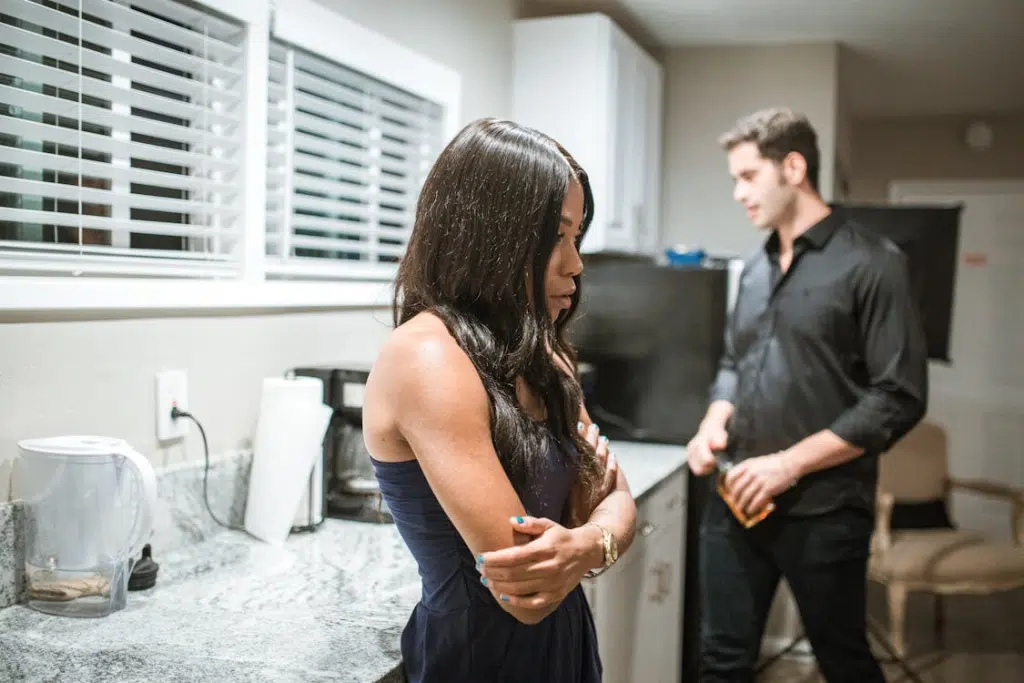
Some couples fight and then act normal without repairing. The issue stays emotionally open even if the topic is dropped. That creates repeat arguments that get sharper over time. Without repair, trust slowly weakens because nothing feels resolved. One spouse may feel unheard, the other may feel nagged. The marriage begins feeling tense even on “good” days. Repair is not only apologizing, it is changing behavior and restoring safety. When repair disappears, emotional debt builds.
One Partner Started Carrying More Mental Load
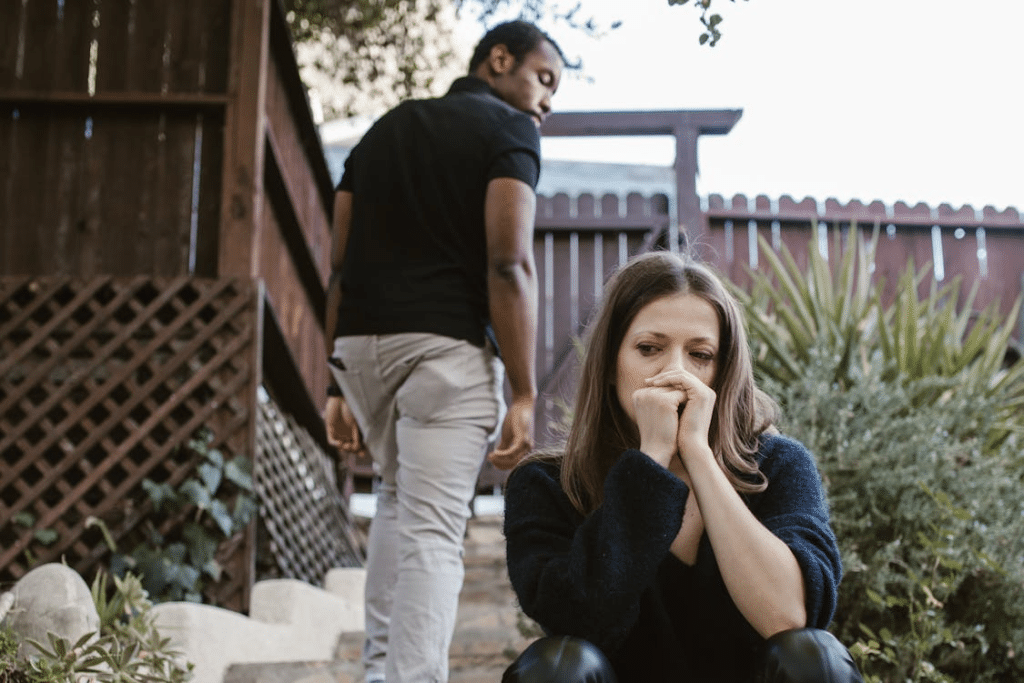
Someone becomes the default planner, rememberer, and organizer. The other helps, but mostly when asked. That dynamic creates a manager-assistant relationship instead of equal partnership. The managing spouse feels unsupported and unattractive. The other spouse feels criticized and may shut down. Mental load imbalance changes the marriage climate quickly. Resentment grows quietly and shows up as irritation. Many couples think this is about chores, but it is about partnership. When partnership feels unequal, love starts feeling different.
Affection Became Less Frequent Outside the Bedroom

Small physical warmth keeps couples emotionally close. Hugs, kisses, hand-holding, and casual touch become rare in many marriages. Sometimes it is stress, sometimes it is resentment, sometimes it is routine. But touch is often the first sign of emotional drift. When touch disappears, the relationship starts feeling colder. Partners stop feeling desired and start feeling tolerated. This can create insecurity that spreads into other areas. Touch is not childish, it is connection. Without it, the marriage feels different fast.
Screens Started Competing With Each Other

Phones, streaming, and constant distraction can slowly replace attention. Partners may sit together while mentally elsewhere. Small opportunities for connection disappear. Eye contact becomes rare and conversations become shorter. Over time, the marriage feels less alive because attention is scattered. This pattern often feels harmless until intimacy dries up. Many couples underestimate how much love is built through micro-moments. When screens take those moments, closeness fades. Attention is love in daily form.
Appreciation Became Rare

Effort starts feeling invisible when gratitude disappears. One spouse may feel taken for granted, while the other assumes love is understood. Over time, both start trying less. The marriage becomes a place of correction rather than recognition. Appreciation is a small habit that prevents resentment. Without it, partners feel like their work does not matter. This can quickly change emotional tone at home. People do not need constant praise, but they do need acknowledgment. When gratitude fades, warmth fades too.
“Busy” Became a Permanent Identity

Seasons of busyness are normal, but permanent busyness is a problem. When time together is always postponed, connection becomes optional. A spouse begins feeling like the relationship gets leftovers. Even when both are working hard, emotional closeness can still shrink. Busyness becomes an excuse that hides avoidance. Couples often assume things will improve “after this season.” Many seasons later, nothing changes. When busy becomes permanent, intimacy becomes rare.
Intimacy Started Feeling Like Pressure or Routine

Intimacy changes when stress rises or emotional safety drops. Intimacy can become less frequent, less connected, or more transactional. One spouse may feel rejected, the other may feel pressured. This creates tension that affects the whole marriage. Many couples avoid the topic because it feels awkward. Avoidance allows resentment to grow. Intimacy thrives on emotional closeness, not obligation. When bedroom activity becomes a negotiation, the marriage feels different.
Boundaries With Others Became Blurry

Marriage feels safest when loyalty is clear. When boundaries with friends, family, or coworkers become weak, insecurity rises. This can involve oversharing private issues, entertaining flirtation, or allowing family interference. Even if there is no cheating, doubt changes the climate. A spouse can feel replaced emotionally or unsupported publicly. The marriage becomes tense because trust feels fragile. Clear boundaries reduce unnecessary suspicion. When boundaries blur, the relationship feels unstable.
One Partner Stopped Initiating

Initiation is not only about intimacy, it is about connection. Initiating conversation, time together, affection, or repair shows engagement. When one partner stops initiating, the other begins carrying everything. That creates resentment and loneliness. The non-initiating spouse may be tired, stressed, or emotionally withdrawn. The initiating spouse may feel rejected and stop trying too. Over time, the marriage becomes passive and flat. A relationship cannot thrive on one person’s energy alone. When initiative drops, the whole marriage feels different.
Humor and Playfulness Disappeared

Many couples lose the fun before they lose the relationship. Laughter, teasing, and playful moments get replaced by seriousness. Life pressure makes everything feel heavy. Without play, the marriage becomes a job. Partners start relating only through responsibility. Humor is not trivial, it is emotional bonding. It signals safety and friendship. When playfulness disappears, closeness often fades. A marriage feels different when joy is missing.
Expectations Changed but Were Never Updated

People grow, needs mature, and priorities shift. If expectations change silently, disappointment becomes constant. One spouse expects more effort, more emotional presence, or more support but never states it clearly. The other spouse keeps behaving the same and feels blindsided by criticism. This creates “you changed” arguments. In reality, both may be right. The problem is that the relationship contract was never updated. Clarity prevents resentment. When expectations stay unspoken, the marriage feels confusing and tense.
Scorekeeping Started Replacing Teamwork

When resentment builds, people start tracking who does more and who owes what. Love becomes a contract instead of a gift. Scorekeeping reduces generosity and increases defensiveness. Even small issues become loaded because they symbolize fairness. Couples stop acting like a team and start acting like opponents. This is one of the quickest ways to change the emotional tone of a marriage. Teamwork creates softness. Scorekeeping creates coldness. When love becomes bookkeeping, the marriage feels different.
“Peace” Came From Avoidance, Not Understanding

A quiet home can look stable, but not all quiet is healthy. Some couples keep peace by avoiding difficult topics. That creates surface calm but deeper tension. Avoidance prevents repair and builds emotional debt. The marriage feels different because issues stay unresolved. One spouse feels ignored, the other feels pressured. The relationship becomes fragile because truth is unsafe. Real peace comes from clarity and repair. Avoidance peace eventually becomes distance.
Emotional Safety Dropped Without Anyone Naming It

A spouse might feel judged, dismissed, or criticized more often. They begin filtering what they say to avoid conflict. That creates emotional caution inside the marriage. Partners stop being fully themselves. Over time, the relationship feels less intimate because honesty is reduced. Emotional safety is required for closeness. When safety drops, affection and vulnerability drop too. Many couples do not notice this until they feel like strangers. Naming safety issues early can change everything. Without safety, love feels different.
Outside Stress Started Controlling the Relationship Climate

Work pressure, money stress, parenting exhaustion, or health issues can dominate the home. Couples stop relating to each other and start reacting to life. Tone becomes shorter, patience becomes lower, and warmth becomes rare. The marriage feels different because the atmosphere is tense. Stress is unavoidable, but stress management is a relationship skill. Without it, partners blame each other instead of the pressure. The relationship becomes a place of more stress, not relief. When stress runs the home, intimacy shrinks.
One or Both Partners Stopped Feeling Chosen

A marriage can continue while one spouse feels like an obligation. Feeling chosen comes from attention, initiative, and appreciation. When those disappear, commitment feels empty. A spouse may still be loyal, but loyalty without closeness feels cold. Many people say the marriage feels different when they stop feeling like a priority. This can happen slowly through routine and distraction. It can also happen after unresolved hurt. Being chosen is a daily experience, not a wedding memory. When it fades, everything feels different.
“Different” Is a Signal to Adjust, Not a Reason to Panic

When a marriage feels different, it is usually because patterns changed the emotional climate. The good news is that patterns can be changed faster than people think. Small repairs, renewed appreciation, protected time, and clearer communication often shift the atmosphere quickly. The goal is not perfection, it is awareness and early action. Waiting turns small issues into relationship culture. Naming what changed is the first step to fixing it. A healthy marriage evolves instead of drifting. If “different” has been the theme lately, this is the time to take it seriously. Early attention prevents long-term regret.








Ask Me Anything