
Nobody gets married expecting to fail. We all walk down the aisle convinced we’ve found the one, that person who’ll still laugh at our terrible jokes when we’re seventy and can’t remember where we put our glasses. But marriage counselors and relationship researchers have spent decades watching couples, and they’ve noticed patterns. Some couples make it work for the long haul, while others flame out before the thank-you cards get written.
What separates the marriages that go the distance from the ones that don’t? Turns out, there are specific behaviors and attitudes that experts can spot early on. These aren’t about whether you fight (spoiler: everyone does) or if you agree on everything (you won’t). They’re about the small, everyday choices that either build a foundation or slowly crack it apart.
1. How You Handle Disagreements Says Everything

Marriage therapists will tell you straight up: every couple fights. The difference? Some people argue to solve problems, while others argue to win. When you’re trying to prove you’re right instead of trying to understand your partner, you’ve already lost something bigger than the argument itself.
Couples who make it know how to disagree without making their partner feel small. They don’t bring up past mistakes like they’re collecting evidence for trial. They say “I feel hurt when…” instead of “You always…” (and yeah, that word “always” is relationship poison). The goal becomes fixing the issue together, not destroying each other in the process.
2. You Actually Like Each Other

Love gets all the press, but liking your spouse? That’s the secret ingredient nobody talks about enough. Do you genuinely enjoy hanging out with this person when there’s no special occasion? Would you choose to spend a random Tuesday night with them over anyone else?
Couples who stay together are usually friends first. They laugh at the same stupid things. They’d rather tell each other about their day than scroll through their phones. When things get hard (and they will), that friendship becomes the safety net. You can fall out of love temporarily during rough patches, but friendship will carry you through until you find your way back.
3. The Way You Talk About Each Other Matters

Pay attention to how people describe their partners when they’re not around. Do they light up? Roll their eyes? Make jokes at their spouse’s expense? Relationship experts say the way you talk about your partner reveals how you think about them deep down.
Couples headed for trouble often use contempt, that sneering, mocking tone that treats their partner like they’re stupid or beneath them. The ones who last? They speak with respect, even when they’re annoyed. They might complain about a specific behavior (“He leaves dishes everywhere”), but they don’t attack character (“He’s a lazy slob”). That distinction matters more than you’d think.
4. You’re Both Willing to Repair Things After a Fight

Here’s what separates the pros from the amateurs: knowing how to fix things after you’ve said something hurtful. Because you will (everyone does). You’ll snap when you’re tired, say something mean when you’re frustrated, or shut down when you should open up.
Strong couples know how to apologize (and mean it). They check in the next day. They acknowledge when they’ve been unfair. They don’t let resentment sit there fermenting into something toxic. One partner might crack a joke to break the tension, or simply say, “Hey, we were both being jerks yesterday. Can we start over?” That ability to reset? Gold.
5. Financial Transparency (Or Lack Of It) Tells the Future

Money ruins more marriages than most people want to admit. But experts say the real problem isn’t having financial stress (it’s how couples handle it). Secret credit cards, hidden purchases, lying about spending… these things destroy trust faster than almost anything else.
Couples who make it talk about money openly, even when it’s uncomfortable. They might not always agree (one wants to save, the other wants to spend), but they’re honest about it. They make decisions together about the big stuff. When one partner feels like they have to sneak around to buy something, or when money becomes a weapon to control the other person? Marriage counselors can practically set their watches by when things will fall apart.
6. How You Split Household Responsibilities Predicts Satisfaction
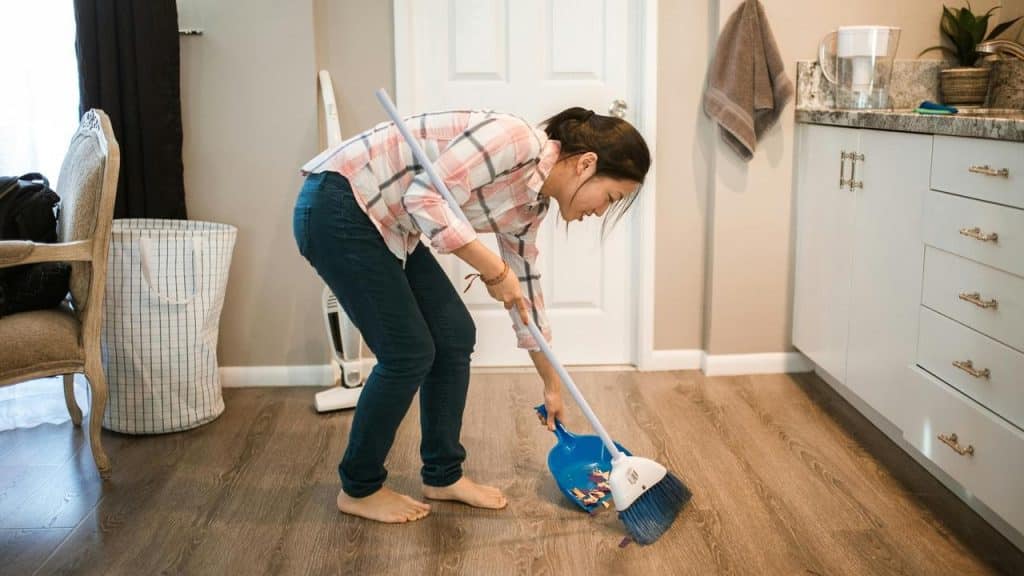
This one sounds boring until you realize it’s actually a major source of divorce. When one person feels like they’re doing everything (the cooking, cleaning, planning, remembering, organizing) while the other coasts along oblivious? That imbalance breeds frustration that eventually turns into something uglier.
Happy couples figure out a division of labor that feels fair to both people. Notice that word: feels. It doesn’t have to be exactly 50/50 on every task. But both partners need to feel like they’re pulling their weight and that their effort gets recognized. When one person becomes the household manager who has to delegate and remind and organize while the other gets to “help out,” you’re building toward an explosion.
7. Your Partner Supports Your Personal Growth

People change over time (that’s life), and marriages that last recognize this reality instead of fighting against it. Maybe you want to go back to school. Switch careers. Take up a new hobby. Travel somewhere your spouse has zero interest in visiting. How does your partner react?
Couples who stay together encourage each other to grow, even when it’s inconvenient. They don’t try to keep their partner small or frozen in time. They’re genuinely happy when their spouse succeeds or discovers something new about themselves. The marriages that crumble? Those often involve one person trying to control or limit the other, treating personal development like a threat instead of an opportunity.
8. You Can Handle Silence Together

Comfortable silence, that’s relationship gold right there. Can you sit in the same room doing separate things without feeling awkward? Can you take a long car ride without needing to fill every minute with conversation? Do you feel peaceful together, or does everything feel like work?
Couples who’ve built something real don’t need constant entertainment from each other. They can coexist. Read books while sitting on the same couch. Work on separate projects. Process their own thoughts without their partner demanding to know what’s wrong every five minutes (because sometimes nothing’s wrong, you’re thinking). That ease with each other? You can’t fake it.
9. How You Handle Extended Family Drama

Your spouse’s family will occasionally drive you nuts. (Let’s be honest, your own family probably drives you nuts sometimes.) But how couples navigate these relationships tells you a lot about whether they’ll make it.
Strong marriages have clear boundaries with family members. When someone crosses a line, the couple presents a united front. You defend your partner, even if that means having tough conversations with your own parents. The marriages that struggle? One partner throws the other under the bus to avoid family conflict, or expects their spouse to endure disrespect because “that’s how my mom is.” Marriage counselors see this pattern destroy relationships all the time.
10. Physical Affection Continues (Even When You’re Mad)

Couples who stay together maintain physical touch even during rough patches. A hand on the shoulder. A quick kiss before work. Holding hands in the car. This doesn’t mean you have to be all over each other 24/7 (please don’t), but regular affection keeps you connected.
When physical touch disappears entirely (when couples stop kissing, hugging, even sitting close to each other), experts see a red flag. Bodies remember distance. Once you’ve trained yourself not to reach for your partner, it’s harder to find your way back. The couples who make it? They keep touching each other, even when they’re fighting about whose turn it is to take out the trash.
11. You Celebrate Each Other’s Wins (Without Making It About You)

When something great happens to your partner, how do you react? Do you celebrate with them, or do you immediately make it about yourself? (“That’s great, but what about my thing?”) Do you match their energy, or do you downplay it because you’re feeling insecure?
Marriages that last have partners who genuinely root for each other. They get excited about each other’s successes without feeling threatened. When one person gets good news, the other doesn’t compete or diminish it. They celebrate. This sounds simple, but watch how people actually respond to their partner’s accomplishments, and you’ll see the difference between couples who are teammates and couples who are competitors.
12. The Willingness to Seek Help Before Things Explode

Pride kills marriages. So does the belief that asking for help means you’ve failed. Couples who stay together recognize when they’re stuck and bring in reinforcements, whether that’s a therapist, a trusted mentor, or relationship books they actually read and discuss.
The ones who don’t make it? They wait until everything’s on fire before admitting there’s a problem. By then, so much damage has accumulated that coming back from it becomes nearly impossible. Smart couples go to therapy before they “need” it (kind of like maintaining a car instead of waiting for the engine to die).
13. How You Handle Each Other’s Flaws

Everyone has annoying habits. Your partner will do things that drive you absolutely crazy, and you’ll do the same to them. The question isn’t whether these irritations exist (they do), but whether you treat them like deal-breakers or part of being human.
Couples who go the distance develop tolerance for each other’s quirks. They don’t expect perfection. They’ve accepted that yes, he’ll probably leave his shoes in the middle of the floor forever, and she’ll continue to load the dishwasher in that weird way that makes no sense. These things become familiar instead of infuriating. When you can laugh about your partner’s flaws (with them, not at them) instead of cataloging them as evidence of their failures, you’ve figured something out.
14. You Make Time for Each Other (And Actually Want To)

Life gets busy (jobs, kids, obligations, exhaustion). But couples who stay married make their relationship a priority instead of whatever gets leftover scraps of time and energy. They plan date nights and actually follow through. They protect their couple time like it matters (because it does).
This doesn’t mean you need elaborate outings or expensive dinners. Sometimes it’s watching a show together after the kids go to bed, or taking a walk around the block. The point is: you’re choosing each other. You’re saying “you’re important to me” through your actions, not waiting until you magically have more time someday (spoiler: that day never comes). When couples stop prioritizing each other, they become two people who happen to live in the same house.
15. Your Expectations Match Reality

Unrealistic expectations destroy marriages faster than almost anything else. When you expect your spouse to read your mind, meet all your emotional needs, and somehow transform into your fantasy version of a partner, you’re setting yourself up for massive disappointment.
Couples who make it have realistic expectations about what marriage actually is. They know their partner can’t complete them (they’re already complete on their own). They understand that some days will be amazing and some days you’re both too tired to be interesting. They’ve accepted that marriage involves laundry and bills and boring conversations about car insurance. When your expectations align with reality, you can appreciate what you have instead of resenting what you don’t.
16. You Both Choose the Marriage Every Day

Here’s the final thing experts notice: successful couples make a choice to stay married, over and over again. Marriage isn’t something that happens to you (it’s something you actively participate in). Every day, you choose this person and this relationship.
That choice gets tested. Someone attractive might flirt with you. You might fantasize about an easier life. You’ll definitely have moments where you wonder what you’ve gotten yourself into. But couples who last have decided that their marriage matters more than temporary feelings or fleeting opportunities. They’ve committed to working through the hard stuff instead of bailing when things get complicated. Marriage experts can spot this commitment from a mile away, and they know it’s the thing that, more than anything else, determines whether a couple makes it or not.








Ask Me Anything