
Marriage is not a magic cure for your personal struggles. If you think saying “I do” will fix what’s broken inside, you’re setting yourself up for frustration. Many men step into relationships carrying baggage, habits, and blind spots, only to see them amplified after tying the knot. This article breaks down 15 common issues men face that often get worse in marriage if ignored. Recognizing these now gives you a chance to take responsibility before dragging someone else into your mess.
Addictive Behaviors

Habits like excessive drinking, gambling, gaming, or overworking rarely improve after you say yes. Marriage does not fix addiction. These behaviors often intensify under pressure, leaving your partner frustrated and alone. Acknowledging and addressing these habits before marriage saves both your relationship and your sense of self.
Financial Irresponsibility

Spending without a plan or ignoring debt may feel manageable on its own, but it wreaks havoc in marriage. Money conflicts are among the top reasons couples fight, and overspending or secret debt can add strain fast. Transparency and budgeting habits can prevent constant tension. If your finances are messy, facing them before marriage keeps them from destroying trust and intimacy.
Unresolved Anger or Resentment
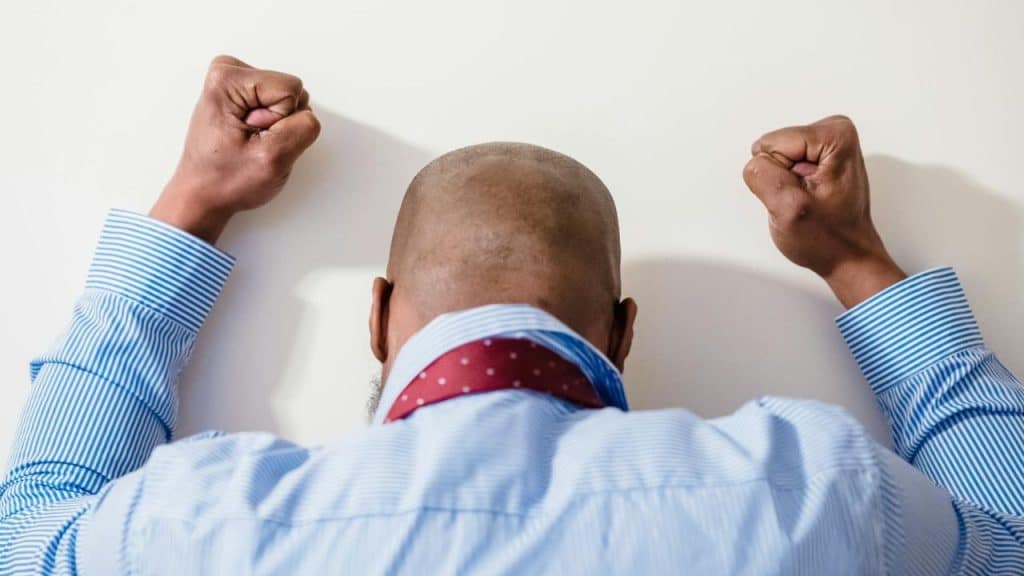
Old grudges and past frustrations don’t disappear once you marry. They resurface when stress hits, turning minor disagreements into full-blown fights. Anger left unchecked makes your partner defensive and your home tense. Recognizing triggers and finding healthy ways to process them is crucial. Marriage exposes unresolved emotions, so handling them beforehand keeps resentment from running the relationship.
Poor Communication Skills

Failing to express what you feel or actually listen to your partner can create tension that grows fast. Single life hides these flaws, but marriage magnifies them because small misunderstandings turn into big arguments. Avoiding honest dialogue makes your spouse feel shut out and frustrated. Working on how you talk and how you listen is not optional in a partnership. Ask yourself if you share what’s really going on inside or if you bottle it up for convenience.
Avoiding Emotional Vulnerability

Hiding feelings may feel safe when you’re single, but it kills connection in marriage. Being emotionally unavailable makes your partner feel distant and ignored. Sharing fears, regrets, and hopes builds intimacy and trust. Start practicing openness now instead of expecting love to break through your walls automatically.
Workaholism

Throwing yourself into work to avoid personal issues can spiral when you’re married. The more you escape into work, the less energy you have for your relationship. Your spouse notices the distance and may feel like they’re competing with your career. Balancing work and connection is essential, and it starts with self-awareness before marriage.
Poor Conflict Resolution

If your default is blame, silence, or aggression, marriage will magnify it. Learning to fight fair is not optional if you want a lasting relationship. Couples who never address problems properly often spiral into repetitive cycles of hurt and frustration. Recognizing your patterns and adjusting them before tying the knot prevents endless fights later.
Trust Issues

Past betrayals or insecurities don’t vanish at the altar. Constant suspicion makes your partner feel accused and exhausted. Trust requires effort and self-work. Identifying why you struggle to trust and addressing it before it escalates shields your marriage from unnecessary tension.
Over-Reliance on Partner for Happiness

Expecting your spouse to complete or “fix” you creates pressure no one can carry forever. Your happiness must come from yourself first. Relying on someone else for emotional stability often leads to resentment and disappointment. Building independence and self-satisfaction now reduces the strain on your future marriage.
Neglecting Health

Ignoring your physical or mental well-being leaves you drained and short-tempered. Marriage demands energy, patience, and presence, which are harder to sustain when your health is neglected. Simple habits like exercising, sleeping enough, and managing stress pay huge dividends. Prioritizing yourself sets a foundation for a strong, long-lasting partnership.
Difficulty Setting Boundaries

Saying yes to everyone or failing to protect personal space carries over into married life. Without boundaries, stress piles up, frustration grows, and your spouse feels your overload. Learning to say no and define limits creates balance for you and the relationship. Boundaries now prevent resentment later.
Unrealistic Expectations

Expecting your partner to meet all your needs or live up to an ideal vision causes frustration fast. No one can be your perfect match in every scenario. Letting go of unrealistic demands helps prevent constant disappointment. Recognize what’s reasonable and what’s fantasy before marriage starts.
Poor Time Management

Failing to balance work, self-care, and relationship responsibilities creates friction. Time mismanagement leaves your spouse feeling undervalued and neglected. Planning and prioritizing daily life before marriage makes it easier to stay present once you commit. Learning to organize your life shows respect for yourself and your partner.
Fear of Intimacy

Avoiding closeness keeps you emotionally distant, but marriage needs connection to thrive. Pushing your partner away leads to frustration and loneliness for both of you. Recognizing why intimacy scares you and working on it improves emotional closeness. Practice small steps of openness before marriage so fear does not dictate your relationship.
Avoiding Self-Reflection

Ignoring your behavior and personal growth lets problems snowball. Self-awareness is what separates reactive men from men who can maintain healthy marriages. Reflecting on your actions, motivations, and habits keeps issues from escalating. Facing yourself honestly before marriage protects your relationship from unnecessary strain.








Ask Me Anything