
Late-night texting can feel oddly brave. Feelings are louder, defenses are lower, and everything seems urgent. The problem is that fatigue, loneliness, alcohol, or stress can distort judgment. A message that feels powerful at 1:00 AM can feel embarrassing or damaging by 9:00 AM. It’s not always because the feeling was fake. It’s often because the delivery was impulsive. Late-night texts can create misunderstandings, reopen old wounds, or start conflicts that didn’t need to exist. They can also create regret because the words land harder than intended. These 17 examples capture the messages people often wish they could unsend the next morning.
The “I Miss You” Traps: When Nostalgia Writes the Message
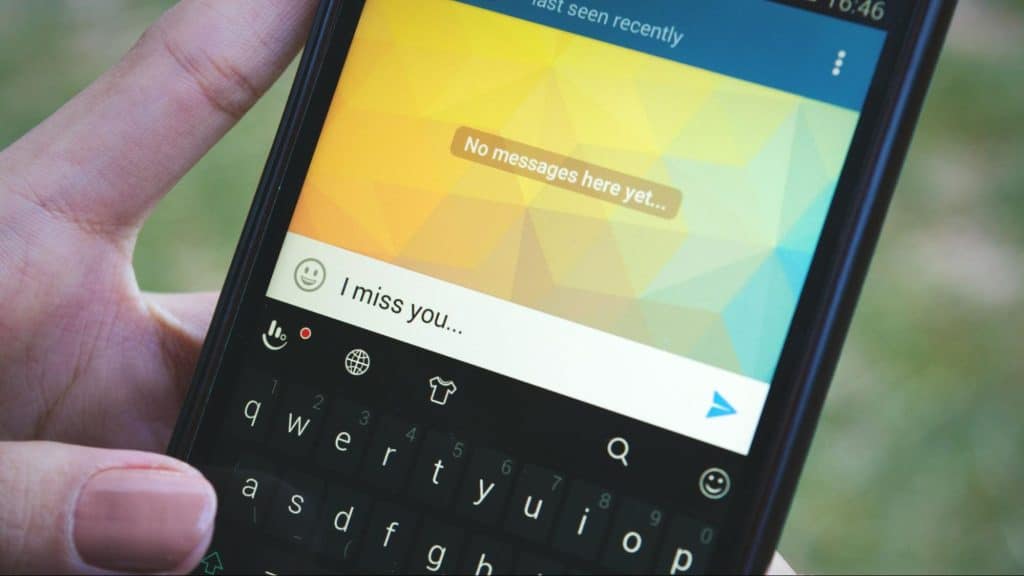
Missing someone at night is common, especially when the day finally goes quiet. The problem is that nostalgia tends to edit out the reasons things ended. It highlights the warm moments and hides the patterns that caused pain. Late-night longing can also be more about loneliness than about the person. That’s why “I miss you” texts often feel different after sleep. In the morning, logic returns and the emotional fog clears. These regrets often come from texting an ex or a complicated person at the wrong hour. The message may feel romantic, but it usually creates confusion. Nostalgia is powerful, but it is not always accurate.
“I Miss You” to an Ex Who Hurt You

This text often comes from a quiet moment and a soft memory. It feels simple, but it can reopen a door that was closed for a reason. The next morning, it can feel like self-betrayal. It may also invite a reply that triggers old pain. Even if the ex responds warmly, it can restart a cycle rather than build something new. People often regret this because it puts emotional power back in the wrong hands. Missing someone does not always mean they are safe. It often means the brain is craving comfort. That comfort can be misleading at night.
“Are You Awake?” to Someone You Shouldn’t Be Messaging

This message often pretends to be casual while carrying a hidden motive. It can be flirtation, craving, or boredom. By morning, it can feel obvious and awkward. It also creates a breadcrumb situation: vague, tempting, and unclear. If the other person responds, it can lead to messy late-night conversation. If they don’t respond, it can lead to spiraling. Either outcome can create regret. The message often feels like a harmless check-in, but it rarely is. Late-night “Are you awake?” usually signals a boundary test.
“I Still Think About You” When the Relationship Is Over

This text can feel honest and deep in the moment. In the morning, it often feels like giving someone access they no longer deserve. It can also create emotional confusion for both people. The other person might interpret it as an invitation to reconnect. Or they might use it as ego fuel without real intent. Either way, it often reopens unresolved emotions. People regret this because it creates an emotional hangover. It also slows down moving on. Thinking about someone is normal; texting them is a choice. The regret often comes from confusing thought with action.
“I’m Sorry” Without Clarity or Boundaries

Late-night apologies often come from guilt, not from a plan to change. By morning, the apologizer may feel exposed or resentful. The receiver may also feel confused: what exactly is being apologized for? Vague apologies can reopen wounds without repair. They can also create a cycle of emotional back-and-forth. If the apology is sincere, it still needs clarity and timing. Late-night timing often makes it look impulsive or manipulative. People regret these because they feel like emotional dumping. A real apology is better delivered when the mind is clear. A clear mind creates real repair.
The Conflict Grenades: When Anger Hits “Send”

Night arguments are often worse because both people are tired and reactive. Tired brains are less empathetic and more dramatic. This is when texts become weapons instead of communication. People say things they do not mean, or they say things they mean in the worst possible way. Once the message is sent, it cannot be unheard. Even if the conflict resolves later, the text often leaves a scar. Many people regret late-night conflict texts because they create a level of damage that daytime conversation would not. The medium makes it worse: no tone, no warmth, no repair cues. These are the common conflict regrets.
“You Always…” and “You Never…” Messages

These messages turn one issue into a full character attack. They feel satisfied when angry because they sound decisive. In the morning, they often feel unfair and exaggerated. They also trigger defensiveness instead of solutions. When someone is told “always” and “never,” they stop listening. Then the argument escalates quickly. People regret these texts because they change the fight’s tone from fixable to personal. Even if there is truth underneath, the delivery is damaging. Mature communication focuses on the specific behavior. Blanket statements usually create long-term resentment.
Threatening to Leave in the Heat of the Moment

Breakup threats are emotional nukes. They create fear and insecurity, even if the relationship does not end. In the morning, they can feel dramatic and destabilizing. The partner may remember the threat long after the argument is over. That changes trust because the relationship starts feeling conditional. Many people regret this text because it creates permanent anxiety. It also teaches the partner to stop being vulnerable. Vulnerability becomes risky when leaving is used as leverage. Threats are not communication. They are under emotional pressure.
“Fine. Do Whatever You Want.”

This message often means “hurt” but reads as “punishment.” It creates a cold atmosphere instead of a solution. It also signals emotional withdrawal. In the morning, it can feel childish or avoidant. The receiver often feels accused without clarity. Then they either chase reassurance or detach. Neither outcome helps the relationship. People regret this text because it blocks repair. It ends the conversation without resolving the issue. Real boundaries are clear; passive-aggressive permission is not. It looks calm but feels hostile.
Sending a Long Paragraph That Should Have Been a Conversation

Late-night essays often come from bottled-up emotion. The sender feels relieved after dumping everything. The receiver wakes up to a wall of text and feels overwhelmed. This creates emotional imbalance: one person processed everything, the other is now flooded. By morning, the sender may regret the intensity and the exposure. The receiver may feel pressured to respond perfectly. This often creates misunderstanding rather than resolution. Real issues are better handled in a calm conversation, not a midnight monologue. Timing matters as much as truth. A message can be honest and still be harmful if it is dumped at the wrong time.
The Attention-Seeking Regrets: When Validation Drives the Message

Late at night, insecurity tends to get louder. People want reassurance, attention, and quick emotional relief. That can lead to texts that feel needy or manipulative by morning. Even if the need is valid, the delivery can be messy. Attention-seeking texts also train unhealthy dynamics because they rely on urgency and emotional pressure. Many people regret these messages because they feel like self-respect leaks. They also create a pattern where comfort is chased rather than built. These texts often come from loneliness, not love. Loneliness is real, but texting under loneliness can create regret.
Fishing for Compliments or Reassurance

Messages like “Do you even like me?” or “Am I annoying?” often come from anxiety spikes. At the moment, it feels like asking for clarity. In the morning, it can feel like insecurity spilling out. The partner may feel pressured to comfort rather than connect. Over time, this can exhaust both people. Reassurance is normal sometimes, but late-night reassurance hunting tends to be dramatic. It also often comes without context, which confuses the receiver. People regret these because they feel exposed and dependent. Emotional needs are real, but timing and phrasing matter.
Sending a Suggestive Message to Test Interest
These messages often feel bold at night. In the morning, they can feel cringe or risky. They can also create regret if the other person responds in a way that feels disrespectful. Sometimes the message was sent to someone inappropriate, which creates guilt and danger. Other times it is sent to a partner in a tense moment, which makes it feel like pressure. Suggestive texting works best with mutual consent and a healthy baseline. Late-night tests often come from insecurity rather than desire. That insecurity can make the message feel awkward later. Regret often comes from misreading the moment.
Posting or Messaging to Make Someone Else Jealous

Jealousy texts and posts are rarely a good idea. They are designed to provoke, not connect. By morning, they often feel petty and manipulative. They can also backfire by pushing the other person away. If the relationship is already strained, jealousy tactics add fuel. If the relationship is new, jealousy tactics create distrust early. People regret these because they damage credibility. They also reveal insecurity in a way that feels uncontrolled. Healthy attraction grows through clarity, not games. Jealousy games usually create long-term tension.
Overexplaining to Someone Who Didn’t Ask

Late-night overexplaining often comes from anxiety and the need to control perception. The sender tries to manage how they are seen. In the morning, it often feels like self-abandonment. Overexplaining also makes the sender look less confident than they are. It can create a power imbalance where the sender is begging to be understood. People regret this because it gives too much emotional labor to someone who may not deserve it. Clarity is good, but pleading for understanding is draining. Strong communication is calm, not frantic. If a message feels frantic, it usually becomes regret.
The Aftermath Texts: When Damage Control Makes It Worse

Sometimes regret happens immediately, and the person tries to fix it with more texting. That can create a spiral. One messy text becomes five messy texts. The receiver feels flooded, and the situation escalates. Damage control texts can also look like manipulation if they are too fast and too intense. The best repair is often a pause, not more words. These are common regret situations where the cleanup makes the mess bigger.
Double-Texting a “Forget That” Message

Sending “ignore that” usually highlights the message even more. It signals embarrassment and increases awkwardness. The receiver becomes curious or suspicious. The sender feels even more exposed. In the morning, it often feels like adding fuel to the discomfort. A calmer move would be waiting and addressing it directly later. “Forget that” is rarely believable. It can also make the sender look emotionally unstable. People regret this because it amplifies the original mistake. One text becomes a scene. A scene creates unnecessary tension.
Apologizing Too Much and Making It About Your Guilt

Some apologies become guilt-dumps rather than repair. The sender writes long apologies to reduce their own discomfort. The receiver then feels responsible for comforting the apologizer. That reverses the roles. It often creates resentment, especially if the receiver is already hurt. In the morning, the apologizer may also feel ashamed and defensive. Real apologies are clear, specific, and focused on impact. They do not beg to be forgiven. They acknowledge harm and propose change. People regret guilt-based apologies because they add emotional pressure. Repair should not become an emotional burden.
Reacting to a Late Reply With Accusations

Late replies at night can trigger insecurity. Some people text accusations like “Who are you with?” or “You’re ignoring me.” In the morning, it often feels controlling or unfair. The other person may have been asleep, busy, or simply not glued to their phone. Accusations create distrust and tension quickly. They also reveal insecurity in a harsh way. Many people regret these because they create conflict out of nothing. Trust should not be tested every hour. A relationship cannot feel safe under suspicion. Accusations are a fast way to damage connection.
If It’s Important, It Usually Deserves Daylight

Late-night texts often feel honest because emotions are raw. But raw does not always mean wise. The morning mind is usually calmer, clearer, and more accountable. That clarity helps people speak with respect instead of impulse. If something truly matters, it usually deserves a real conversation in the light, when both people can listen and repair. A simple rule helps: if a message is being sent from loneliness, anger, or exhaustion, pause first. Most regret comes from messages sent without pause. Emotions are valid, but timing changes impact. Waiting until morning does not erase the feeling, it often improves the outcome. And a better outcome is the goal.








Ask Me Anything