
Joint pain isn’t just an “old man problem.” Men in their 30s and 40s are increasingly feeling it, yet brushing it off like it’s weakness. This intro sets the record straight: the myths we’ve believed about men, aging, and pain don’t help, they hurt. Recognising the truth early can save years of discomfort, poor mobility, and missed opportunities. This isn’t about fear, it’s about clarity. These 12 myths? Time to bury them for good.
Myth 1: “Real Men Don’t Complain About Joint Pain”

Staying silent doesn’t make pain go away. It just delays solutions. Men are conditioned to downplay discomfort, often leading to chronic conditions that could’ve been managed earlier. Speaking up isn’t weakness, it’s prevention. There’s strength in addressing what’s going wrong before it gets worse.
Myth 2: “Joint Pain Is Only for the Elderly”
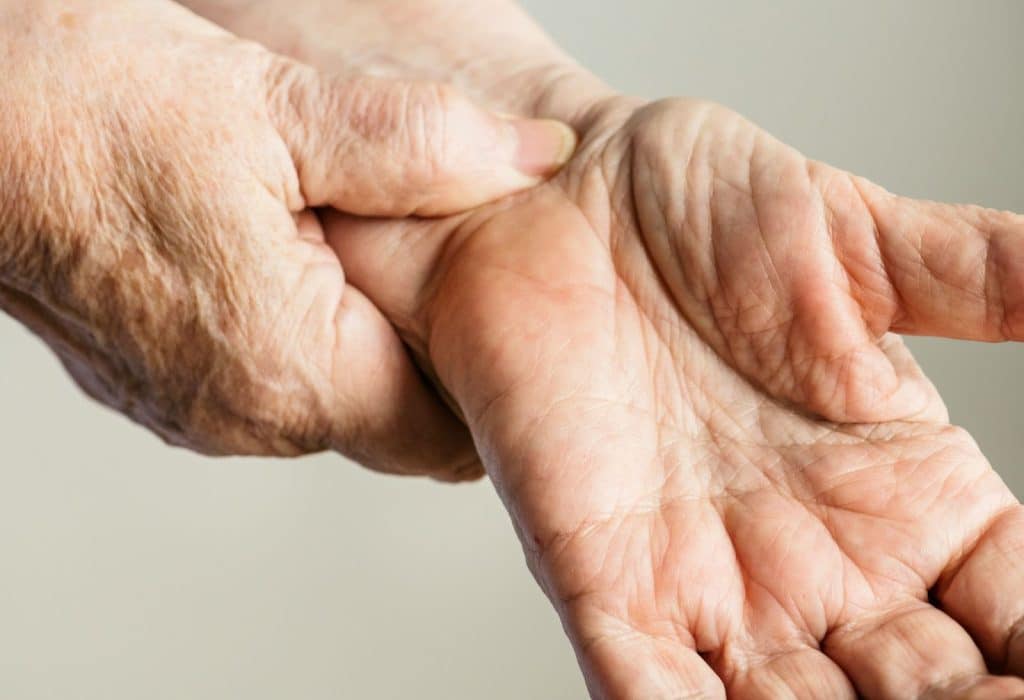
Joint issues aren’t waiting until retirement to show up. Poor posture, years of intense workouts, or repetitive desk work can all contribute to pain before 40. Age matters, but wear and tear doesn’t follow a calendar. Early care now means better mobility later. Pretending it’s too soon to worry won’t hold up.
Myth 3: “Cracking Joints Means Arthritis Is Coming”
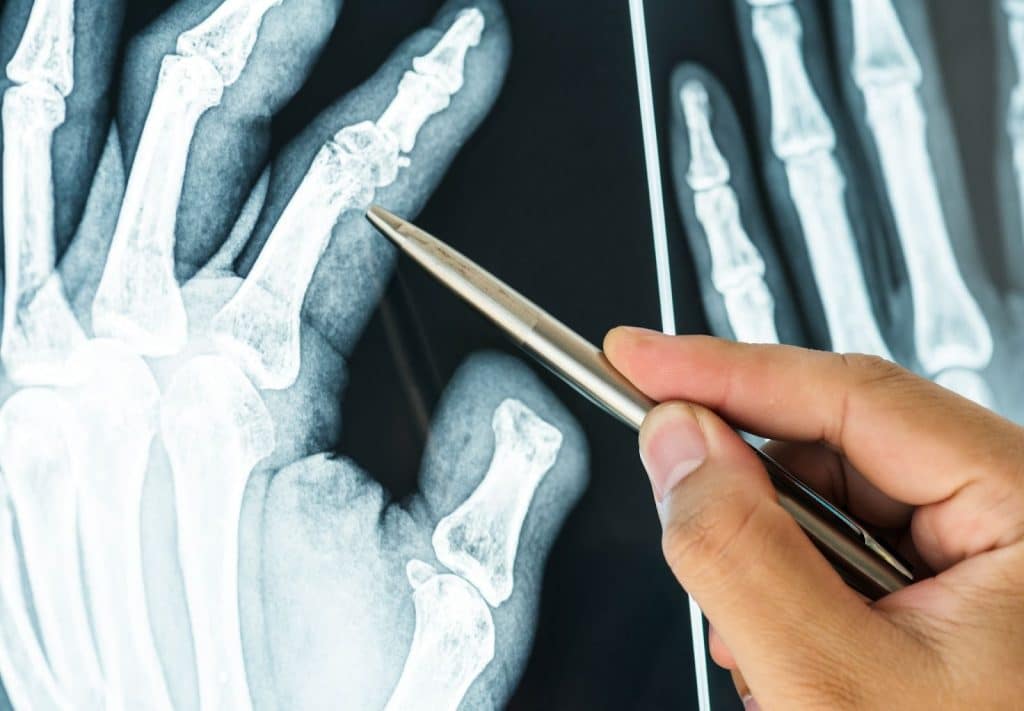
Cracking sounds can be annoying, but they don’t automatically mean damage. Gas bubbles or tendon movement are usually to blame, not arthritis. While persistent pain is worth a check, noise alone isn’t doom. Confusing the two leads to unnecessary worry, or worse, ignoring real symptoms because there’s no sound.
Myth 4: “Lifting Weights Always Protects Your Joints”
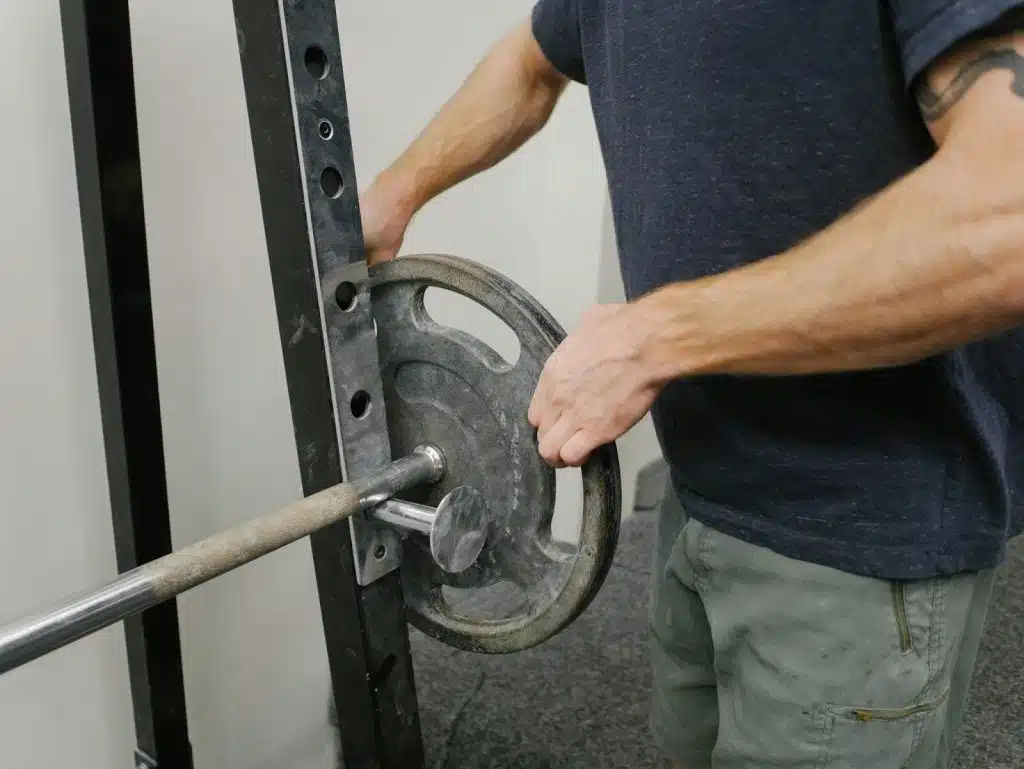
Strength training helps, but only when done right. Bad form, poor recovery, or skipping flexibility work can actually cause joint strain. The gym isn’t a shield from injury; it’s a tool that requires responsibility. Building strength includes building awareness. Protecting your joints isn’t just about power, it’s about balance.
Myth 5: “It’s Just Soreness, Not a Real Problem”
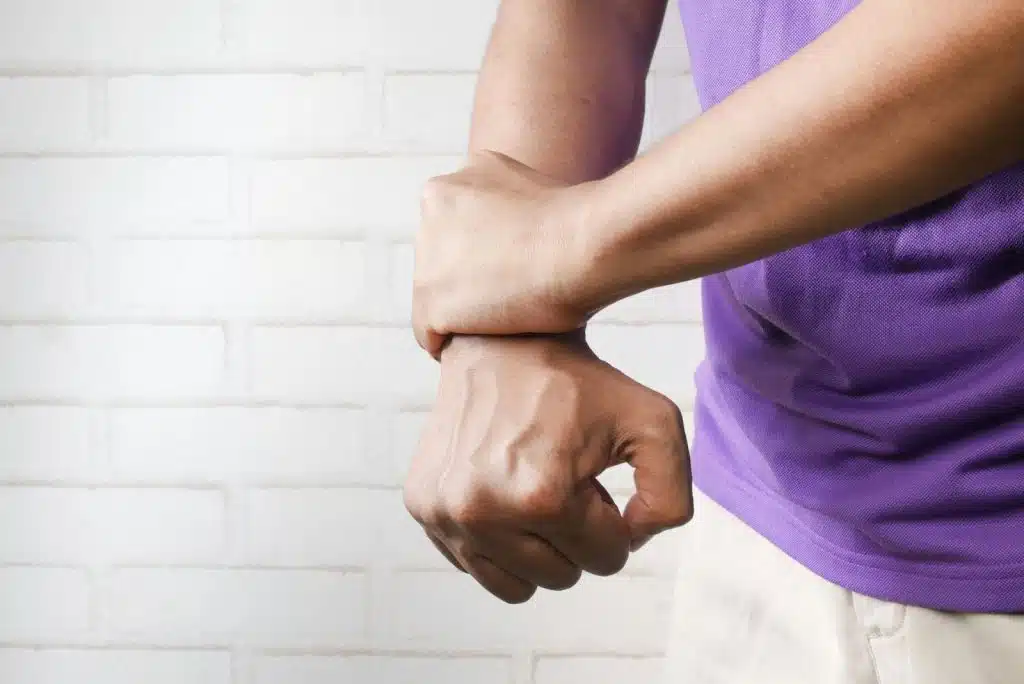
There’s a difference between soreness and inflammation. Persistent swelling, stiffness, or limited motion shouldn’t be brushed off as “normal.” Waiting too long to get checked leads to more damage. Your body’s warning signs deserve more than casual dismissal. Pain that lingers isn’t just soreness, it’s information.
Myth 6: “Joint Supplements Work Overnight”

Turmeric, glucosamine, and collagen can help, but not instantly. Many joint-friendly supplements need consistent use over weeks or months to show results. Expecting overnight relief leads to disappointment and ditching strategies that could work long-term. Patience is part of the protocol. Long-term health isn’t a quick fix.
Myth 7: “Once It Starts, It Only Gets Worse”
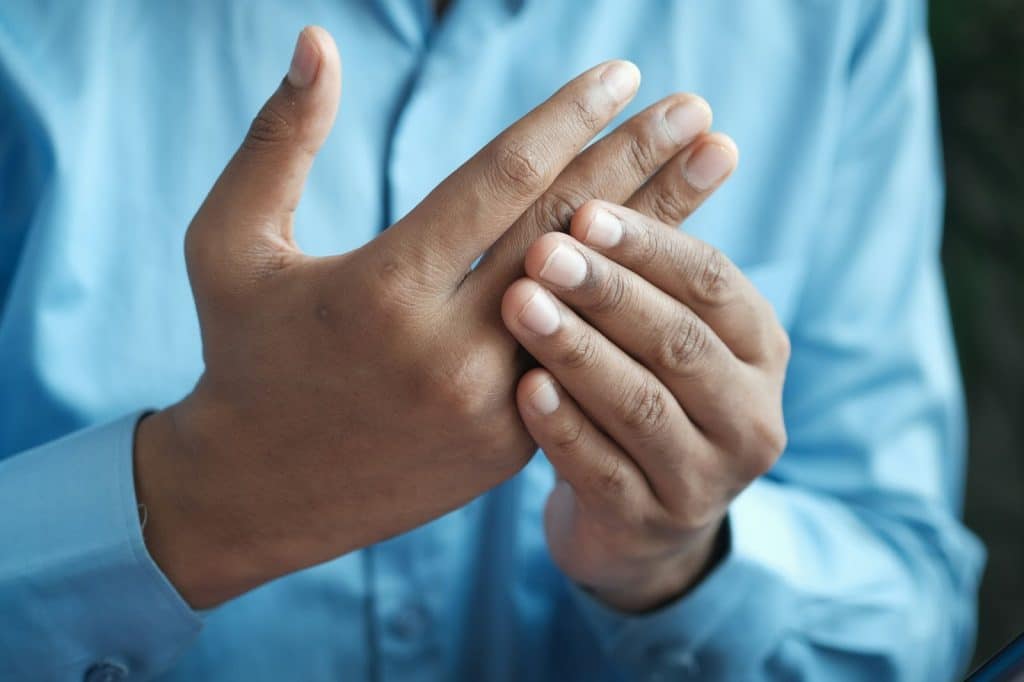
Joint pain doesn’t have to follow a downhill path. With the right treatment, like physical therapy, strength training, anti-inflammatory habits, many men improve mobility and reduce pain. Degeneration isn’t always destiny. What you do now matters more than your age. Movement is medicine when guided with intent.
Myth 8: “Running Ruins Your Knees”

Running with poor form, bad shoes, or no recovery? Risky. But smart running strengthens muscles around joints and improves function. It’s not the movement, it’s how it’s done. Blaming running ignores other factors like weight, surface, and training volume. Done right, it can be joint-friendly, not destructive.
Myth 9: “Men Can Just Push Through It”
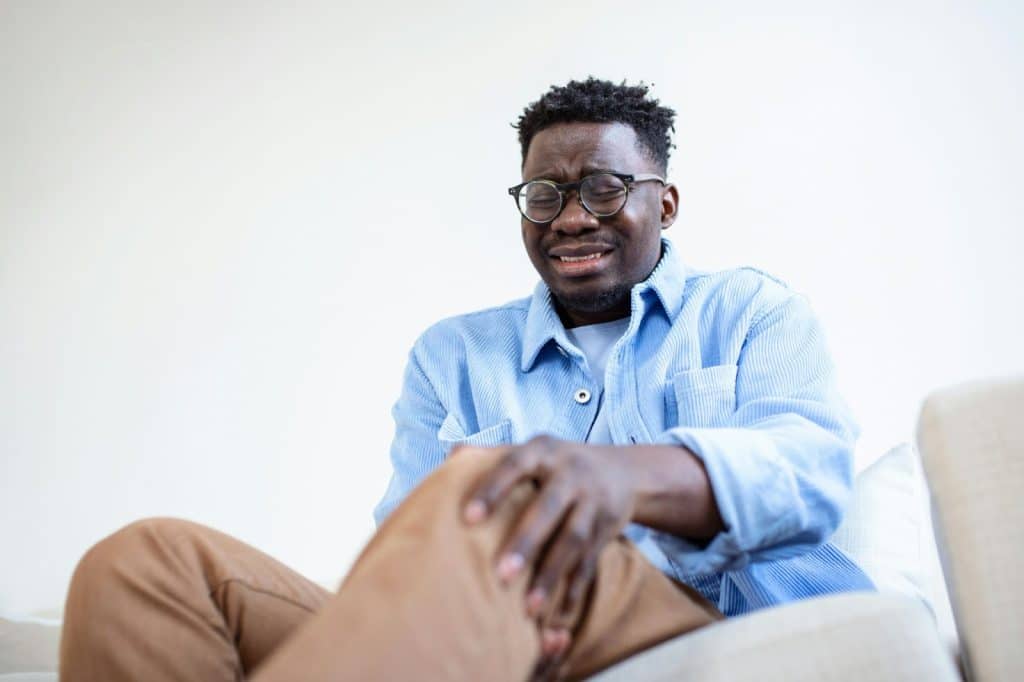
Grit is great, but not when it masks real problems. Powering through joint pain doesn’t build resilience, it risks more damage. Knowing when to pause, stretch, or rest shows intelligence, not softness. Pain is a cue, not a challenge. Ignoring it doesn’t make you tougher, it makes you vulnerable.
Myth 10: “You’ll Just Get a Shot or Surgery Anyway”

Medical intervention isn’t the only path. Physical therapy, movement coaching, lifestyle changes, and even dietary shifts can reduce or eliminate the need for more extreme measures. Assuming there’s no middle ground makes men skip proactive care. The truth? Most joint problems respond well to early, non-invasive strategies.
Myth 11: “Gout Only Hits the Out-of-Shape”
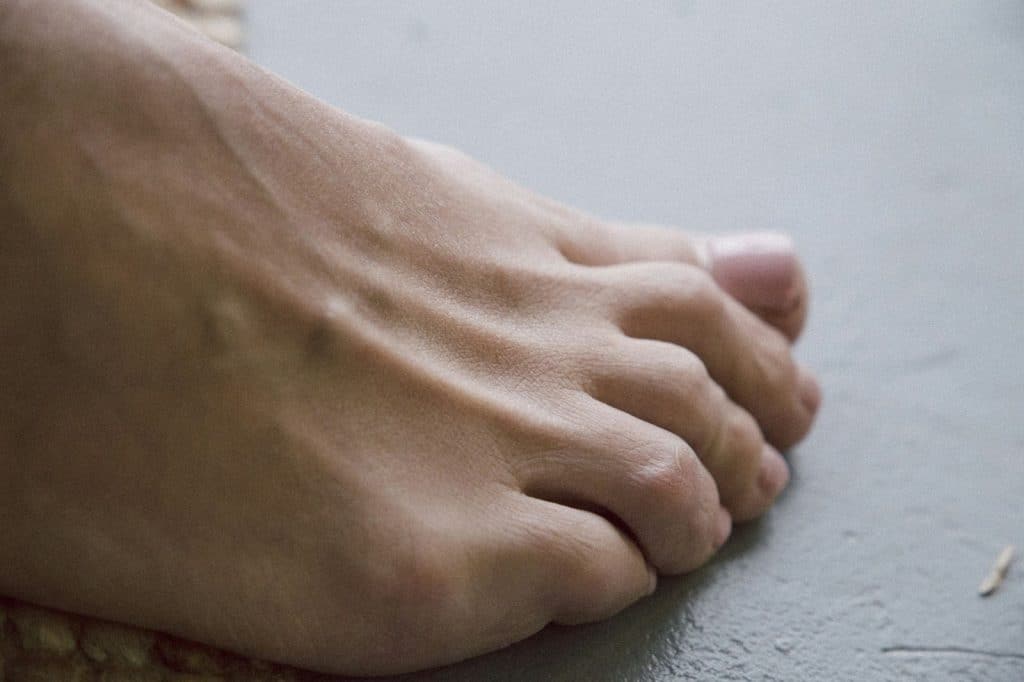
Gout has more to do with genetics, diet, and underlying conditions than weight alone. Fit men can, and do, get gout. Beer, red meat, dehydration, and stress all play a role. It’s not just a “lazy man’s disease.” Dismissing it based on appearance keeps many from understanding their actual risk.
Myth 12: “Pain Is Inevitable After 40”
Pain isn’t a guarantee, it’s a message. Yes, the body changes. But assuming discomfort is just part of aging invites passivity. Habits, not just age, shape how you feel at 45 or 60. Don’t make peace with pain. Make a plan. There’s always room to feel better.
The Myths Keep Men Stuck

These myths aren’t harmless, they’re limiting. They keep men silent, untreated, and often, in avoidable discomfort. By calling them out, the goal isn’t just awareness, it’s movement. Toward smarter care, earlier decisions, and better outcomes. The more we know, the less we suffer in silence.
Rewrite the Narrative

Men deserve health strategies rooted in truth, not outdated toughness. Pain doesn’t have to mean decline. Change starts by letting go of what doesn’t serve anymore, including the myths. What replaces them? Knowledge, action, and respect for the body you’re building a future with.








Ask Me Anything