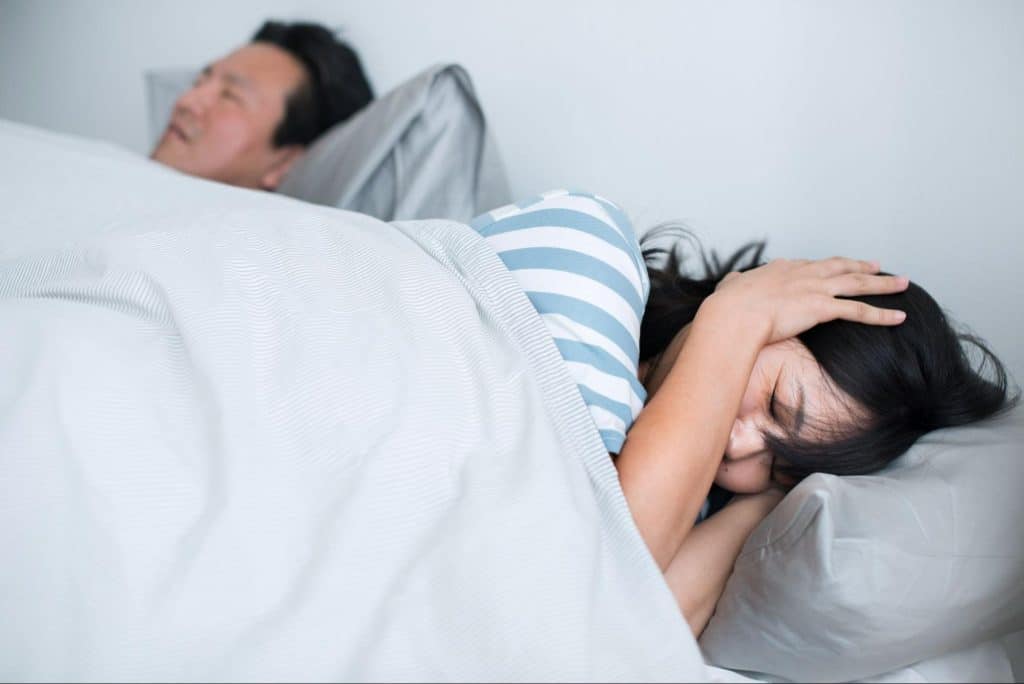
Snoring and sleep apnea aren’t minor inconveniences or subjects for jokes, they’re serious health conditions affecting both the person with the condition and the partner forced to sleep beside them. Sleep apnea involves repeated breathing interruptions during sleep, often accompanied by loud snoring, gasping, and restless movement. The person with sleep apnea experiences health consequences including cardiovascular problems, cognitive decline, and daytime fatigue. The partner, however, also suffers: chronic sleep deprivation from being awakened repeatedly, health problems from accumulated sleep loss, and resentment from partner’s refusal to address fixable medical conditions. These seventeen patterns reveal when snoring or sleep apnea has become a relationship crisis requiring immediate intervention rather than continued tolerance.
Claiming the Snoring Isn’t That Bad Despite Evidence
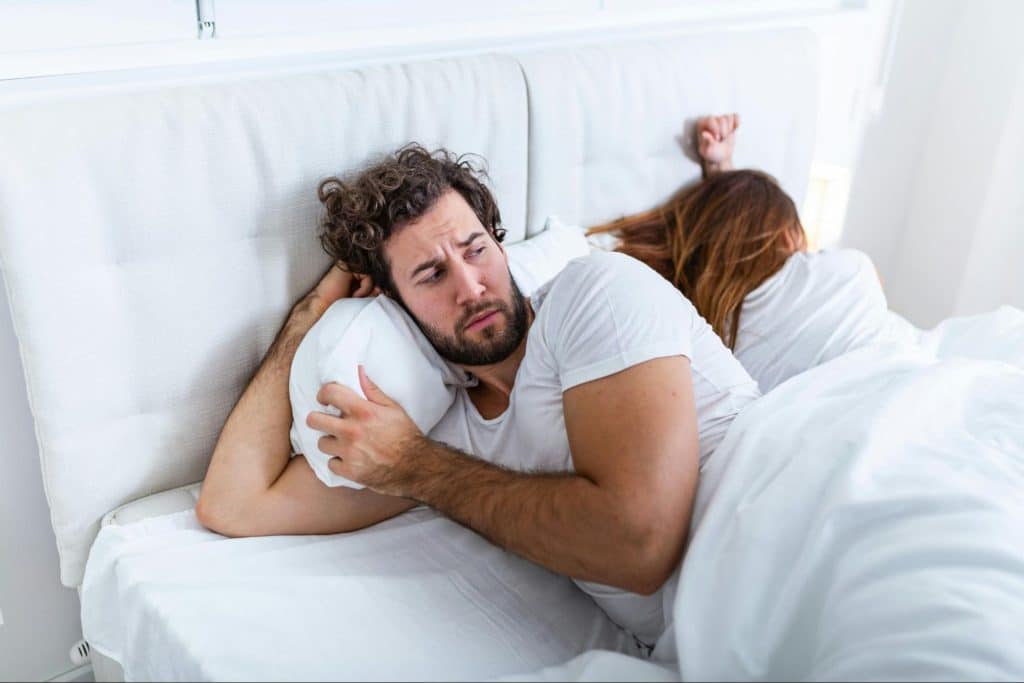
Insisting snoring is a minor issue when a partner reports it’s severe, constant, and sleep-destroying. This minimization dismisses her lived experience and health impact. If claiming snoring is “not that loud” while she reports being unable to sleep, denial prevents addressing serious problems. The pattern involves dismissing her reports as exaggeration despite her obvious exhaustion. Recording evidence of snoring volume and frequency proves severity. Minimization allows avoiding treatment by pretending the problem doesn’t exist at claimed severity.
Refusing to Believe You Have Sleep Apnea Without Diagnosis

Rejecting sleep apnea possibility despite classic symptoms, loud snoring, breathing pauses, gasping, daytime exhaustion, morning headaches. This diagnostic resistance prevents getting tested and treated. If exhibiting clear sleep apnea indicators but refusing to consider diagnosis without formal testing, avoidance is operating. The pattern delays treatment by requiring proof before even getting evaluated. Sleep apnea symptoms are recognizable; waiting for diagnosis to believe them prolongs suffering. Refusing to consider possibility prevents seeking diagnosis.
Blaming Her Light Sleeping Instead of Your Snoring
Positioning the problem as her sensitivity rather than your condition. This blame-shifting makes her sleep quality the issue, not your medical problem. If explaining sleep disruption through “she’s a light sleeper” rather than “I have loud snoring,” responsibility is being avoided. The pattern suggests the problem would disappear if she weren’t so sensitive. Normal sleep doesn’t withstand chainsaw-level snoring. Blame-shifting prevents addressing actual medical conditions.
Claiming You’ve Always Snored So It’s Not a Problem
Using longevity of condition as evidence it’s not a serious issue requiring intervention. This historical excuse treats duration as justification for continued avoidance. If explaining that years of snoring mean it’s not concerning now, logic is backwards, the long-standing problem is more serious not less. The pattern suggests that because the condition existed before marriage or for years, it doesn’t require addressing. Chronic problems need treatment more than new ones. Historical existence intensifies rather than minimizes urgency.
Refusing Sleep Study Despite Obvious Sleep Apnea Symptoms
Resisting formal sleep evaluation through sleep study despite exhibiting clear sleep apnea indicators. This testing refusal prevents diagnosis and treatment. If a partner reports breathing pauses, severe snoring, and gasping but sleep study gets refused, avoidance prevents help. The pattern keeps conditions undiagnosed allowing continued denial. Sleep studies are non-invasive and diagnostic. Refusing evaluation prolongs suffering for both people.
She Reports Getting Only Few Hours Sleep Nightly

Chronic severe sleep deprivation where she sleeps 3-4 hours nightly because your snoring wakes her repeatedly. This accumulation creates serious health consequences. If she’s functionally sleep-deprived for months or years because of your untreated condition, her health is being damaged. The pattern means she’s experiencing cognitive impairment, health problems, and emotional issues from chronic sleep loss. Sleep deprivation is a form of harm. Allowing a partner to experience it rather than seeking treatment is neglectful.
She’s Using Earplugs, White Noise, and Still Can’t Sleep
Despite multiple mitigation attempts on her part, earplugs, white noise machines, fans, she still can’t sleep through snoring. This ineffectiveness of workarounds reveals problem severity. If she’s tried every available sleep aid and still gets awakened, the snoring exceeds normal adaptation capacity. The pattern shows the problem is beyond what accommodations can address. When solutions she implements fail, the problem requires medical intervention. Expecting her to tolerate intolerance proves unreasonable.
She’s Visibly Exhausted and Health Is Declining

Observable physical decline, dark circles, exhaustion, illness frequency, mood problems, directly correlating with sleep deprivation from your snoring. This health deterioration reveals serious consequences. If her physical and mental health has declined since sleep disruption began, cause-and-effect is clear. The pattern means your untreated condition is creating actual harm to her health. Sleep deprivation causes real medical problems. Watching a partner’s health decline while refusing treatment is particularly concerning.
Claiming Treatment Is Too Expensive While Spending on Other Things

Explaining CPAP cost or treatment expense as unaffordable while maintaining spending on hobbies, entertainment, or non-essentials. This selective poverty reveals actual priority not genuine budget constraint. If claiming inability to afford treatment while purchasing expensive recreational items, the issue is priority not money. The pattern shows that discretionary spending exists but health treatment isn’t a priority. A partner’s sleep quality should outrank golf clubs or gadgets. Financial excuses while spending elsewhere reveal true values.
Too Proud or Embarrassed to Use CPAP
Refusing treatment because CPAP seems unattractive, embarrassing, or aging. This vanity-based resistance prioritizes pride over health and partnership. If CPAP refusal stems from how it looks or makes you feel about self, ego matters more than her health. The pattern means image preservation trumps actually sleeping together and her health. Pride that destroys a partner’s health is toxic. Vanity preventing treatment is selfish prioritization.
Claiming You Don’t Have Time for Sleep Study or Doctor Visits

Explaining treatment avoidance through schedule constraints while making time for recreational activities. This time-scarcity excuse reveals priority hierarchy. If a schedule can’t accommodate sleep study or medical appointments but accommodates less important activities, health isn’t a priority. The pattern uses busyness as an excuse while demonstrating time exists for preferred activities. Sleep study requires a single night; treatment follow-ups are minimal. Time excuses usually mask resistance to diagnosis.
Waiting for Problem to Get Worse Before Addressing
Delaying treatment until the condition becomes more severe or some threshold is met. This waiting approach allows continued damage to both people. If acknowledging a problem exists but claiming it’s not bad enough yet to warrant intervention, procrastination is harm-causing. The pattern means damage continues while waiting for an arbitrary severity threshold. Sleep apnea doesn’t improve spontaneously; it worsens. Waiting guarantees worse health outcomes for both.
She’s Resentful About Your Refusal to Get Help
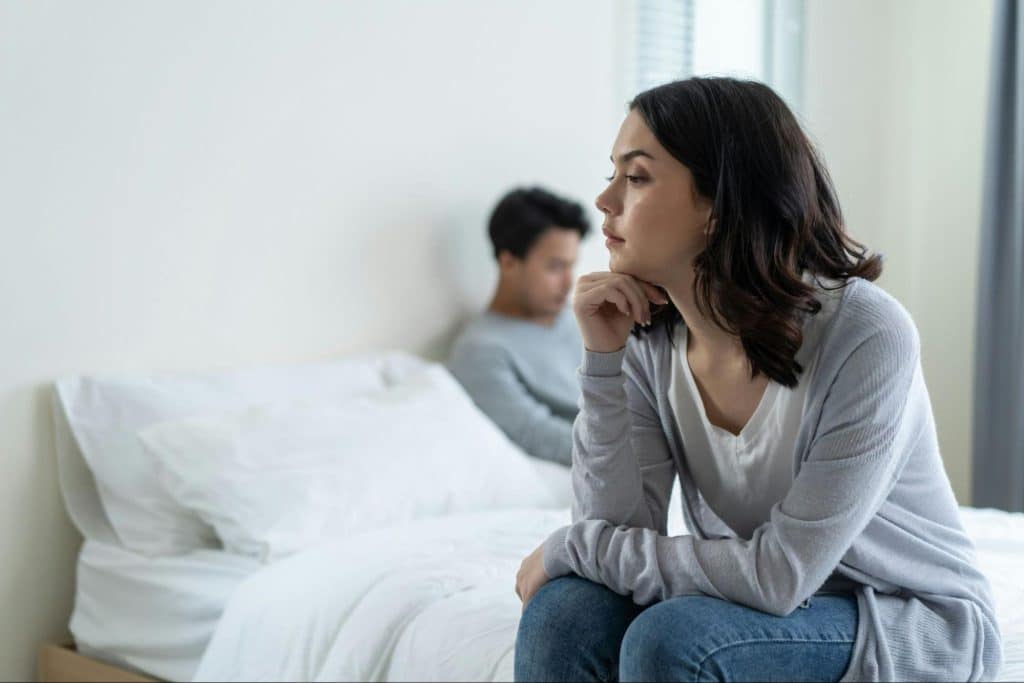
Accumulating anger and resentment specifically about treatment resistance, not just snoring itself. This relationship damage stems from refusal not condition. If her frustration is about choosing not to address fixable problems rather than problems existing, the refusal is relationship poison. The pattern means every bad night adds to resentment about your choice to let it continue. Addressing treatable problems shows care. Refusing to address them shows indifference to a partner’s suffering.
Physical Intimacy Has Died Partly Due to Sleep Disruption
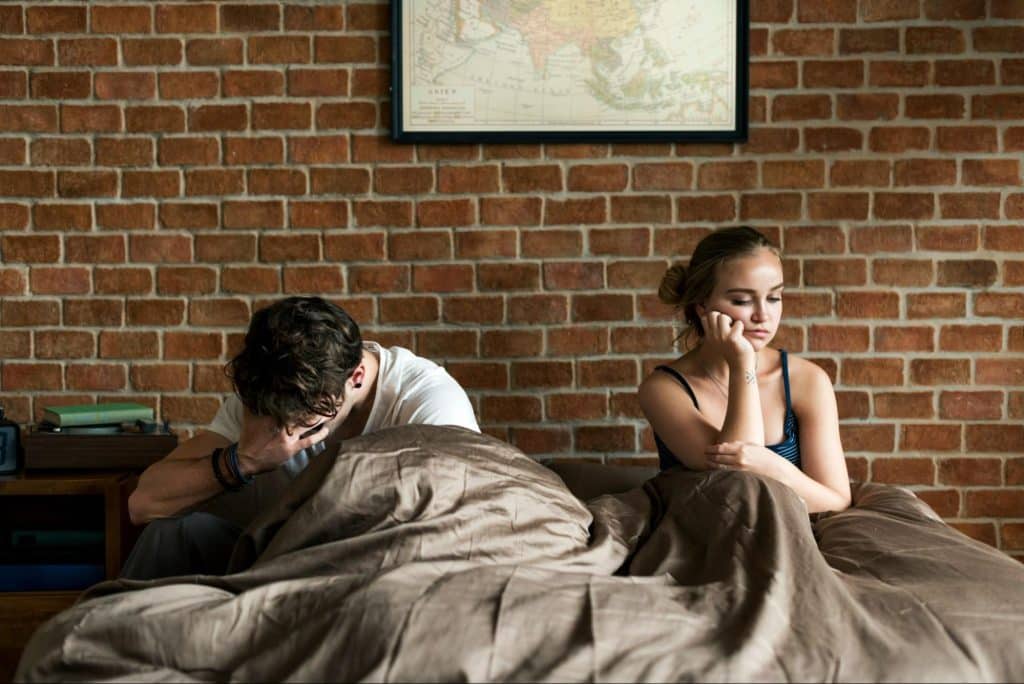
Sexual relationship decline is partially attributable to chronic exhaustion from sleep deprivation and sleeping separately. This intimacy loss is a consequence of an untreated condition. If separate bedrooms or her exhaustion has eliminated spontaneous intimacy, the treatment refusal is costing marriage essential connection. The pattern means physical relationship suffers because untreated medical conditions require accommodation. Sleep deprivation destroys libido. Separate bedrooms eliminate spontaneity.
She’s Stopped Complaining Because Complaining Changes Nothing
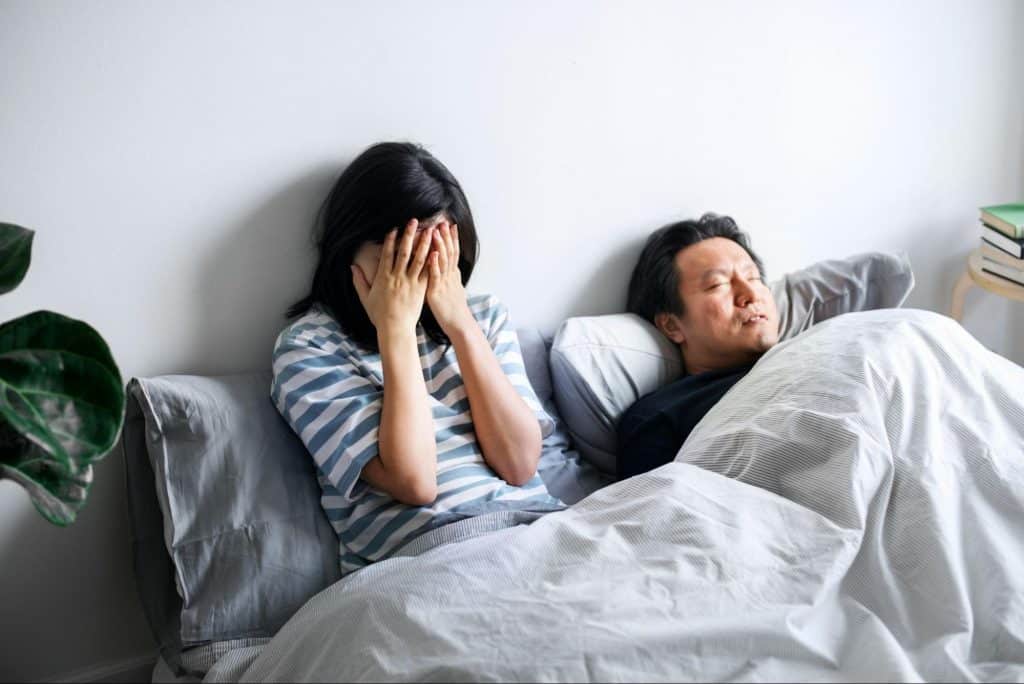
Resignation where she no longer mentions sleep problems because years of complaints produced no action. This complaint cessation reveals hopelessness. If she’s stopped raising an issue because it never resulted in treatment-seeking, she’s given up on you addressing it. The pattern means silence is resignation not acceptance. Partners stop fighting for what they learn won’t happen. Quiet about a problem doesn’t mean the problem is resolved.
She’s Mentioned Divorce and Sleep Issues Are Part of Why
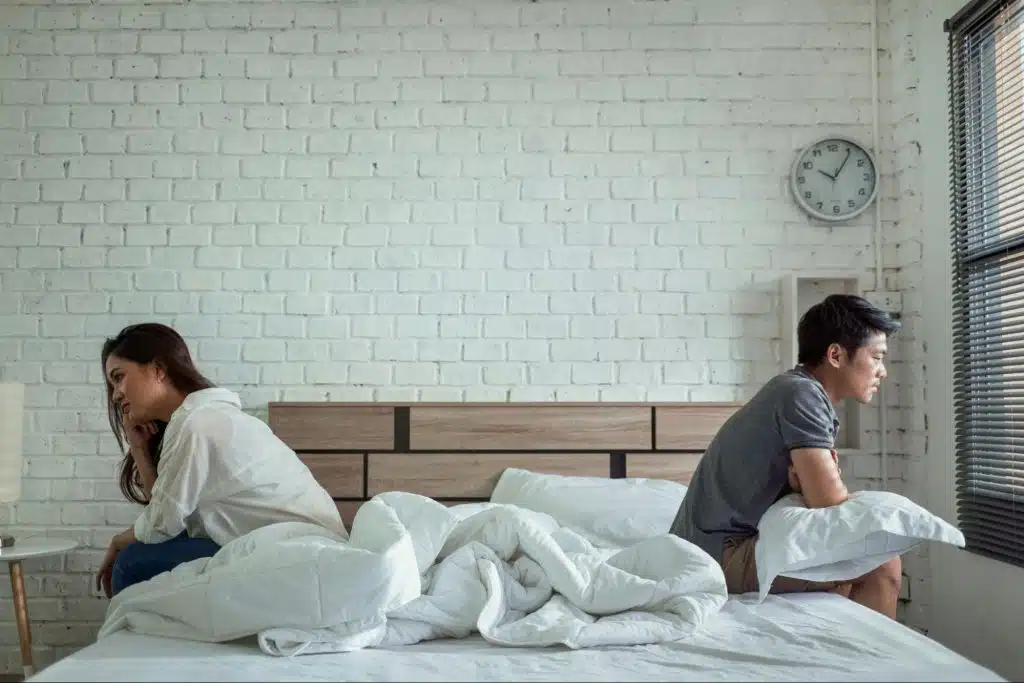
Sleep disruption and treatment refusal appear as contributing factors in divorce consideration or conversation. This crisis-level impact reveals accumulated damage. If sleep issues are explicitly cited in separation thoughts or conversations, the problem has reached relationship-ending territory. The pattern means years of sleep deprivation have created resentment beyond repair. Sleep issues seem minor but chronic sleep loss destroys relationships. Being named in divorce consideration means damage is severe.
Your Sleep Problem Is Destroying Her Health
These seventeen patterns reveal that untreated snoring and sleep apnea aren’t minor inconveniences but serious health issues affecting both partners profoundly. The person with the condition experiences cardiovascular problems, cognitive decline, and premature death risk. The partner experiences chronic sleep deprivation leading to health problems, reduced life quality, and relationship resentment. Refusing treatment, through denial, CPAP abandonment, pride, or procrastination, prioritizes comfort or ego over both people’s health and relationship survival. If multiple patterns resonate, snoring has progressed to crisis requiring immediate intervention. The correction requires acknowledging severity, getting proper diagnosis through sleep study, committing to CPAP or alternative treatment, and maintaining consistent usage despite adjustment period. Modern treatments are effective when used consistently. The resistance is usually psychological not practical. Partners deserve the ability to sleep in a shared bedroom without chronic sleep deprivation. Untreated sleep apnea is a health crisis and relationship crisis. Addressing it demonstrates that a partner’s health and relationship matter more than pride, discomfort, or avoidance.








Ask Me Anything