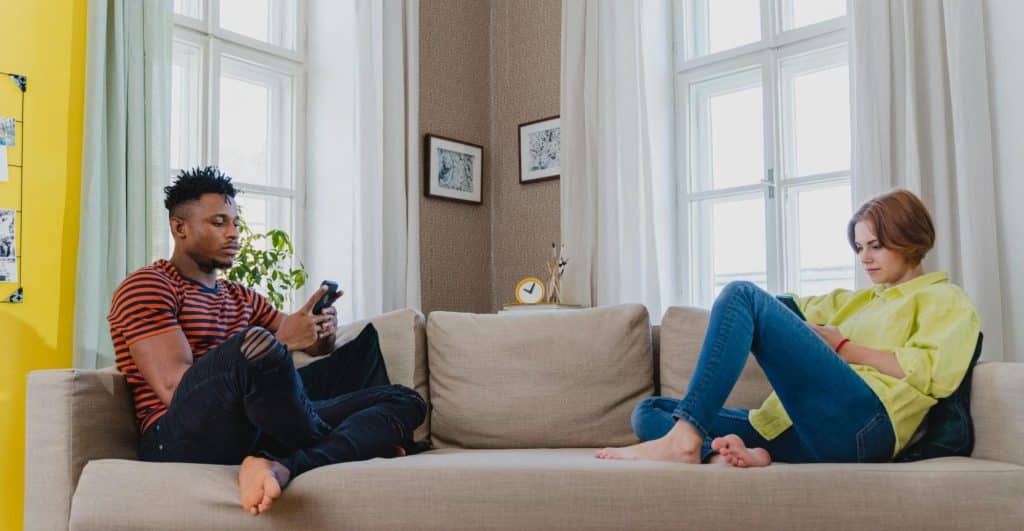
Social media promised to connect people across distances and maintain relationships effortlessly. Instead, it’s created a generation of people more connected to screens than to the humans sitting beside them. Marriages particularly suffer from social media’s intrusion because the platforms are engineered to be addictive, constantly pulling attention away from present relationships. The dopamine hits from likes, comments, and endless scrolling compete directly with the slower, deeper satisfaction of genuine intimacy. What started as innocent scrolling has evolved into patterns that damage marriages in ways many people don’t fully recognize. These seventeen digital disconnects reveal how social media specifically undermines marital relationships through attention theft, comparison culture, false intimacy, and boundary violations. Understanding these patterns is crucial because social media isn’t going anywhere, learning to use it without destroying relationships is now a necessary life skill.
Scrolling During Every Quiet Moment That Could Be Connection

Any pause in activity, waiting for food, commercial breaks, morning coffee, before bed, immediately gets filled with phone scrolling. These small moments that once created space for conversation and spontaneous connection now disappear into social media. The accumulation of hundreds of stolen micro-moments per week adds up to significant lost intimacy. Partners notice when every potential interaction gets preempted by checking feeds. These moments seem insignificant individually but collectively represent the relationship’s connective tissue.
Checking Your Phone Is the First and Last Thing You Do Each Day

Morning and bedtime, traditionally intimate times for couples, now include phones as third parties in the bed. Reaching for the phone before acknowledging a spouse sends clear messages about priorities. Ending the day scrolling instead of talking disconnects couples at times specifically important for bonding. These bookend moments set the tone for the entire day and their loss affects overall relationship quality. If the phone gets attention before and after the spouse, the hierarchy is obvious.
You Can’t Have a Meal Together Without Your Phone on the Table
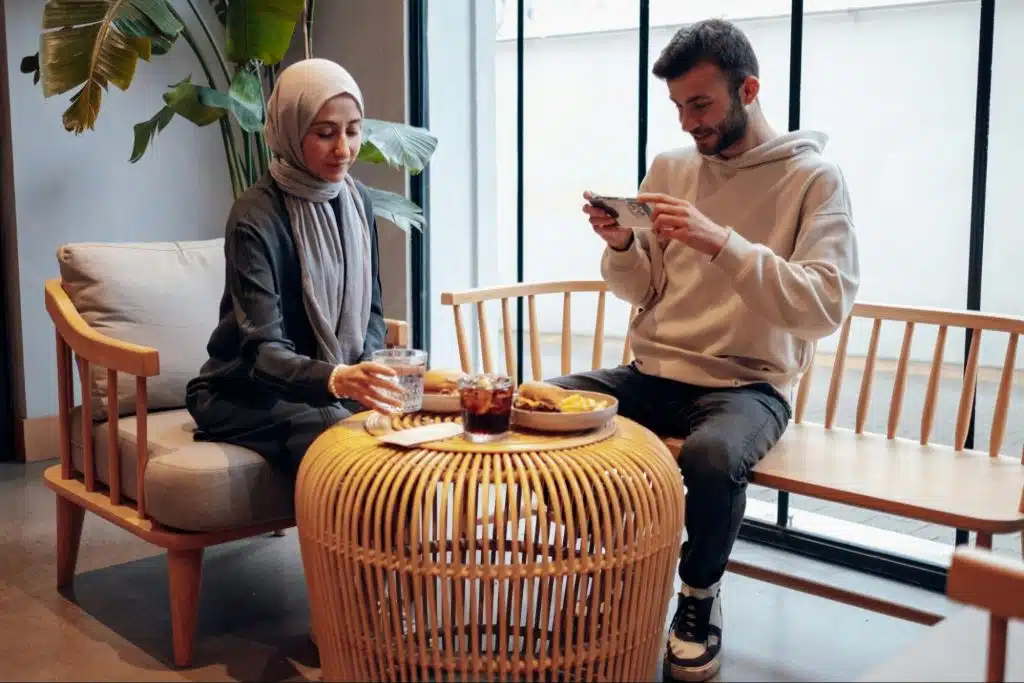
Phone presence during meals, even face-down and silent, signals divided attention and availability for interruption. This constant accessibility to the digital world prevents full presence with the person across the table. Meals that could be connecting moments become interrupted, distracted experiences. Partners feel secondary to whatever notification might arrive. The inability to be fully present for even thirty minutes reveals the grip social media has established.
Conversations Get Interrupted for Notifications
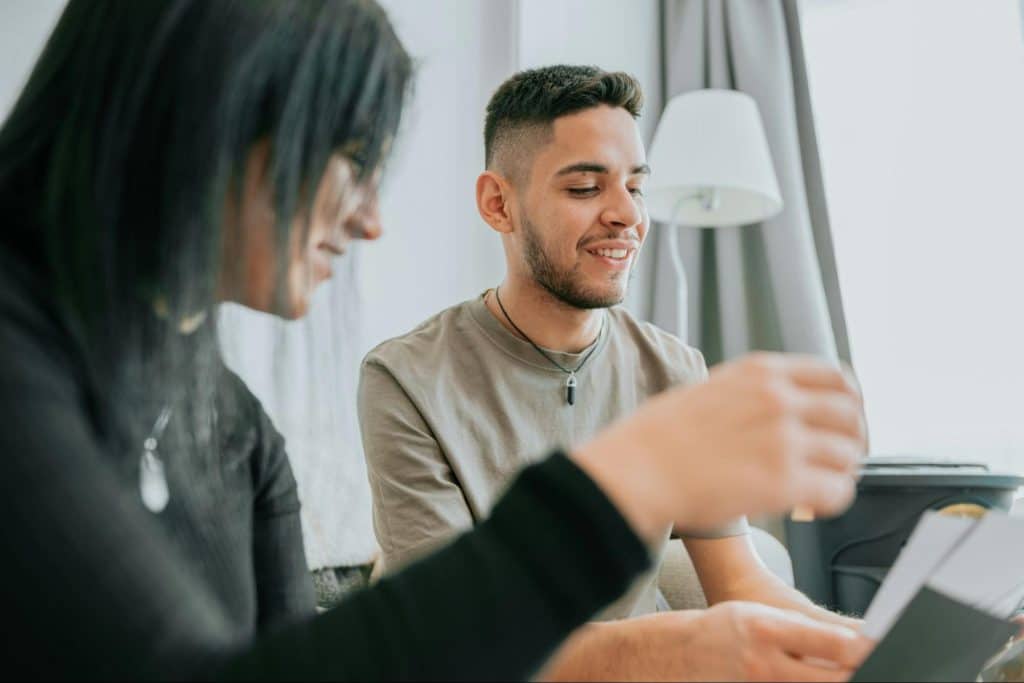
Stopping mid-conversation to check notifications communicates that whoever or whatever is on the phone matters more than the person speaking. This fragmentation prevents deep conversation because focus never stays long enough to build momentum. The pattern teaches that in-person conversations are interruptible while digital engagement is priority. Partners eventually stop trying to have meaningful discussions when they know attention will be repeatedly diverted. Real-time notifications create false urgency that destroys presence.
Comparing Your Marriage to Curated Highlight Reels

Social media presents edited, filtered versions of other people’s relationships that bear little resemblance to reality. Comparing actual marriage, with its boring Tuesdays and household tasks, to these fantasy presentations creates dissatisfaction. The constant exposure to apparently perfect relationships, exotic vacations, and romantic gestures makes real life feel inadequate. This comparison game is rigged because it pits reality against performance. Partners suffer when measured against impossible standards that don’t actually exist.
Expecting Your Spouse to Perform Like Influencer Relationships

Consuming relationship content from influencers creates expectations that real marriages should look like staged content. This might include grand gestures, constant romance, or aesthetic perfection that’s unsustainable in actual life. Spouses get criticized for not being as romantic, thoughtful, or exciting as curated online personas. The expectations are based on performances designed for audiences, not sustainable relationship practices. Reality can never compete with content created specifically to generate engagement.
Seeking Validation From Strangers Rather Than Your Spouse

When likes, comments, and online approval become more satisfying than spouse’s feedback, priorities are inverted. Social media provides instant, quantifiable validation that real relationships can’t match for immediacy. The dopamine hit from online attention becomes more rewarding than the quieter approval of a spouse. This external validation dependency undermines the marriage’s ability to be the primary source of affirmation. Partners notice when online strangers’ opinions matter more than theirs.
Measuring Relationship Worth by How It Looks Online

If relationship satisfaction depends on how the marriage appears on social media rather than how it actually feels, performance has replaced authenticity. This includes staging photos, crafting captions about love during conflict, or maintaining an online facade of perfect marriage. The performance becomes more important than the reality it’s supposedly representing. Energy goes toward managing appearance instead of improving actual relationships. When optics matter more than genuine connection, the marriage exists for the audience rather than participants.
Maintaining Contact With Exes or Past Romantic Interests

Social media makes maintaining connections with former partners effortless and normalized in ways that can threaten current relationships. Following, liking, commenting on, or messaging people who were once romantic interests keeps those connections alive. These digital ties create ongoing comparison points and prevent full closure on past relationships. If more emotional energy goes toward tracking an ex’s life than toward the current spouse, boundaries are violated. The ease of maintaining these connections doesn’t make them appropriate.
Private Messaging People Your Spouse Doesn’t Know About

Secret conversations on social platforms, whether flirtatious or seemingly innocent, constitute boundary violations through concealment. The secrecy itself reveals awareness that the communication wouldn’t be acceptable to a spouse. These private messages often create emotional intimacy with people outside the marriage in ways that damage primary relationships. If conversations need to be hidden, they’re crossing lines regardless of content. Transparency is necessary for trust; hidden messaging undermines it.
Sharing Marriage Problems Publicly or in Groups
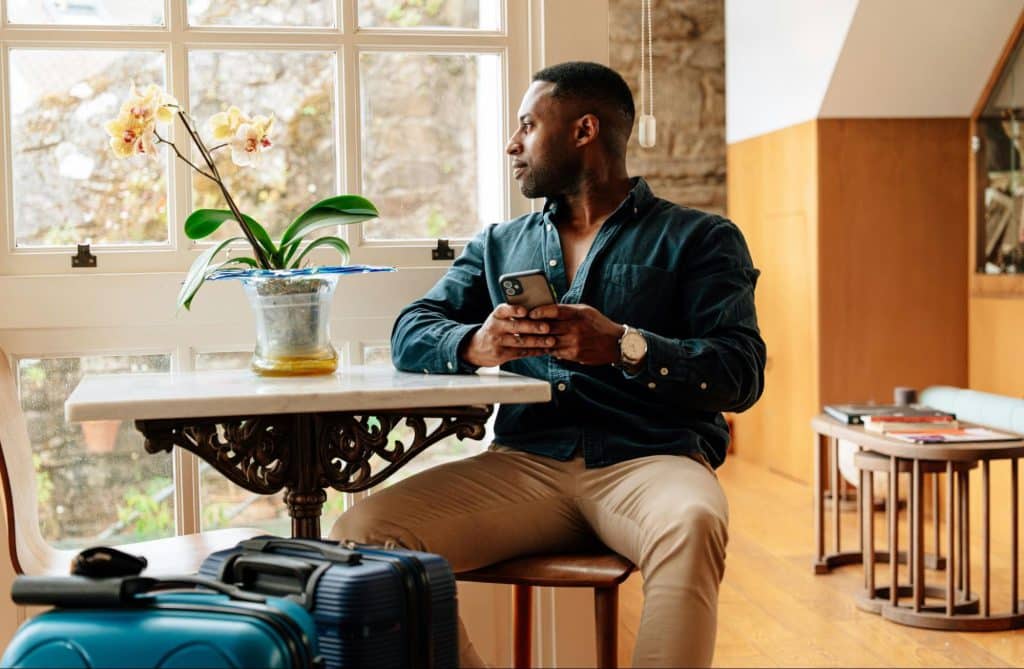
Posting complaints about spouse, marriage frustrations, or relationship problems on social media violates privacy and loyalty. This public venting seeks sympathy from others while exposing marriage issues that should remain private. The validation received from online sympathy undermines actually addressing problems with the spouse. Public complaint also shapes how others view the spouse, damaging their reputation. Marriage problems belong in private conversation or counseling, not public forums.
Developing Emotional Connections Through Online Interaction

Building friendships or connections primarily through social media messaging, comments, or DMs can create inappropriate emotional intimacy. These relationships often develop gradually, friendly comments become DMs become regular communication become emotional dependency. The emotional investment in online relationships competes with investment in marriage. If someone outside marriage becomes the primary source of emotional support, understanding, or excitement, emotional fidelity is violated. Online friendships aren’t inherently wrong, but emotional dependency on them is.
Experiencing Moments Through Phone Instead of Being Present

Constant documentation of experiences for social sharing prevents actually experiencing the moments. Concerts, vacations, dinners, and special occasions become content creation opportunities rather than lived experiences. The focus shifts from enjoying time with spouse to capturing it for audience approval. Partners feel less important than the future post about the experience. When living for content replaces living for connection, the relationship suffers.
Making Decisions Based on How They’ll Look Online

Life choices, vacations, restaurants, activities, purchases, get filtered through “will this photograph well?” rather than “will we enjoy this?” This distortion prioritizes appearance and shareability over genuine preference and enjoyment. The performative life created for social media diverges from authentic life that might not be as photogenic. Spouses resent when decisions prioritize content creation over actual shared enjoyment. Living for the ‘gram’ rather than living for the relationship creates empty experiences.
Time Spent Scrolling Exceeds Time Spent Talking

If daily social media time significantly outpaces actual conversation time with a spouse, priorities are mathematically clear. Multiple hours scrolling while struggling to find thirty minutes for meaningful conversation reveals what actually matters. Partners track this disparity even without consciously measuring time. The relationship can’t thrive on less attention than social media receives. Time allocation shows true priorities regardless of stated values.
Endless Scrolling Has Replaced Shared Activities
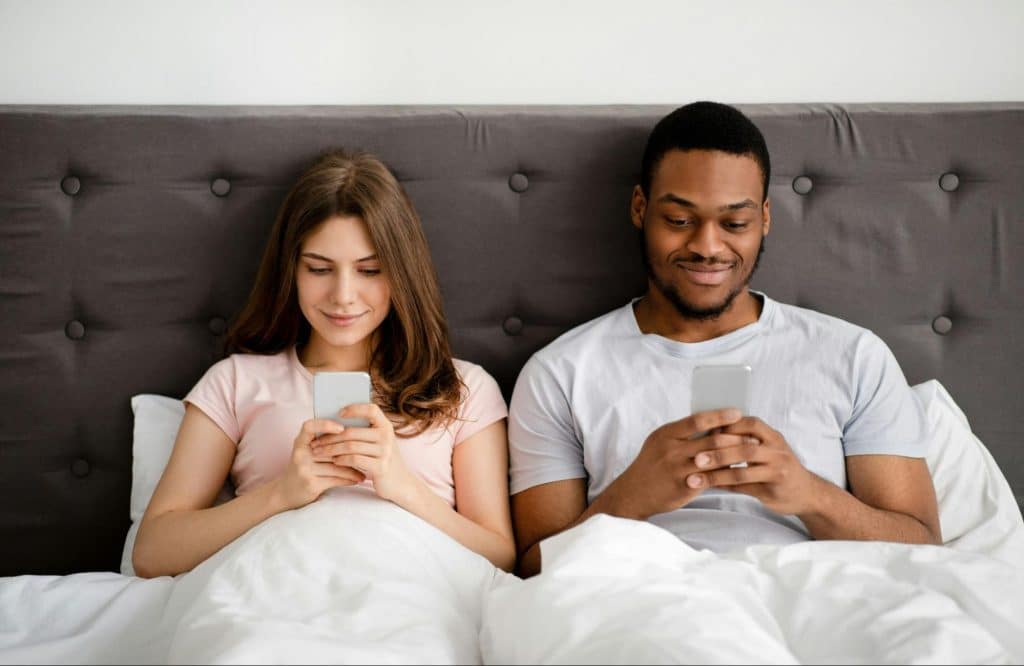
Activities that couples used to do together, reading, talking, watching shows together, get replaced by parallel phone scrolling. Sitting in the same room while both absorbed in separate digital worlds creates isolation within proximity. The shared experience disappears in favor of individual content consumption. Couples become roommates sharing space but not actually connecting. This parallel solitary behavior masquerades as togetherness while providing none of its benefits.
Social Media Anxiety Affects Mood and Availability

Constant exposure to news, conflict, comparison, and information overload creates anxiety that gets brought home. This digital stress affects mood, patience, and emotional availability for the spouse. The mental state created by social media consumption makes someone less able to be present and engaged. Partners bear the emotional costs of anxiety generated by activities they’re not part of. The platform stress affects the relationship without the relationship having any say in the exposure.
FOMO Makes You Dissatisfied With Normal Life

Fear of missing out cultivated by seeing others’ activities creates chronic dissatisfaction with actual life. The marriage feels boring compared to curated excitement appearing on feeds. This manufactured discontent poisons appreciation for what actually exists in favor of fantasy alternatives. Normal evenings at home feel inadequate when everyone else appears to be living extraordinary lives. FOMO prevents gratitude for present reality and breeds resentment toward mundane partnership.
You Know More About Strangers’ Lives Than Your Spouse’s Inner World
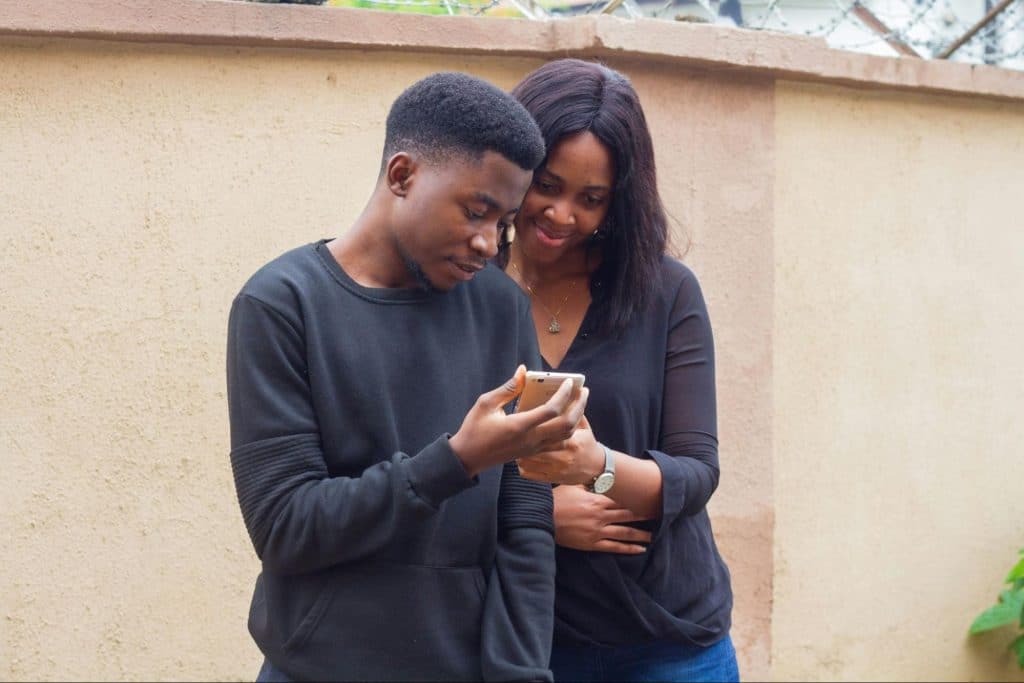
Following hundreds of accounts means absorbing details about strangers’ activities, opinions, and lives daily. Meanwhile, basic questions about a spouse’s current thoughts, feelings, or experiences go unasked. The mental space occupied by others’ lives leaves less room for curiosity about a partner. If social media personalities are more familiar than the spouse’s evolving inner landscape, attention is severely misallocated. Genuine intimacy requires investing attention in a partner, not distributing it among countless digital strangers.
Phone Addiction Creates Irritability When Separated From It

The anxious, irritable state that emerges when unable to check a phone reveals addiction. This withdrawal affects mood and makes someone unpleasant to be around. Partners notice when phone separation causes more distress than separation from them. If checking the phone provides relief and calm that human connection doesn’t, priorities are inverted. Addiction to digital engagement often means reduced capacity for real-world engagement.
Arguments Start Over Social Media Content or Activity

Fights about who someone follows, what they like, posts they make, or time spent on platforms have become common relationship conflicts. These arguments wouldn’t exist without social media but now consume relationship energy. The content of arguments reveals how deeply platforms have penetrated relationship dynamics. If significant conflict centers on digital behavior, social media has become a relationship problem rather than a neutral tool. When platforms generate conflict rather than connection, their net impact is negative.
Your Marriage Looks Perfect Online But Feels Hollow in Reality
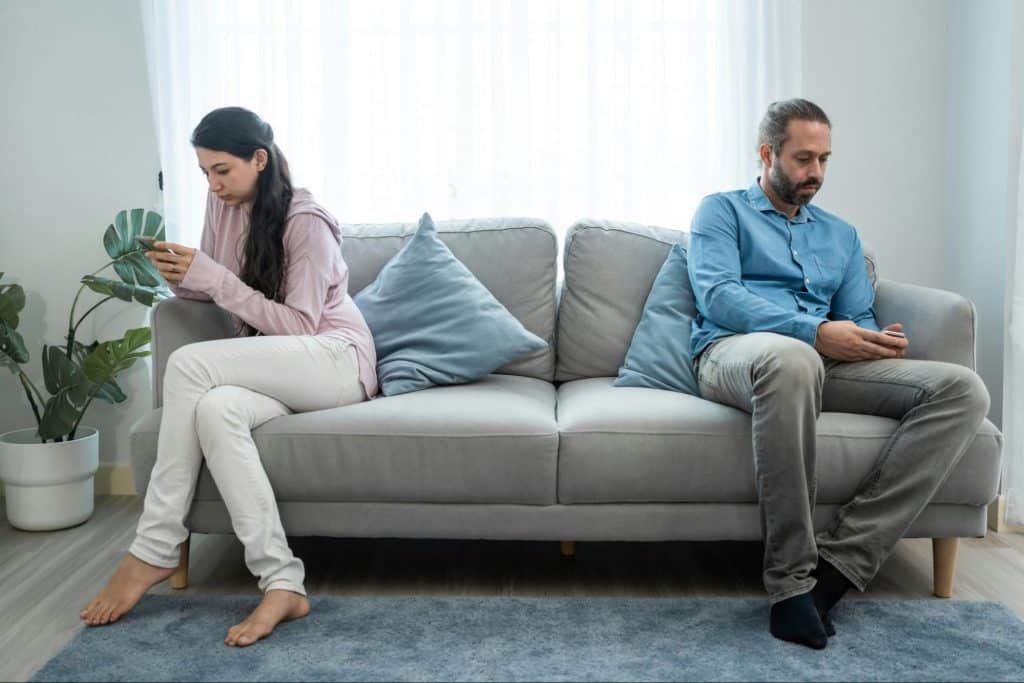
Creating an idealized version of the marriage for social consumption while reality deteriorates creates painful cognitive dissonance. Posting loving tributes during periods of distance, staging photos during conflict, or performing happiness publicly while suffering privately is dishonest. This performance requires energy that could go toward actually improving the relationship. The gap between public image and private reality eventually becomes unsustainable. When more effort goes toward appearing happily married than being happily married, priorities have inverted.
You’re More Invested in Your Online Persona Than Real Self
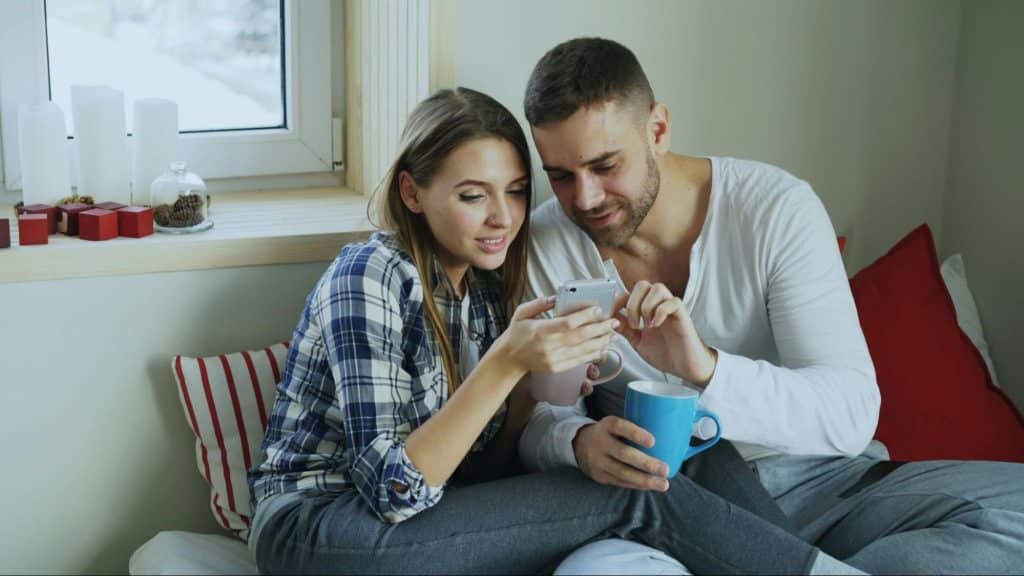
Building and maintaining social media identity, curating feed, crafting captions, managing image, consumes energy and attention. If the online version receives more investment than the actual person in actual relationships, identity has fragmented. Partners relate to curated persona rather than authentic self. The gap between online performance and offline reality creates disconnection. When digital self matters more than real self, genuine intimacy becomes impossible.
Social Media Is a Tool, But Most People Are Its Tool

Social media platforms are engineered to capture and monetize attention through psychological manipulation. They succeed spectacularly, most users have become unconscious addicts rather than conscious users. The impact on marriages is devastating because platforms optimize for engagement, not for relationship health. Their profit model depends on keeping people scrolling, which directly conflicts with being present in real relationships. The question isn’t whether to use social media but whether it can be used intentionally without allowing it to damage primary relationships. This requires setting firm boundaries: phones away during meals and conversations, no bedroom screen time, regular digital detoxes, and honest assessment of time allocation. Most people dramatically underestimate their usage and its relational costs. The marriage-destroying patterns outlined here aren’t inevitable but they are the default outcome of unconscious use. Protecting marriage from social media’s corrosive effects requires treating platforms as the addictive, attention-stealing relationship threats they are and establishing boundaries accordingly.







Ask Me Anything