
Before you go any deeper with a woman, you want to know if her emotional side is something you can actually build with or something that is about to drain you. Dating in your 30s to 50s makes you care about your peace more than your ego.
You start noticing how a woman talks about her past, how she handles stress, and how she opens up. You want connection, not chaos. Emotional openness builds trust, but emotional overload destroys it. This guide helps you spot the difference so you stay grounded and choose someone who adds to your life instead of pulling from it.
Shares Feelings to Connect vs to Offload Pain

Healthy vulnerability feels like she wants you to understand her world. Trauma dumping feels like she wants you to carry her world. A 2018 study in Personality and Individual Differences found that balanced emotional disclosure increases relationship satisfaction. When she is vulnerable in a healthy way, the conversation feels mutual and safe. When she dumps, you feel pressured, heavy, and low energy after talking to her. You walk away wondering why you suddenly feel drained.
Pauses and Checks in vs Talks Without Considering Your Energy

A woman who is self-aware will notice your reactions. She asks if you have space to talk. Someone who trauma dumps ignores the moment and just unloads. You feel like a trash bin instead of a partner. You end up listening to a monologue with no space to breathe. The interaction feels one-sided and intense.
Shares Stories With Context vs Drops Deep Trauma Out of Nowhere
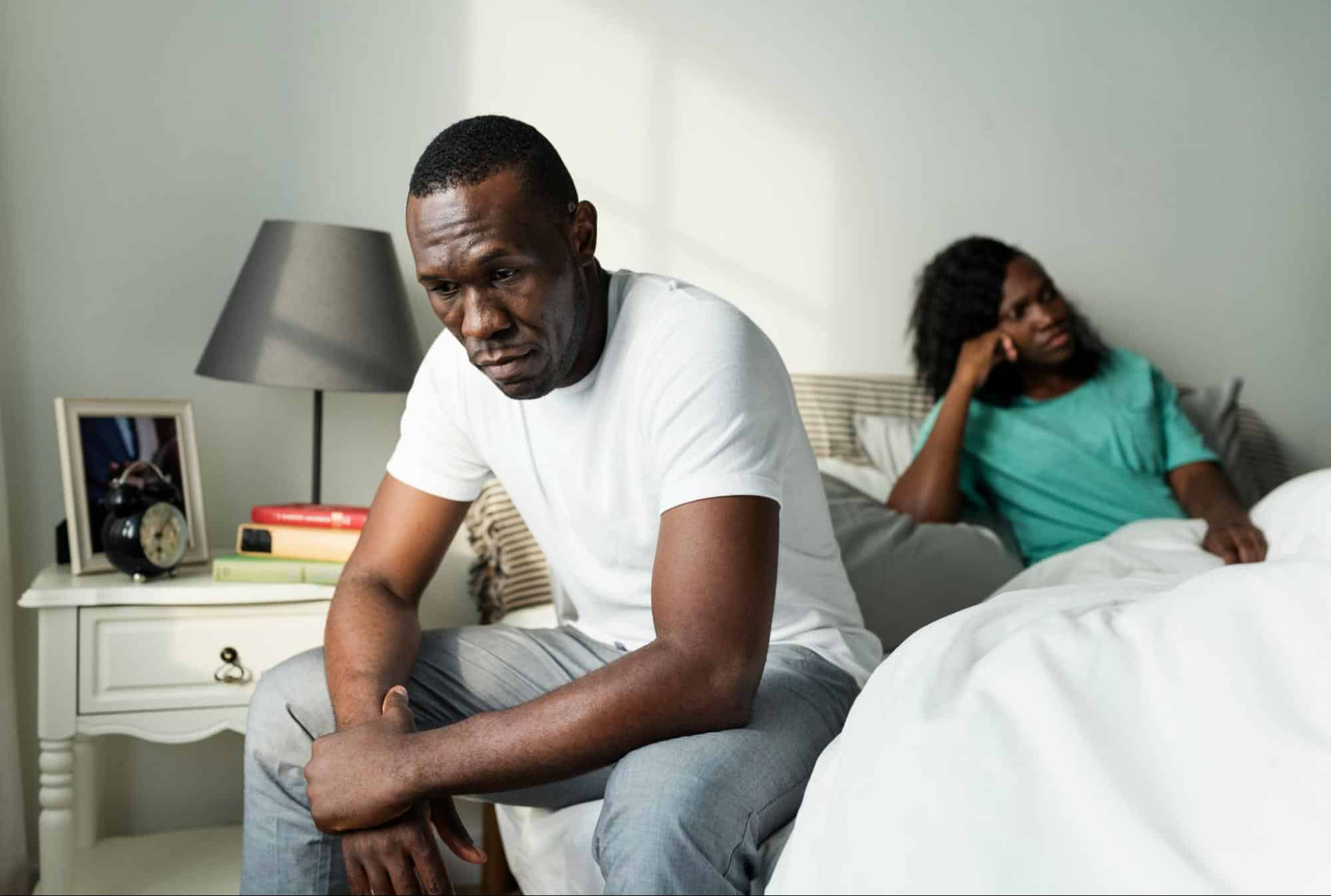
Healthy vulnerability has timing. She shares things when the connection is strong enough to hold them. Trauma dumping pulls you into her past without warning. Your nervous system reacts because it feels sudden. Research shows that abrupt emotional disclosure increases stress responses between partners. You walk away feeling overwhelmed instead of connected.
Owns Her Healing vs Expects You To Fix Her

A healthy woman knows her healing is her job. She might talk to you about it, but she does not put it on your plate. Someone who trauma dumps turns you into her emotional medic. You feel responsible for her mood and stability. It creates pressure that grows over time. You start feeling more like a therapist than a man she is dating.
Shares Wins and Struggles vs Only Talks About Problems

Her emotional world has a range. She can celebrate and open up about challenges. A trauma dumper lives in the dark parts of her story and drags you in with her. You start noticing she never shares joy. You feel the entire relationship leaning negatively. It becomes hard to relax around her.
Reflects on Her Feelings vs She Reacts to Her Feelings

Healthy vulnerability includes awareness. She talks about how she feels and why it matters. Trauma dumping sounds chaotic and raw. You can feel the lack of processing. She reacts with emotion instead of insight. You walk away feeling confused instead of informed.
Uses “I” Statements vs Blames Everyone

A grounded woman takes responsibility. She explains how experiences shaped her. Trauma dumping usually includes blaming, attacking, or ranting. It sounds like the world is out to get her. You feel pulled into her anger. You start shrinking your presence because the energy is too heavy.
Respects Boundaries vs Gets Upset When You Set Limits

Healthy vulnerability exists inside boundaries. She understands when you are tired or busy. A trauma dumper takes your limits personally. She thinks boundaries mean rejection. You feel pressured to always be available. It slowly drains your emotional capacity.
Opens Up Gradually vs Goes Too Deep Too Fast

Real connection builds over time. She shares at a pace that feels natural. Trauma dumping accelerates intimacy artificially. She tells you intense details early on. You feel rushed into closeness. It makes the relationship feel unstable.
Talks to Connect vs Trauma Dumps to Test You

Sometimes a woman wants to see how much you can handle. A healthy woman communicates to bond. A trauma dumper communicates to test your loyalty. You feel like you are going through emotional exams. It becomes less about connection and more about survival. You end up thinking twice before asking how her day went.
Wants Support vs Wants Saving

There is a big difference. Support means listening and understanding. Saving means rescuing her from her whole life. Trauma dumping pushes you into a role you never signed up for. You become the fix. You lose yourself in her chaos.
Shares Stories With Solutions vs Shares Problems With No Direction

A healthy woman talks about challenges and also what she is doing to improve. Trauma dumping focuses only on the storm. She keeps you stuck in her emotional loop. You feel drained because there is no progress. You start avoiding deeper conversations with her.
Communicates Calmly vs Spirals Emotionally

Healthy vulnerability still has emotional control. She can express herself without exploding. Trauma dumping feels like an emotional free fall. You feel her energy spike and pull yours with it. The conversation gets intense fast. You walk away exhausted.
Lets You Speak vs Dominates the Moment

A woman who is emotionally mature wants you to be seen, too. She gives space for your thoughts. Trauma dumping takes over the whole interaction. You cannot get a word in. She talks and talks. You feel invisible.
Trusts You With Small Things First vs Drops Her Deepest Wounds Immediately

Healthy trust grows slowly. She reveals layers when you show consistency. Trauma dumping skips layers and throws everything at you. It feels too heavy for a new connection. You sense that she needs more healing before she can date well. It becomes emotional overload.
Creates Emotional Safety vs Emotional Pressure

You feel grounded around a woman who knows how to be vulnerable. You have space to breathe and speak. Trauma dumping feels urgent and heavy. You feel pressured to fix, help, or respond perfectly. You lose your ease. You start distancing yourself to protect your peace.








Ask Me Anything