
Last week, the trash went out on time. The birthday gift was bought. The dentist appointment was booked. The groceries were restocked. The in-laws were called. If you’re honest, you probably didn’t think about how any of it happened.
That’s the point. Most marriages don’t struggle because of one big failure. They strain when one person quietly manages fifty small responsibilities that never make it onto a chore list. Over time, those small things stop feeling small — especially when only one partner is carrying them.
Family Celebrations Manager

Birthdays don’t just happen. Holidays don’t magically organize themselves. Someone remembers the dates, orders the cake, buys the gifts, wraps them, invites the family, and makes sure the traditions stay alive.
It’s easy to show up and enjoy the event. It’s different to build it from scratch. When one partner consistently handles this, they’re not just planning parties. They’re protecting memories and making sure people feel seen.
Meal Planner and Grocery Chief
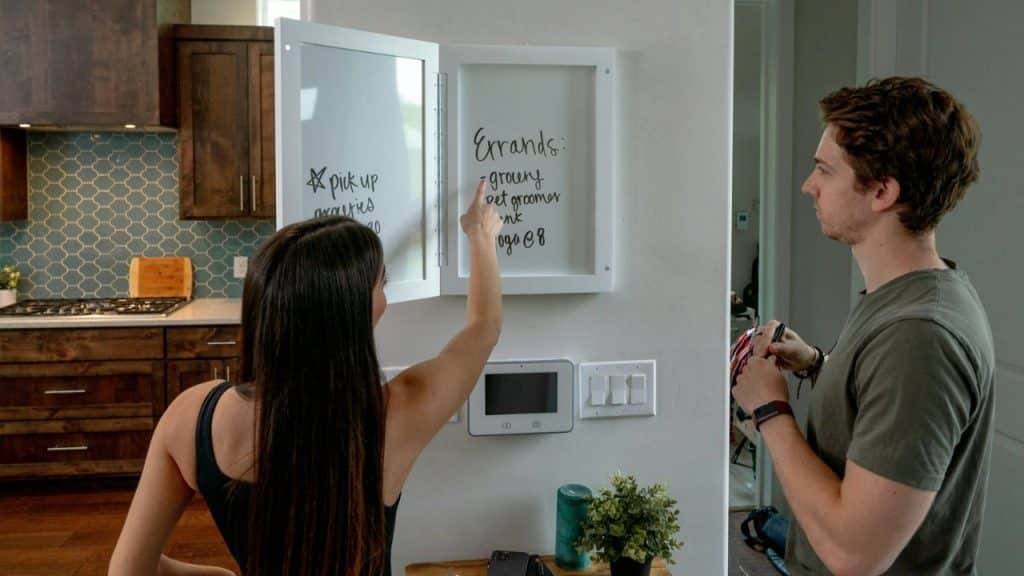
Dinner is simple—until it isn’t. Someone decides what’s for the week, checks what’s in the fridge, tracks what’s running low, and balances preferences, allergies, and budget.
Even when both partners cook, one often carries the mental load of planning. It’s the difference between “What’s for dinner?” and already knowing the answer. That daily decision-making adds up fast.
Household Operations Director

Running a home feels a lot like running a small company. Bills need to be paid. Supplies need to be restocked. Repairs need to be scheduled.
Most of this work happens quietly. When the lights stay on and the internet works, nobody claps. But someone made sure the due dates weren’t missed and the service calls were booked.
Calendar Keeper

Doctor appointments, school events, work trips, car maintenance, parent-teacher meetings. Someone is usually tracking it all.
If you’ve ever just shown up because “it’s on the calendar,” that calendar didn’t manage itself. Being the keeper of schedules means constantly looking ahead so nothing crashes into something else.
Social and Family Liaison

Relationships outside the marriage don’t maintain themselves either. Someone remembers birthdays, plans visits, sets up dinners, and keeps extended family connected.
Without that effort, it’s easy for ties to weaken. The partner handling this role is often the quiet glue holding the broader network together.
Childcare Coordinator

For couples with kids, this one is relentless. Sign-ups, permission slips, sports gear, birthday party RSVPs, school emails.
Even when both parents are involved, one person often tracks the details. It’s not just about being present. It’s about anticipating what’s needed before anyone asks.
Emotional Support Officer

Every relationship has stress. Work pressure. Bad days. Tension.
Often, one partner becomes the emotional radar. They notice mood shifts, ask follow-up questions, smooth out conflict, and suggest a reset before things spiral. It’s not therapy. It’s everyday emotional maintenance.
Home Maintenance Supervisor

Something always needs fixing. A leak. A broken appliance. A car issue. Scheduling repairs, comparing quotes, following up on appointments—this doesn’t just “get handled.” It gets handled by someone. And if it’s always the same person, that’s another invisible role added to their plate.
Health and Appointments Manager

Doctor visits, dentist cleanings, prescription refills, and insurance paperwork. These tasks are easy to ignore until something goes wrong. The partner managing them keeps the family’s health from becoming reactive instead of preventive.
Financial and Bills Controller

Money conversations are visible. The day-to-day money management usually isn’t. Tracking due dates, monitoring accounts, adjusting budgets, handling insurance or tax paperwork—this is steady, behind-the-scenes work. When it’s done well, it feels invisible. When it’s ignored, it becomes urgent very quickly.
Gift and Tradition Keeper

Anniversaries, small rituals, date nights, meaningful gestures. Someone often takes responsibility for keeping the relationship itself from turning into a checklist. They remember the day you met. They plan something small but intentional. It may not look dramatic, but it keeps the connection alive.
Memory Archivist

Photos don’t organize themselves. Milestones don’t record themselves. One partner is often the keeper of shared history—saving pictures, remembering stories, holding onto moments that define the relationship. It’s emotional labor, even if it looks like scrolling through a camera roll.
Self-Care Advocate

Sometimes one spouse becomes the reminder system for rest. “Take a break.” “Book the appointment.” “Use the vacation day.”
It may seem minor, but looking out for each other’s well-being is work. When only one person carries that awareness, it’s another invisible layer added to their responsibilities.
Quality-Time Coordinator

Date nights rarely appear out of thin air. Someone suggests them, plans them, arranges childcare, or makes space in the schedule.
Without intention, marriage can easily turn into logistics and errands. The person who pushes for time together is often doing more relational work than it looks like.
All-Around Troubleshooter

And then there’s the catch-all role. The person who jumps in when something breaks—literally or emotionally.
Late-night problem solving. Last-minute adjustments. Calming tensions. Handling surprises so the other partner doesn’t have to. It’s exhausting work because it’s unpredictable.








Ask Me Anything