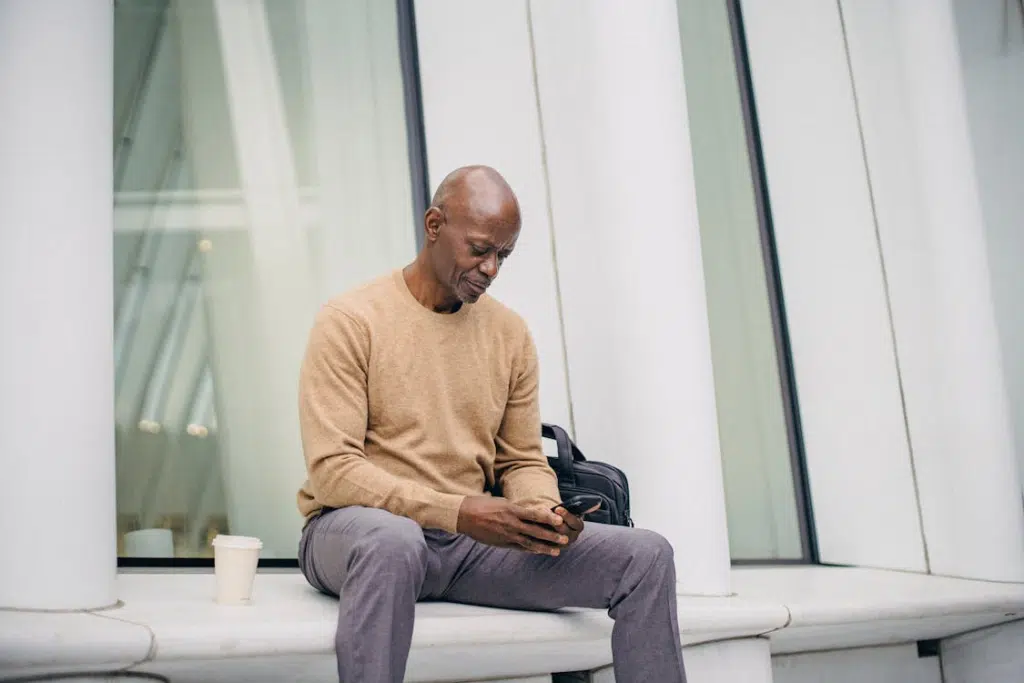
You’ve built a life where you don’t have to rely on anyone. You pay your bills, manage your career, and keep your personal life on lock. To anyone watching, it looks like pure strength. But sometimes, that independence is a shield. It’s easier to tell yourself you don’t need anyone than to risk letting someone in. Vulnerability is uncomfortable. It means admitting fears, asking for help, or showing emotions that feel messy. And avoiding those things comes at a cost. You might have freedom, but you might also be missing out on intimacy, connection, and even your own emotional growth.
You Avoid Asking For Help Even When You Need It

You’re the guy who handles everything on your own. When work piles up or life gets messy, you push through alone because it feels like the only option. But there’s a difference between being capable and refusing help out of fear. When you never ask for support, you’re signaling to yourself that vulnerability is dangerous. Leaning on someone doesn’t make you weak, it makes you human. Opening up for help can deepen relationships and relieve stress.
You Rarely Open Up About Your Feelings

You keep your emotions locked behind a stoic exterior. Talking about what’s bothering you feels risky or even embarrassing. But suppressing emotions creates distance. Vulnerability is scary because it means admitting that things matter to you. Sharing feelings builds trust, intimacy, and connection. The guys who seem “strongest” often are just the ones who have learned to express emotion without shame. Avoiding it keeps you stuck in a lonely cycle, and eventually, you start to feel numb. Letting people in is where the real power lies.
You Push People Away Before They Can Get Too Close
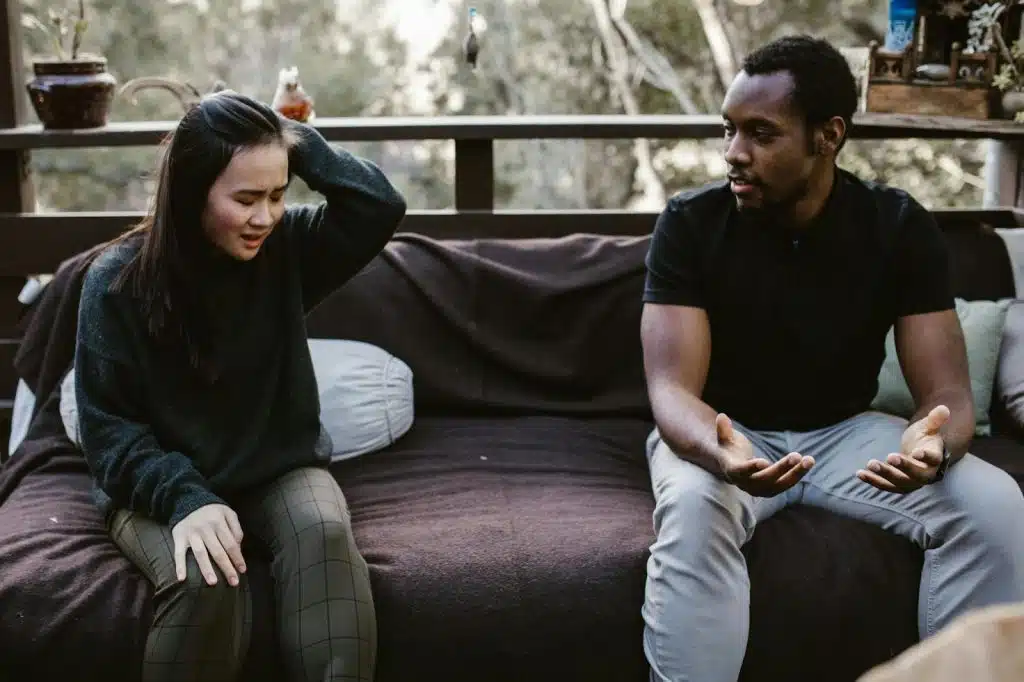
You might notice that you end relationships or friendships before they become serious. You tell yourself it’s about protecting your freedom, but often it’s about self-protection. Closeness means risking rejection or disappointment, and that fear can drive you to preemptively create distance. Ironically, this kind of “strength” often leaves you lonelier than being vulnerable ever would. Real courage is letting people in even when it’s scary. Every time you push someone away, you miss the chance for a meaningful connection.
You Avoid Dependence on Anyone For Anything

You pride yourself on never leaning on anyone. You handle your finances, career, and even your personal struggles solo. That feels like independence, but underneath, it can be fear. Relying on someone exposes you to judgment, disappointment, or rejection. But human connection thrives on mutual dependence. Letting someone support you doesn’t make you weak. It creates bonds that make life richer and challenges more manageable.
You Fear Commitment in Relationships

You might tell yourself you’re just cautious or realistic, but fear of vulnerability often fuels your hesitation. Being fully present with someone exposes your flaws, your needs, and your deepest desires. Commitment is an opportunity to grow through trust and intimacy. Avoiding it feels safer in the short term, but long-term, it leaves you stuck in a pattern of fleeting connections. Letting someone in completely is scary, but it’s also the gateway to real fulfillment.
You Rarely Accept Compliments or Praise

You brush off compliments like they don’t matter. You might call it humility, but often it’s fear. Accepting praise means acknowledging yourself, and that can feel exposed. Vulnerability shows up when you allow yourself to feel proud or recognized. Denying it keeps you behind a mask of stoicism. Real confidence is accepting acknowledgment without shrinking. Every compliment you reject is a missed chance to affirm your own worth.
You Overcompensate With Control

You like to manage every part of your life and keep things predictable. It feels like independence and competence. But the need for control can also be fear. Letting go, even a little, can feel unsafe because it exposes uncertainty. True strength comes from adapting and trusting yourself and others. You don’t have to micromanage life to prove your independence. Sometimes the most powerful men are the ones who let things unfold naturally.
You Rarely Share Your Dreams or Goals

You keep your ambitions to yourself. Talking about your goals exposes you to judgment, criticism, or ridicule. That might feel like protection, but it also limits you. Sharing your vision can create support, accountability, and opportunities. Independence doesn’t mean isolation from your own potential. Vulnerability lets you connect with people who can help you grow, not just survive.
You Hide Your Mistakes and Failures

You present a perfect image to the world. Mistakes feel like shameful secrets. But hiding failures creates distance and prevents learning. Vulnerability is admitting flaws and owning your mistakes. Real strength is showing the courage to be imperfect. Each time you hide a failure, you miss the chance to grow, build trust, and connect authentically.
You Avoid Deep Conversations

Small talk is safe. Deep conversations are not. You might avoid them to maintain your “independence.” But avoiding meaningful dialogue keeps you disconnected from others. Vulnerability is stepping into those conversations, expressing your thoughts and feelings without fear. Real connection grows when you are willing to go beyond surface-level topics. Every skipped conversation is a missed opportunity to build intimacy.
You Reject Physical Affection or Intimacy Easily
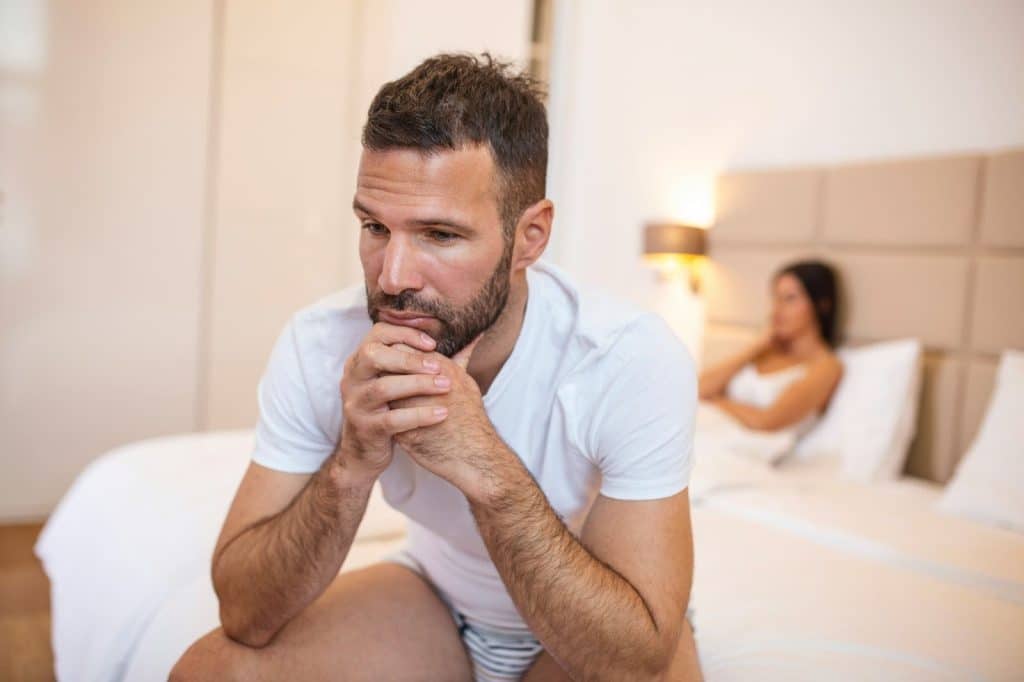
You may shy away from hugs, closeness, or intimacy that involves emotional depth. Independence can feel like protecting yourself from being exposed. But shutting down affection is often fear in disguise. Intimacy requires letting yourself be seen fully. Without it, independence feels lonely and hollow. Vulnerability in touch and closeness can be one of the most powerful ways to strengthen bonds.
You Avoid Apologizing or Admitting Fault
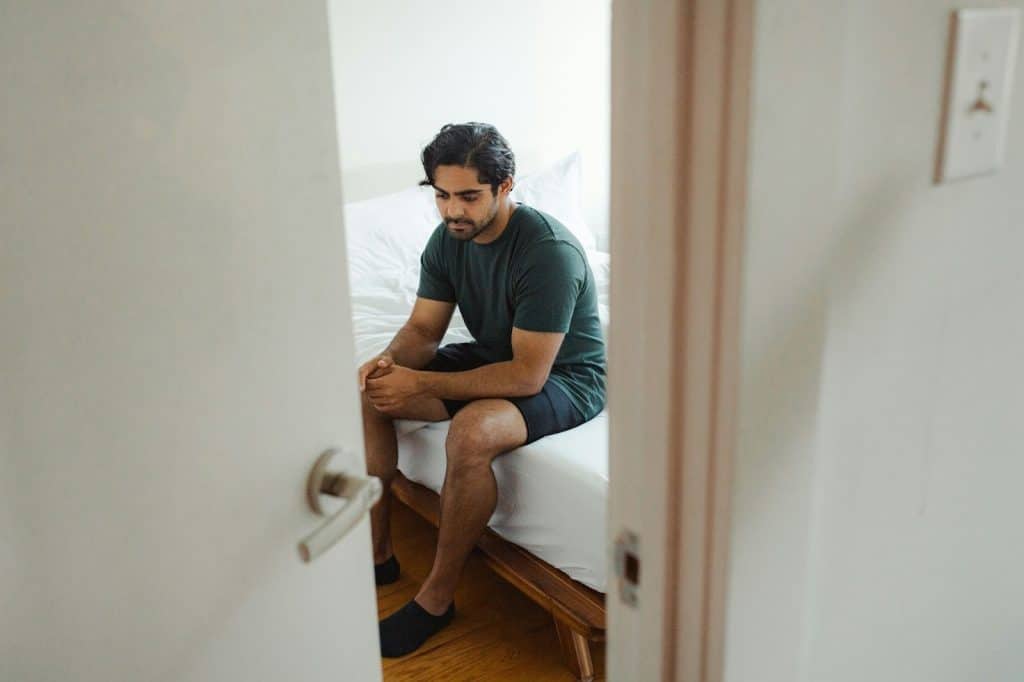
You may think admitting fault makes you weak. But avoiding apologies is fear. Vulnerability is acknowledging mistakes and taking responsibility. That’s where real respect comes from. Strong men own their actions and face consequences. Independence is about integrity.
You Rarely Celebrate Emotional Wins

You’re all about career achievements and external validation. Emotional progress feels less tangible or important. But personal growth matters. Vulnerability shows up when you recognize emotional wins and celebrate them. Independence without emotional awareness is incomplete. True strength comes from valuing both your inner and outer victories.
You Hide Your Fears From Everyone
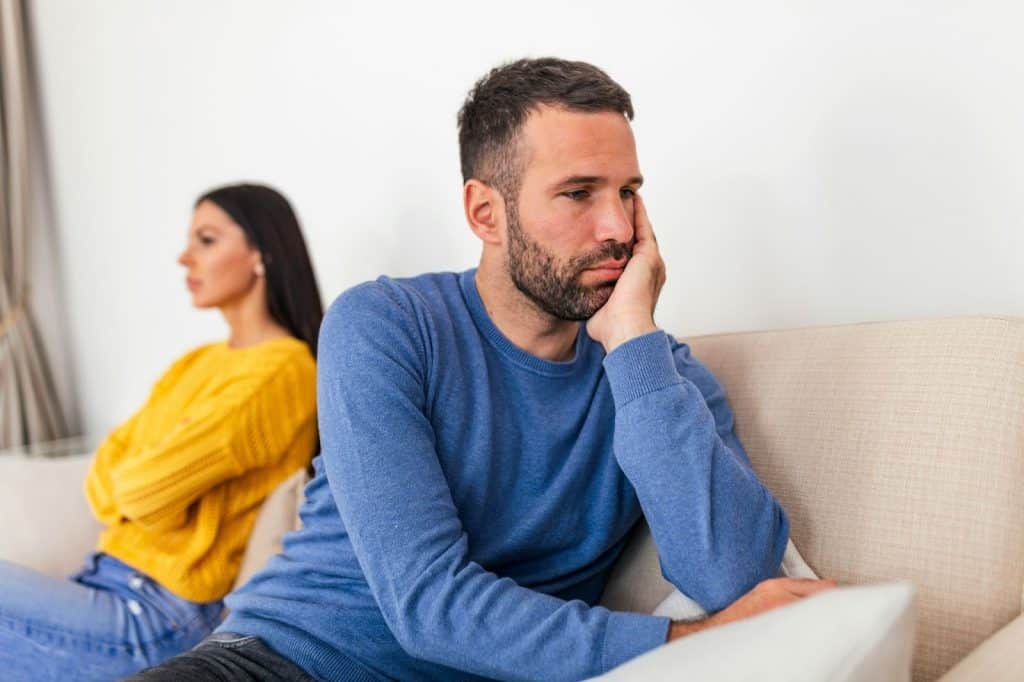
You put on a brave face and never let anyone see you sweat. Fear makes you want to stay hidden. But hiding it doesn’t make you strong. Vulnerability is admitting uncertainty and asking for support when needed. Facing fear openly is real courage. The strongest men are often the ones willing to show their humanity.
You Believe Relying on Others is Weak

You’ve been taught that handling life alone is the ultimate proof of strength. But refusing help isolates you. Independence is also about balance. Leaning on others shows wisdom, not weakness. Vulnerability is the key to building trust, deepening relationships, and creating a life richer than you could ever achieve alone.








Ask Me Anything