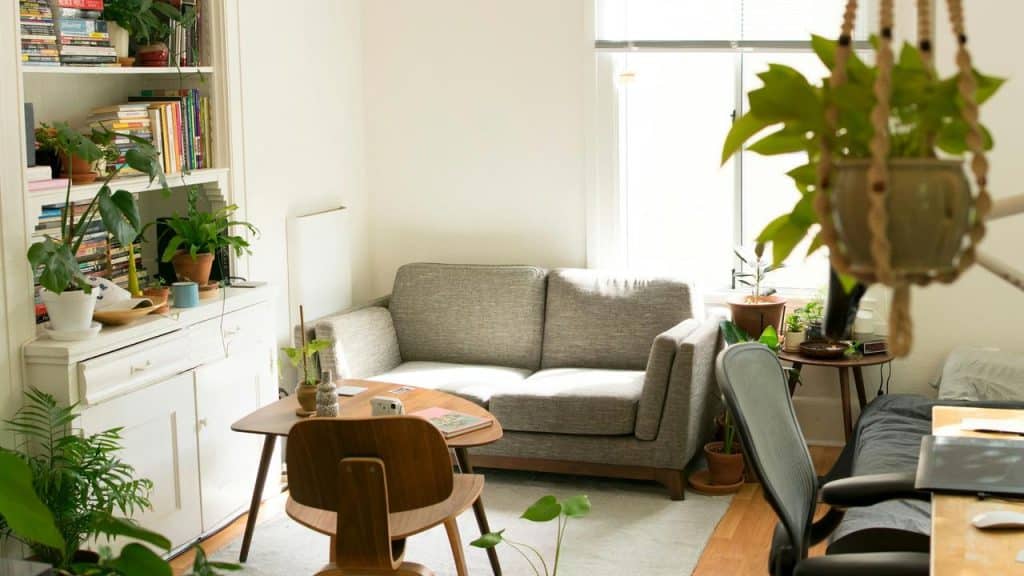
Indoor air can sometimes be more polluted than outdoor air, and that’s not exactly the kind of surprise anyone wants. Breathing in clean air at home feels like a small luxury until you realize how much difference it makes to your mood and energy levels.
Some of these ideas might sound simple at first, but when combined together, you’ll notice a significant improvement in your home’s air quality. Let’s walk through these 18 science-backed tips, shall we?
1. Crack open those windows
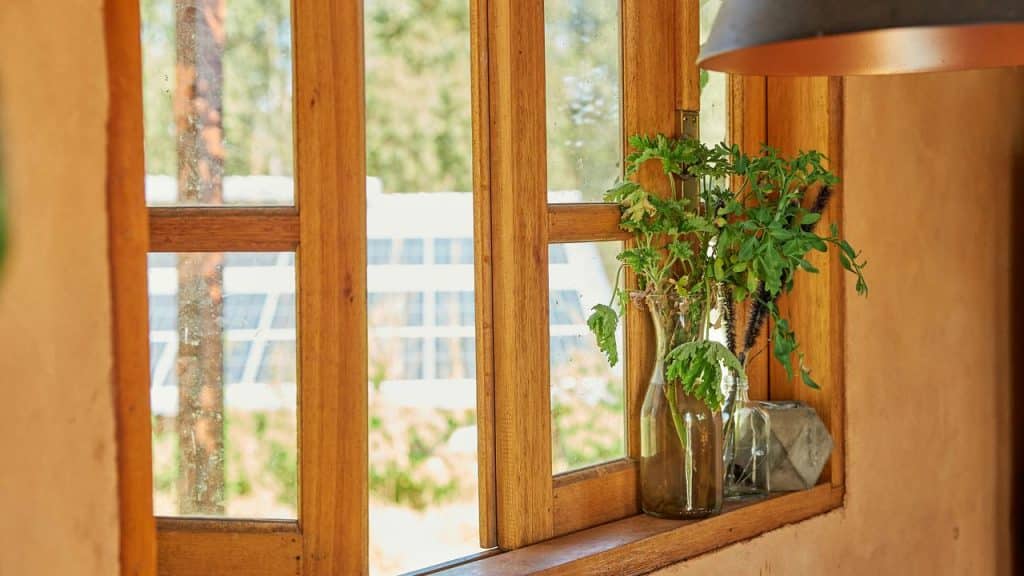
Letting outdoor air circulate inside helps remove stuffy indoor air that’s packed with dust and pollutants. Doing it for just a few minutes in the morning or evening can make a big difference.
Cross-ventilation is even better. Opening windows on opposite sides of your home creates a wind-tunnel effect that sweeps out stale air fast.
2. Bring in a few plants
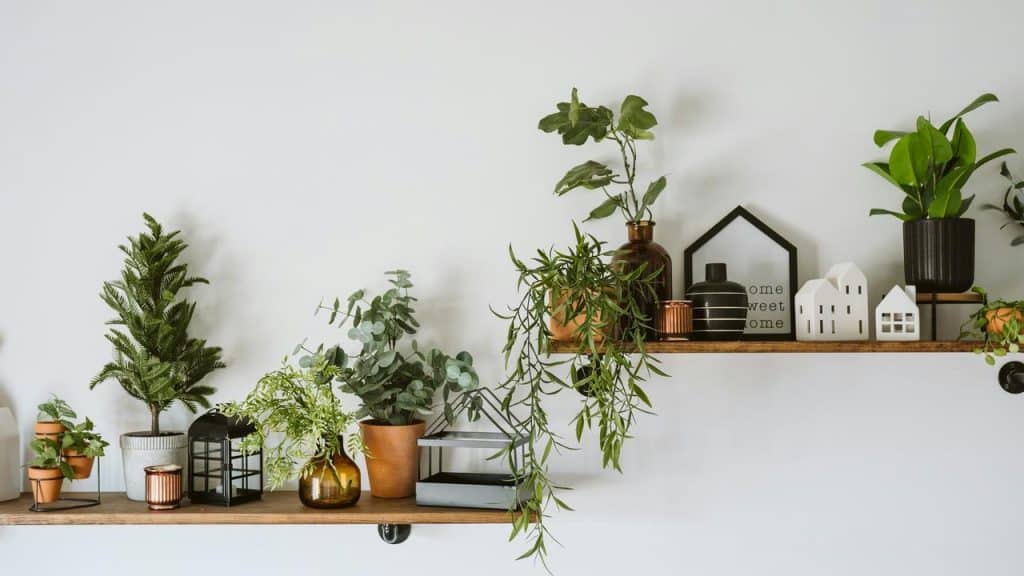
A couple of houseplants can help reduce certain indoor pollutants, though they won’t replace good ventilation. Plants like peace lilies or snake plants look great while giving off a tiny boost in air freshness.
Caring for plants also adds a calm moment to your day. Watching something green grow by the window feels surprisingly rewarding, especially when you know it’s helping the air feel less heavy.
3. Vacuum with a HEPA filter
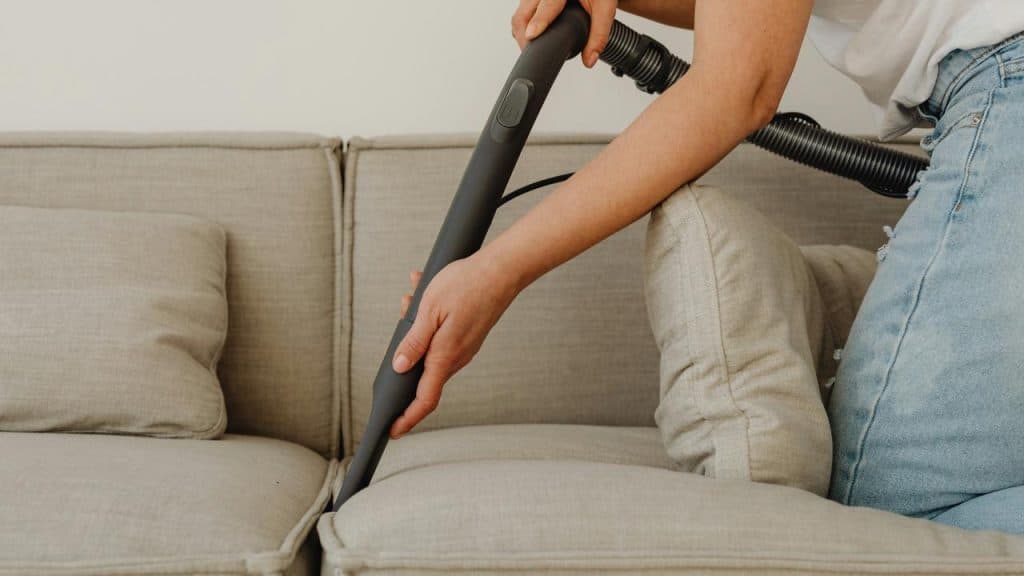
Dust and allergens tend to hide in carpets, couches, and even curtains. Vacuuming with a HEPA filter traps the tiny particles that regular vacuums blow right back out.
Running the vacuum at least once a week keeps your home from collecting those particles in the first place. It’s like giving your living room lungs a workout so yours can rest easy.
4. Change AC filters regularly
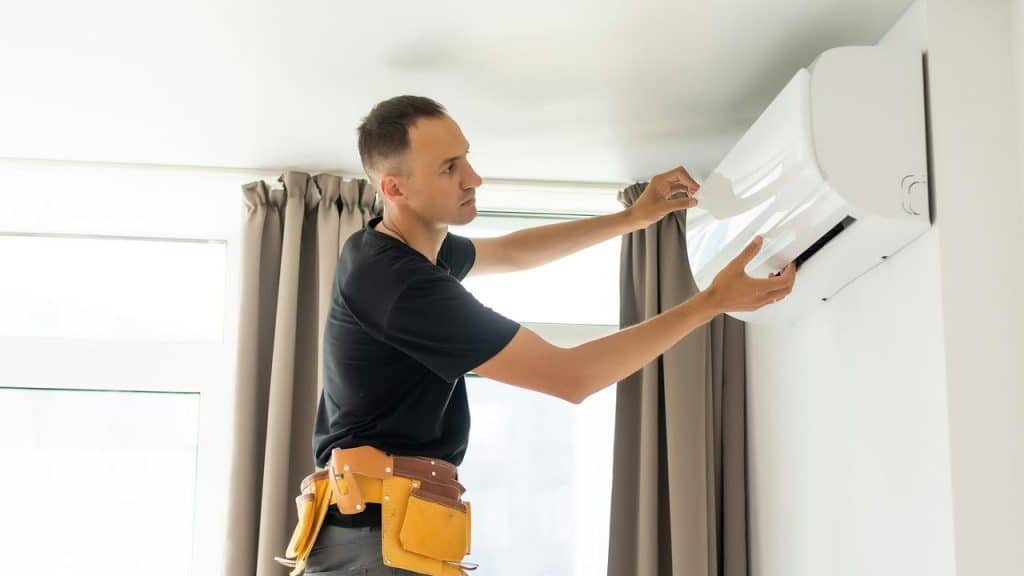
Air conditioners and furnaces trap dust in their filters, and dirty ones don’t help anybody. Swapping them out every few months keeps the air flowing cleanly.
It might feel like a boring chore, but fresh filters stop you from recirculating the same dusty air. The whole system works better too, meaning your energy bills will thank you later.
5. Use an air purifier
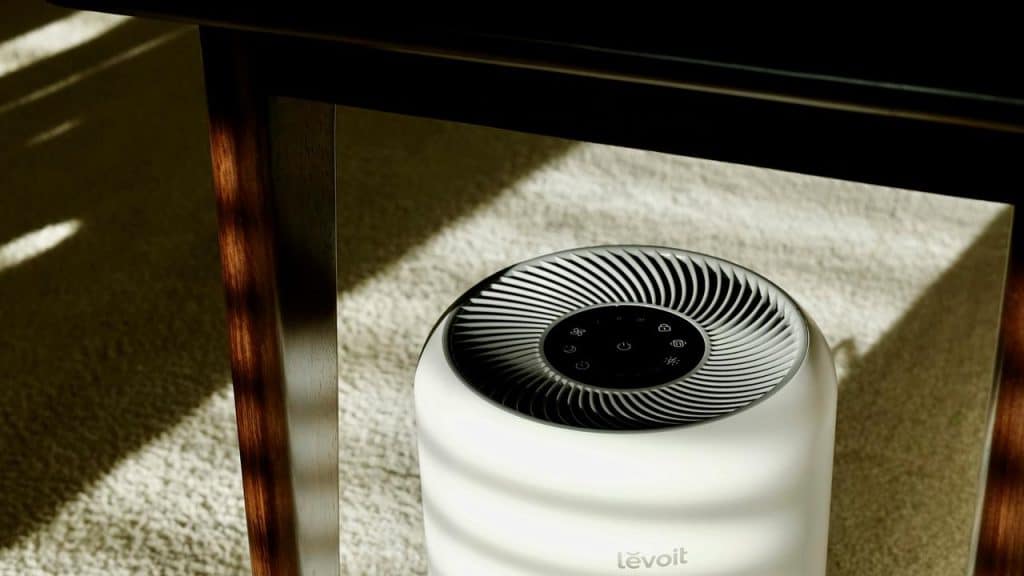
Air purifiers with HEPA filters capture particles like pollen, dust, and even smoke. Setting one up in your bedroom or living room gives the air a steady refresh.
Some come with sensors that adjust automatically when air quality drops. That way, you’re not guessing whether the thing is actually doing its job.
6. Keep humidity levels balanced
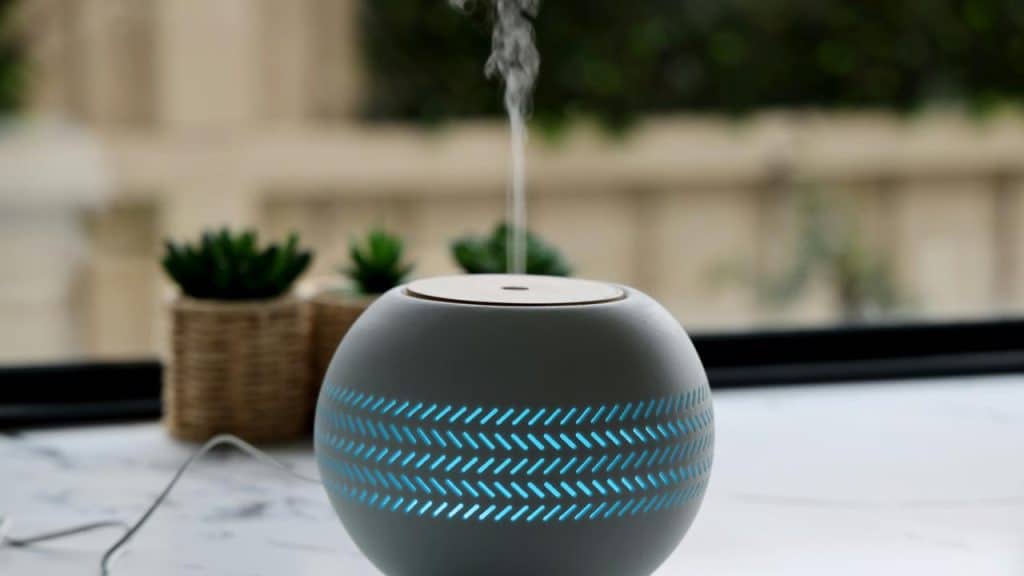
Air that’s too dry or too damp can mess with your comfort and even your health. Around 40 to 50 percent humidity keeps things balanced.
A small humidifier or dehumidifier can help if your home feels like a desert or a swamp. Balanced humidity also helps stop mold from growing in hidden corners.
7. Cook with the exhaust fan on
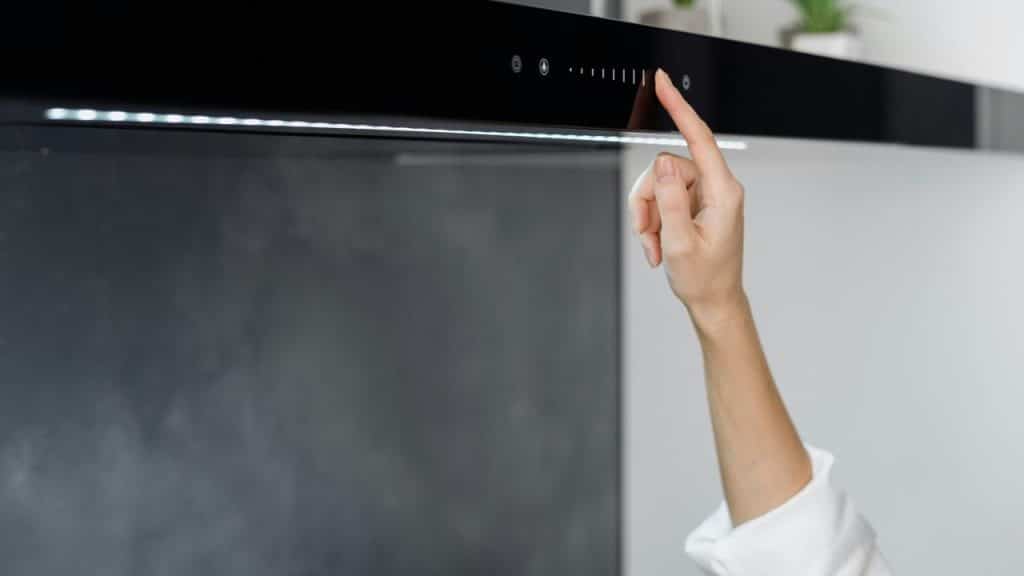
Cooking releases particles and gases into the air, especially when frying or roasting. Running the exhaust fan pulls those straight out instead of letting them linger.
It’s an easy habit to build. Flip it on before you start cooking and leave it running for a few minutes after you’re done.
8. Clean dust on surfaces often
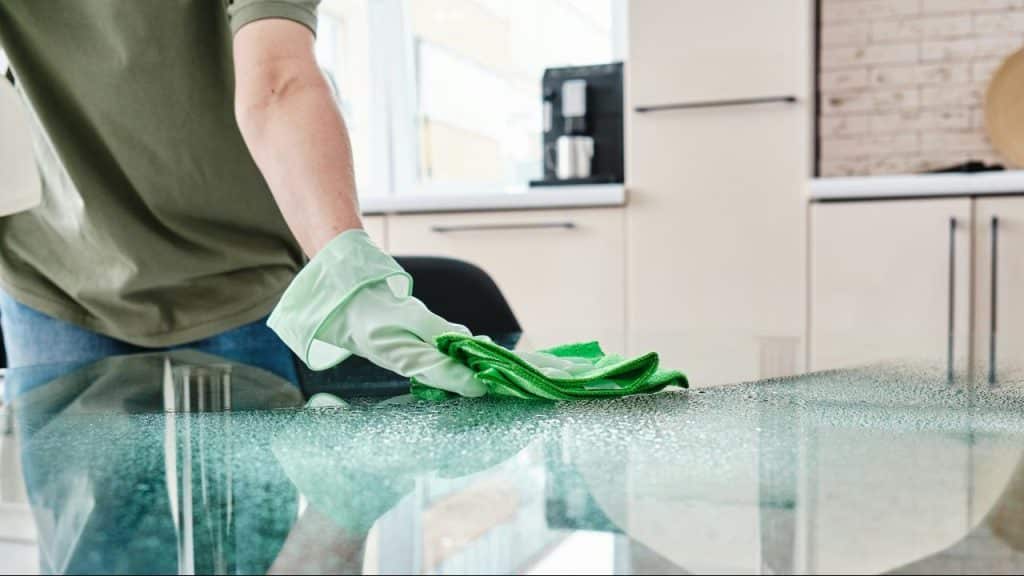
Dust carries pollen, mold spores, and chemicals from outside, so it’s good practice to wipe surfaces with a damp microfiber cloth to keep them from flying back into the air.
Starting with shelves, tables, and electronics works well since they collect dust faster than you’d think.
9. Skip harsh cleaning products
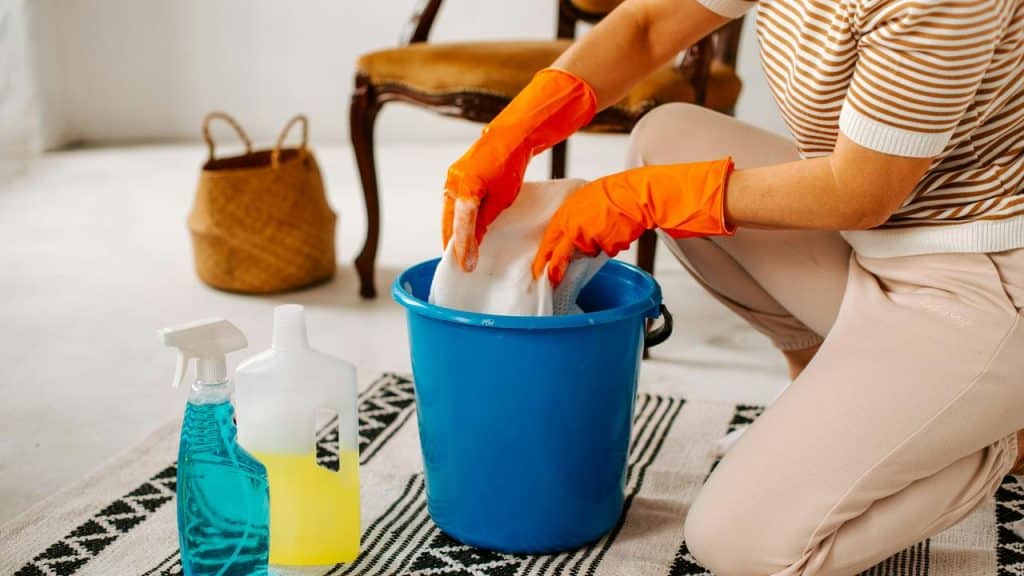
Strong cleaners release fumes that hang in the air long after you’re done scrubbing. Switching to milder options keeps the air cleaner while still getting things spotless.
Plenty of household cleaning jobs can be handled with simple ingredients like soap and water. That way, your lungs aren’t dealing with chemical leftovers.
10. Keep shoes by the door

Shoes bring in dirt, pesticides, and all sorts of outdoor grime. Leaving them at the door stops that stuff from spreading through the house.
A small rug or shoe rack makes it easy to stick with the habit. It also keeps your floors cleaner, which is a nice bonus.
11. Wash bedding regularly
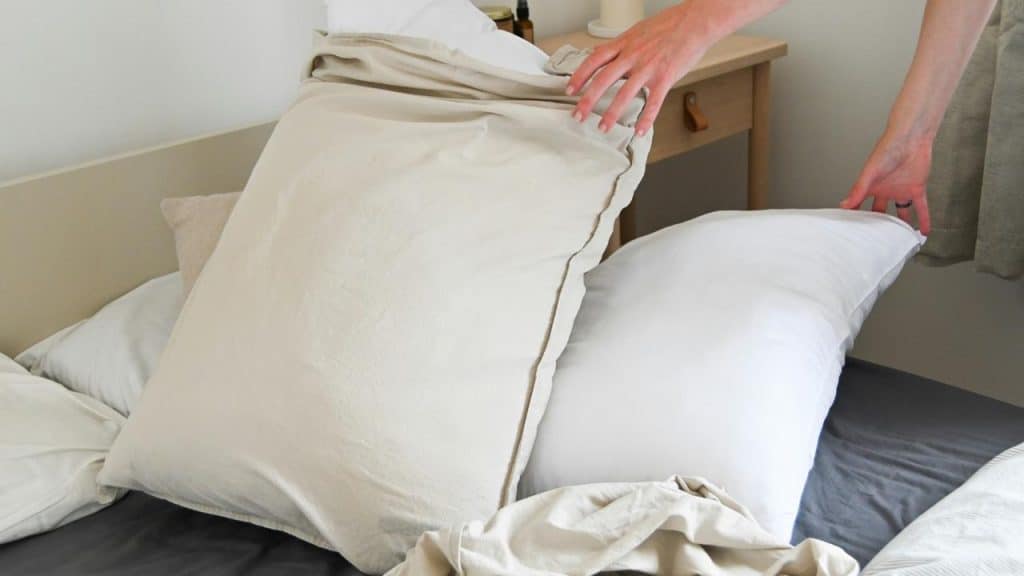
Pillows, blankets, and sheets collect dust mites and skin flakes over time. Washing them weekly keeps allergens from building up where you sleep.
Warm water and a hot dryer cycle help get rid of anything clinging to the fabric. Your bed feels fresher too, like hotel sheets, but at home.
12. Keep pets groomed

Pet fur and dander add to indoor air pollutants even when you can’t see them floating around. Brushing pets outdoors keeps most of it from spreading inside.
Bathing them occasionally helps too, especially during shedding season when fur seems to stick to everything.
13. Watch out for mold
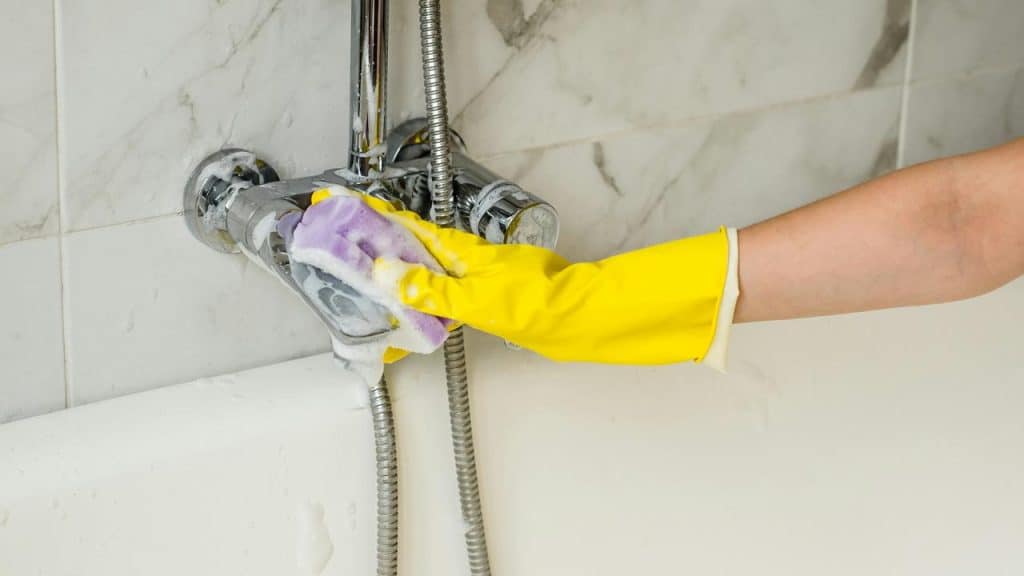
Mold often grows in damp spots like bathrooms, basements, and under sinks. The last thing you want is to inhale mold spores because it can cause respiratory problems and allergic reactions.
Using a fan or opening windows after showers helps keep the bathroom dry enough to prevent mold from growing in the first place. Remove the moisture, and the mold doesn’t stand a chance.
14. Use ceiling fans wisely
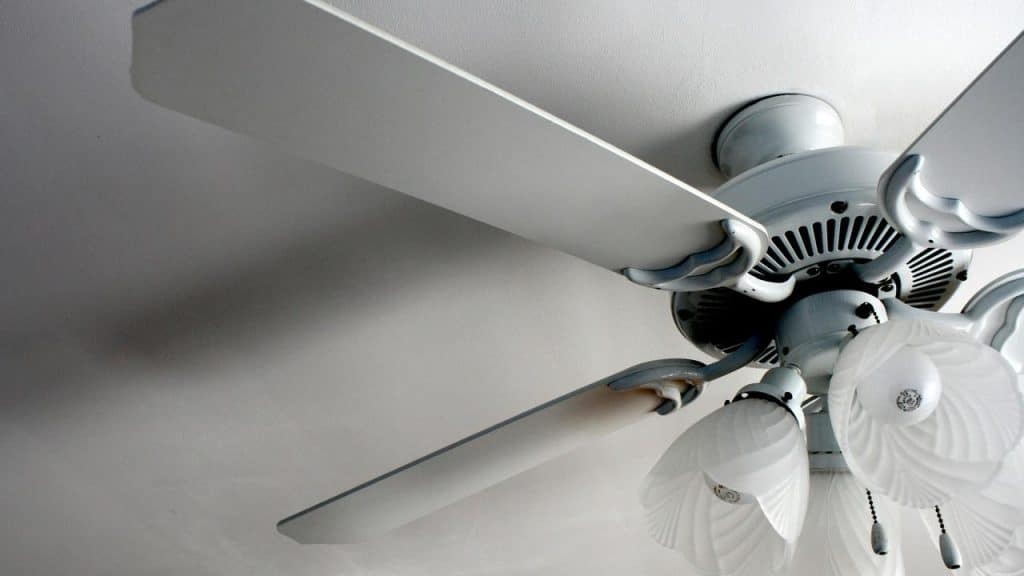
Ceiling fans help air circulate so it doesn’t feel heavy and stale. Spinning them counterclockwise in summer pushes cool air down, while clockwise in winter spreads warm air around.
Better air circulation means you rely less on heaters or air conditioners, which can dry out the air.
15. Skip smoking indoors

Smoke clings to walls, furniture, and fabrics long after the smell fades. Keeping it outside stops your home from turning into a trap for smoke particles.
Even candles and incense can leave lingering particles, so keeping them near open windows helps clear the air faster.
16. Let laundry dry completely
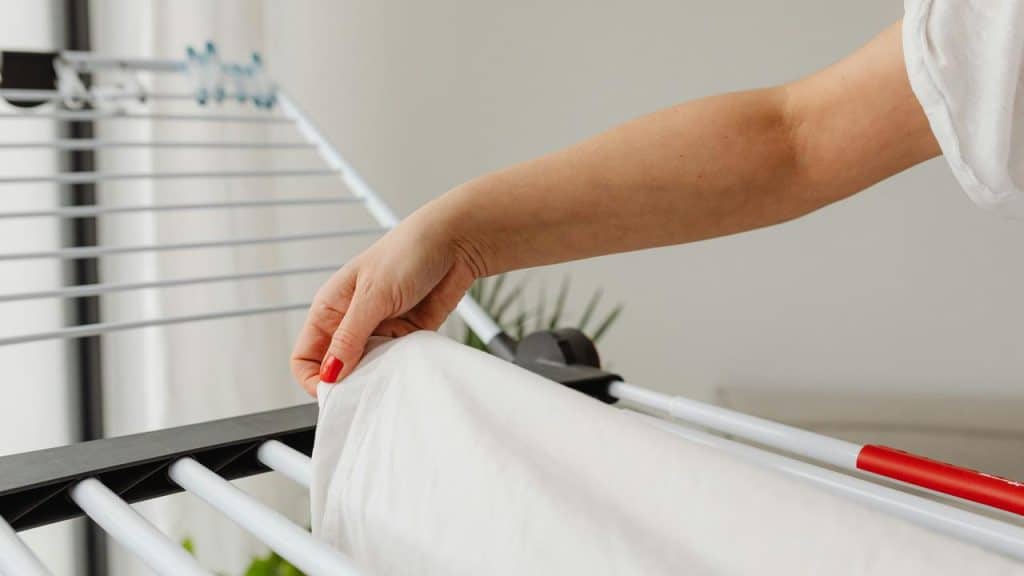
Damp laundry left in a pile or even in the washer too long creates musty smells and mold risk. Hanging it out to dry fully keeps the air quality better indoors.
Running the dryer on a full cycle or using a drying rack in a sunny spot gets the job done quickly.
17. Keep clutter in check
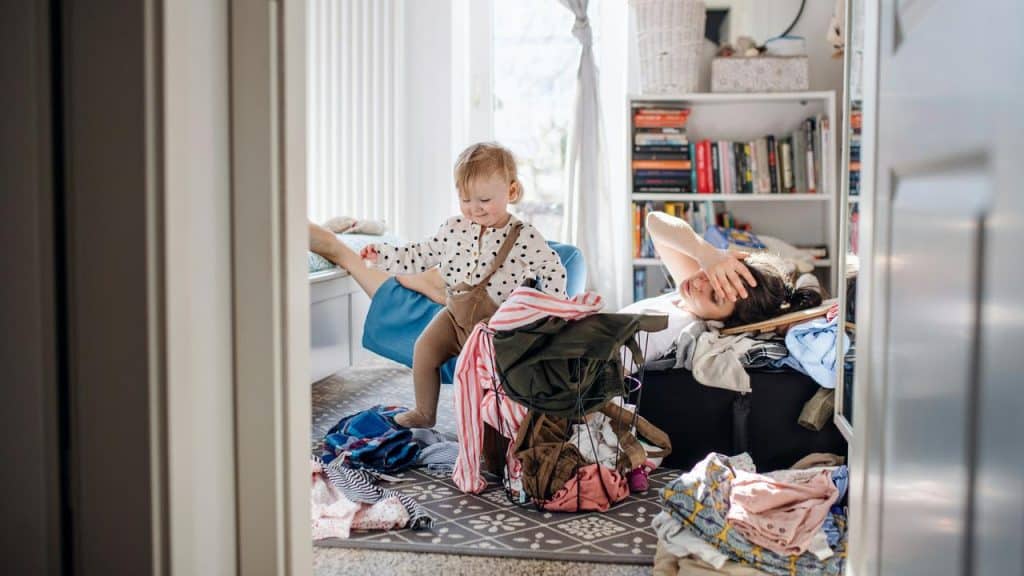
Stacks of old papers, clothes, or random stuff collect dust faster than open surfaces. Donating or recycling things you don’t use clears the air and the space.
Even a few minutes of decluttering each week keeps your home feeling fresher and less crowded.
18. Check for radon levels

Radon is a natural gas that can seep into homes through the ground. When inhaled over time, its radioactive particles can damage lung tissue, significantly increasing the risk of lung cancer, particularly in non-smokers.
Testing for it is the only way to know it’s there since you can’t see or smell it. If levels are high, professionals can help fix it so your indoor air stays safe and healthy.








Ask Me Anything