
“I’ll do it later” sounds harmless in the moment. But when it becomes a pattern, it quietly teaches her that her needs are not urgent to you. At first, she reminds you, follows up, and stays patient. Then she notices the cycle: promise, delay, repeat. Over time, she stops asking because asking starts feeling pointless and humiliating. The relationship can look calm on the outside while resentment grows underneath. Many men don’t notice the shift because she stops complaining. But silence is not always peace. These are the signs “later” has turned into a relationship problem and she’s starting to emotionally check out.
Her Reminders Get Shorter and Less Frequent

She used to remind you multiple times. Now she says it once, then goes quiet. This isn’t her forgetting—it’s her conserving energy. She’s testing whether you’ll follow through without being managed. When you still don’t, she learns the answer. The shorter reminders are a sign her patience is thinning. She’s not being calmer, she’s being tired. If the reminders are disappearing, hope is disappearing too.
She Stops Following Up After You Say “Later”

Before, she would check again, even if it felt annoying. Now she lets it drop, even when it matters. That’s not relief, it’s resignation. Following up used to feel like teamwork. Now it feels like begging. When she stops following up, she’s saying, “I’m done chasing this.” You may interpret it as less pressure. She’s often building emotional distance instead.
She Does the Task Herself Without Comment

This is one of the clearest signs. She stops asking because she expects disappointment. Doing it herself becomes easier than hoping you’ll act. On the surface, she looks independent. Underneath, she’s building resentment and feeling alone. The relationship shifts into manager-and-worker energy, except she becomes both. Many men see this as “she handled it.” Often, it means she stopped trusting partnership.
Her Tone Changes From Asking to Flat Statements

She stops saying, “Can you please…?” and starts saying, “I’ll just do it.” The warmth disappears because she doesn’t want to be disappointed again. A flat tone is emotional protection. She’s removing hope so she won’t feel hurt. This is often when men say she “seems cold lately.” Coldness is sometimes self-defense. When asking stops sounding hopeful, the bond is shifting.
She Stops Asking for Small Things Too

At first, she stops asking about chores or practical tasks. Then she stops asking for emotional things too. Less affection requests, fewer check-ins, fewer needs expressed. This is how “later” spreads beyond the task. She learns that asking doesn’t change outcomes. So she stops asking across the board. A relationship becomes quieter, but also less intimate. This is often the beginning of emotional independence. When small asks disappear, big closeness often disappears next.
She Starts Keeping a Mental List, Even If She Doesn’t Say It

Resentment often becomes quiet bookkeeping. She notices every “later” and stores it as evidence. She may not bring it up immediately, but it’s stacking. Then one day, she explodes over something small because it represents everything. Men often think the reaction is about the one moment. It’s about the pattern. A mental list is a sign she’s losing trust in your word. Trust is built through follow-through, not promises. When she starts keeping score, the relationship is already strained.
She Looks More Relaxed When You’re Not Around

This is subtle but real. When you’re gone, she seems calmer. When you’re home, her energy is tighter. That’s because she isn’t waiting for “later” disappointment when you’re not there. Waiting is a stress state. Living with repeated delays makes the home feel emotionally heavy. She may stay busy or create distance to protect her peace. It’s not always anger, it’s emotional fatigue. When she feels better away, something is off.
She Stops Celebrating Your Promises and Only Believes Actions

She no longer gets excited when you say you’ll improve. She responds with “okay” and moves on. That’s because promises stopped meaning much. Trust is shifting from words to proof. Many men feel like she’s being negative, but she’s being realistic based on history. This is a key turning point because hope is fading. Once someone stops believing your words, rebuilding becomes harder. Actions must come quickly and consistently. Otherwise, her emotional investment drops further.
She Becomes Less Warm After You Disappoint Her

After another broken “later,” she doesn’t argue. She just becomes colder. Less affection, less conversation, more distance. This is emotional self-protection. She’s reducing vulnerability because it feels unsafe. The relationship starts feeling transactional and quiet. Men often miss this because there’s no fight. But warmth is the real indicator, not volume. When warmth drops after disappointments, she’s emotionally adjusting. Over time, those adjustments become permanent.
She Stops Asking in a Sweet Way and Starts Sounding Like a Manager

If she does ask, it sounds like direction, not affection. That’s because the relationship dynamic shifted. She feels like she has to manage you to get anything done. That manager tone often creates defensiveness, which creates more conflict. But the manager tone didn’t appear from nowhere. It appears when she’s tired of waiting. Once she becomes the manager, attraction often drops. It’s hard to feel romantic toward someone you must supervise. This dynamic is a major sign the relationship is slipping.
She Makes Backup Plans Without You

She starts arranging life so she doesn’t depend on your follow-through. She hires help, asks friends, or changes routines. Independence is healthy, but this is a specific kind of independence. It’s built from not trusting consistency. She doesn’t include you in planning because “later” has made you unreliable in her mind. This reduces partnership and increases separation. Over time, she builds a life that functions without you emotionally. That is a dangerous shift.
She Stops Bringing It Up Because She’s Tired of Feeling Like a Nag
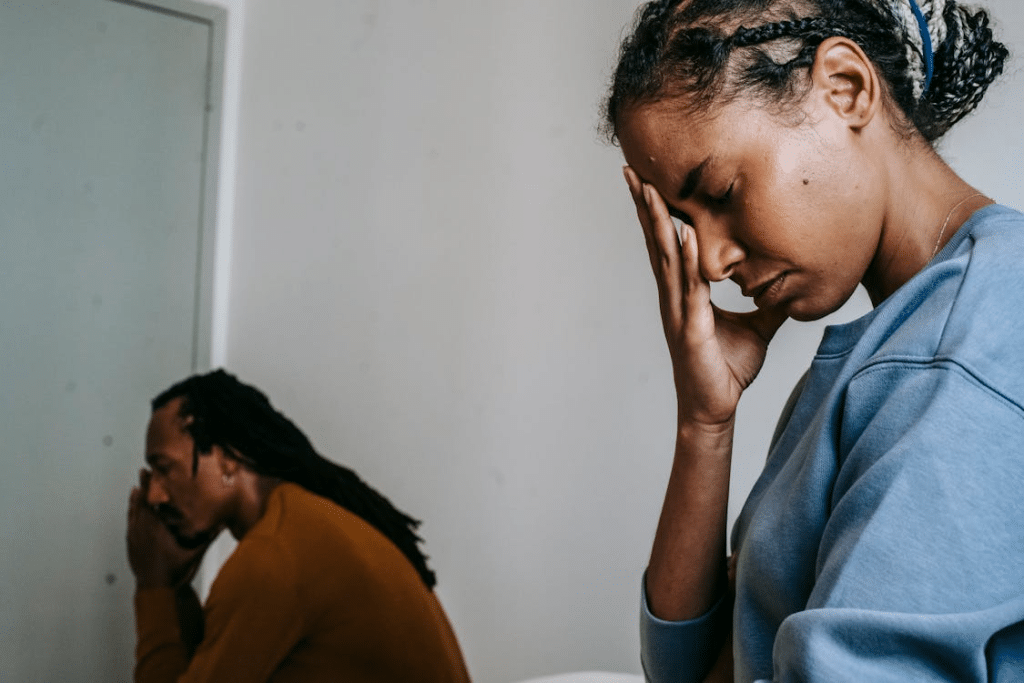
Many women don’t want to feel like they’re parenting their partner. When she has to remind repeatedly, she feels naggy and unattractive. So she chooses silence. Silence protects her dignity, but it also increases distance. Men often think she stopped because she doesn’t care. She often stopped because she cares too much and doesn’t want to feel pathetic. This is where the relationship becomes “calm” but unhealthy. When she stops bringing it up, she’s often already grieving.
She Starts Doing “Later” Back to You
She delays things you ask for, or she stops responding quickly. Not always out of spite, but out of emotional adaptation. If she feels unprioritized, she returns the same energy. This is often when the relationship becomes colder and more transactional. Both partners stop trying as hard because effort feels unequal. Men may call it pettiness. Women often call it fairness. Either way, it signals resentment is active. Reciprocity turns negative when trust is low.
She Seems Less Impressed by You

Respect drops when reliability drops. She may still love you, but admiration becomes harder. Many women admire men who do what they say. When “later” becomes a lifestyle, she stops trusting your leadership. She starts seeing you as someone she can’t depend on. That changes attraction because dependability is a major attraction factor long-term. Men often don’t notice this until the relationship feels cold. Admiration is fragile when promises are cheap. You can feel this shift in her tone and eye contact.
She Stops Sharing Her Emotional World

This is when “later” affects intimacy directly. She shares fewer feelings, fewer worries, fewer personal thoughts. Why? Because if you don’t follow through on small promises, she stops trusting you with big vulnerability. Emotional openness requires safety. Repeated “later” creates disappointment, and disappointment reduces safety. Over time, she keeps her inner world private. That privacy becomes distance. When emotional sharing drops, intimacy drops too.
Bedroom Activity Becomes Less Frequent or Less Warm

Intimacy often reflects the emotional climate. If she feels unprioritized and unsupported, desire often drops. She may avoid closeness because it feels disconnected. She may also feel resentment that makes touch feel unsafe. This is not about punishment. It’s about the relationship atmosphere. When partnership feels one-sided, intimacy suffers. Many men focus on the symptom, not the cause. The cause is often emotional fatigue and low trust.
She Starts Talking Like She’s Alone in the Relationship

You hear phrases like “I’ll just handle it” or “I can’t depend on anyone.” That language is serious. It signals she sees herself as the only reliable adult in the system. Even if she doesn’t name you, the message is clear. Feeling alone is one of the biggest relationship killers. It turns marriage into survival, not partnership. When she talks like she’s alone, she’s telling you she feels alone. That feeling will eventually shape her decisions. Don’t ignore the language.
She Stops Asking Because She’s Already Planning for a Different Future

This is the final stage. She’s not asking because she’s not investing. She’s imagining life with less dependence on you. She might not be planning a breakup tomorrow, but she’s emotionally preparing. The relationship becomes quieter, less affectionate, and more separate. Men often interpret this as her being “fine.” She’s often already gone mentally. When she stops asking, it’s not peace. It’s a pivot.
“Later” Can Cost More Than You Think

“I’ll do it later” is not just a delay. Repeated delays teach your partner that your word is unreliable and her needs are optional. Over time, she stops asking because asking becomes exhausting. The most dangerous part is that the relationship looks calmer right before it becomes weaker. The fix is not a big speech. It’s consistent follow-through on small things. Do what you said, when you said it, without needing reminders. Reliability rebuilds trust faster than romance does. If she’s still asking, there’s still hope. If she’s stopped, the urgency is higher—because she stopped for a reason.








Ask Me Anything